Intrinsically Safe Knowledge Base
UL 913: Class I Div 1 Certified Equipment Guide (2026)
In hazardous industrial environments, compliance with safety standards is non-negotiable. For operations in the United States, UL 913 is the primary standard for intrinsically safe (IS) apparatus. It outlines the design, testing, and evaluation requirements for equipment intended for use in Class I, II, and III, Division 1 locations. The core objective of the standard is to prevent electrical and electronic equipment from becoming an ignition source where flammable gases, vapors, dusts, or fibers are present. By limiting the electrical and thermal energy of a device to a level below that which can ignite a specific hazardous atmosphere, UL 913 provides the framework for ensuring operational safety and regulatory compliance.
Go Beyond the Standard: What is Intrinsically Safe Equipment?
Understand the core principles of intrinsic safety and how certified devices are used in the field. This guide explains the fundamentals.
What is the Scope of the UL 913 Standard?
Published by Underwriters Laboratories (UL), the UL 913 standard is formally titled “Standard for Intrinsically Safe Apparatus and Associated Apparatus for Use in Class I, II, and III, Division 1, Hazardous (Classified) Locations.” It is the key standard for this protection method in the US. Its scope is specific, applying to two main categories of devices. The first is ‘intrinsically safe apparatus,’ which are devices designed to be located directly within the hazardous area. The second is ‘associated apparatus,’ which are devices typically located in a non-hazardous area but connected to the IS equipment in the hazardous zone; they must ensure they do not transmit excessive energy into that zone. The standard is built on the principle of preventing ignition by ensuring that, even under specified fault conditions, the energy released by the equipment is insufficient to ignite the most easily ignitable concentration of a hazardous atmosphere.
Key Principles of Intrinsic Safety under UL 913
The UL 913 standard is built on a set of core principles to ensure that certified equipment remains safe throughout its operational life, even when faults occur. These principles form the foundation of the intrinsically safe protection method and are what certification bodies test against.
- Energy Limitation:
The core concept is to limit voltage, current, and power to levels that cannot cause a spark or thermal effect capable of igniting a flammable substance. This is achieved through components like Zener diodes to clamp voltage and resistors to limit current.
- Fault Conditions:
UL 913 requires that equipment remains safe even when specific faults occur. The standard evaluates devices based on their ability to remain non-incendive with up to two independent faults applied. This fault tolerance is a key aspect of ensuring reliability in real-world conditions.
- Component Temperature:
The standard assesses the surface temperature of all components to ensure they do not exceed the autoignition temperature of the surrounding hazardous atmosphere. This prevents the device itself from becoming a hot-surface ignition source, a danger just as critical as electrical sparks.
- Rigorous Testing:
Compliance involves extensive testing protocols. This includes spark ignition tests, where the circuit is made to spark in an explosive atmosphere to prove it cannot cause ignition, as well as thermal assessments, drop tests, and material evaluations to ensure long-term durability and safety.
How UL 913 Relates to Hazardous Location Classifications
The application of UL 913 is directly tied to the North American system for classifying hazardous locations, as defined by the National Electrical Code (NEC). This system ensures that equipment is correctly matched to the environment.
- Defining the Environment:
First, a facility must classify its hazardous areas by Class (type of hazardous substance – gas, dust, or fiber), Division (likelihood of the substance being present), and Group (the specific substance’s ignition characteristics). UL 913 is primarily concerned with Division 1 locations, where an explosive atmosphere is expected to be present during normal operations.
- Apparatus Design and Testing:
Engineers design equipment to meet the stringent energy-limiting requirements of UL 913. The device is then submitted to a Nationally Recognized Testing Laboratory (NRTL), such as UL, for certification. The lab performs a battery of tests to verify it meets every clause of the standard.
- Certification and Marking:
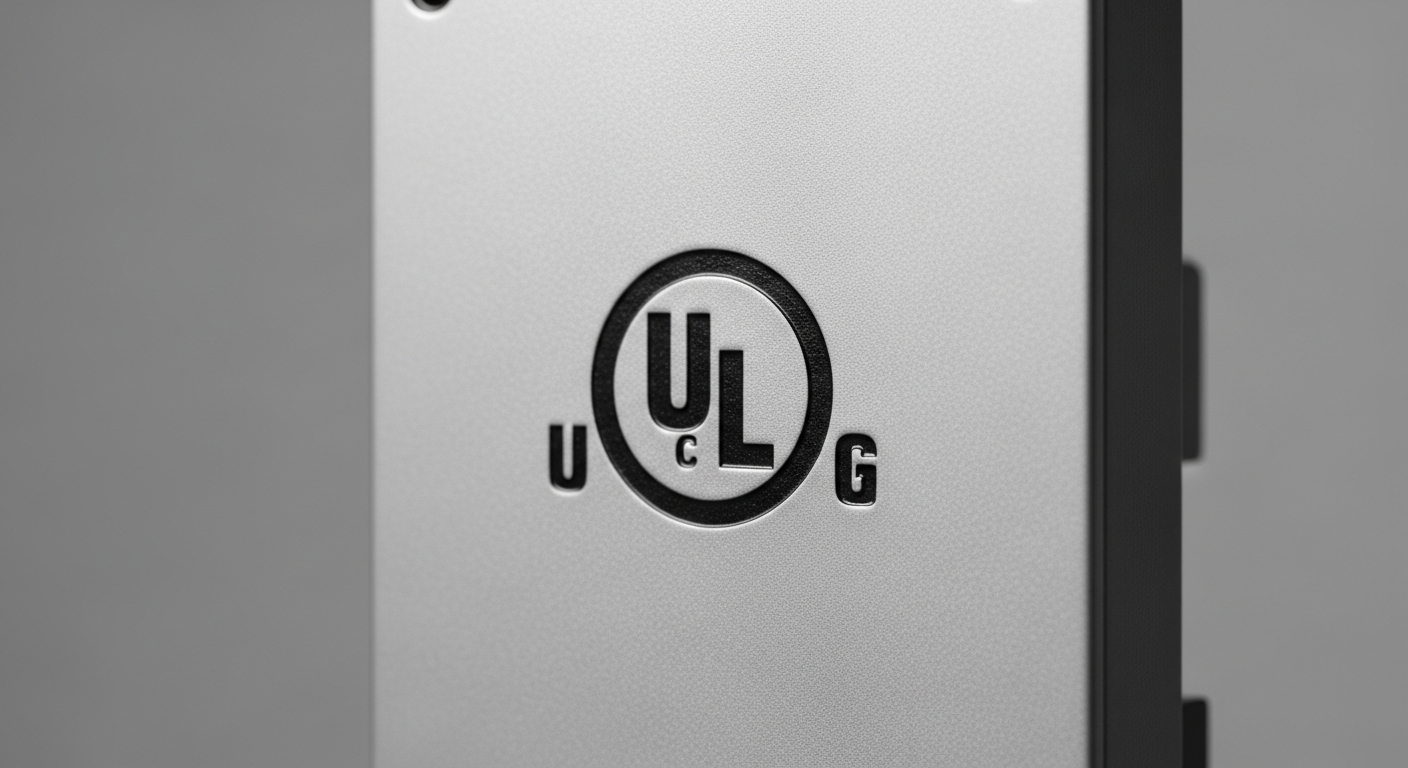
Once a product successfully passes all tests, it receives its UL certification. The device is then required to have a permanent label that clearly states its certification, the hazardous locations it is approved for (e.g., Class I, Division 1, Groups C, D), and its temperature code (T-rating).
- System Installation and Documentation:
For a complete system to be intrinsically safe, it must be installed according to control drawings. These diagrams specify the approved wiring, components (such as IS barriers), and parameters (like maximum capacitance and inductance) that must be followed to maintain the integrity of the safety rating.
Recommended Products Certified for Hazardous Locations
The following products from our catalog are certified for use in hazardous areas and are designed in accordance with the principles outlined in standards like UL 913:
| Product Category | Rating / Certification | Link |
|---|---|---|
| Class I Division 1 Rated Equipment | UL Certified for Class I, Division 1 | Shop Now |
Shop Certified Class I, Division 1 Equipment
Find UL-certified devices designed to meet the stringent requirements of hazardous locations. Ensure compliance and safety with equipment tested to the highest standards.
Frequently Asked Questions
What is the latest edition of UL 913?
The standard is updated periodically to reflect new technology and safety research. As of now, the 8th edition is the current version. It is crucial for engineers and safety managers to work with the latest edition to ensure compliance.
Is UL 913 the same as ATEX?
No, they are not the same, though they are based on similar principles. UL 913 is a US standard for intrinsic safety, while ATEX is the European Union’s directive for equipment in explosive atmospheres. While both aim to prevent ignition, their certification processes, markings, and specific requirements differ.
What kind of equipment does UL 913 cover?
UL 913 covers a wide range of low-power electrical equipment, including sensors, transmitters, measurement devices, communication tools like two-way radios and smartphones, flashlights, and the associated barriers or isolators that connect them to control systems.
How do I know if a product is UL 913 certified?
Certified products must bear a permanent marking from a Nationally Recognized Testing Laboratory (NRTL) like UL. This label will explicitly state its certification for intrinsically safe use in specific hazardous location Classes, Divisions, and Groups.
Does UL 913 apply to non-electrical equipment?
No, UL 913 is exclusively for electrical and electronic apparatus. Non-electrical equipment that could be an ignition source (e.g., from mechanical friction or static electricity) is covered by different standards and risk assessment methodologies, such as those outlined in NFPA and ISO standards.
The UL 913 standard is a critical safety framework that enables the use of electronic equipment in hazardous industrial environments. Its principles of strict energy limitation, fault tolerance, and rigorous testing ensure that certified devices will not become an ignition source. For any organization operating in hazardous locations in the US, understanding this standard is fundamental to protecting personnel, preventing major accidents, and ensuring compliance. This summary provides a starting point for confirming your equipment and safety protocols meet these requirements.