Intrinsically Safe Products
Explosion Proof Cable Glands: ATEX/IECEx Certified | ISS
How do explosion proof cable glands work to prevent a catastrophic event in a hazardous location? These components provide a secure termination point for electrical cables entering explosion-proof enclosures. Their primary function is not to be indestructible, but to maintain the integrity of the enclosure’s protection method. By creating a solid seal around the cable and a secure connection to the housing, they contain any internal ignition, preventing hot gases or sparks from escaping and igniting the surrounding flammable atmosphere. This containment is a fundamental safety principle in environments like oil refineries, chemical plants, and grain processing facilities, where a single spark could be disastrous.
Expand Your Hazardous Area Knowledge
Cable glands are part of a larger system. Deepen your understanding of the electrical requirements for classified locations to ensure total compliance and safety.
The Core Principle: Containing the Internal Blast
The fundamental concept behind an explosion proof cable gland is containment, not prevention. They are designed to withstand the pressure of an internal explosion within the enclosure they are fitted to. This design philosophy is outlined in standards such as IEC 60079-1, which defines the requirements for flameproof enclosures (‘d’ protection). The gland completes the flameproof barrier of the enclosure system. If flammable gas seeps into the enclosure and is ignited by an electrical component, the resulting explosion is contained. The gland, along with the enclosure’s joints, is designed with a precisely engineered ‘flame path’. This path is long and narrow enough to cool the escaping hot gases from the explosion, so by the time they reach the outside atmosphere, their temperature is too low to ignite the surrounding hazardous environment. This managed release of pressure prevents the enclosure from rupturing while neutralizing the ignition threat.
Key Components and Their Functions
An explosion proof cable gland is an assembly of several precision-engineered parts, each with a specific function for creating a safe and secure connection. Understanding these parts explains how the gland maintains safety in hazardous areas.
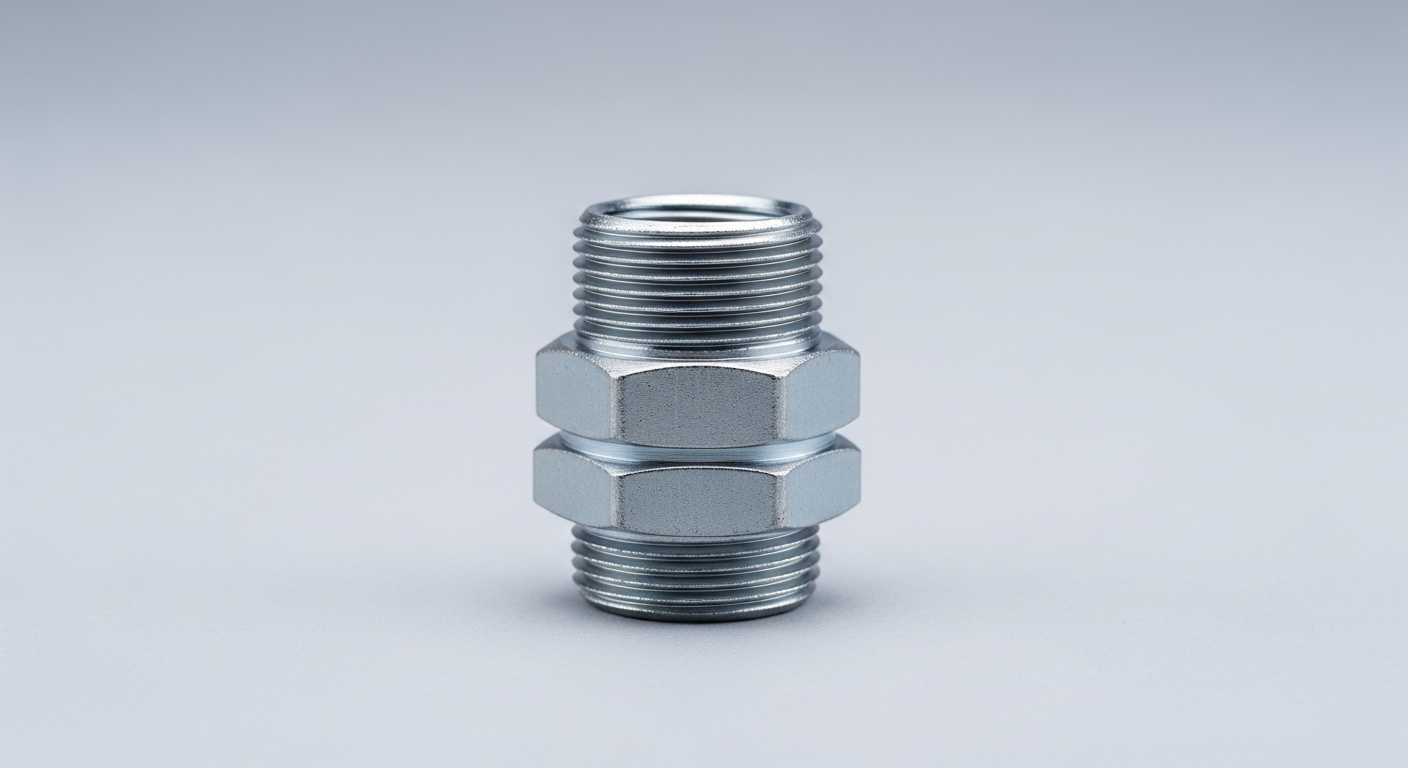
- Entry Body: This is the main threaded body of the gland that screws into the wall of the explosion-proof enclosure. Its threads must match the enclosure’s entry perfectly to maintain the flameproof integrity of the system.
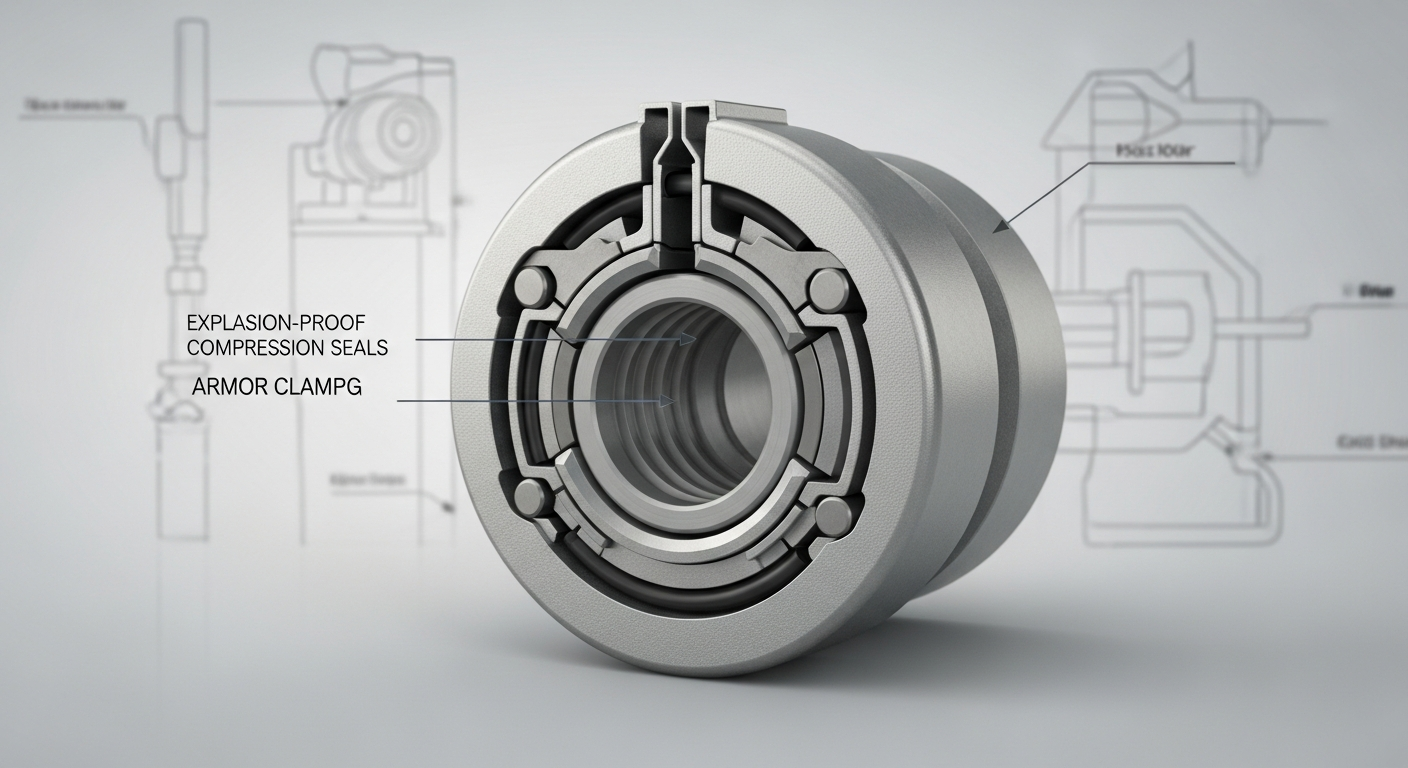
- Sealing Ring (Gasket): Typically made of durable neoprene or silicone, this compressible ring is the primary environmental seal. When the gland is tightened, this ring compresses around the cable’s outer jacket, preventing moisture, dust, and corrosive elements from entering the enclosure.
- Armor Clamping Mechanism: For armored cables (like SWA or MC-HL), this component is crucial. It consists of a cone and ring that firmly grip the cable’s metal armor, ensuring electrical continuity for grounding and providing strong mechanical retention to prevent the cable from being pulled out.
- Compression Nut/Back Nut: This is the final piece that, when tightened, applies pressure to both the sealing ring and the armor clamping mechanism. The precise application of torque on this nut activates the sealing and gripping functions of the gland, completing the installation.
The Sealing and Grounding Process Step-by-Step
Proper installation is not a recommendation; it is a mandatory requirement for safety. A gland that is improperly fitted will fail to provide the necessary protection. The process involves a sequence of precise actions to achieve both the flameproof seal and mechanical security.
- Cable Preparation: The cable’s outer sheath is carefully stripped back to expose a specific length of the inner bedding and the metal armor. The inner bedding is then removed to expose the inner sheath. Precision is key to ensure the components seat correctly.
- Component Assembly: The compression nut and other gland components are slid onto the prepared cable in the correct order. The armor is then splayed over the armor cone, which provides the anchor point for the clamping mechanism.
- Enclosure Installation: The main body of the gland is screwed tightly into the threaded entry of the explosion-proof enclosure, often using a sealing washer to ensure a high IP rating against environmental ingress.
- Final Compression and Clamping: The compression nut is tightened onto the gland’s entry body. This action simultaneously compresses the sealing ring around the cable’s inner sheath and clamps the armor securely between the cone and the body, creating a continuous ground path and a seal that can withstand explosive pressure.
Recommended Products for Hazardous Area Cabling
The following products from our catalog are certified for use in hazardous areas and directly relevant to this guide:
| Product Category | Rating / Certification | Link |
|---|---|---|
| Explosion Proof Cable Glands & Accessories | Multiple Certifications Available | Shop Now |
Shop Certified Explosion Proof Cable Glands
Ensure your installations meet the highest safety standards with our range of certified explosion proof cable glands, designed for reliability in the toughest environments.
Frequently Asked Questions
What is the main function of an explosion proof cable gland?
The main function is to securely attach a cable to an explosion-proof enclosure while maintaining the enclosure’s flameproof integrity. It creates a seal that contains any internal explosion, preventing it from igniting the hazardous atmosphere outside.
How is an explosion proof cable gland different from a standard one?
An explosion proof gland is engineered to withstand and contain the pressure of an internal explosion and cool escaping gases through a flame path. A standard cable gland only provides an environmental seal against dust and moisture and offers strain relief.
What materials are explosion proof cable glands made from?
They are typically manufactured from materials like brass, nickel-plated brass, or stainless steel to ensure high mechanical strength, corrosion resistance, and durability in harsh industrial environments. These materials can withstand the forces of an explosion.
Does the type of cable affect which gland I should use?
Yes, absolutely. The choice of gland depends on whether the cable is armored or unarmored. Armored cable glands include a special clamping mechanism for the armor to ensure grounding and pull-out resistance, which is not present in unarmored versions.
Are explosion proof and flameproof cable glands the same?
Yes, in the context of cable glands, the terms ‘explosion proof’ (common in North America under NEC/CEC standards) and ‘flameproof’ (used internationally under ATEX/IECEx standards) refer to the same protection concept: containing an internal explosion.
Chat for a Quote Call: 832-699-6726
The mechanics of an explosion proof cable gland center on a single, critical purpose: containment. These components are not merely cable connectors; they are integral parts of a facility’s safety infrastructure. Their function relies on containing internal explosive pressure, creating a flameproof seal with a precise flame path, and providing solid mechanical and electrical grounding for cables. Selecting and installing the correct certified gland is fundamental to maintaining safety in hazardous locations. Proper component selection and installation are non-negotiable for ensuring the system works as designed when it matters most.