Intrinsically Safe Products
Intrinsically Safe Cameras: ATEX & IECEx Guide (2026) | ISS
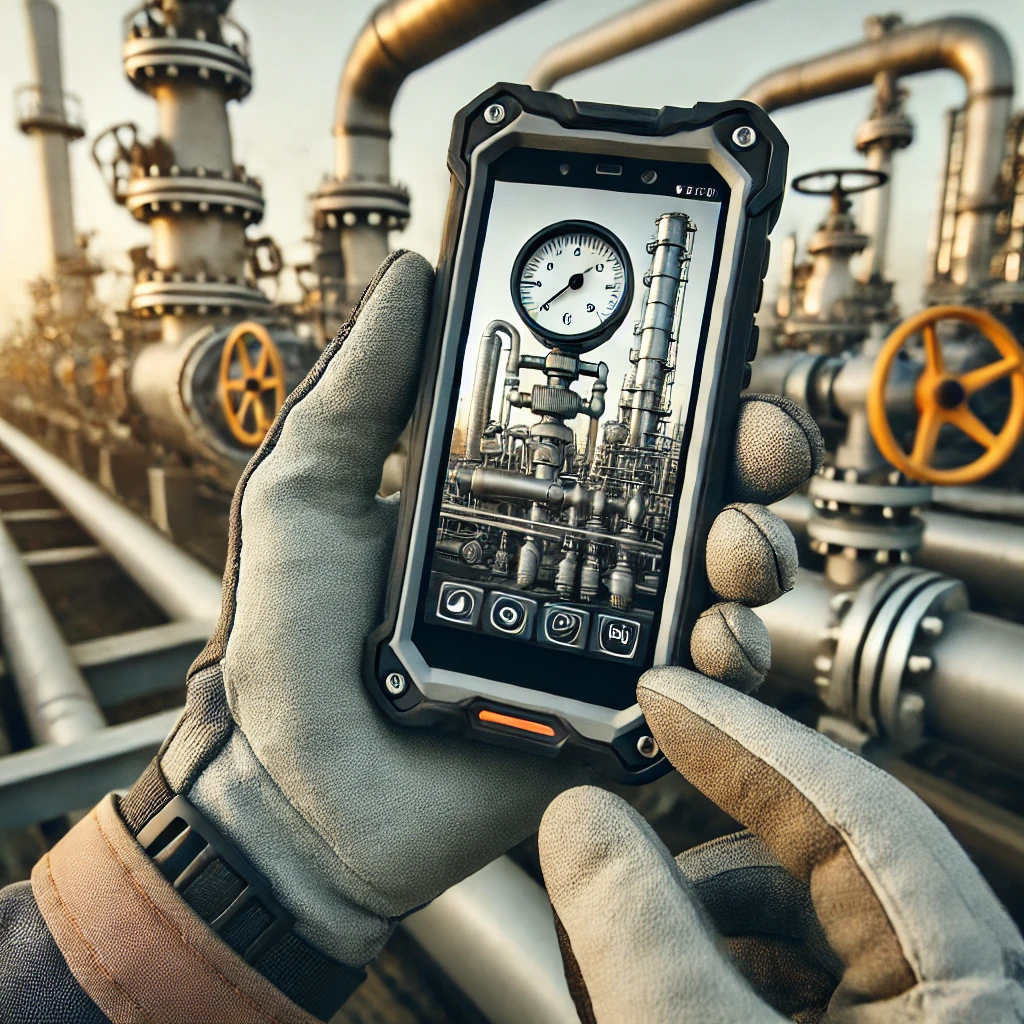
In industries such as oil and gas, chemical manufacturing, and mining, workers operate in hazardous environments where flammable gases, vapors, or dust can create explosion risks. Standard electronic devices, including cameras, can pose safety hazards due to heat generation, electrical faults, or static discharge that might ignite an explosive atmosphere.
This is why intrinsically safe cameras are essential. These cameras are specifically designed to operate safely in explosive atmospheres by meeting strict safety regulations. Whether used for equipment inspections, security monitoring, or thermal imaging, choosing the right intrinsically safe camera ensures both safety and compliance.
This comprehensive guide will cover:
- Why use intrinsically safe cameras?
- Differences between standard and intrinsically safe cameras.
- Types of intrinsically safe cameras (compact, thermal, CCTV).
- Comparison of top models available at the Intrinsically Safe Store.
- Industry-specific recommendations and frequently asked questions (FAQs).
By the end, you’ll be able to select the best intrinsically safe camera for your specific industrial needs.
Introduction: Understanding the Need for Specialized Imaging in Hazardous Areas
In high-risk industrial sectors, visual documentation and monitoring are not just operational tasks—they are critical safety functions. The presence of flammable materials means that any standard electronic device, including a camera, introduces a potential ignition source. Intrinsically safe cameras are engineered to neutralize this risk, allowing for essential visual data capture without compromising safety. These devices are built from the ground up with components that limit electrical and thermal energy to levels below what is required to ignite a specific hazardous atmospheric mixture. This guide provides a detailed overview of their technology, applications, and the key factors to consider when selecting the right camera for your Zone or Division-classified environment.
Why Use Intrinsically Safe Cameras?
An intrinsically safe camera is designed to prevent the release of energy (electrical or thermal) that could ignite hazardous environments. They are certified for use in explosive areas and offer several advantages:
- Enhanced Safety – Prevents sparks, overheating, or short circuits from triggering explosions.
- Regulatory Compliance – Meets global standards like ATEX and IECEx, as well as North American hazardous location classifications like Class I, Division 1.
- Operational Continuity – Enables safe inspections and monitoring without shutting down production.
What industries need intrinsically safe cameras?
- Oil & Gas – Used in pipeline inspections, offshore rigs, and refineries.
- Chemical Plants – Prevents ignition risks in flammable liquid storage and processing facilities.
- Mining – Essential for underground inspections in methane-rich environments.
- Manufacturing – Helps with equipment monitoring in dust-prone factories.
- Pharmaceuticals – Used in cleanroom inspections where explosive substances are handled.
Without intrinsically safe cameras, inspections and monitoring become dangerous or even impossible, leading to higher risks and operational downtime.
Differences Between Standard and Intrinsically Safe Cameras
Using a standard camera in a hazardous area is a major safety risk. Here’s how they differ:
| Feature | Standard Camera | Intrinsically Safe Camera |
|---|---|---|
| Risk of Ignition | High – Can cause sparks or overheating | Low – Engineered to prevent ignition |
| Certifications | None | ATEX, IECEx, C1D1, and similar safety approvals |
| Usage Areas | Safe environments only | Explosion-prone environments |
| Build Quality | Plastic or standard metals | Built with anti-static, reinforced casings designed to prevent sparks and limit energy. |
Can I use a regular camera in hazardous locations?
No! A standard camera can create a spark, overheat, or cause electrical discharge, leading to an explosion. Intrinsically safe cameras are mandatory for hazardous environments.
Types of Intrinsically Safe Cameras
Different types of intrinsically safe cameras serve different industrial purposes.
1. Compact Digital Cameras
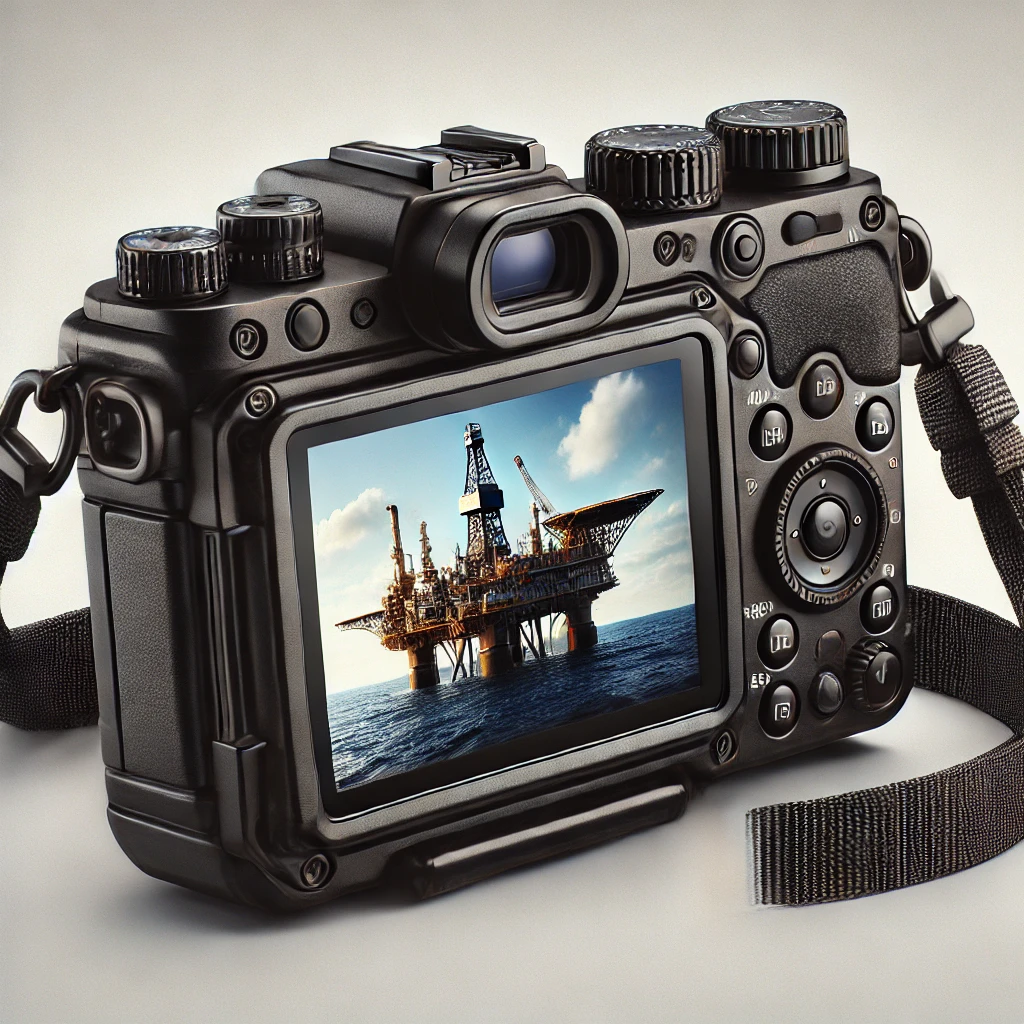
- Description – Small, portable cameras for taking images in hazardous zones.
- Best For – Field inspections, equipment documentation, and close-up photography.
- Example Model – Ecom Smart-Ex® 03 (13 MP camera, ATEX-certified).
2. Thermal Imaging Cameras
- Description – Detects heat patterns and temperature variations using infrared sensors.
- Best For – Identifying overheating equipment, insulation faults, and gas leaks.
- Example Model – FLIR Cx5 (Thermal + Visual Imaging, ATEX Zone 2/22).
How do I choose the right intrinsically safe camera?
- Compact Cameras → For field inspections and portable use.
- Thermal Cameras → For equipment maintenance and gas detection.
Explore Our Full Range of Certified Cameras – compact, thermal, or CCTV.
Comparison of Top Intrinsically Safe Cameras
| Model | Type | Certifications | Key Features | Best For |
|---|---|---|---|---|
| Ecom Smart-Ex® 03 | Compact Digital | ATEX Zone 1/21; NEC Class I, Division 1 | 13 MP rear camera, rugged design | Field inspections, documentation |
| FLIR Cx5 | Thermal Imaging | ATEX Zone 2/22 | Thermal and visual imaging, MSX® image enhancement | Equipment maintenance, gas leaks |
Key Features & Benefits of Intrinsically Safe Cameras
Beyond their core safety function, intrinsically safe cameras are equipped with features designed for demanding industrial environments. Understanding these features helps in selecting a device that not only meets compliance standards but also enhances operational efficiency.
Core Features to Look For
- Robust Certifications: Look for explicit ATEX, IECEx, or North American (Class/Division) certifications appropriate for your specific hazardous locations. This is non-negotiable for compliance.
- Rugged Construction: Devices often feature reinforced, anti-static casings and are drop-tested. Many carry high IP ratings (e.g., IP67) for dust and water resistance, ensuring durability in harsh conditions.
- High-Resolution Imaging: Modern intrinsically safe cameras offer high-megapixel sensors and quality optics for clear, detailed images and video, crucial for accurate inspections and documentation.
- Long Battery Life: Extended battery performance is vital for full-shift operation without the need for recharging in a safe area, minimizing downtime.
- Advanced Functionality: Many models now include features like thermal imaging, Wi-Fi/Bluetooth connectivity for rapid data transfer, and compatibility with specialized industrial software.
Primary Benefits for Your Operation
- Mitigated Explosion Risk: The primary benefit is the prevention of incidents, protecting personnel, assets, and the environment.
- Improved Inspection Efficiency: High-quality imaging allows for quicker and more accurate identification of faults, leaks, or wear and tear on equipment.
- Enhanced Data Management: Wireless connectivity options streamline the process of transferring images and reports from the field to a central system, improving workflow and record-keeping.
- Ensured Regulatory Compliance: Using certified equipment is mandatory in many regions and industries, helping avoid fines and legal liabilities.
Need help selecting the best intrinsically safe camera for your workplace? Get a Custom Quote for Your Application.
Industry-Specific Recommendations
Oil and Gas Industry
- Recommended Camera: Ecom Smart-Ex® 03
- Why? Portable, ATEX-certified, and perfect for pipeline and refinery inspections.
Mining Industry
- Recommended Camera: FLIR Cx5
- Why? Detects overheating machinery and gas leaks in underground environments.
Still have questions about intrinsically safe cameras? Talk to a Hazardous Area Specialist.
Frequently Asked Questions (FAQs)
What makes a camera intrinsically safe?
An intrinsically safe camera is designed to eliminate ignition risks by:
- Using low-energy circuits to prevent sparks.
- Having sealed housings that prevent flammable gas exposure.
- Meeting certifications like ATEX, IECEx, and Class/Division ratings for use in hazardous areas.
How long do intrinsically safe cameras last?
- Compact cameras: Typically 8-12 hours per charge.
- Thermal cameras: 5-10 hours, depending on infrared usage.
- CCTV cameras: Designed for continuous operation with wired power.
Are intrinsically safe cameras waterproof?
Yes! Most have IP66 or IP67 ratings, making them waterproof and dust-resistant for outdoor and industrial use.
Can intrinsically safe cameras be used in underground mining?
Absolutely! They are essential for underground inspections, helping detect faults in mining equipment and tunnel structures while preventing explosion risks.
Where can I buy intrinsically safe cameras?
You can find certified intrinsically safe cameras at the Intrinsically Safe Store.