Intrinsically Safe Products
Intrinsically Safe Phone Cases | C1D1/ATEX Rated | 2026 Models
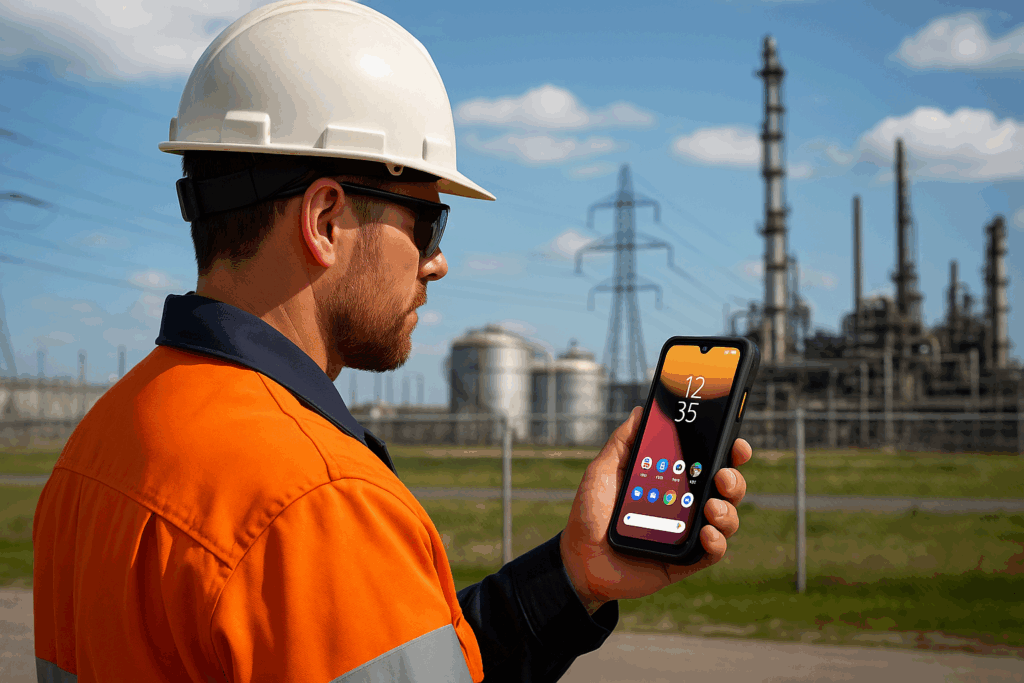
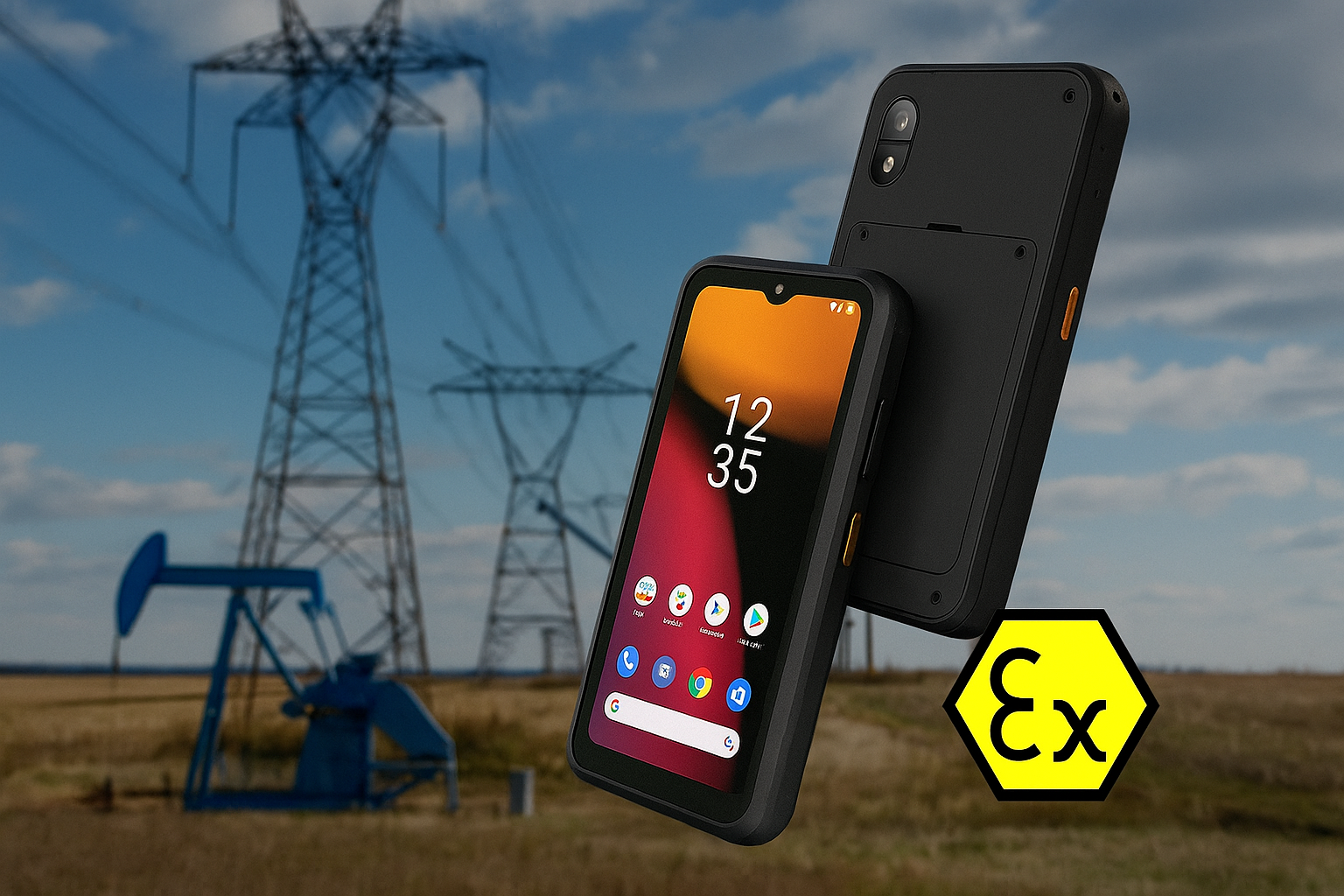
In today’s industrial workplaces—whether in oil rigs, chemical plants, or mining facilities—smartphones have become essential tools for communication, data capture, and workflow management. However, using a standard device in a hazardous location can pose serious safety risks.
Browse Certified Android Cases for Hazardous Areas →
Browse Certified iPhone Cases for Hazardous Areas →
That’s where an intrinsically safe smartphone case comes in. Designed to meet ATEX Zone 2 and C1D2 certification standards, these cases ensure your mobile device can safely operate in potentially explosive environments without becoming an ignition source.
In this guide, we’ll explore the best intrinsically safe smartphone cases available at Intrinsically Safe Store, comparing pricing, compatibility, and certifications—so you can choose the right solution for your team.
Do You Need an Intrinsically Safe Case or Phone?
One of the first decisions for any organization is whether to equip teams with a certified case for an existing consumer device or invest in a dedicated intrinsically safe smartphone. Each approach has distinct advantages.
- Intrinsically Safe Cases: A cost-effective solution (typically under $900) that allows you to use familiar devices like iPhones and Samsung Galaxy phones. They are ideal for Zone 2 or Class I Division 2 areas where explosive hazards are present only under abnormal conditions. This option provides maximum flexibility and minimizes training time.
- Intrinsically Safe Phones: These are purpose-built devices certified for higher-risk environments, such as Class I Division 1 or ATEX Zone 1, where hazardous materials are present continuously. While more expensive, they offer integrated rugged features and the highest level of safety assurance.
For most industrial applications in Zone 2 environments, a certified case offers the perfect balance of safety, cost, and functionality.
What Is an Intrinsically Safe Smartphone Case?
An intrinsically safe smartphone case is a protective enclosure engineered to limit energy, temperature, and electrical discharge, ensuring that a device cannot ignite surrounding gases, vapors, or dust.
These cases allow standard consumer phones—like iPhones or Samsung Galaxy models—to be safely used in hazardous zones without altering the phone’s internal hardware.
In short: Intrinsically safe cases make everyday smartphones explosion-proof for use in regulated industries.
Why Are Intrinsically Safe Smartphone Cases Essential in Hazardous Areas?
Industrial sectors such as oil & gas, chemical processing, utilities, and pharmaceuticals deal with explosive gases and dust regularly. Unprotected electronic devices can generate sparks or heat, creating fire hazards.
Intrinsically safe smartphone cases:
-
Enable safe use of communication apps, barcode scanners, and cameras on-site.
By pairing your smartphone with a certified protective case, you can confidently comply with international safety regulations while maintaining operational flexibility.
Which Certifications Apply to Intrinsically Safe Cases?
| Certification | Region | Description | Common Zone |
|---|---|---|---|
| ATEX | European Union | Equipment approved for explosive atmospheres | Zone 1, Zone 2 |
| IECEx | Global | Equivalent to ATEX, recognized internationally | Zone 1, Zone 2 |
| C1D2 (Class I, Division 2) | North America | Areas where explosive gases are present abnormally | Division 2 |
The smartphone cases featured on Intrinsically Safe Store are ATEX Zone 2 certified, with some also meeting C1D2compliance—making them suitable for global operations.
Decoding Certifications: Class I Div 1 vs. Zone 1
While the cases discussed here are rated for Zone 2 and Division 2, it’s crucial to understand the requirements for higher-risk areas. ATEX Zone 1 and Class I Division 1 are classifications for environments where explosive atmospheres are likely to occur during normal operations. In these settings, regulations mandate the use of devices specifically engineered and certified as intrinsically safe from the ground up—not standard devices in a case.
For Zone 1/Div 1 environments, you must deploy purpose-built intrinsically safe phones. Cases are not a compliant solution for these high-risk zones. Always conduct a site assessment to confirm the correct hazardous area classification before procuring equipment.
ATEX vs IECEx Explained
What is Class 1 Div 1?
ATEX Zone 1 vs Zone 2
Top Intrinsically Safe Phone Cases 2025
Key Considerations for Industrial Environments
Beyond explosion-proof certification, an effective hazardous area case must withstand the physical demands of industrial work. When selecting a case, evaluate its performance in three critical areas.
Drop Protection, Battery Life, and Usability
- Drop Protection & Ruggedness: Look for cases constructed from durable materials like polycarbonate or aluminum that offer shock absorption. Many are designed to meet military standards (MIL-STD-810G) for drop and vibration resistance, protecting the device from accidental damage on concrete floors or metal scaffolding.
- Battery Life: The case itself does not contain a battery, but its design should not impede charging. Ensure the charging ports are easily accessible through a secure seal. Since opening the case in a hazardous area is prohibited, reliable port access is essential for keeping the device powered through long shifts.
- Usability: The best cases offer robust protection without compromising functionality. Check for tactile buttons that are easy to press with gloves, a screen protector that maintains touch sensitivity, and clear access to cameras and scanners. The goal is seamless operation, allowing workers to perform tasks efficiently without removing the device from its protective enclosure.
Top Rated Cases for iPhone and Samsung Galaxy in 2026
Below is a detailed comparison of the most popular and reliable intrinsically safe smartphone cases for 2026, curated by the experts at Intrinsically Safe Store.
These models balance rugged protection, certification, and cost—ideal for high-risk industries requiring mobile technology in hazardous locations.
Comparison Table: Intrinsically Safe Smartphone Cases
| Model | Compatible Device | Certification | Zone | Price (USD) | Case Type | Best For |
|---|---|---|---|---|---|---|
| Xciel iPhone 14 ATEX Zone 2 | iPhone 14 | ATEX Zone 2 | Zone 2 | $780.00 | Rugged sealed case | Oil & gas inspections |
| Xciel iPhone 13 ATEX Zone 2 Case | iPhone 13 | ATEX Zone 2 | Zone 2 | $837.00 | Hard-shell case | Industrial monitoring |
| Xciel iPhone 12 Case | iPhone 12 | ATEX Zone 2 | Zone 2 | $837.00 | Ruggedized polycarbonate | Field service |
| Xciel iPhone 11 Case ATEX Zone 2 | iPhone 11 | ATEX Zone 2 | Zone 2 | $837.00 | Shock-resistant | Maintenance operations |
| Intrinsically Safe iPhone 11 Pro Max Case | iPhone 11 Pro Max | ATEX Zone 2 | Zone 2 | $891.00 | Heavy-duty aluminum | Refineries and offshore sites |
| Intrinsically Safe iPhone SE 2nd Gen Case | iPhone SE (2nd Gen) | ATEX Zone 2 | Zone 2 | $789.50 | Compact and durable | Supervisors and contractors |
| Intrinsically Safe Store XCiPhone 15 Case | iPhone 15 | ATEX Zone 2 | Zone 2 | $837.00 | Advanced impact protection | Field engineers |
| Intrinsically Safe Samsung Galaxy S10 Case | Galaxy S10 | ATEX Zone 2 | Zone 2 | $789.50 | Rugged composite case | Industrial automation |
| Intrinsically Safe Samsung Galaxy S9 Case | Galaxy S9 | ATEX Zone 2 | Zone 2 | $759.86 | Reinforced enclosure | Manufacturing zones |
| Intrinsically Safe Samsung Galaxy S8 Case | Galaxy S8 | ATEX Zone 2 | Zone 2 | $785.00 | Lightweight build | Energy sector teams |
Chat with a Specialist for a Custom Quote 💬
Explore Certified Tablets for Zone 1/2 →
Call Our Experts: (832) 699-6726 📞
Best Choice by Device Type
| Device Type | Recommended Case | Key Features |
|---|---|---|
| Latest iPhone Models (14–15) | Xciel iPhone 14 / XCiPhone 15 | Modern ATEX-certified builds for current iPhones |
| Mid-Range iPhones (11–13) | Xciel iPhone 11–13 Series | Proven reliability and global compliance |
| Compact iPhones (SE) | Intrinsically Safe iPhone SE Case | Budget-friendly, compact, durable |
| Samsung Galaxy Series | Intrinsically Safe Samsung S8–S10 Cases | Popular among Android enterprise users |
How Do Intrinsically Safe Cases Work?
They achieve this through:
-
Sealed housing designs that isolate potential ignition sources.
-
Shock-absorbing materials (like reinforced polycarbonate and aluminum).
-
Heat dissipation systems to maintain safe surface temperatures.
Each case undergoes ATEX Zone 2 testing, ensuring no internal sparks or excessive heat can escape even during fault conditions.
Where Can Intrinsically Safe Smartphone Cases Be Used?
| Industry | Common Use Cases | Example Applications |
|---|---|---|
| Oil & Gas | Field data entry, inspections | Rig communication, equipment checks |
| Chemical Manufacturing | Production monitoring | Maintenance logs, barcode scanning |
| Mining | Underground communication | Safety reporting, digital mapping |
| Utilities & Energy | Infrastructure maintenance | Asset tracking, work orders |
| Pharmaceuticals | Cleanroom environments | Quality control, digital audits |
These cases extend the usability of everyday devices into hazardous zones while preserving data access, communication, and workflow efficiency.
How Much Do Intrinsically Safe Smartphone Cases Cost?
Prices range from $759 to $891 USD, depending on model and certification level.
| Price Range | Typical Models | Key Benefit |
|---|---|---|
| $750–$800 | Samsung Galaxy S8–S10, iPhone SE | Cost-effective ATEX Zone 2 protection |
| $830–$850 | iPhone 11–13 Series | Modern, rugged, balanced performance |
| $880–$900 | iPhone 11 Pro Max | Premium-grade, maximum durability |
Compared to purchasing intrinsically safe smartphones that can exceed $2,000, these cases are a cost-efficient solutionthat converts your existing device into a compliant tool.
Are Intrinsically Safe Cases Easy to Install and Use?
Yes. These cases are designed for field operability.
-
Installation requires no tools or technical expertise.
-
All buttons, cameras, and touchscreens remain fully functional.
-
Charging and connectivity ports are easily accessible through sealed covers.
Each model maintains full wireless capability—Wi-Fi, 5G, Bluetooth, and NFC remain unaffected.
FAQs About Intrinsically Safe Smartphone Cases
1. Can I use my phone outside the hazardous zone with the case on?
Absolutely. These cases are lightweight and rugged enough for continuous use both in and out of explosive zones.
2. Are these cases waterproof?
Yes. Most models meet IP64 or IP67 standards, offering protection from dust, splashes, and temporary immersion.
3. What’s the difference between ATEX Zone 1 and Zone 2?
Zone 1 environments have frequent exposure to explosive gases, while Zone 2 environments only have occasional exposure. All listed cases are certified for Zone 2, the most common industrial classification.
4. Do these cases affect phone performance?
No. The design ensures clear audio, responsive touchscreens, and uninterrupted network signals.
5. Can I get bulk pricing or enterprise solutions?
Yes. Businesses can submit an RFQ (Request for Quotation) to receive customized pricing and logistics support for large-scale deployments.
How to Request a Quote (RFQ) for Intrinsically Safe Smartphone Cases
Getting a quote through Intrinsically Safe Store is simple:
-
Visit the Intrinsically Safe Cases category page.
-
Select your preferred iPhone or Samsung model.
-
Click “Request Quote” on the product page.
-
Provide details such as required quantity, operational zone, and delivery location.
-
Receive a tailored quote with documentation and lead times from the ISS team.
This ensures your organization receives compliance-verified equipment and the best possible value.
Why Choose Intrinsically Safe Store (ISS)?
Intrinsically Safe Store is recognized globally for:
-
Certified explosion-proof and intrinsically safe products.
-
Expert technical support for ATEX, IECEx, and C1D2 compliance.
-
Fast, reliable shipping to global industrial hubs.
-
RFQ assistance for enterprise-scale projects.
Every case listed is rigorously tested to exceed industry safety standards—helping companies deploy technology safely in high-risk environments.
Chat with a Specialist for a Custom Quote 💬
Explore Certified Tablets for Zone 1/2 →
Call Our Experts: (832) 699-6726 📞
Conclusion: Stay Connected, Stay Safe
Choosing the right intrinsically safe smartphone case empowers your workforce to operate safely and efficiently across hazardous zones. Whether you rely on Apple or Samsung devices, Intrinsically Safe Store offers certified solutions that ensure compliance without compromising performance.