Intrinsically Safe Knowledge Base
IS vs XP Cost Analysis (2026) | TCO Savings
When selecting a protection method for hazardous locations, the choice usually comes down to intrinsic safety (IS) or explosion-proof (XP) enclosures. Both are proven ways to prevent ignition in explosive atmospheres, but the total intrinsically safe vs explosion proof cost is a key factor that goes far beyond the initial price tag. To make the right investment, you need to consider the full financial picture, from procurement and installation to maintenance and long-term operations. This analysis breaks down the total cost of ownership for both systems to help you determine which approach provides the best value for your application without compromising safety.
Explore the Core Differences
Before analyzing costs, understand the fundamental protection methods. Our detailed guide compares the principles behind Intrinsic Safety and Explosion-Proof designs.
Breaking Down the Initial Equipment Costs
Looking at individual component prices can be misleading. A single explosion-proof enclosure might be cheaper than an intrinsically safe barrier or isolator, but that’s not the whole story. An IS system works by limiting energy at the source, so the field device (like a sensor or transmitter) doesn’t need to be as heavily constructed. An XP system, on the other hand, relies on heavy-duty containment, meaning every component—conduit, fittings, and seals—must be rated for that purpose. A true initial cost comparison has to look at the entire bill of materials. As defined in NFPA 70 Article 504, an intrinsically safe system includes the IS apparatus, the associated apparatus (barriers), and the interconnecting wiring. These components are often lighter and less expensive than what’s required for an XP setup.
The Hidden Costs of Installation and Commissioning
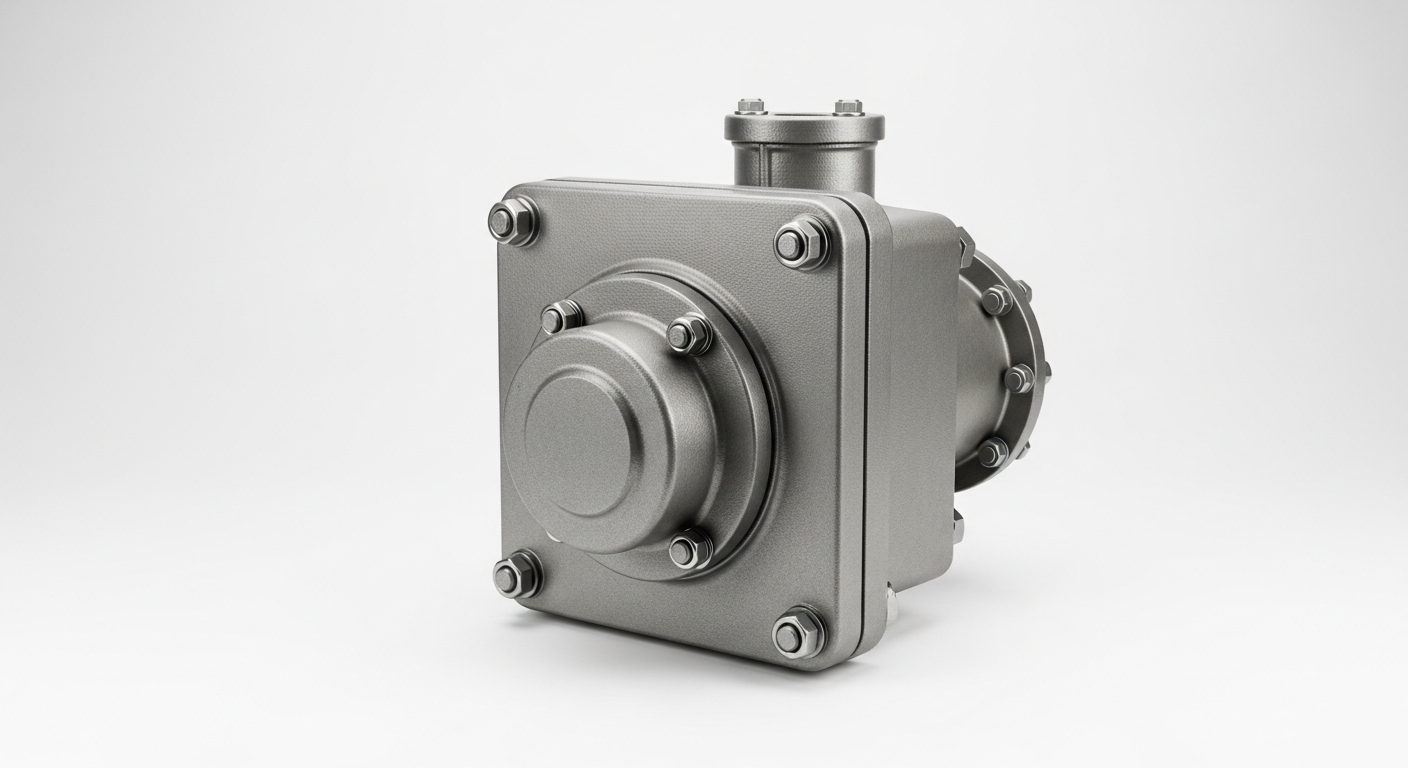
The cost difference between IS and XP systems really shows up during installation. Explosion-proof installations are labor-intensive and require specialized skills to ensure compliance and safety. The main cost drivers are:
- Heavy Conduit and Fittings: XP systems require rigid metallic conduit and explosion-proof fittings. These materials are heavy, expensive, and require significant time to cut, thread, and assemble correctly.
- Sealing Requirements: Pouring conduit seals is a critical and time-consuming step. It requires precision to prevent flammable gases from traveling through the conduit system, and any errors can compromise the entire installation.
- Specialized Labor: Electricians installing XP systems must be highly trained in these specific techniques. This specialized labor comes at a premium cost compared to standard wiring practices.
- Weight and Structural Support: The weight of explosion-proof enclosures and conduit often requires additional structural support, adding another layer of cost and complexity to the project.
On the other hand, intrinsically safe wiring is much simpler and cheaper to install. It can often be run in standard cable trays or light conduit, without the need for the heavy-duty components and seals required for XP systems. This means faster installation and lower labor costs.
Long-Term Maintenance and Operational Expenses
Total cost of ownership doesn’t stop after installation. Maintenance and operational flexibility are where intrinsically safe systems often have a clear advantage. Since IS circuits are low-energy by design, they can be serviced and calibrated live, without a ‘hot work’ permit or shutting down the process. This significantly reduces downtime and the associated production losses.
- Live Maintenance: Technicians can work on IS circuits without de-energizing them, making troubleshooting, calibration, and component replacement faster and more efficient.
- Simplified Inspections: Inspecting an XP system requires carefully checking every seal, flange, and bolted connection for damage or corrosion. IS system inspections are much simpler, focusing on barrier integrity and proper wiring, which is less prone to physical degradation.
- Ease of Modification: Adding or changing devices in an IS system is relatively straightforward. With XP systems, any modification requires breaching the containment system, which means new seals and recertification, adding significant time and expense.
- Reduced Downtime: The ability to perform live maintenance means scheduled downtime can be minimized or eliminated, a massive operational benefit in continuous process industries.
Recommended Products for Hazardous Area Safety
The following products from our catalog are certified for use in hazardous areas and directly relevant to this guide:
| Product Category | Rating / Certification | Link |
|---|---|---|
| Class I Division 1 Equipment | Class I Division 1 | Shop Now |
| Explosion-Proof Junction Boxes | ATEX / IECEx / Class I Div 1 | Shop Now |
Shop Certified Hazardous Area Equipment
Find the right certified equipment for your Class I Division 1 environment. Our catalog includes a wide range of intrinsically safe and explosion-proof solutions.
Frequently Asked Questions
Is intrinsically safe always cheaper than explosion proof?
Not necessarily for the initial component cost. A single IS barrier can be more expensive than a small XP enclosure. However, when factoring in the reduced cost of wiring, installation labor, and long-term maintenance, the total cost of ownership for an IS system is often significantly lower.
Which is safer, intrinsically safe or explosion proof?
Both methods are considered equally safe when designed, installed, and maintained correctly according to relevant standards. The choice depends on the application. Intrinsic safety prevents the ignition from occurring in the first place, while explosion-proof enclosures contain an explosion if it happens.
Can you use standard wiring with intrinsically safe devices?
You cannot use standard wiring practices throughout the entire circuit. While IS wiring is simpler than XP conduit, it must still be installed according to specific codes, like segregation from higher-energy circuits, to maintain the integrity of the low-energy protection method.
Why is explosion proof installation so expensive?
The high cost comes from three main areas: the expense of heavy-duty rigid metal conduit and certified fittings, the intensive labor required for proper assembly and sealing, and the need for highly trained electricians who specialize in these complex, safety-critical installations.
Does maintenance cost more for explosion proof systems?
Yes, significantly more. Maintenance often requires a complete shutdown of the process area and a hot work permit. Furthermore, inspecting the integrity of every seal and bolted connection is time-consuming and must be done meticulously to ensure the system’s containment capability remains intact.
Final Thoughts on Cost
An explosion-proof enclosure might look cheaper when comparing single components, but a total cost of ownership analysis usually tells a different story. The major savings in installation labor, wiring materials, and long-term maintenance flexibility often make an intrinsically safe system the more economical choice in the long run. The high labor costs of XP installation and the operational benefits of live maintenance for IS circuits are critical points to consider. Ultimately, evaluating the entire system—not just the initial hardware price—is the only way to make an informed decision that balances safety with the long-term intrinsically safe vs explosion proof cost.