Intrinsically Safe Knowledge Base
NEC 501 Wiring Methods: Class I Div 1/2 Guide | ISS
The National Electrical Code (NEC), specifically Article 501, sets the standard for electrical installations in Class I hazardous locations where flammable gases or vapors are present. Adherence to these standards is a critical requirement for preventing explosions and ensuring worker safety. For engineers and technicians, understanding the approved wiring methods in the NEC is essential for designing and maintaining compliant systems. These methods focus on containing potential ignition sources by using heavy-duty containment systems like rigid metal conduits and specialized sealing fittings. This guide covers the core requirements of Article 501, including approved wiring techniques, the function of conduit seals, and the types of equipment required for safe operation in these high-risk environments to ensure your installations are both safe and compliant.
Beyond NEC 501: Understanding Equipment Certifications
NEC Article 501 dictates wiring practices, but standards like UL 913 define the intrinsic safety of the equipment itself. Understanding these related certifications is crucial for complete system safety.
Core Principles of NEC Article 501 for Hazardous Locations
The primary goal of NEC Article 501 is to prevent electrical systems from becoming an ignition source in environments containing flammable gases or vapors. This is achieved through containment, ensuring that any spark or arc is confined within an enclosure strong enough to withstand an internal explosion without igniting the surrounding atmosphere. According to NFPA 70 Article 501, all wiring methods must follow strict guidelines regarding enclosures, conduits, seals, and grounding. For Class I, Division 1 locations, the requirements are the most stringent, typically mandating the use of threaded rigid metal conduit (RMC) or intermediate metal conduit (IMC). These conduits create a flame path that cools hot gases escaping from an internal event, preventing them from igniting the external hazardous atmosphere. Furthermore, proper sealing is a critical aspect of these installations, isolating different parts of the conduit system to stop the passage of gases and flames.
Key Approved Wiring Methods for Class I Locations
Selecting the correct wiring method is critical for NEC compliance and operational safety. Article 501 outlines several approved approaches, with the specific choice depending on whether the area is classified as Division 1 or Division 2. Below are the most common and essential methods used in Class I hazardous locations.
- Threaded Rigid Metal Conduit (RMC): This is the most common and heavy-duty method for Class I, Division 1 areas. The thick walls of RMC provide excellent physical protection and the threaded connections are essential for maintaining the integrity of the explosion-proof system. All joints must have at least five full threads engaged to ensure a proper flame path.
- Explosion-Proof Enclosures: All terminations, splices, and devices like switches or receptacles must be housed in enclosures specifically listed for Class I locations. These enclosures are designed to contain an internal explosion and prevent the propagation of flame to the outside environment.
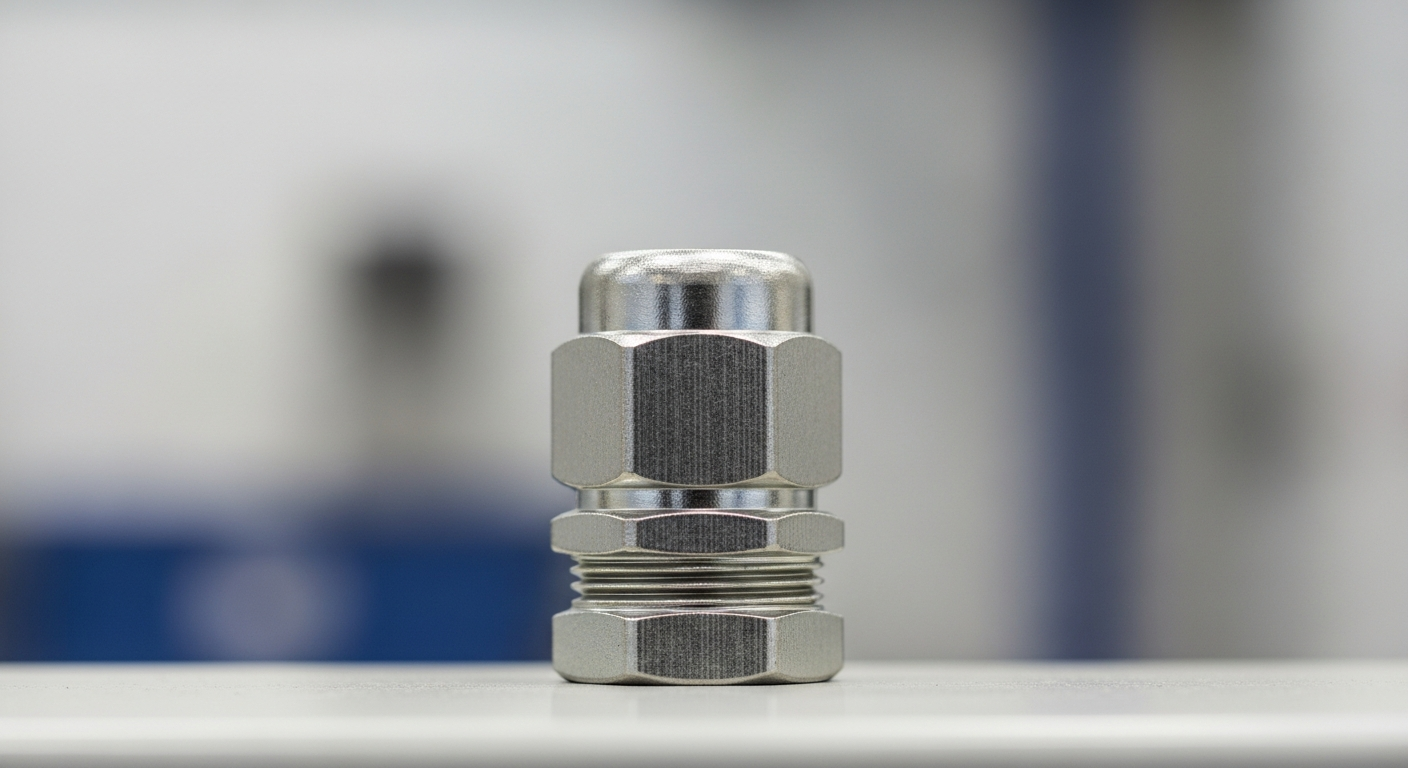
- Conduit Sealing Fittings: Seals are required to minimize the passage of gases and vapors and to prevent the passage of flames from one portion of the conduit system to another. They are typically installed within 18 inches of an enclosure and are filled with a specialized sealing compound.
- Proper Grounding and Bonding: A reliable equipment grounding conductor is mandatory to provide a safe path for fault current and prevent static electricity buildup. Bonding jumpers are often required across flexible connections or points of loose connection to ensure electrical continuity throughout the system.
Steps for Installing a Compliant Conduit Seal
Properly installing a conduit seal is one of the most critical tasks in hazardous area wiring. A faulty seal compromises the entire explosion-proof system. Following a systematic procedure is essential for achieving a compliant and safe installation that effectively blocks the passage of flammable gases.
- Select the Correct Sealing Fitting: Choose a sealing fitting that is listed for the hazardous location classification (Class, Group) and is the appropriate size for the conduit. Ensure it is compatible with the wire insulation and the specific sealing compound being used.
- Prepare the Wires and Fitting: After pulling the conductors through the fitting, separate them to ensure the sealing compound can flow completely around each one. Use the fiber dam material supplied with the fitting to create a plug at the bottom, preventing the liquid compound from leaking out before it cures.
- Mix and Pour the Sealing Compound: Carefully mix the two-part sealing compound according to the manufacturer’s instructions. Pour the mixture into the sealing fitting slowly, ensuring it fills the entire chamber without creating voids or air bubbles. The fill level must meet the requirements specified by the manufacturer.
- Allow for Proper Curing: The compound must be allowed to cure for the time specified in the instructions before the circuit is energized. Curing times can vary significantly based on ambient temperature. Rushing this step can result in a failed seal that is ineffective at containing an explosion.
Recommended Products for Hazardous Area Wiring
The following products from our catalog are certified for use in hazardous areas and directly relevant to this guide:
| Product Category | Rating / Certification | Link |
|---|---|---|
| Explosion Proof Rigid Conduits | Class I Div 1 & 2, ATEX/IECEx | Shop Now |
| Explosion Proof Cable Glands | Class I Div 1 & 2, ATEX/IECEx | Shop Now |
Shop Certified Explosion-Proof Conduits
Our range of certified rigid conduits is designed for the toughest hazardous environments to help you meet NEC standards.
Frequently Asked Questions
What is the primary purpose of NEC Article 501?
The primary purpose of NEC Article 501 is to establish safety standards for the installation of electrical equipment and wiring in Class I hazardous locations. Its rules are designed to prevent electrical systems from igniting flammable gases or vapors by containing any sparks, arcs, or explosions within a sealed, explosion-proof system.
When is a conduit seal required in a hazardous area?
According to Article 501, conduit seals are required in several situations. They must be installed within 18 inches of any enclosure that produces arcs or sparks, where conduits pass from a hazardous to a non-hazardous area, and where a conduit of 2 inches or larger enters an enclosure.
Can I use flexible conduit in a Class I, Division 1 area?
Yes, but with strict limitations. Specially listed flexible fittings are permitted in Class I, Division 1 locations, but typically only for short connections (e.g., to a motor) to allow for movement or vibration. The length is usually restricted to a few feet, and it must be an explosion-proof flexible connector listed for the location.
What is the difference between Class I, Division 1 and Division 2 wiring?
Division 1 wiring methods are more stringent because hazardous materials are expected to be present during normal operation. This typically requires threaded rigid metal conduit. In Division 2, hazardous materials are only present in abnormal conditions, so less restrictive methods like enclosed and gasketed equipment may be permitted.
How often should hazardous area wiring be inspected?
While the NEC does not set a specific inspection frequency, industry best practices and standards like NFPA 70B recommend regular, periodic inspections. The frequency depends on the environment’s harshness and the equipment’s criticality, but annual visual inspections and more detailed inspections every 3-5 years are common.
Chat for a Quote Call: 832-699-6726
Properly applying NEC Article 501 is critical for anyone working with electrical systems in Class I hazardous locations. The principle of containment drives every decision, with rigid metal conduit, threaded fittings, and correctly installed seals forming the backbone of a safe installation. In these environments, there is no room for shortcuts. Every component must be listed for its intended use and every connection made with precision. Adhering to these standards protects the facility’s assets and, more importantly, the lives of personnel. A working knowledge of these NEC wiring methods is the best defense against the risks inherent to flammable atmospheres.