

Intrinsically Safe Knowledge Base
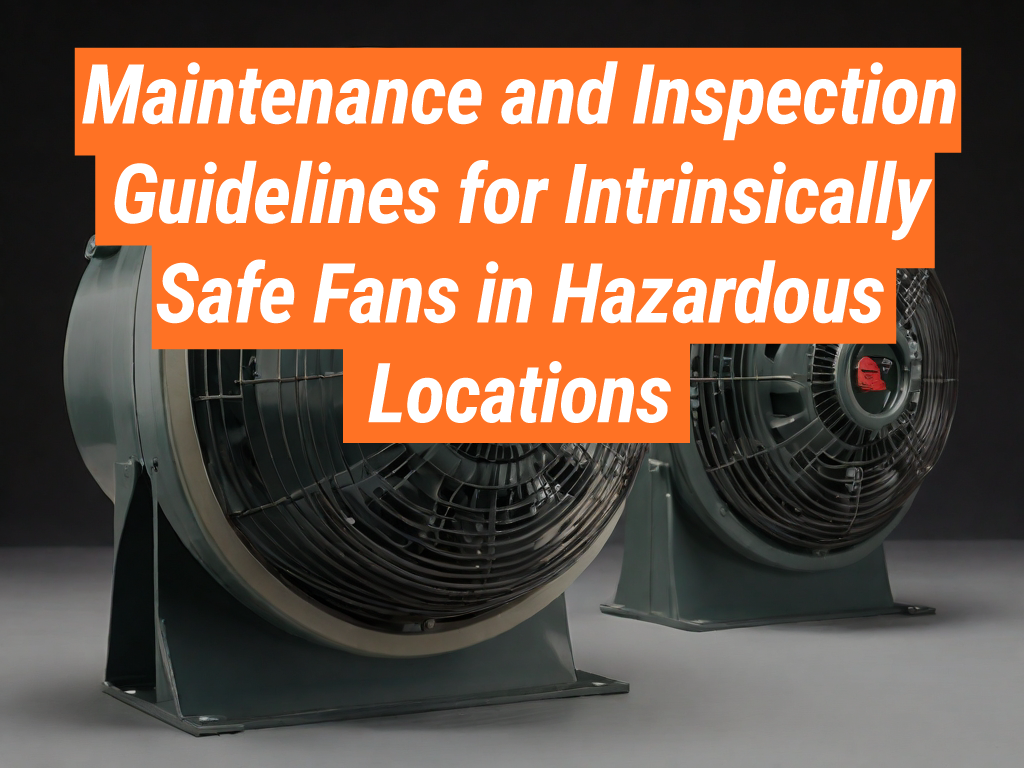
Intrinsically Safe Fan Maintenance Tips in Hazardous Locations
Introduction
When it comes to hazardous locations, safety is paramount. One of the key components that are a key component for maintaining safety in such environments is the use of hazardous area fans. These fans are designed to prevent ignition of flammable substances in the atmosphere, making them an essential tool in hazardous locations. This article, brought to you by the Intrinsically Safe Store, provides comprehensive guidelines on the maintenance and inspection of these critical devices. We invite you to visit our website for more information on intrinsically safe equipment.
Understanding Hazardous Area Fans
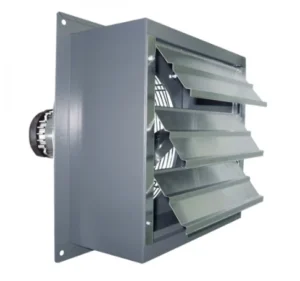
Hazardous area fans are specifically designed to operate in hazardous environments where there’s a high risk of fire or explosion. They are engineered to prevent the ignition of flammable gases, dust, or vapors, thereby helping to ensure the safety of the environment and the people working within it.
Key Features & Benefits of Explosion-Proof Fans
Explosion-proof fans are not just standard fans with a special label; they are engineered with specific features that deliver critical safety benefits in volatile environments. Understanding these characteristics is key to appreciating their role in industrial safety.
Core Features
- Non-Sparking Materials: Key components, particularly the fan blades and housing, are constructed from non-sparking materials like aluminum, brass, or specialized composites. This prevents the generation of mechanical sparks from friction or impact.
- Specialized Motors: Motors are certified for hazardous locations, often using an explosion-proof (Ex d) enclosure design which contains any internal ignition event and prevents it from reaching the surrounding flammable atmosphere.
- Grounding and Bonding: Proper grounding is integral to dissipate any static electricity that might build up during operation, another potential ignition source.
- Certified Compliance: These fans are rigorously tested and certified to meet stringent standards like ATEX for Europe or Class/Division/Zone ratings for North America (e.g., Class I, Division 1).
Primary Benefits
- Enhanced Safety: The foremost benefit is a significant reduction in the risk of explosions and fires, protecting personnel, equipment, and the entire facility.
- Regulatory Compliance: Using certified fans ensures compliance with national and international safety regulations, such as those from OSHA and the NFPA, avoiding fines and legal issues.
- Operational Reliability: Built for harsh industrial settings, these fans are durable and reliable, ensuring consistent ventilation which is often critical for process safety and worker comfort.
- Peace of Mind: Knowing that your ventilation system is specifically designed for hazardous conditions allows for safer and more confident operations.
Importance of Regular Maintenance and Inspection
Regular maintenance and inspection of hazardous area fans are crucial for several reasons:
- Ensuring the fan is operating at optimal efficiency
- Preventing potential safety hazards
- Extending the lifespan of the fan
- Reducing downtime due to unexpected breakdowns
Maintenance Guidelines
Proper maintenance of explosion-proof fans involves several steps:
- Regular Cleaning: Dust and debris can accumulate on the fan blades, reducing its efficiency. Regular cleaning ensures optimal performance.
- Inspection of Fan Blades: Regularly inspect the fan blades for any signs of wear or damage. Replace damaged blades immediately to prevent further issues.
- Lubrication: Regular lubrication of the fan’s moving parts reduces friction and wear, extending the fan’s lifespan.
Inspection Guidelines
Regular inspection of hazardous area fans is equally important. Here are some key points to consider:
- Check for Damage: Inspect the fan for any visible signs of damage or wear. This includes checking the fan blades, motor, and housing.
- Test Operation: Test the fan’s operation to ensure it’s working correctly. This includes checking the fan speed and noise levels.
- Inspect Electrical Components: Check the fan’s electrical components for any signs of damage or wear. This includes the wiring, connectors, and switches.
Frequently Asked Questions (FAQs)
What makes a fan suitable for a hazardous area?
A fan is made suitable for hazardous areas through specific design features, primarily by being “explosion-proof” (Ex d). This includes having a certified motor within a robust enclosure that can contain an internal ignition, using non-sparking materials for blades and housing to prevent mechanical sparks, and incorporating proper grounding to dissipate static electricity.
How often should hazardous area fans be inspected?
Inspection frequency depends on the operating environment, manufacturer’s guidelines, and site-specific regulations. However, a good practice includes weekly visual checks for debris or damage, with more detailed mechanical and electrical inspections conducted quarterly or annually by qualified personnel.
Can a standard fan be used in a hazardous area?
No, it is extremely dangerous to use a standard fan in a hazardous location. A standard fan’s motor, wiring, and materials can easily create sparks or exceed the auto-ignition temperature of flammable substances, potentially leading to a catastrophic explosion.
What is the difference between the “explosion-proof” and “intrinsically safe” protection methods?
The “explosion-proof” (Ex d) method is based on containment; it uses a highly durable enclosure to contain an internal explosion and prevent it from igniting the external atmosphere. It is used for high-power equipment like motors. The “intrinsically safe” (Ex i) method is based on energy limitation; it ensures that circuits have insufficient electrical and thermal energy to cause an ignition. It is used for low-power instrumentation, not fans.
Ensuring Safety Through Proper Maintenance of Hazardous Area Fans
Maintenance and inspection of hazardous area fans are crucial for maintaining safety in hazardous locations. Regular cleaning, inspection of fan blades, lubrication, and checking for damage are all essential steps in this process. By following these guidelines, you can ensure the optimal operation of your fans, extend their lifespan, and most importantly, maintain a safe working environment.
If you’re looking for certified fans or other safety equipment for hazardous locations, explore our product range at the Intrinsically Safe Store. Our team of experts is ready to assist you with all your safety needs. Talk to a hazardous area specialist today!