

Intrinsically Safe Knowledge Base
Electrical Equipment Maintenance in Hazardous Environments
Introduction
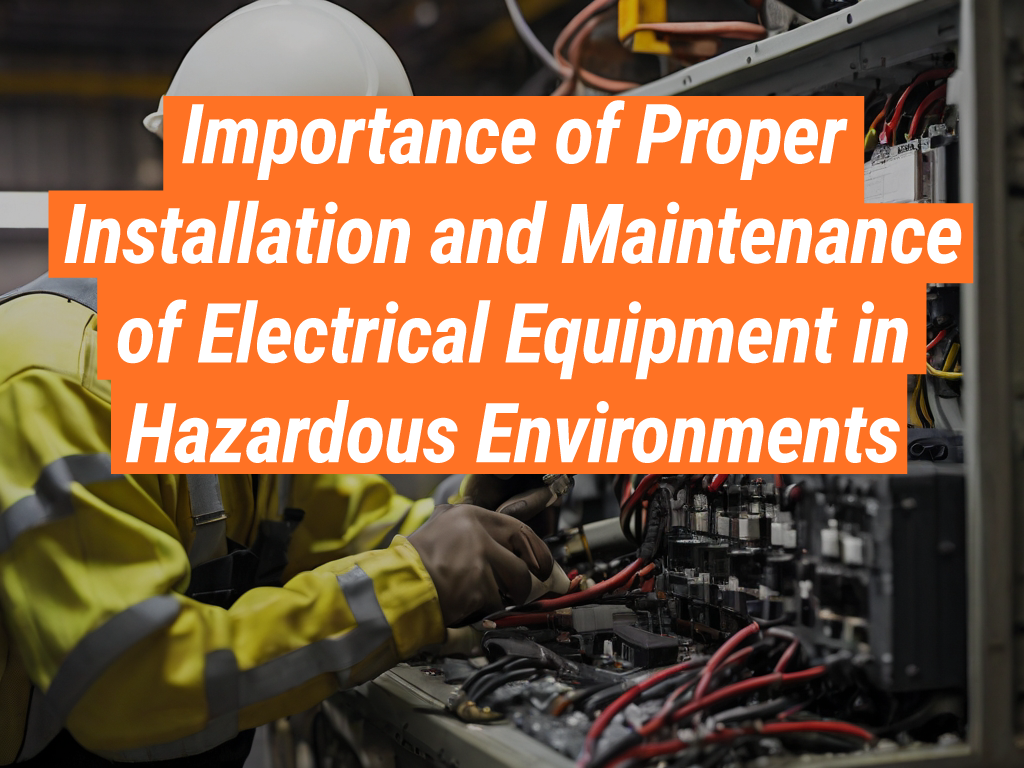
When it comes to hazardous environments, the importance of proper installation and maintenance of electrical equipment cannot be overstated. At Intrinsically Safe Store, we understand the critical role that safety plays in these settings. We invite you to explore our website to learn more about our commitment to providing safe and reliable solutions for hazardous environments.
The Risks of Improper Installation and Maintenance
Improper installation and maintenance of electrical equipment in hazardous environments can lead to catastrophic consequences. These can range from equipment failure and production downtime to serious injuries, fatalities, and significant financial losses.
- Equipment Failure: Improperly installed or maintained electrical equipment can fail unexpectedly, leading to production downtime and costly repairs.
- Safety Hazards: Faulty electrical equipment can pose serious safety risks, including electrical shocks, fires, and explosions.
- Financial Losses: The costs associated with equipment failure and safety incidents can be substantial, including the costs of repairs, lost production, fines, and litigation.
The Role of Proper Installation
Proper installation of electrical equipment is the first step in ensuring safety in hazardous environments. This involves following manufacturer’s instructions, adhering to industry standards, and using the right tools and equipment.
Case Study: The Piper Alpha Disaster
The Piper Alpha disaster in 1988 serves as a stark reminder of the importance of proper installation. A gas leak led to a massive explosion and fire on the Piper Alpha oil platform in the North Sea, killing 167 people. The investigation revealed that someone had removed a safety valve for maintenance and had not properly replaced it, which led to the gas leak.
The Importance of Regular Maintenance
Regular maintenance of electrical equipment is equally important in ensuring safety. This includes routine inspections, testing, and repairs to ensure that equipment is functioning properly and safely.
Statistics: The Impact of Maintenance
According to a study by the Aberdeen Group, companies that implement regular maintenance programs can reduce the likelihood of equipment failure by up to 60%. Furthermore, these companies can reduce maintenance costs by up to 30% and increase production by up to 20%.
Key Features & Benefits of Proper Procedures
Adhering to strict installation and maintenance protocols for electrical equipment in hazardous areas offers more than just safety; it provides a framework for operational excellence. These procedures deliver tangible benefits that protect personnel, assets, and profitability.
- Regulatory Compliance: Following correct procedures ensures that your facility meets stringent national and international standards (like ATEX, IECEx, and NEC), avoiding penalties and legal liabilities. Proper documentation of these activities is crucial for audits.
- Enhanced Worker Safety: The primary benefit is the significant reduction in the risk of ignition-related incidents. This creates a safer working environment, boosting morale and minimizing the potential for injury or fatalities.
- Increased Equipment Lifespan: Regular, professional maintenance prevents premature wear and tear, corrosion, and other forms of degradation. This extends the operational life of valuable equipment, maximizing return on investment.
- Operational Continuity: A well-maintained system is a reliable one. Proactive maintenance minimizes unexpected equipment failures, which are a leading cause of costly unplanned downtime and production losses.
Intrinsically Safe Store: Your Partner in Safety
At Intrinsically Safe Store, we are committed to helping our customers ensure the safety of their operations in hazardous environments. We offer a wide range of intrinsically safe and explosion-proof products, from lighting and communication devices to measurement and control equipment.
Frequently Asked Questions (FAQs)
What defines a hazardous environment?
A hazardous environment is any area where flammable liquids, gases, vapors, or combustible dusts exist in sufficient quantities to produce an explosion or fire. These locations are classified based on the type and presence of hazardous substances, such as Class/Division systems in North America or Zone systems (ATEX/IECEx) elsewhere.
How often should electrical equipment in hazardous areas be inspected?
Inspection frequency depends on the type of equipment, environmental conditions, and regulatory requirements. However, a general guideline includes initial detailed inspections before commissioning, periodic visual or close inspections (e.g., annually), and detailed inspections every three to five years.
Can I use standard electrical equipment in a Class 1 Division 2 area?
No, standard electrical equipment is not designed to prevent ignition in hazardous locations. You must use equipment specifically certified for the designated area. For a Class 1 Division 2 location, the equipment must be approved for that classification to ensure it doesn’t create a spark or hot surface capable of igniting flammable substances present under abnormal conditions.
Ensuring Safety in Hazardous Environments
The proper installation and maintenance of electrical equipment in hazardous environments is crucial in ensuring safety and preventing equipment failure, injuries, and financial losses. By partnering with Intrinsically Safe Store, you can have peace of mind knowing that you are using products designed to meet the highest safety standards. Talk to a hazardous-area specialist today to discuss your specific safety and compliance requirements.