

Intrinsically Safe Knowledge Base
Importance of Ventilation in Class 1 Division 1 Areas
When it comes to safety in hazardous environments, no detail is too small to consider. One such critical aspect is the proper ventilation system, especially in Class 1 Division 1 (C1D1) areas. This article, brought to you by Intrinsically Safe Store, will delve into the importance of these systems, their role in maintaining safety, and the potential consequences of neglecting them. We invite you to explore our website for more information on safety equipment and solutions.
Introduction
In environments where the risk of explosion or fire is a constant threat due to the presence of flammable gases, vapors, or liquids, every safety component must be engineered to the highest standards. Ventilation is not merely about air circulation; it is a primary defense mechanism against catastrophic events. A properly designed C1D1 ventilation system is an active safety measure that dilutes and removes hazardous concentrations from the atmosphere, making the area safer for personnel and protecting valuable assets.
What are Class 1 Division 1 Areas?
Before we delve into the importance of ventilation, it’s crucial to understand what C1D1 areas are. These are spaces where flammable gases or vapors are present continuously or for long periods. Examples include petroleum refineries, gas stations, and paint spray booths. In such environments, safety is paramount, and one of the key safety measures is a proper ventilation system.
The Role of Ventilation Systems in C1D1 Areas
Ventilation systems in C1D1 areas serve two primary purposes:
- Preventing Accumulation of Hazardous Substances: They ensure that flammable gases, vapors, or dust do not accumulate to dangerous levels, reducing the risk of explosions or fires.
- Providing Clean Air: They supply clean air, essential for the health and safety of workers in these areas.
Key Features & Benefits of C1D1 Ventilation Systems
Not all fans and blowers are suitable for hazardous locations. C1D1-rated ventilation equipment is specifically engineered with unique features to operate safely in the most dangerous environments. Understanding these features highlights their critical benefits.
Key Features
- Explosion-Proof Motors: The motors are fully enclosed in a robust housing designed to contain any internal spark or explosion, preventing it from igniting the surrounding hazardous atmosphere.
- Non-Sparking Materials: Components like fan blades and housings are constructed from non-sparking materials, typically aluminum or specialized polymers, to eliminate the risk of mechanical sparks during operation.
- Sealed Components: All electrical connections and switches are sealed to prevent contact with flammable gases or vapors.
- Compliance with Standards: Equipment is rigorously tested and certified to meet strict standards set by bodies like UL, CSA, ATEX, and IECEx, ensuring its suitability for specified hazardous locations.
Core Benefits
- Enhanced Worker Safety: The primary benefit is the significant reduction in risk to personnel. By preventing explosions and maintaining air quality, these systems protect lives.
- Regulatory Compliance: Using certified C1D1 equipment ensures compliance with OSHA and NFPA regulations, helping businesses avoid heavy fines and legal liabilities.
- Asset Protection: An explosion can destroy billions of dollars in equipment and infrastructure. Proper ventilation is a crucial investment in protecting a facility’s physical assets.
- Operational Continuity: A safe working environment prevents accidents that can lead to costly downtime and operational interruptions.
Consequences of Inadequate Ventilation
Failure to install or maintain proper ventilation systems in C1D1 areas can lead to severe consequences, including:
- Increased Risk of Explosions and Fires: Accumulation of flammable substances can lead to catastrophic incidents.
- Health Hazards: Exposure to hazardous substances can cause serious health issues, including respiratory problems and even cancer.
- Legal and Financial Repercussions: Non-compliance with safety regulations can result in hefty fines and legal action.
Case Study: The Importance of Proper Ventilation
A case that underscores the importance of proper ventilation is the 2005 Texas City Refinery explosion. An investigation revealed that one of the contributing factors was inadequate ventilation, which allowed a flammable hydrocarbon vapor to accumulate. The incident resulted in 15 deaths and over 170 injuries, highlighting the dire consequences of neglecting proper ventilation.
Ensuring Proper Ventilation in C1D1 Areas
Ensuring proper ventilation in C1D1 areas involves regular system checks, maintenance, and compliance with safety standards. It’s also crucial to use certified equipment designed for hazardous environments, such as those available at the Intrinsically Safe Store. Our specialists can help you select the right equipment for your specific needs to ensure full compliance and safety. For a detailed consultation, we recommend you talk to a hazardous-area specialist today.
Frequently Asked Questions (FAQs)
What makes a fan “explosion-proof” for C1D1?
An explosion-proof fan has several key features. Its motor is housed in a durable, sealed enclosure that can contain an internal explosion without igniting the external atmosphere. Additionally, its critical components, like the blades, are made from non-sparking materials to prevent friction or impact sparks.
How often should C1D1 ventilation systems be inspected?
Inspection frequency depends on the specific environment, usage, and manufacturer recommendations. However, a general best practice is to conduct visual inspections quarterly and have a qualified technician perform a detailed maintenance check at least annually, in line with NFPA standards.
Can a standard industrial fan be used in a C1D1 area?
No, absolutely not. A standard fan’s motor and electrical components can easily create sparks, which would act as an ignition source in a C1D1 environment, leading to a potential explosion. Only equipment specifically certified for Class 1 Division 1 use is permitted.
What is the difference between ventilation for C1D1 and C1D2?
Class 1 Division 1 areas have hazardous concentrations of flammable gases present continuously or intermittently under normal operating conditions. Division 2 areas only have these concentrations present under abnormal conditions (e.g., a container leak). While both require specialized equipment, C1D1 standards are more stringent due to the constant presence of the hazard.
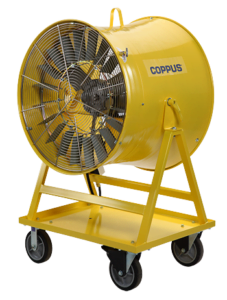
Proper ventilation systems in Class 1 Division 1 areas are not just a regulatory requirement but a critical safety measure. They prevent the accumulation of hazardous substances, provide clean air, and protect against severe health and safety risks. Therefore, regular maintenance and use of certified equipment are essential. For more information on C1D1 ventilation solutions, request a quote for a certified ventilation system at the Intrinsically Safe Store.