Intrinsically Safe Knowledge Base
6 Types of Oil Rigs & Their HazLoc Zones | ISS (2026)
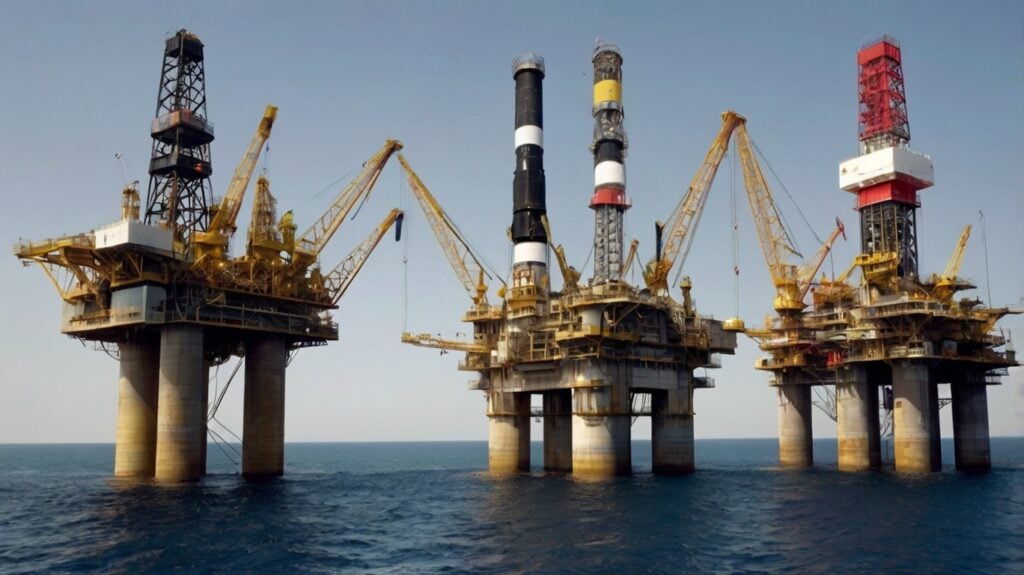
- Oil rigs are classified into onshore and offshore rigs, each designed for specific environments.
- Offshore rigs include jack-up rigs, semi-submersibles, drillships, and platform rigs, while onshore rigs are mostly conventional land rigs and mobile rigs.
- The choice of rig depends on water depth, geological conditions, mobility needs, and environmental factors.
- Safety measures, including explosion-proof equipment, are critical for both onshore and offshore drilling operations.
What is an Oil Rig? A Technical Definition
An oil rig is a large industrial structure used to drill wells to extract crude oil and natural gas from reservoirs beneath the earth’s surface. These rigs are designed for specific environments, operating either on land (onshore) or in bodies of water (offshore). They house all the necessary equipment for drilling, including the derrick, power systems, and mud circulation systems, forming a self-contained operational base.
Oil rigs are classified into two main categories: onshore (on land) and offshore (in water). Key offshore types include jack-up rigs for shallow water, semi-submersibles and drillships for deepwater, and fixed platform rigs. Onshore rigs primarily consist of conventional land rigs and more agile mobile or slim hole rigs. The selection of a specific rig type is dictated by geology, water depth, and project mobility requirements.
Introduction to Oil Rigs
Oil rigs are complex structures designed to drill wells and extract crude oil and natural gas from beneath the Earth’s surface. They come in various forms, tailored to meet the demands of different geological conditions, water depths, and environmental challenges.
This guide will explore the types of oil rigs used globally, how they work, and their applications in both onshore and offshore environments.
Safety equipment commonly used on oil rigs and offshore platforms
- Explosion-proof fans
- Explosion-proof fixed lighting
- Explosion-proof portable lighting
- Cameras for hazardous locations
Onshore vs. Offshore: The Two Primary Oil Rig Categories
Oil rigs are primarily classified based on their operating environment:
- Onshore Rigs – Located on land.
- Offshore Rigs – Operate in oceans, seas, and large bodies of water.
This fundamental distinction drives every aspect of a rig’s design, from its structural foundation and mobility to its operational costs and safety protocols. Onshore rigs are generally simpler and less costly to deploy, while offshore rigs are highly complex engineering feats designed to withstand harsh marine environments.
Types of Onshore Oil Rigs
1. Conventional Land Rigs
These are the most common onshore rigs used to drill vertical and directional wells.
- Features:
- Large derrick structure.
- Fixed to a specific drilling site.
- Requires significant assembly and disassembly time.
- Applications:
- Ideal for long-term drilling projects in oilfields.
- Used in areas with stable geological formations.
2. Mobile Drilling Rigs (Truck-Mounted Rigs)
Designed for quick deployment and operations in remote or hard-to-reach areas.
- Features:
- Mounted on large trucks or trailers.
- Easy to relocate between drilling sites.
- Suitable for shallow wells and exploration projects.
- Applications:
- Widely used in exploratory drilling and maintenance work.
- Effective in desert terrains and remote oil fields.
3. Slim Hole Rigs
A specialized type of land rig used for drilling smaller diameter wells.
- Features:
- Compact design with lower drilling costs.
- Requires less drilling fluid and materials.
- Applications:
- Exploratory wells where reducing cost is a priority.
- Suitable for tight spaces or environmentally sensitive areas.
A Closer Look at Onshore (Land-Based) Drilling Rigs
Onshore rigs, while varying in size and mobility, share common components. The derrick provides vertical height for raising and lowering the drill string, while the drawworks act as the winch. A rotary table or top drive rotates the drill string, and mud pumps circulate drilling fluid to cool the bit and remove cuttings. Though less exposed to extreme weather than their offshore counterparts, they still operate in potentially explosive atmospheres, requiring certified equipment for safe operation.

Types of Offshore Oil Rigs
1. Jack-Up Rigs
One of the most common offshore rigs, used in shallow waters, typically up to 500 feet (approximately 150 meters).
- Features:
- Equipped with legs that can be raised or lowered.
- The rig “jacks up” above the sea surface for stability during drilling.
- Applications:
- Ideal for shallow water drilling near coastlines.
- Used extensively in the Gulf of Mexico and other continental shelf areas.
2. Semi-Submersible Rigs
These rigs are designed to float, but with submerged pontoons that provide stability.
- Features:
- Partially submerged, reducing the impact of waves and weather.
- Anchored to the seabed or dynamically positioned.
- Applications:
- Suitable for deepwater drilling (up to 10,000 feet).
- Common in areas like the North Sea and offshore Brazil.
3. Drillships
Large ships equipped with drilling equipment on board.
- Features:
- Highly mobile, capable of moving between drilling sites.
- Uses dynamic positioning systems to maintain stability in deep waters.
- Applications:
- Ideal for ultra-deepwater drilling (up to 12,000 feet).
- Used in exploratory drilling missions across oceans.
4. Fixed Platform Rigs
Permanent structures built directly on the seabed.
- Features:
- Constructed with steel or concrete legs anchored to the ocean floor.
- Can support heavy equipment and accommodate large crews.
- Applications:
- Used in shallow to moderate depths (up to 1,500 feet).
- Ideal for long-term production projects.
5. Compliant Tower Rigs
Similar to fixed platforms but designed to flex with ocean movements.
- Features:
- Tall, slender towers anchored to the seabed.
- Flexible design allows for better performance in hurricane-prone areas.
- Applications:
- Deployed in deepwater environments where stability is crucial.
Deep Dive: The 5 Main Types of Offshore Rigs
Offshore rigs are marvels of modern engineering, each tailored for a specific marine environment. Jack-up rigs provide a stable, bottom-supported platform in shallow waters. As depths increase, floating rigs become necessary. Semi-submersibles achieve stability through massive submerged pontoons, making them workhorses in rough seas. Drillships offer the ultimate mobility and are the primary choice for ultra-deepwater exploration, using advanced dynamic positioning systems with thrusters to stay on target. Fixed and compliant tower platforms are long-term production hubs, designed to operate for decades in a single location.
How Are Oil Rigs Chosen? Key Factors Explained
Selecting the appropriate oil rig is a critical decision based on a complex interplay of technical and economic factors. Engineers and project managers evaluate several key criteria:
- Water Depth: This is the primary determinant. Jack-ups are limited to shallower continental shelves, typically up to 500 feet (approximately 150 meters), while semi-submersibles and drillships are required for deepwater (typically defined as depths greater than 1,000 feet) and ultra-deepwater (often exceeding 5,000 to 7,500 feet) projects, with some modern drillships capable of operating in depths up to 12,000 feet.
- Environmental Conditions: Regions with harsh weather, like the North Sea, often require robust semi-submersible rigs designed to handle high winds and waves. In calmer waters, other types may be more cost-effective. Ice-prone arctic regions demand specialized, winterized, or ‘ice-class’ rigs designed to operate in sub-zero temperatures and withstand sea ice forces.
- Geological Target: The type and depth of the underground reservoir can influence the choice. Complex well paths or the need to drill multiple wells from a single location might favor a fixed platform or a highly advanced drillship.
- Mobility vs. Longevity: For exploratory drilling where multiple sites must be tested, a highly mobile drillship is ideal. For developing a large, proven field that will produce for decades, a permanent fixed platform is the logical choice.
- Cost and Availability: The day rates for offshore rigs can range from under $100,000 to over $500,000. Project economics, rig availability in the region, and mobilization costs are crucial business considerations that shape the final decision.
Key Differences: Onshore vs Offshore Oil Rigs
| Aspect | Onshore Rigs | Offshore Rigs |
|---|---|---|
| Location | Land-based operations | Water-based, oceans, and seas |
| Mobility | Fixed or mobile (truck-mounted) | Mobile (drillships) or fixed platforms |
| Water Depth | Not applicable | Varies from shallow (jack-ups) to deepwater (drillships) |
| Cost | Lower setup and operational costs | High costs due to logistics and equipment |
| Weather Impact | Less affected by extreme weather | Requires specialized design for harsh conditions |
| Safety Measures | Standard safety protocols | Stringent safety due to offshore hazards |
The Critical Role of Safety and Certified Equipment on Oil Rigs
Oil rigs, especially offshore platforms, are high-risk environments due to the presence of flammable gases, high-pressure equipment, and harsh weather conditions. A comprehensive safety strategy is non-negotiable and relies heavily on equipment certified for hazardous areas.
Key certification standards include:
- ATEX: A European Union directive for equipment used in explosive atmospheres.
- IECEx: An international certification system that provides a globally recognized standard for equipment safety in hazardous locations.
- Class/Division System: Primarily used in North America, this system classifies hazardous areas based on the type (Class I, II, III) and presence (Division 1 or 2) of the hazardous substance.
Key Safety Measures Include:
- Explosion-Proof Equipment:
- Intrinsically safe devices to prevent ignition.
- Certified lighting, control systems, and intrinsically safe communication devices.
- Blowout Preventers (BOPs):
- Crucial for controlling pressure and preventing oil spills.
- Fire and Gas Detection Systems:
- Early warning systems to detect leaks or fires, often requiring certified cameras for hazardous locations for remote monitoring.
- Emergency Response Plans:
- Evacuation procedures and survival equipment for emergencies.
At Intrinsically Safe Store, we specialize in providing certified safety solutions tailored for oil and gas operations. Talk to a hazardous-area specialist to ensure your rig meets global safety standards.
Future Trends in Drilling Rig Technology and Automation
The oil and gas industry is continuously evolving, with new technologies aimed at improving efficiency, safety, and environmental performance. Key future trends for drilling rigs include:
- Automation and Robotics: Automated drilling processes, robotic pipe handling, and remote operations are reducing human exposure to hazardous environments and increasing precision. This leads to safer, faster, and more consistent drilling.
- Data Analytics and AI: Advanced sensors on drilling equipment gather vast amounts of data. Artificial intelligence and machine learning algorithms analyze this data in real-time to predict equipment failure, optimize drilling parameters, and improve reservoir characterization.
- Managed Pressure Drilling (MPD): This technology provides more precise control over the wellbore pressure, enabling drilling in previously challenging formations and significantly enhancing safety by preventing kicks and blowouts.
- Energy Efficiency and Decarbonization: Modern rig designs incorporate hybrid power systems, energy recovery technology, and digital solutions to reduce fuel consumption and lower carbon emissions, aligning operations with global sustainability goals.
The Deepest Oil Rig in the World
Did you know that the Perdido Spar Platform in the Gulf of Mexico is the deepest oil platform globally?
- It operates at a depth of 8,000 feet (2,438 meters) below sea level.
- The platform stands taller than the Eiffel Tower—if it were placed on land!
This remarkable feat showcases the engineering advancements that make ultra-deepwater drilling possible.
Conclusion
Understanding the types of oil rigs is crucial for anyone involved in the oil and gas industry. From onshore land rigs to ultra-deepwater drillships, each rig is designed to meet specific operational challenges.
Choosing the right rig depends on factors like location, water depth, cost, and geological conditions. Regardless of the rig type, safety remains paramount, and using intrinsically safe equipment can help mitigate risks in hazardous environments.
Frequently Asked Questions (FAQs)
1. What is the difference between a jack-up rig and a semi-submersible rig?
- Jack-up rigs are suitable for shallow waters and have legs that rest on the seabed.
- Semi-submersibles float on pontoons and are anchored, making them ideal for deepwater operations.
2. How deep can offshore rigs drill?
- Drillships can drill up to 12,000 feet in water depth.
- Some ultra-deepwater rigs can reach even greater depths with advanced technology.
3. Are oil rigs safe?
While oil rigs operate in hazardous conditions, strict safety protocols, explosion-proof equipment, and emergency response plans minimize risks.
4. Which is more expensive: onshore or offshore drilling?
Offshore drilling is significantly more expensive due to logistics, equipment, and harsh environmental conditions.
5. Where can I find safety equipment for oil rigs?
At Intrinsically Safe Store, we provide a full range of certified safety products for onshore and offshore rigs. Browse our catalog for certified lighting, gas detectors, and communication devices.