


Intrinsically Safe Knowledge Base
Advantages of Hazardous Electrical Equipment: Types & Limits
Introduction to Hazardous Area Electrical Equipment
When it comes to hazardous environments where flammable gases, vapors, or dust are present, the right choice of electrical equipment is not just a matter of compliance—it’s a critical component of operational safety. Selecting the appropriate protection method ensures the prevention of catastrophic events, protects personnel, and maintains process integrity. This article, brought to you by the Intrinsically Safe Store, will delve into the advantages and limitations of the primary types of electrical equipment used in such areas. We invite you to explore our website for a wide range of intrinsically safe products and certified solutions.
Types of Electrical Equipment for Hazardous Areas
Electrical equipment for hazardous areas can be broadly categorized into three types: intrinsically safe, explosion-proof, and non-incendive.
- Intrinsically Safe Equipment: These devices are designed to limit electrical and thermal energy to prevent ignition in hazardous areas.
- Explosion-Proof Equipment: These devices can withstand an internal explosion without rupturing and prevent the explosion from spreading to the surrounding atmosphere.
- Non-Incendive Equipment: These devices are not capable of causing ignition in normal operation or predictable failure conditions.
Key Features & Benefits of Electrical Equipment in Hazardous Areas
Each type of electrical equipment has its unique features and advantages, making it suitable for different applications, zones, and power requirements within hazardous locations.
Intrinsically Safe Equipment
Intrinsically safe equipment offers several benefits:
- Enhanced Safety: By limiting energy to levels below that which can ignite a specific hazardous atmosphere, they are fundamentally safe.
- Live Maintenance: Technicians can safely perform maintenance and calibration on live equipment without a “hot work” permit, significantly reducing downtime and operational costs.
- Lower Installation Costs: They do not require heavy, rigid conduits or specialized enclosures. This simplifies installation and reduces material costs.
- Flexibility: The lightweight and less cumbersome nature of IS systems makes them ideal for instrumentation and control applications.
Explosion-Proof Equipment
Explosion-proof equipment also has its advantages:
- High Power Capability: Explosion-proof enclosures are the go-to solution for high-power equipment like motors, transformers, and switchgear that cannot be made intrinsically safe.
- Robust Containment: Their primary feature is the ability to contain an internal explosion and cool the escaping gases to prevent ignition of the surrounding atmosphere.
- Durability: Built to be extremely rugged, they provide excellent protection against physical damage and harsh environmental conditions.
Non-Incendive Equipment
Non-incendive equipment offers the following benefits:
- Cost-Effectiveness: They offer a safe and economical solution specifically for Zone 2 or Division 2 areas, where hazardous atmospheres are present only under abnormal conditions.
- Simplified Installation: Installation requirements are less stringent than for explosion-proof equipment, reducing labor and material expenses.
- Reliability in Normal Operation: These devices are designed not to produce arcs, sparks, or hot surfaces capable of causing ignition during normal operation.
Limitations of Electrical Equipment in Hazardous Areas
While these devices offer numerous benefits, they also have certain limitations.
Intrinsically Safe Equipment
Limitations of intrinsically safe equipment include:
- They may not be suitable for high power applications.
- They require careful installation and wiring to maintain safety.
Explosion-Proof Equipment
Limitations of explosion-proof equipment include:
- They are often larger and heavier than other types of equipment.
- They require special handling during installation and maintenance.
Non-Incendive Equipment
Limitations of non-incendive equipment include:
- They are not suitable for highly hazardous environments.
- They may not prevent ignition under abnormal conditions.
Frequently Asked Questions (FAQs)
What is the primary difference between Intrinsically Safe and Explosion-Proof equipment?
The core difference lies in their safety philosophy. Intrinsically Safe (IS) equipment is designed to be incapable of releasing enough electrical or thermal energy to cause an ignition in the first place. Explosion-Proof (XP) equipment, on the other hand, is built to contain an internal explosion if one were to occur, preventing it from igniting the wider hazardous atmosphere. IS is about energy limitation, while XP is about containment.
Can I use Non-Incendive equipment in a Zone 1 area?
No, Non-Incendive equipment is specifically designed and certified for use in Zone 2 or Division 2 locations, where an explosive atmosphere is unlikely to occur in normal operation. For Zone 1 or Division 1, where such an atmosphere is likely, you must use protection methods like Intrinsically Safe or Explosion-Proof.
Is live maintenance really possible with Intrinsically Safe circuits?
Yes, one of the major advantages of IS systems is the ability to perform live maintenance. Because the circuit’s energy is too low to cause ignition, technicians can calibrate, troubleshoot, or replace components without shutting down the process or obtaining hot work permits, which significantly improves operational efficiency.
How do I choose the right equipment for my specific hazardous area?
The choice depends on several factors, including the hazardous area classification (Zone/Division), the nature of the hazardous substance (gas/dust group), its ignition temperature, and the power requirements of the equipment. Consulting with a specialist is crucial. Our team can help you analyze your needs and select the correct certified hazardous area equipment for your application.
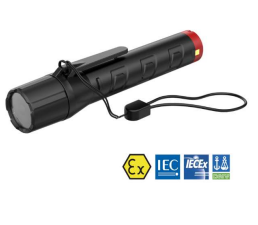
Choosing the right electrical equipment for hazardous areas is a complex task that requires a deep understanding of the advantages and limitations of each type. The Intrinsically Safe Store is here to help you navigate this process. We offer a wide range of intrinsically safe and explosion-proof equipment to meet your specific needs. Visit our website to explore our products or talk to a hazardous-area specialist for expert advice.