

Intrinsically Safe Knowledge Base
Cost-Benefit of Intrinsically Safe Lighting
Introduction
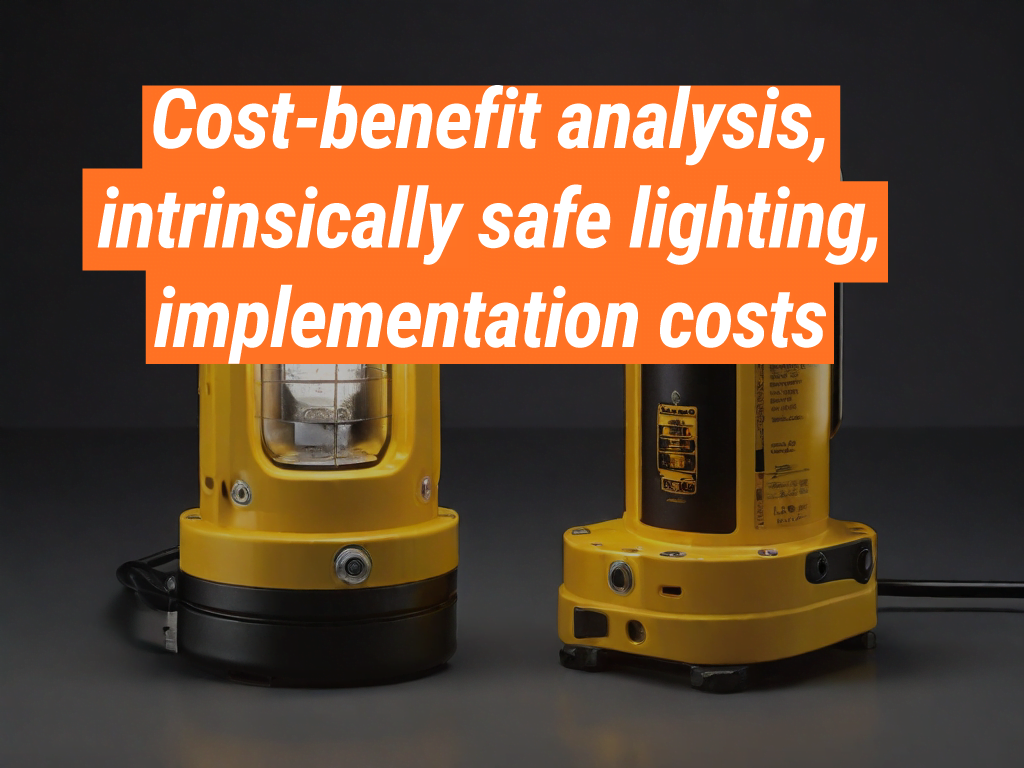
When it comes to safety in hazardous environments, nothing beats the importance of intrinsically safe lighting. As a leading provider of intrinsically safe products, Intrinsically Safe Store understands the critical role that these lighting solutions play in industries such as oil and gas, mining, and chemical processing. In this article, we delve into the cost-benefit analysis of implementing intrinsically safe lighting. We invite you to explore our website for a wide range of intrinsically safe lighting solutions.
Understanding Intrinsically Safe Lighting
Intrinsically safe lighting is designed to operate in hazardous environments without causing ignition. These lighting solutions are engineered to limit electrical and thermal energy to a level below what is required to ignite a specific hazardous atmospheric mixture. This is a fundamental safety principle that differentiates it from other protection methods like explosion-proof enclosures.
Key Features & Benefits
Beyond the core safety function, intrinsically safe lighting systems offer several features that provide significant operational and financial benefits. Investing in the right lighting is not just about compliance; it’s about optimizing your entire operation. Key advantages include:
- Enhanced Safety and Compliance: The primary benefit is the prevention of explosions in environments with flammable gases, vapors, or dust. Our products meet stringent standards like ATEX and IECEx, ensuring you comply with international safety regulations.
- Energy Efficiency: Most modern intrinsically safe lights use LED technology, which consumes significantly less power than traditional incandescent or fluorescent bulbs. This leads to lower energy bills and a reduced carbon footprint.
- Durability and Longevity: Built to withstand harsh industrial conditions, these lights feature robust construction, high IP ratings for dust and water resistance, and excellent impact resistance. Their long operational life minimizes the need for frequent replacements.
- Reduced Maintenance Costs: The combination of long-lasting LEDs and durable housings means less maintenance. This is particularly valuable in hard-to-reach areas, reducing labor costs and operational downtime associated with repairs and replacements.
The Cost of Implementing Intrinsically Safe Lighting
While the initial cost of intrinsically safe lighting may be higher than standard lighting, it’s essential to consider the long-term benefits. These include:
- Reduced risk of accidents
- Lower maintenance costs
- Increased operational efficiency
Case Study: The Impact of Intrinsically Safe Lighting in the Oil and Gas Industry
Case studies in the oil and gas sector illustrate how implementing certified intrinsically safe lighting can significantly reduce incident risk, leading to enhanced worker safety and fewer operational disruptions. This not only saved lives but also resulted in significant cost savings in terms of accident-related expenses.
Long-Term Benefits of Intrinsically Safe Lighting
While the upfront cost of intrinsically safe lighting may be higher, the long-term benefits far outweigh the initial investment. These benefits include:
- Increased worker safety
- Reduced downtime due to accidents
- Lower insurance premiums
- Compliance with safety regulations
Frequently Asked Questions (FAQs)
What is the primary difference between intrinsically safe and explosion-proof lighting?
Intrinsically safe lighting prevents explosions by limiting the electrical and thermal energy to a level below that which can ignite a hazardous atmosphere. Explosion-proof lighting, on the other hand, contains an explosion within its housing to prevent it from igniting the surrounding environment. The choice depends on the specific zone classification and application.
Do intrinsically safe lights require special maintenance?
While designed for durability, all equipment in hazardous areas requires regular inspection and maintenance per manufacturer guidelines and site safety protocols. However, due to their low-power design and robust construction (often LED-based), their maintenance requirements are typically lower than traditional lighting systems.
Can I use any certified intrinsically safe light in any hazardous area?
No. It is crucial to match the equipment’s rating (e.g., ATEX Zone, IECEx Group, Class/Division) to the specific hazardous materials and environmental conditions of the area. Using a mismatched device can compromise safety. Always consult an expert to ensure proper selection.
Conclusion
Implementing intrinsically safe lighting is a strategic investment that offers significant benefits in terms of safety, cost savings, and operational efficiency. While the initial cost may be higher, the long-term benefits far outweigh the initial investment. As a leading provider of intrinsically safe products, Intrinsically Safe Store is committed to providing high-quality, reliable, and cost-effective intrinsically safe lighting solutions. Talk to a hazardous-area specialist today to learn more about our products and how they can benefit your business.