Intrinsically Safe Products
ATEX Cable Glands: Zone 1 & 2 Selection Guide | ISS
Selecting the right cable gland is a critical step for safety in any hazardous environment under the ATEX directive. A cable gland does more than just secure a cable to an enclosure; it is essential for maintaining the integrity of the explosion protection method, preventing dust and moisture ingress, and ensuring electrical continuity. This guide provides a practical framework for engineers, technicians, and procurement managers to select the correct components, ensuring both operational safety and regulatory compliance. The right choice is essential for preventing equipment failure and protecting personnel and assets in potentially explosive atmospheres.
Beyond Selection: Installation and Maintenance
Proper selection is only the first step. Understanding the entire lifecycle, from installation to inspection and maintenance, is crucial for long-term safety.
Understanding ATEX Ratings and Protection Concepts
The first step in selecting a gland is understanding the required ATEX markings. The cable gland must match or exceed the requirements of the enclosure it is attached to. For example, a cable gland marked for Zone 1 can be used in Zone 2, but not the other way around. Key protection concepts include ‘Ex d’ (flameproof), which contains an internal explosion, and ‘Ex e’ (increased safety), which prevents sparks and high temperatures. According to IEC 60079-14, the selection of cable entry systems is fundamental to maintaining the integrity of the overall explosion protection for the installation. The gland’s markings will indicate its suitability for specific gas groups (e.g., IIA, IIB, IIC) and temperature classes (T1-T6), which must align with the hazardous substances present in the environment.
Key Material Considerations for ATEX Cable Glands
The operational environment dictates the appropriate material for an ATEX cable gland. Corrosion, chemical exposure, and mechanical stress can all compromise the gland’s integrity. Choosing the wrong material can lead to premature failure and a breach in safety. The main options are:
- Nickel-Plated Brass: This is a common and cost-effective choice for general industrial applications. The nickel plating provides good corrosion resistance, making it suitable for both indoor and outdoor installations where harsh chemicals are not a primary concern.
- Stainless Steel (316L): For offshore, marine, or chemical processing environments, stainless steel is the best option. It offers excellent resistance to corrosion, chlorides, and a wide range of chemicals, ensuring long-term reliability in the most aggressive atmospheres.
- Polyamide (Plastic): Lightweight and corrosion-proof, plastic cable glands are often used for ‘Ex e’ increased safety applications. They are a good choice for applications where weight is a concern and there is no risk of high-impact mechanical damage.
- Aluminum: While less common, aluminum glands offer a lightweight solution with good conductivity. However, their use is restricted in certain zones due to the risk of friction sparking, so careful assessment of the specific application is required.
Step-by-Step Gland Selection Process
A structured process ensures all critical factors are covered. Rushing this stage can lead to costly and dangerous errors. Use this checklist to guide your selection.
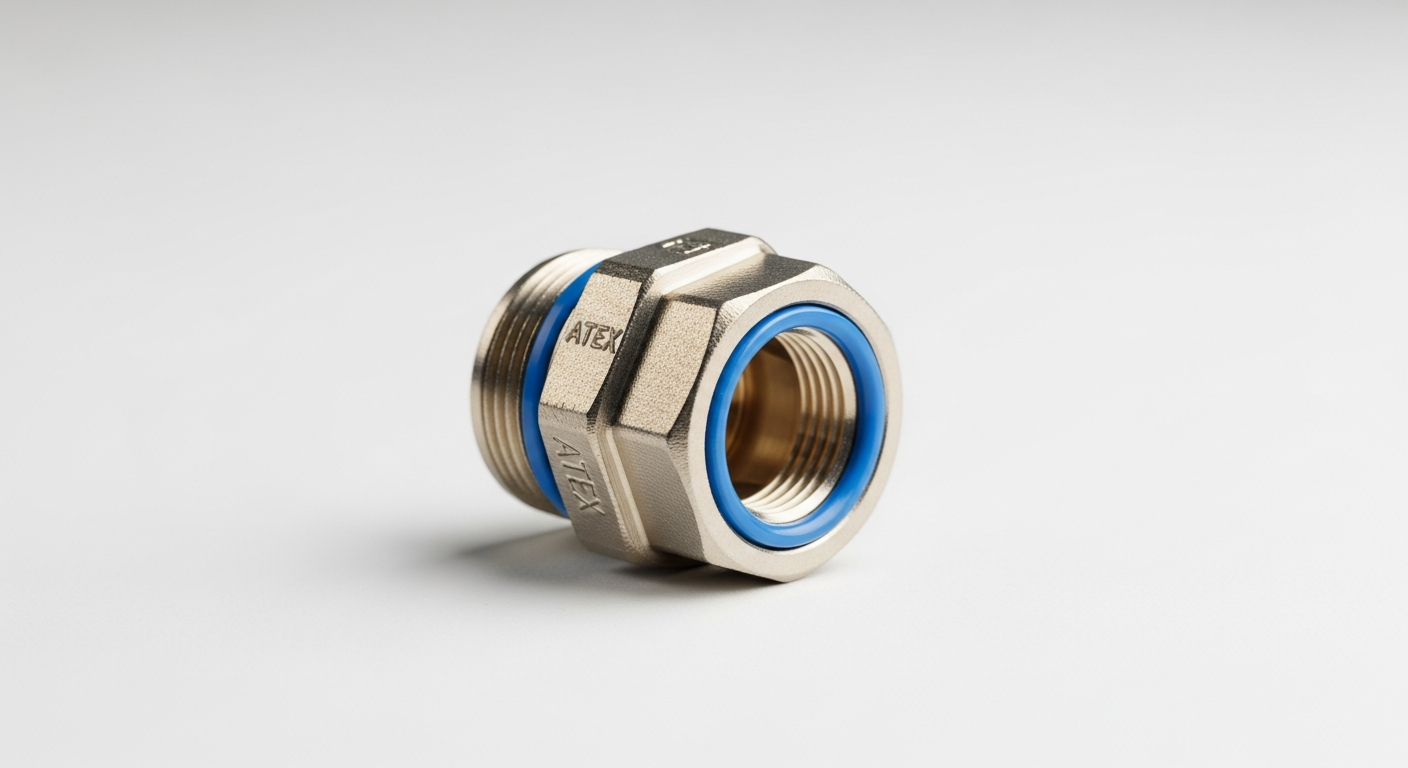
- Identify the Cable Type: Is the cable armored or unarmored? Armored cables (like SWA or STA) require a gland that can clamp the armor for mechanical retention and provide electrical continuity for grounding. Unarmored cables need a gland that provides a secure seal on the cable’s outer sheath.
- Determine Thread Type and Size: Match the gland’s entry thread to the equipment enclosure. Common types include Metric (e.g., M25) and NPT (e.g., 3/4″ NPT). Using thread adapters is possible but should be done carefully to maintain the Ex rating. The gland size must correspond to the cable’s diameter to ensure a proper seal.
- Verify the IP (Ingress Protection) Rating: The gland must have an IP rating suitable for the environment. An IP66/68 rating is standard for hazardous areas, ensuring protection against powerful jets of water and submersion, preventing moisture from compromising the electrical components.
- Confirm Sealing and Operating Temperature: The gland’s sealing material must be compatible with the ambient and operating temperatures. Standard seals are often silicone or neoprene, but special applications might require materials that can withstand extreme high or low temperatures to maintain flexibility and sealing effectiveness.
Recommended Products for ATEX Cable Gland Selection
The following products from our catalog are certified for use in hazardous areas and directly relevant to this guide:
| Product Category | Rating / Certification | Link |
|---|---|---|
| Explosion Proof Cable Glands & Accessories | ATEX Zone 1, Zone 2 / Class I Div 1 | Shop Now |
| Explosion Proof Rigid Conduits | ATEX / IECEx / Class I Div 1 & 2 | Shop Now |
Shop Certified ATEX Cable Glands
Ensure compliance and safety with our extensive range of ATEX and IECEx certified cable glands, suitable for all hazardous area classifications and cable types.
Frequently Asked Questions
What is the difference between an ATEX cable gland and a standard one?
An ATEX-certified cable gland is specifically designed, tested, and marked for use in potentially explosive atmospheres. It maintains the explosion protection concept of the enclosure it’s fitted to, such as ‘Ex d’ flameproof, which a standard industrial gland cannot do.
How do I know which ATEX zone my application is in?
The hazardous area classification (e.g., Zone 0, 1, 2 for gas/vapor or Zone 20, 21, 22 for dust) must be determined by a qualified engineer through a formal risk assessment. This information is typically found in the site’s classification documents and is crucial for selecting all Ex equipment.
Can I use a plastic ATEX cable gland in a metal enclosure?
Yes, provided the gland has the correct ATEX rating for the zone and the enclosure maintains its required grounding. Plastic glands are often used in ‘Ex e’ (increased safety) metal enclosures, but the system’s overall certification must be considered.
What does the ‘Ex d’ or ‘Ex e’ marking on a cable gland mean?
‘Ex d’ (flameproof) glands are designed to be part of a flameproof enclosure system, containing an internal explosion. ‘Ex e’ (increased safety) glands are used with enclosures that prevent sparks or high temperatures from occurring, and they provide a reliable seal against environmental factors.
Do ATEX cable glands require special tools for installation?
While some may not require ‘special’ tools, they must be installed using correctly calibrated torque wrenches to ensure they are tightened to the manufacturer’s specification. Overtightening can damage the seals, and undertightening can compromise the IP rating and explosion protection.
Selecting the correct ATEX cable gland isn’t a matter of convenience; it is a fundamental requirement for safety in hazardous areas. A compliant and reliable installation depends on a systematic evaluation of the area classification, cable type, environmental conditions, and material properties. You must match the gland’s protection concept (‘Ex d’, ‘Ex e’) to the enclosure, select a material that can withstand environmental corrosion, and verify the correct size and thread for a secure, certified fit. A methodical approach, as detailed in this guide, is the best way to safeguard your facility and personnel against the risks of explosive atmospheres.