Intrinsically Safe Knowledge Base
A Complete Guide to ATEX Equipment Protection Levels (EPL)
What do the markings Ga, Gb, Gc, Da, Db, and Dc on your hazardous area equipment mean? These are the official ATEX Equipment Protection Levels (EPL), a critical safety classification that defines the level of protection a device provides against becoming an ignition source. Understanding the EPL system is fundamental for compliance and for preventing explosions in environments with flammable gases, vapors, or dusts. This guide breaks down each EPL, explaining its direct correlation with ATEX Zones to ensure the correct selection of certified equipment for operational safety.

Expand Your ATEX Knowledge
Equipment Protection Levels are just one part of the ATEX system. Get familiar with the entire framework by exploring our detailed guide to Zones and Ratings.
Understanding the Framework of ATEX EPL
The Equipment Protection Level (EPL) system was introduced to provide a more direct and simplified method for selecting equipment suitable for specific hazardous area Zones. Mandated under standards like IEC 60079-0, the EPL marking indicates the level of ignition risk a piece of equipment poses. It directly correlates the equipment’s inherent safety features with the likelihood of an explosive atmosphere being present. The system is divided into two primary categories based on the type of hazardous substance: ‘G’ for gas (including vapors and mists) and ‘D’ for dust. Each category is subdivided into three levels, ‘a’, ‘b’, and ‘c’, representing decreasing levels of protection. For instance, an EPL of ‘Ga’ offers the highest level of protection for gas environments and is suitable for the most dangerous Zone 0 locations.
The Six Core Equipment Protection Levels Explained
Correctly interpreting the six main EPLs is essential for engineers, technicians, and safety managers. Each level represents specific design criteria and fault tolerance, ensuring that equipment will not become an ignition source under expected operational conditions. Here is a breakdown of what each level signifies:
- Ga / Da (Very High Protection): Equipment with this rating is safe even with two independent faults or rare malfunctions. It is the only level suitable for Zone 0 (gas) and Zone 20 (dust), where an explosive atmosphere is present continuously or for long periods.
- Gb / Db (High Protection): This level ensures safety during normal operation and with expected malfunctions. The equipment is designed to remain safe even if one fault occurs. It is appropriate for Zone 1 (gas) and Zone 21 (dust) areas.
- Gc / Dc (Normal Protection): This equipment is safe in normal operation. It provides sufficient protection for Zone 2 (gas) and Zone 22 (dust), where an explosive atmosphere is unlikely to occur and, if it does, will only persist for a short time.
- Mb / Ma (Mining): While less common in general industry, ‘M’ ratings are specific to mining applications. Ma offers a very high level of protection for equipment that must remain energized in the presence of firedamp, while Mb offers a high level of protection for equipment that can be de-energized.
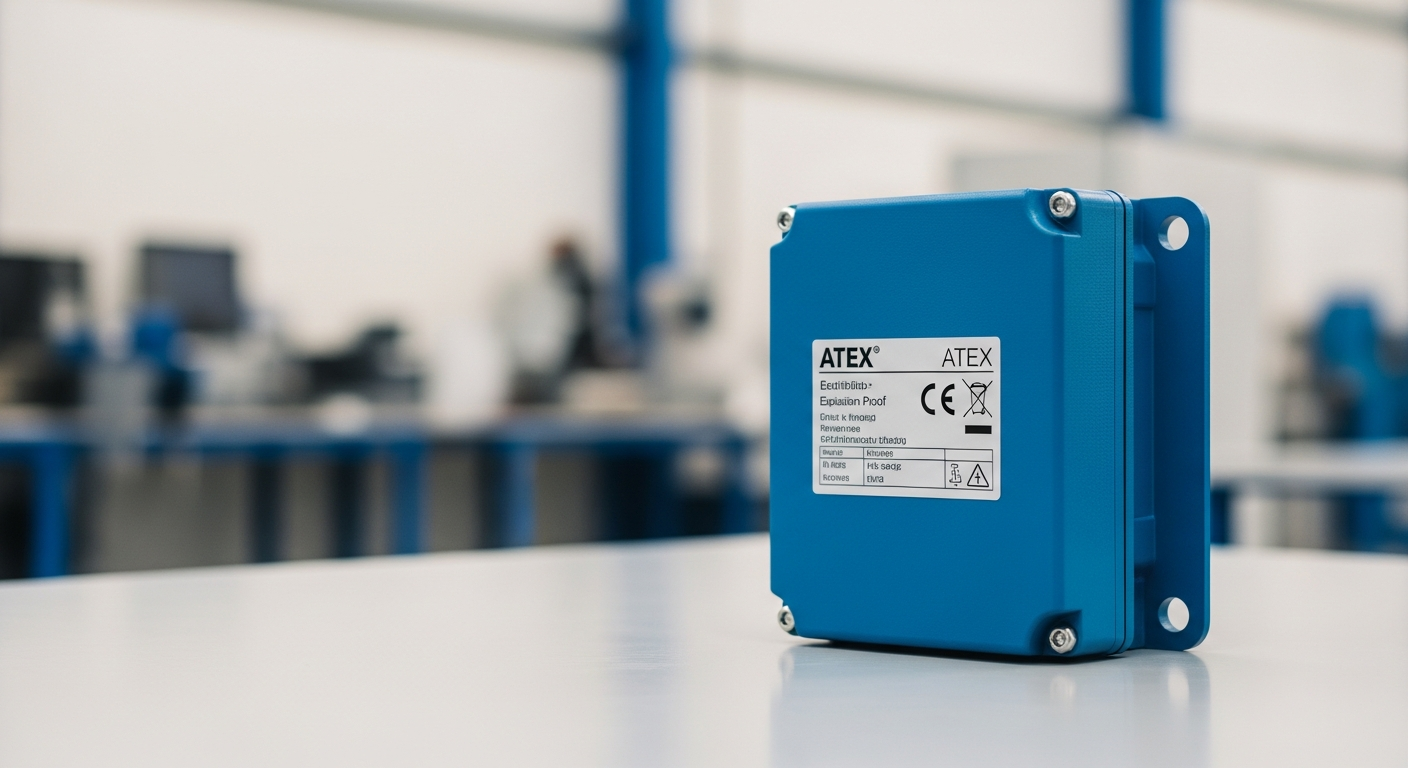
How EPL Correlates with ATEX Zones
The primary purpose of the EPL system is to create a straightforward link between the risk level of a location (its Zone) and the required safety level of the equipment installed there. This direct correlation simplifies compliance and reduces the risk of human error during equipment selection. This relationship is a critical safety requirement.
- Zone 0 / Zone 20 requires EPL Ga / Da: In areas with a continuous presence of flammable gas or dust, only equipment with a ‘very high’ level of protection is permitted. The equipment must be safe with two independent faults.
- Zone 1 / Zone 21 requires EPL Gb / Db (or Ga / Da): For areas where hazardous atmospheres are likely to occur in normal operation, equipment must have a ‘high’ level of protection. It must remain safe with one foreseeable fault. Higher-rated Ga/Da equipment can also be used here.
- Zone 2 / Zone 22 requires EPL Gc / Dc (or higher): In locations where flammable atmospheres are not likely and short-lived, a ‘normal’ level of protection is sufficient. This equipment is safe during normal operation. Any equipment rated Gb/Db or Ga/Da is also acceptable.
Recommended Products for ATEX-Rated Environments
The following products from our catalog are certified for use in hazardous areas and are relevant to this guide:
| Product Category | Rating / Certification | Link |
|---|---|---|
| ATEX Zone 0 Equipment | ATEX Zone 0 / EPL Ga | Shop Now |
| ATEX Zone 1 Equipment | ATEX Zone 1 / EPL Gb | Shop Now |
Shop Certified ATEX Zone 0 Equipment
Ensure maximum safety in the most hazardous environments with equipment certified for continuous exposure to flammable atmospheres. Our Zone 0 products meet the strict EPL Ga requirements.
Frequently Asked Questions
What does EPL stand for in ATEX?
EPL stands for Equipment Protection Level. It is a classification system defined in standards like IEC 60079 that indicates the level of protection equipment has against becoming a source of ignition in potentially explosive atmospheres.
Can I use a Gb rated device in a Zone 0 area?
No, you cannot. A Gb-rated device only offers a ‘high’ level of protection suitable for Zone 1. Zone 0 requires a ‘very high’ level of protection, designated as EPL Ga, which is safe even with two independent faults.
What is the difference between EPL Gc and Dc?
The difference lies in the type of hazardous substance. Gc (Gas) is for equipment used in environments with flammable gases, vapors, or mists (Zone 2). Dc (Dust) is for equipment used where combustible dust is present (Zone 22).
Is EPL a global standard?
The EPL system originates from the IEC (International Electrotechnical Commission) standards, specifically the IEC 60079 series. While it is integral to the ATEX directive in Europe, its principles are recognized and used globally as a best practice for hazardous area equipment selection.
How does EPL relate to ATEX Categories 1, 2, and 3?
EPL and ATEX Categories are directly related. Category 1 equipment corresponds to EPL Ga/Da (for Zone 0/20). Category 2 corresponds to EPL Gb/Db (for Zone 1/21). Category 3 corresponds to EPL Gc/Dc (for Zone 2/22).
Chat for a Quote Call: 832-699-6726
A solid understanding of the ATEX Equipment Protection Level system is essential for anyone working in hazardous locations. By following the direct relationship between EPLs (Ga, Gb, Gc, Da, Db, Dc) and ATEX Zones, you can effectively mitigate ignition risks and maintain regulatory compliance. Always match the EPL to the Zone designation, remember that ‘G’ is for gas and ‘D’ is for dust, and know that higher protection levels can be used in lower-risk zones, but never the reverse. A well-defined selection process based on these principles is fundamental to a safe operational environment.