




















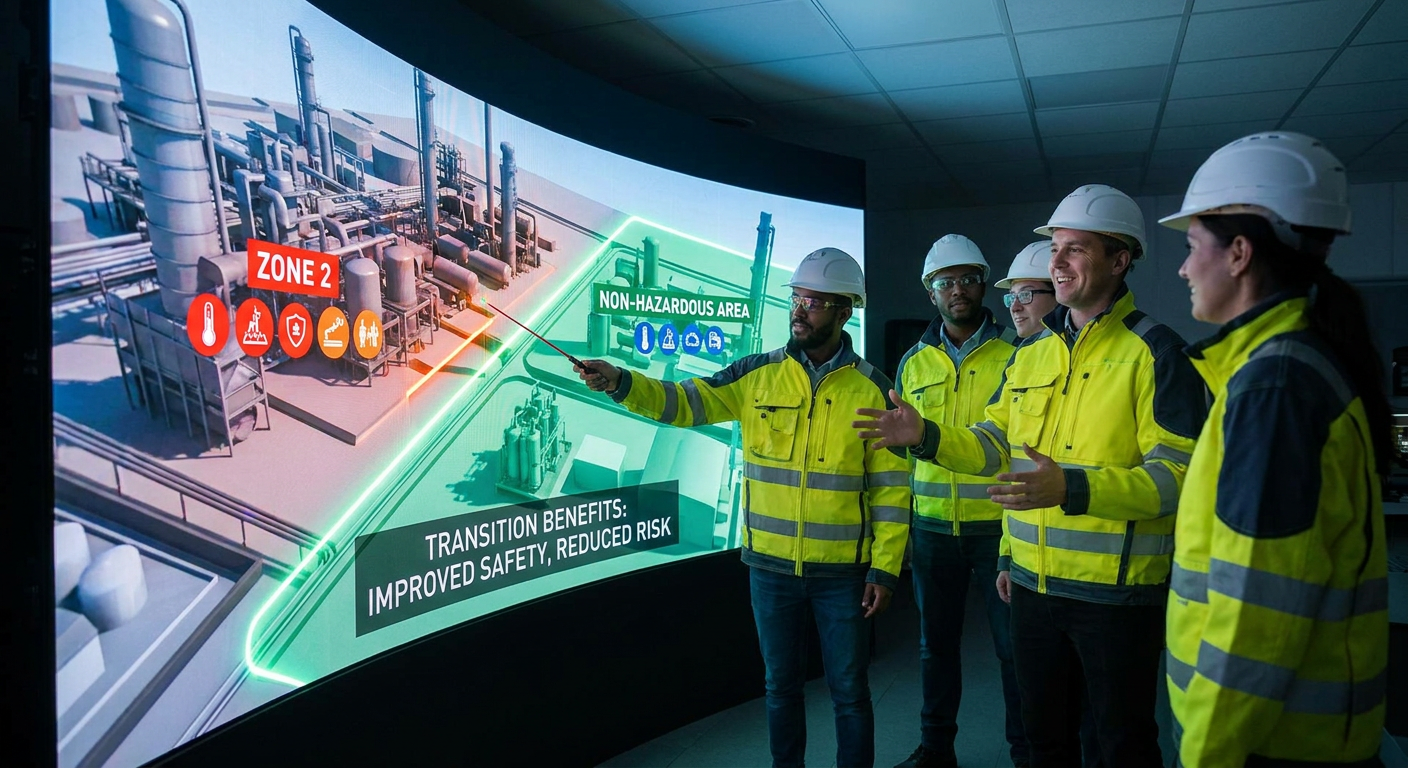
In the world of industrial operations, the designation of a Zone 2 hazardous area often feels like a permanent, unchangeable reality—a necessary cost of doing business that brings with it a cascade of expensive equipment, restrictive work permits, and a constant, low-level operational drag. This classification, signifying a space where a flammable atmosphere is not likely in normal operation but remains a credible possibility, forces a state of perpetual vigilance and significant financial outlay. However, forward-thinking leaders in process safety and plant management are increasingly challenging this status quo. They recognise that a Zone 2 classification is not a final verdict, but rather a starting point for a profound engineering journey. This journey, the process of reclassifying or declassifying a hazardous area, is a strategic initiative that moves beyond mere compliance to achieve a state of inherent safety. It is an investment that pays remarkable dividends, transforming a high-risk, high-cost environment into a safer, more efficient, and operationally agile space, unlocking value that directly impacts the bottom line. This comprehensive guide will illuminate the path from risk to resilience, exploring the practical steps, engineering controls, and immense financial and safety benefits of strategically converting Zone 2 areas.
Master Hazardous Area Classifications
Successfully mitigating or declassifying a facility requires a rock-solid grasp of classification boundaries. Read our deep-dive guide into understanding zones, divisions, and intrinsically safe areas.
Read the Classification GuideFrom Risk to Resilience: A Guide to Reclassifying Zone 2 Hazardous Areas
In the complex world of industrial safety, the classification of hazardous areas is a foundational pillar upon which all other safety measures are built. A Zone 2 designation, as defined by standards like ATEX and IECEx, signifies an area where an explosive atmosphere consisting of a mixture with air of flammable substances in the form of gas, vapour, or mist is not likely to occur in normal operation but, if it does occur, will persist for only a short period. While this classification is less severe than Zone 1 or Zone 0, it still imposes significant restrictions and costs on operations. The very presence of a Zone 2 classification means that a credible, albeit infrequent, risk of an explosive atmosphere exists. However, this classification should not be seen as a permanent, unchangeable state. Forward-thinking organisations are increasingly looking beyond mere compliance and are actively exploring the process of converting Zone 2 areas to safer, less restrictive classifications, or even eliminating the hazardous classification altogether. This process, far from being a simple administrative change, is a profound engineering endeavour that fundamentally enhances safety, reduces operational expenditure, and unlocks significant business efficiencies.
- The journey to reclassify a Zone 2 area begins with a meticulous and critical re-evaluation of the initial Hazardous Area Classification (HAC) study.
- Once the review has identified the key factors contributing to the Zone 2 classification, the next, more transformative phase involves implementing targeted engineering controls and process modifications.
- The culmination of these efforts leads to a wealth of benefits that extend far beyond the primary goal of enhanced safety.
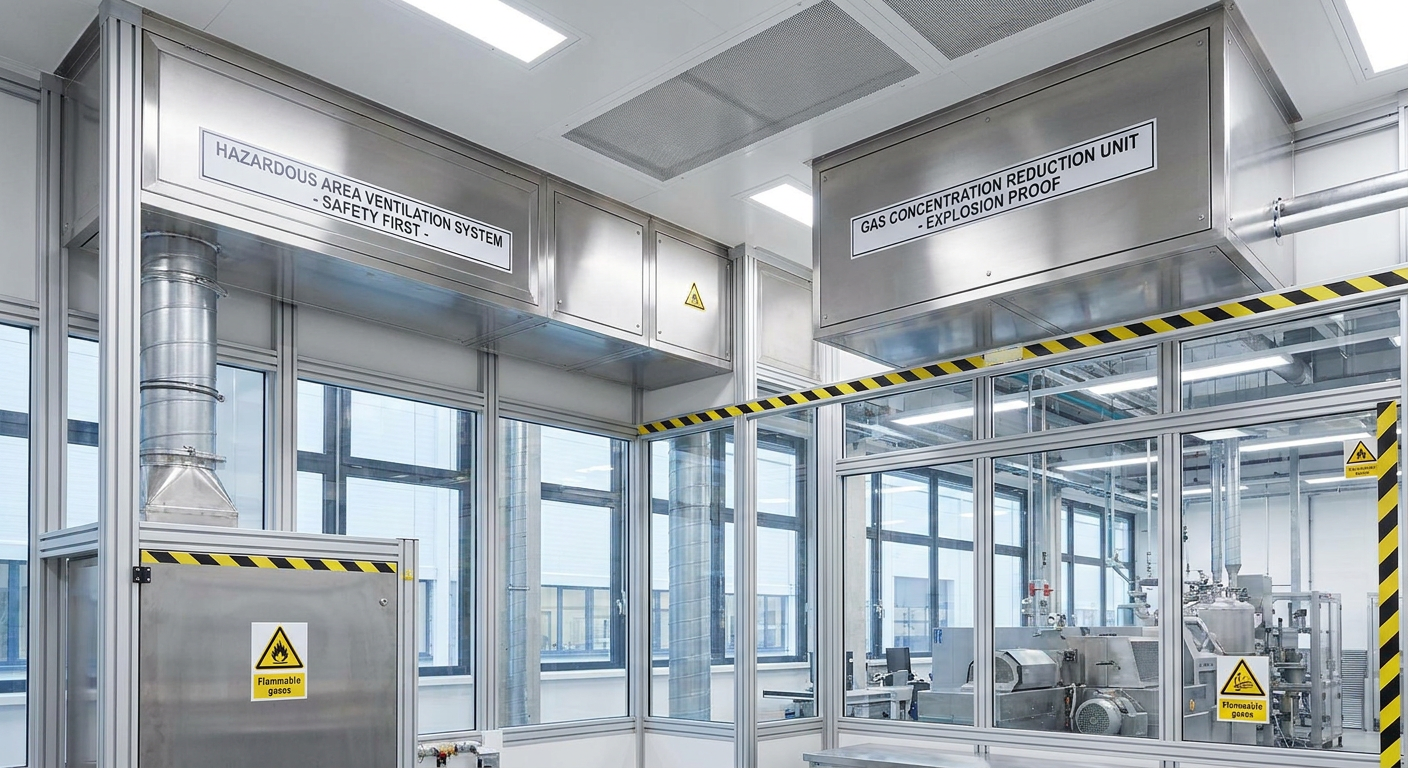
Identifying the Champions of Change: Who Should Spearhead Zone 2 Reclassification and Why?
The decision to embark on the journey of converting a Zone 2 hazardous area to a safer classification is not one to be taken lightly, nor is it the responsibility of a single individual. It represents a fundamental shift in an organisation’s approach to safety, efficiency, and operational philosophy. While the technical aspects of such a project are critical, the initial impetus and sustained momentum must come from key stakeholders who can recognise the profound, multifaceted benefits that lie beyond the initial investment. This is a strategic initiative that requires champions at multiple levels of the business, each with a unique perspective on the value proposition. From the plant floor to the executive suite, the case for reclassification resonates differently, yet when combined, these voices create a powerful and compelling argument for change. Identifying who these champions are and understanding their motivations is the first, and perhaps most crucial, step in transforming a workplace from one that merely manages risk to one that proactively eliminates it.
- At the forefront of this initiative should be the Operations and Plant Managers, the individuals who live with the daily realities and inherent friction of a Zone 2 environment.
- Working in close partnership with operations, the Health, Safety, and Environment (HSE) Manager or Safety Officer is another natural champion for reclassification.
- The Maintenance and Engineering departments are also key beneficiaries and therefore crucial advocates for this change.
RECOMMENDED EQUIPMENT FOR SAFE ZONE RECLASSIFICATION
| Product | Category | Key Specs | Price |
|---|---|---|---|
|
RamFan EFi150xx – 16″ Explosion Proof Fan
View Details
|
Explosion Proof Fan & Blower | High-capacity ventilation, ATEX/IECEx certified, durable whole-room dilution airflow. | $4,258.44 |
|
Ion Science TIGER XTL VOC Detector
View Details
|
Intrinsically Safe Gas Detector | Patented PID sensor, 0 to 5,000 ppm detection range, ATEX Zone 1 certified. | Request Quote |
|
Class 1 Division 1 Explosion-Proof Junction Box
View Details
|
Productivity Enclosures | Ignition containment, IP66/IP68 dust/water jet resistance, corrosion-proof build. | Request Quote |
Deploy Certified Engineering Controls
Upgrading pump seals, isolating components, or improving ventilation requires rugged, certified hardware. Explore our comprehensive inventory of hazardous area equipment to support your project.
Browse the Industrial Safety ShopRelated Resources
FAQs
What exactly is a Zone 2 area, and why is it considered hazardous?
A Zone 2 area is formally defined as a location in which an explosive atmosphere is not likely to occur in normal operation but, if it does occur, will persist for only a short period. It’s considered hazardous because the three components of the fire triangle (fuel, oxygen, and an ignition source) could potentially coexist. The entire safety strategy for the area must focus on rigorously controlling ignition sources.
What are the primary benefits of declassifying a Zone 2 area to a non-hazardous classification?
The primary benefits are financial, operational, and safety-related. Financially, you save on the high cost of certified equipment. Operationally, you gain flexibility and efficiency by eliminating restrictive work permits. From a safety perspective, you eliminate the hazard at its source, creating an inherently safer workplace.
How does improving ventilation play a critical role in converting a Zone 2 area?
Ventilation is a powerful engineering control that works by diluting any potential leak of flammable gas or vapor to a concentration safely below its Lower Explosive Limit (LEL). A well-designed mechanical ventilation system can ensure that an explosive atmosphere never forms, effectively removing the basis for the Zone 2 classification.
Beyond ventilation, what other steps or modifications can lead to declassification?
Other steps include process modifications to eliminate or minimize the source of the potential release. This can involve replacing flanged joints with welded connections, upgrading pump seals, or changing process conditions like temperature and pressure. Containing the hazard by enclosing the equipment is another effective technique.
Is it possible to completely eliminate a hazardous zone?
Yes, in many cases, it is possible to completely eliminate a hazardous zone through the application of engineering controls. By removing the source of the flammable substance or ensuring that an explosive atmosphere cannot form, the area can be reclassified as non-hazardous. This is the ultimate goal of a proactive safety culture.
Conclusion
Ultimately, the journey to reclassify a Zone 2 hazardous area is a powerful testament to an organisation’s commitment to a proactive and mature safety culture. It marks a deliberate shift away from the passive, and often costly, act of managing a persistent risk, towards the proactive and value-creating process of eliminating that risk at its source. While the initial investment in detailed assessments, engineering modifications, and robust verification may seem substantial, the cascading benefits create an undeniable business case. The financial rewards alone—realised through reduced capital expenditure on standard equipment, lower operational costs from simplified maintenance, and potentially decreased insurance premiums—provide a compelling return on investment. Yet, the true value transcends the balance sheet. It is found in the enhanced operational flexibility that allows maintenance teams to work faster and more efficiently, in the reduced administrative burden of complex permit-to-work systems, and most importantly, in the creation of a fundamentally safer environment for every person on site. By choosing to convert a Zone 2 area, a company is not just redrawing a line on a map; it is investing in its people, its assets, and its long-term resilience, proving that the safest facilities are, without exception, the most successful ones.
