

Intrinsically Safe Knowledge Base
Emergency Response: Safe Fans for Hazards
Introduction
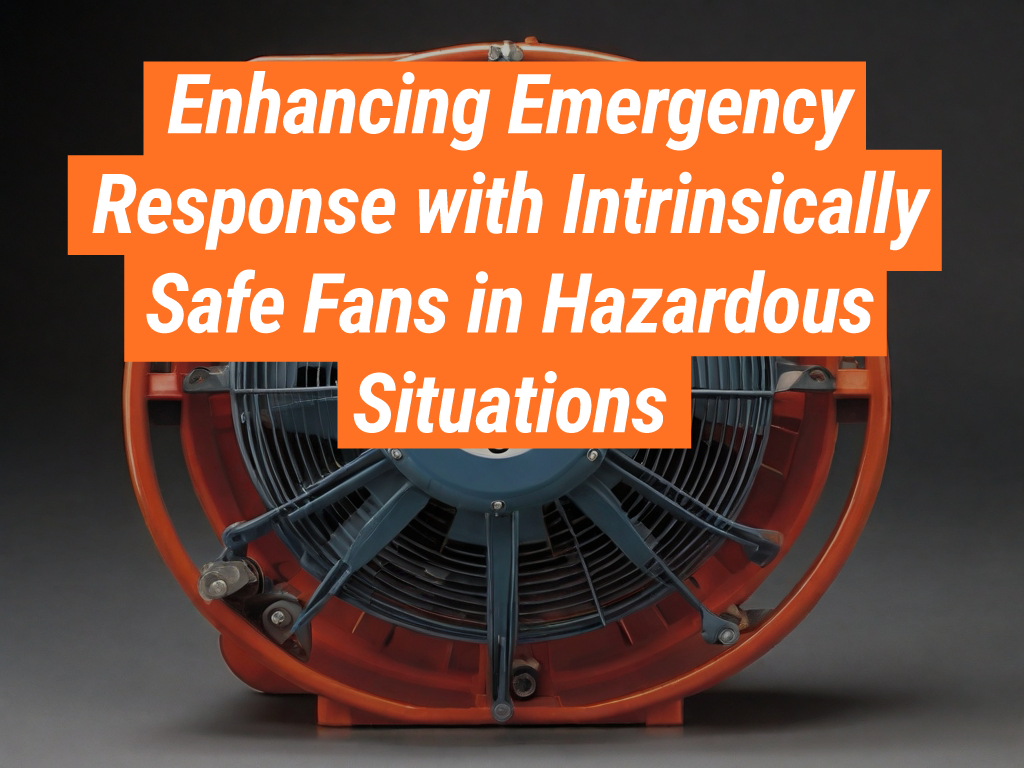
When it comes to emergency response in hazardous situations, every second counts. The right equipment can make all the difference, and that’s where Intrinsically Safe Store comes in. As a leading provider of intrinsically safe equipment, we understand the importance of reliable, high-quality tools in emergency situations. One such tool is the intrinsically safe fan, a critical component for enhancing emergency response and a critical tool for helping maintain safer conditions in volatile environments.
Understanding Intrinsically Safe Fans
Designers create intrinsically safe fans to operate in hazardous environments without causing ignition. They build these fans to withstand extreme conditions and are certified for use in specific, classified potentially explosive atmospheres. In emergency situations where ventilation is needed, such as in confined spaces or areas with harmful gases, these fans become essential.
Key Features & Benefits of Intrinsically Safe Fans
Intrinsically safe fans are engineered with specific characteristics that ensure their safe operation in environments containing flammable gases, vapors, or dust. Understanding these features is key to appreciating their role in accident prevention and emergency management.
Core Features
- Non-Sparking Materials: Constructed with specific non-sparking materials, such as certain brass or bronze alloys, or conductive plastics to prevent the buildup of static electricity.
- Certified Motors: Equipped with motors that are fully sealed and certified to prevent electrical arcing or overheating that could ignite the surrounding atmosphere.
- Durable Construction: Built to withstand harsh industrial conditions, ensuring reliability when it’s needed most.
- Grounding Lugs: Include grounding points to dissipate any static electricity buildup safely.
Primary Benefits
- Enhanced Safety: The primary benefit is the significant reduction in ignition risk, protecting personnel and assets from potential explosions.
- Regulatory Compliance: Using certified fans ensures compliance with safety standards like ATEX, IECEx, and Class/Division systems, avoiding legal and financial penalties.
- Operational Reliability: These fans provide consistent and dependable ventilation, which is crucial for maintaining safe working conditions and for effective emergency response. Our complete range of certified ventilation solutions offers options for various hazardous area classifications.
The Role of Intrinsically Safe Fans in Emergency Response
Intrinsically safe fans play a crucial role in emergency response in several ways:
- They provide ventilation in confined spaces, reducing the risk of suffocation and heat exhaustion.
- They help disperse harmful gases, reducing the risk of inhalation injuries and explosions.
- They can be used to cool down overheated equipment, preventing potential fires or explosions.
Case Study: The Impact of Intrinsically Safe Fans
A hypothetical case illustrates the importance of these fans. During a mine rescue operation following a collapse, pockets of methane gas can accumulate, posing a severe explosion risk. Rescue teams would deploy intrinsically safe fans to ventilate shafts and tunnels, safely dispersing the flammable gas without introducing a source of ignition. This allows rescuers to work more safely and helps create a more stable environment for any trapped miners.
Choosing the Right Intrinsically Safe Fan
When choosing an intrinsically safe fan, it’s important to consider factors such as the size of the space, the type of hazardous material present, and the fan’s airflow rate. At Intrinsically Safe Store, we offer a wide range of intrinsically safe fans to meet your specific needs.
Frequently Asked Questions (FAQs)
What certifications are important for intrinsically safe fans?
Look for certifications relevant to your region and industry, such as ATEX for Europe, IECEx for international use, and UL listings for North America. These certifications indicate the fan has been tested and verified to meet the requirements for specific hazardous locations (e.g., Class I, Division 1).
How do intrinsically safe fans differ from explosion-proof fans?
The core difference is the safety philosophy. Intrinsically safe equipment is designed to be incapable of producing enough electrical or thermal energy to cause an ignition. Explosion-proof equipment, on the other hand, is built to contain an internal explosion and prevent it from propagating to the outside environment. The choice depends on the specific application and risk assessment.
Can I use any intrinsically safe fan in any hazardous area?
No. Each fan is rated for specific hazardous zones or divisions (e.g., Zone 1, Zone 21, Div 1). It is critical to match the fan’s rating to the classification of the area where it will be used to ensure safety and compliance.
Conclusion
Intrinsically safe fans are an essential tool in enhancing emergency response in hazardous situations. They provide ventilation, disperse harmful gases, and can cool down overheated equipment, reducing the risk of injuries and explosions. Whether you’re a first responder, a safety officer, or a worker in a hazardous environment, investing in an intrinsically safe fan can make all the difference in an emergency situation.
Visit Intrinsically Safe Store today to explore our range of intrinsically safe fans. For more information or assistance in choosing the right fan for your needs, don’t hesitate to talk to a hazardous-area specialist.