Intrinsically Safe Products
Cable Gland Installation: ATEX & C1D1 Guide (2026)
DISCLAIMER: This guide is for informational purposes only. The installation of explosion-proof equipment must be performed by competent, certified personnel in strict accordance with manufacturer’s instructions, local codes, and relevant safety standards (e.g., IEC 60079-14). Improper installation can lead to severe injury or death. Intrinsically Safe Store assumes no liability for incidents arising from the use of this information.
Proper installation of an explosion proof cable gland is not a simple mechanical task; it’s a critical safety procedure that upholds the integrity of the entire explosion protection system. A single improperly fitted gland can compromise an enclosure’s flameproof rating, creating a direct path for ignition in a hazardous atmosphere. Knowing the correct process is non-negotiable for any technician or engineer working in environments with flammable gases, vapors, or dust. This guide details the step-by-step procedure for how to install explosion proof cable glands to ensure compliance with safety standards and protect both personnel and assets. From component verification to final torque checks, every step is essential for a secure and compliant seal.

Master Cable Gland Installations
Go beyond the basics with our detailed guide on best practices for cable gland installation, based on key industry standards.
The Critical Role of an Explosion Proof Cable Gland
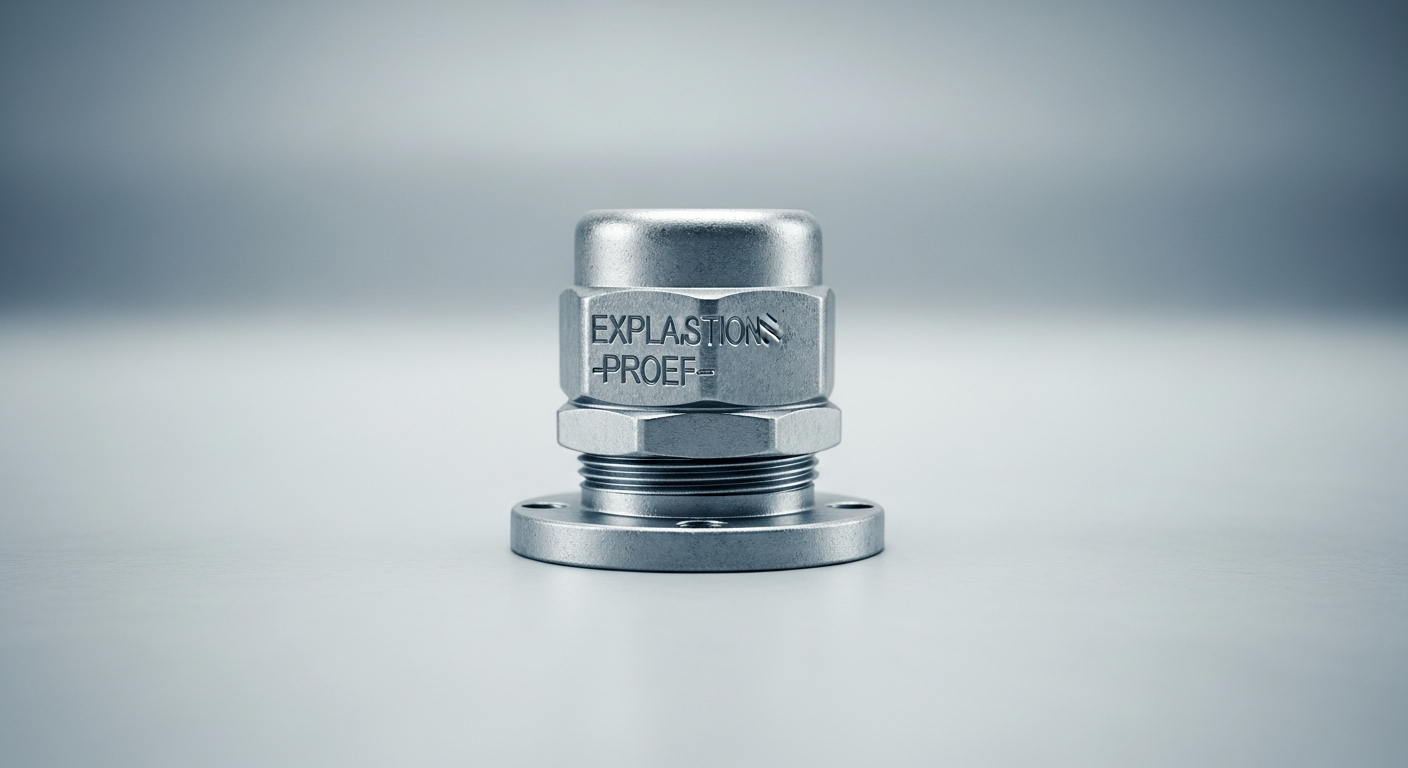
An explosion proof (Ex d) cable gland has two main jobs: securing a cable to an enclosure and maintaining the flameproof integrity of that enclosure. If an explosion occurs inside the equipment, the enclosure is designed to contain it. The cable gland is a key part of this containment. Its internal construction includes a ‘flamepath,’ engineered to cool and extinguish any hot gases trying to escape, preventing them from igniting the surrounding explosive atmosphere. A correctly installed gland ensures this flamepath works as designed. The process is governed by standards like IEC 60079-14 (e.g., Clause 10.4.2), which mandates that cable entry systems must be selected and installed by competent personnel to ensure the method of protection is not impaired. Failure to follow these procedures voids the equipment’s certification and creates a serious safety risk.
Pre-Installation Checks: Verifying Components
Before picking up any tools, a thorough pre-installation check is mandatory. Rushing this stage can lead to incorrect component matching or missed damage, both of which have serious consequences. Take the time to verify every aspect of the components and the installation environment.
- Cable Compatibility: Ensure the cable’s diameter, type (armored or unarmored), and construction are within the specified range for the gland. Using a gland with a cable that is too small will result in an inadequate seal, while a cable that is too large may not fit or may damage the gland’s sealing components.
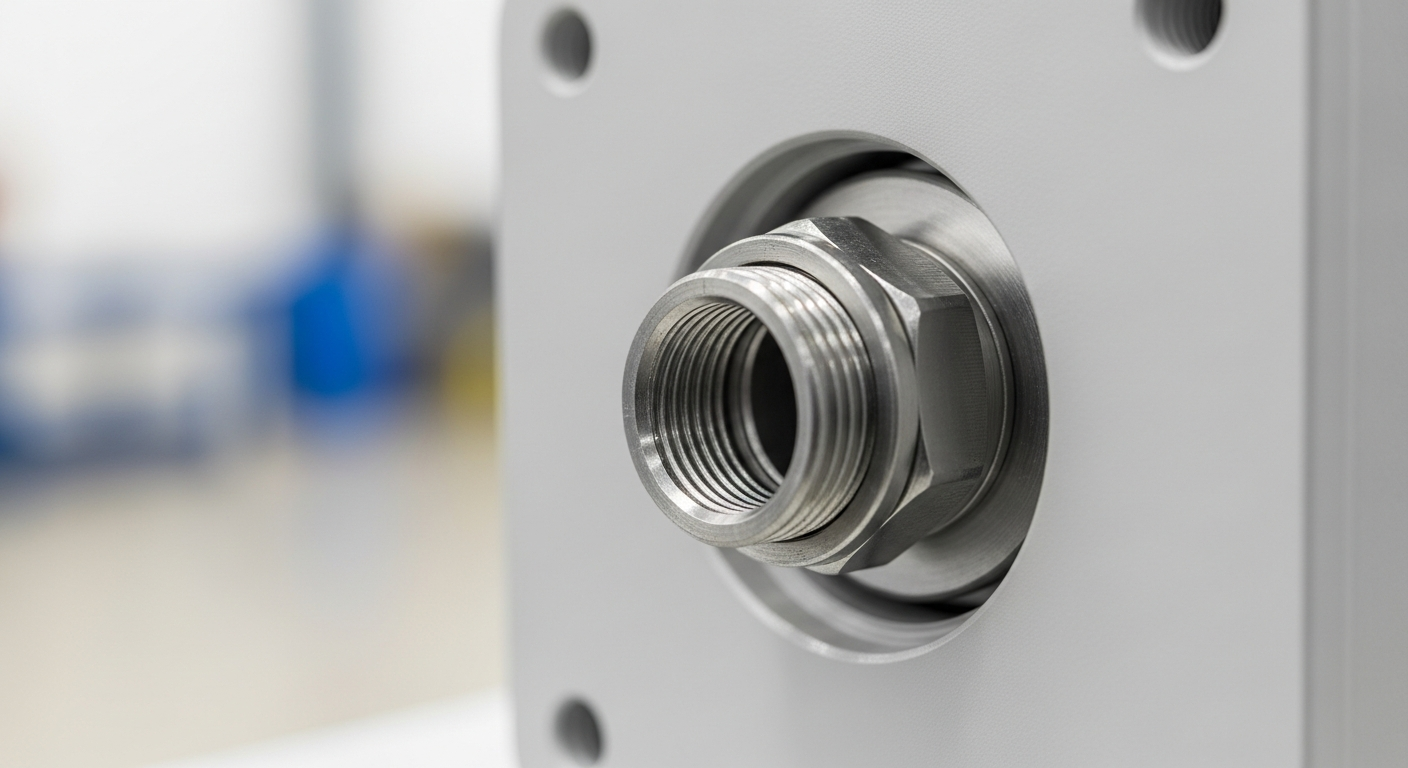
- Enclosure Entry Point: Verify that the threaded entry on the explosion proof enclosure matches the thread type and size of the cable gland (e.g., NPT, Metric). The threads must be clean, undamaged, and free of debris or burrs that could prevent a proper seal.
- Component Integrity: Inspect every part of the cable gland, including the body, seals, and any armor clamping components, for signs of damage, corrosion, or manufacturing defects. All components supplied by the manufacturer must be present and in perfect condition. Do not use parts from different manufacturers.
- Certification and Ratings: Confirm that the cable gland’s explosion protection rating (e.g., Ex d, Ex e), temperature class, and IP rating are suitable for the specific hazardous area classification where it will be installed. This information is marked on the gland itself.
Step-by-Step Installation Procedure
A methodical installation process is key to a safe and compliant result. These steps outline the standard procedure for a typical explosion proof cable gland. Always refer to the specific manufacturer’s instructions, as designs can vary between models.
- Prepare the Cable: Carefully strip the cable’s outer sheath to the required length as specified in the gland’s instruction sheet. This exposes the inner bedding or armor. Be extremely cautious not to nick or damage the inner conductors or the armor itself. For armored cables, expose the armor to the correct length for proper clamping.
- Prepare the Enclosure Entry: Ensure the threaded entry on the enclosure is clean and undamaged. If required by the certification or for IP rating, install the specified interface seal or washer between the gland and the enclosure wall.
- Assemble the Gland on the Cable: Disassemble the gland and slide the components onto the cable in the correct order. The sequence is critical for the sealing mechanism to function correctly. Typically, this involves the outer nut, the compression seal, and the main gland body.
- Install into the Enclosure: Insert the cable and gland assembly into the enclosure’s entry point. Hand-tighten the gland body into the enclosure until it is seated. Then, use a properly sized wrench to tighten it to the manufacturer’s recommended torque value. This ensures the flamepath at the thread interface is correctly engaged.
- Tighten the Sealing Nuts: First, tighten the inner seal nut (for armored cables, this engages the armor clamp) to secure the cable’s armor and create the flameproof seal. Then, tighten the outer seal nut to compress the outer seal around the cable’s sheath, providing environmental protection (IP rating). Adhere strictly to the manufacturer’s torque specifications for both nuts. Over-tightening can damage the seals, while under-tightening will result in a compromised seal.
- Final Inspection: Once fully assembled, conduct a final visual and physical inspection. Gently pull on the cable to ensure it is securely anchored. Verify that all components are correctly tightened and that the gland appears properly seated in the enclosure.
Recommended Products for Explosion Proof Cable Glands
The following products from our catalog are certified for use in hazardous areas and directly relevant to this guide:
| Product Category | Rating / Certification | Link |
|---|---|---|
| Explosion Proof Cable Glands & Accessories | ATEX / IECEx / UL Certified | Shop Now |
Shop Certified Explosion Proof Cable Glands
Ensure compliance and safety with our wide range of certified explosion proof cable glands, suitable for any hazardous environment.
Frequently Asked Questions
What is the purpose of an explosion proof cable gland?
An explosion proof cable gland securely attaches a cable to an explosion proof enclosure while maintaining the enclosure’s flameproof (Ex d) integrity. It prevents an internal explosion from igniting the surrounding hazardous atmosphere by cooling hot gases through a built-in flamepath.
How do you tighten an Ex d cable gland correctly?
You must use a calibrated torque wrench and tighten the gland components to the manufacturer’s specified torque values. This applies to both the gland body entering the enclosure and the sealing nuts on the cable. Over-tightening or under-tightening can compromise the flameproof seal and render the protection ineffective.
Can I use a standard cable gland in a hazardous area?
No, you must never use a standard, non-certified cable gland in a designated hazardous area requiring explosion proof equipment. Only glands certified for the specific protection concept (e.g., Ex d, Ex e) and environment (Zone or Division) are permitted, as they are designed to safely manage ignition risks.
What happens if a cable gland is not installed properly?
An improperly installed gland can lead to catastrophic failure. It can void the equipment’s certification, compromise the flameproof barrier, and allow an internal arc or spark to ignite external flammable substances. It also fails to provide proper cable retention and environmental sealing, leading to equipment damage.
How often should explosion proof cable glands be inspected?
Inspection frequency depends on the environment and plant maintenance schedules, but standards like IEC 60079-17 provide guidance. Glands should be part of regular visual or close inspections of hazardous area equipment to check for corrosion, damage, and tightness, ensuring the installation remains compliant.