Intrinsically Safe Knowledge Base
A Deep Dive into NEC 505 for Zone-Based Hazardous Locations
The National Electrical Code (NEC) provides the foundational safety standards for electrical installations in the United States. When operating in environments with flammable gases, vapors, or liquids, understanding the classification of hazardous areas is non-negotiable. While the traditional Division system (Article 500) is widely known, the Zone classification system, detailed in nec 505 hazardous locations, offers an alternative framework harmonized with international standards. This article provides a comprehensive guide to understanding Article 505, how it defines hazardous Zones, and its implications for equipment selection and overall facility safety. Adhering to these guidelines is crucial for preventing catastrophic events and ensuring full regulatory compliance.

Expand Your Knowledge on Area Classification
For a broader view of how different classification systems compare, our detailed chart provides a side-by-side look at NEC and ATEX standards.
Understanding the NEC 505 Zone Classification System
Article 505 of the NEC, which is part of the broader NFPA 70 Article 505, provides a three-Zone classification model for locations where flammable gases or vapors may be present. This system was introduced to align U.S. standards more closely with the international standards set by the International Electrotechnical Commission (IEC), particularly the IEC 60079 series. The primary goal is to assess the probability of an explosive atmosphere being present. Unlike the Division system, which categorizes locations as either normally hazardous (Division 1) or not normally hazardous (Division 2), the Zone system offers a more granular assessment based on the duration and frequency of the hazard’s presence. This allows for a more precise risk assessment and potentially more cost-effective equipment selection, as equipment can be specified to match the exact level of risk in a particular Zone.
Key Differences: Zones vs. Divisions
While both systems aim to ensure safety, their methodologies differ significantly. Choosing between the Division and Zone systems depends on facility preferences, existing infrastructure, and the need for international compatibility. For new installations, especially in industries with a global footprint, the Zone system is often preferred. Here are the primary distinctions:
- Granularity of Risk: The Zone system is more detailed. It uses three levels (Zone 0, 1, 2) to describe the likelihood of a flammable atmosphere, whereas the Division system uses only two (Division 1, 2).
- International Harmonization: NEC 505 aligns with IEC standards. This makes it easier for multinational corporations to standardize safety protocols and equipment procurement across facilities in different countries.
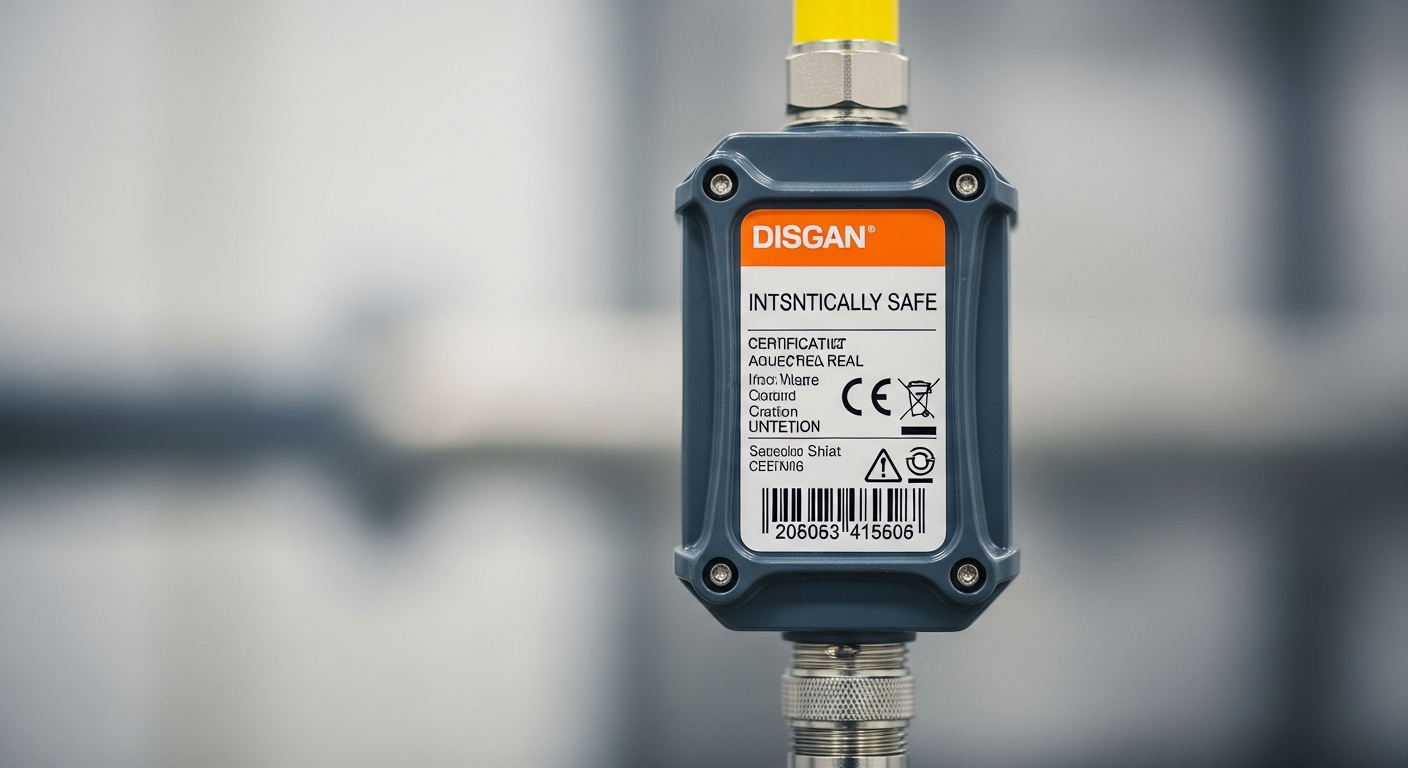
- Equipment Markings: Certification markings are different. Equipment designed for the Zone system carries markings that specify the Zone, gas group, and temperature class, which differ from the Class and Division markings.
- Application Scope: Article 505 is an alternative. The NEC permits the use of either the Division system (Article 500) or the Zone system (Article 505) for Class I locations, giving engineers and facility managers flexibility in their design approach.
Defining the Three Zones in NEC 505
Correctly identifying the Zone is the most critical step in applying Article 505. Each Zone corresponds to a specific level of risk, dictating the type of protection methods and equipment required for safe operation. The definitions are based on how often and for how long an explosive gas or vapor atmosphere is expected to exist.
- Zone 0: This is the most hazardous classification. A Zone 0 area is a location in which an explosive atmosphere is present continuously or for long periods. Examples include the vapor space of a vented tank containing a volatile flammable liquid.
- Zone 1: In a Zone 1 area, an explosive atmosphere is likely to occur in normal operation occasionally. This could be an area near a filling spout or a location where flammable liquids are transferred.
- Zone 2: This is the least hazardous of the three Zones. A Zone 2 area is a location where an explosive atmosphere is not likely to occur in normal operation but, if it does occur, will persist for a short period only. These areas are often adjacent to Zone 1 locations or in areas where flammable materials are stored in sealed containers.
Recommended Products for NEC 505 Compliance
The following products from our catalog are certified for use in hazardous areas and directly relevant to this guide:
| Product Category | Rating / Certification | Link |
|---|---|---|
| Zone 0 Certified Equipment | ATEX / IECEx Zone 0 | Shop Now |
| Zone 1 Certified Equipment | ATEX / IECEx Zone 1 | Shop Now |
Shop Certified Zone-Rated Equipment
Find globally certified equipment suitable for your Zone 0, 1, or 2 environments to ensure compliance and safety.
Frequently Asked Questions
What is the main purpose of NEC Article 505?
The main purpose of NEC Article 505 is to provide an alternative classification system for Class I hazardous locations based on Zones. This system aligns with international IEC standards, offering a more granular risk assessment by defining areas based on the frequency and duration of the presence of flammable gases or vapors.
How does the NEC 505 Zone system differ from the Division system?
The primary difference is granularity. The Zone system uses three levels of hazard (Zone 0, 1, and 2), which describe a continuous, likely, or unlikely presence of a flammable atmosphere, respectively. The Division system uses only two levels (Division 1 for normally hazardous and Division 2 for not normally hazardous).
Can ATEX-certified equipment be used in NEC 505 locations?
Not automatically. While the Zone systems are similar, equipment used in an NEC 505 location must be listed and labeled for that specific Zone by a Nationally Recognized Testing Laboratory (NRTL) in the US. Some products may carry dual certifications, but verification is mandatory.
What are the three Zones defined in NEC 505?
The three Zones are Zone 0 (explosive atmosphere is present continuously or for long periods), Zone 1 (explosive atmosphere is likely to occur in normal operation), and Zone 2 (explosive atmosphere is not likely to occur in normal operation, and if it does, only for a short time).
Does NEC 505 apply to all hazardous locations in the US?
No, it is an optional alternative to the Division system (Article 500) and applies only to Class I locations (flammable gases and vapors). It does not apply to Class II (combustible dusts) or Class III (ignitable fibers) locations, which must still use the Division system.
Chat for a Quote
Call: 832-699-6726
Conclusion
Navigating the requirements of hazardous locations is a complex but vital aspect of industrial safety. NEC Article 505 provides a modern, internationally recognized framework for classifying areas where flammable gases and vapors pose a risk. By understanding the distinctions between Zone 0, 1, and 2, engineers and safety managers can perform more accurate risk assessments, select appropriately certified equipment, and enhance overall operational safety. This alignment with global standards not only simplifies compliance for international companies but also promotes a more nuanced approach to hazard mitigation. Ultimately, a thorough grasp of the Zone system is essential for any professional working with nec 505 hazardous locations.