

Intrinsically Safe Knowledge Base
Intrinsically Safe Phone Cases: Advanced Safety Design
Introduction to Intrinsically Safe Phone Case Design
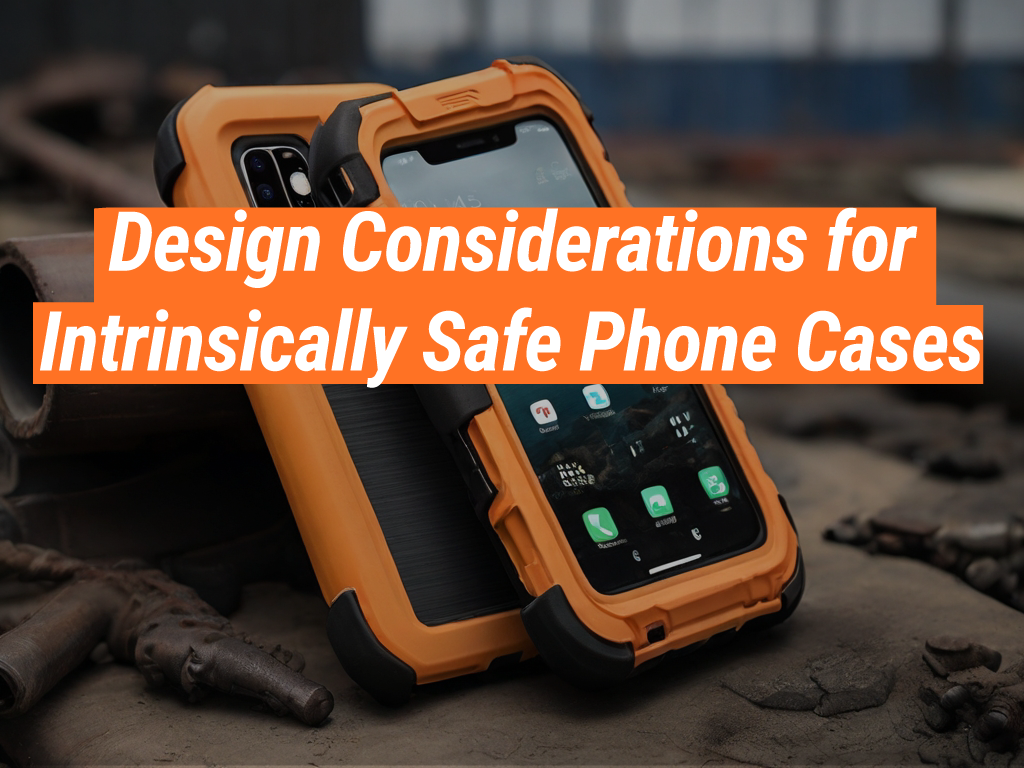
In hazardous environments where flammable gases, vapors, or dust are present, a standard mobile phone can be a fatal ignition source. This is where intrinsically safe phone cases become essential. These aren’t just rugged protectors; they are meticulously engineered enclosures designed to prevent a device from producing sparks or heat that could lead to an explosion. This article, brought to you by the experts at the Intrinsically Safe Store, will explore the critical design considerations, key features, and benefits of these vital safety components. We’ll examine how they provide protection while ensuring full device functionality in demanding industrial settings.
Understanding Intrinsically Safe Phone Cases
Designers create intrinsically safe phone cases to prevent the ignition of flammable substances in hazardous environments. They are engineered to limit the electrical and thermal energy output of the device to a level below that which can ignite flammable substances.
Key Design Considerations
When designing an intrinsically safe phone case, you must take several factors into account:
- Material: The case material should be robust and durable, capable of withstanding harsh conditions without compromising the safety features.
- Thermal Management: The case should be designed to dissipate heat effectively, preventing any potential ignition sources.
- Electrical Isolation: The case should provide sufficient electrical isolation to prevent any sparks or electrical discharges.
- Usability: Despite the safety features, the case should not hinder the usability of the phone. It should allow easy access to all buttons and ports.
Key Features & Benefits of Intrinsically Safe Phone Cases
Beyond the basic design principles, specific features deliver tangible benefits for safety and operational efficiency in hazardous locations. Understanding these is crucial when selecting the right equipment.
Robust, Anti-Static Materials
Feature: Cases are constructed from specialized non-conductive and anti-static polymers. This prevents the buildup of static electricity on the case surface, which could otherwise discharge as an incendive spark. Benefit: This directly mitigates a common ignition risk and is a critical requirement for achieving compliance with hazardous area standards like ATEX and IECEx.
Advanced Thermal Dissipation
Feature: The case design incorporates materials and sometimes structural elements (like fins or specialized linings) to effectively draw heat away from the phone’s processor and battery. Benefit: This prevents the device’s surface temperature from reaching the auto-ignition point of ambient flammable substances, a critical factor in maintaining intrinsic safety.
Certified System Integrity
Feature: The case is precision-molded to fit a specific device, creating a complete certified system. This ensures the phone’s internal components, battery, and thermal profile operate exactly as they were tested and certified, preventing modifications or faults that could compromise the intrinsically safe circuit. Benefit: This integrated system design maintains the device’s certified safety characteristics, ensuring that even under fault conditions, the energy released is insufficient to ignite the surrounding hazardous atmosphere.
Ergonomic and Functional Design
Feature: While prioritizing safety, these cases are designed for practicality. They provide tactile button covers, clear screen protectors, and precise cutouts for cameras and sensors, without compromising the protective seal. Benefit: Workers can use their devices efficiently without removing the protective case, ensuring continuous safety and productivity. This seamless usability is essential for modern industrial workflows.
Case Studies: Intrinsically Safe Phone Cases in Action
Several industries have benefited from the use of intrinsically safe phone cases. For instance, in the oil and gas industry, where flammable gases are often present, these cases have proven invaluable in preventing potential accidents. Similarly, in the mining industry, these cases have helped prevent sparks that could ignite dust explosions.
Statistics: The Impact of Intrinsically Safe Phone Cases
The global market for intrinsically safe equipment, including phone cases, continues to grow, driven by increasing awareness of workplace safety and stringent regulations for industries operating in hazardous environments.
Choosing the Right Intrinsically Safe Phone Case
When selecting an intrinsically safe phone case, consider the specific requirements of your work environment. Ensure the case meets the necessary safety standards and is certified by a recognized testing body. Additionally, consider the case’s durability, heat dissipation capabilities, and ease of use.
Frequently Asked Questions (FAQs)
What is the difference between an intrinsically safe case and a regular rugged case?
A regular rugged case is designed to protect the phone from physical damage like drops, dust, and water. An intrinsically safe case is engineered specifically to prevent the phone from creating a spark or enough heat to ignite flammable materials in a hazardous environment. It undergoes rigorous testing and certification (e.g., ATEX, IECEx) that standard cases do not.
Can I use any phone with an intrinsically safe case to make it safe for hazardous areas?
No. Intrinsically safe cases are designed and certified for specific phone models. The certification is valid only when the correct case is used with the designated phone, as the fit and thermal properties are precisely matched to ensure safety. Using an unapproved phone-case combination voids the safety rating.
How do I know if a phone case is genuinely certified as intrinsically safe?
Authentic intrinsically safe cases will have official certification markings clearly displayed on the product itself. These markings include standards like ATEX, IECEx, and North American Class/Division ratings. Always purchase from a reputable supplier like the Intrinsically Safe Store to ensure you are getting a properly certified product.
Safeguarding Hazardous Environments: The Critical Role of Intrinsically Safe Phone Cases
Intrinsically safe phone cases are a critical component of safety in hazardous environments. Their design considerations, including material choice, thermal management, electrical isolation, and usability, ensure they can prevent potential ignition sources while maintaining the functionality of the phone. As the market for these products continues to grow, it’s clear that their importance in industries such as oil and gas and mining cannot be overstated.
At Intrinsically Safe Store, we understand the importance of safety in hazardous environments. We offer a wide range of intrinsically safe products, including phone cases, designed with these considerations in mind. For more information or to explore our certified product range, talk to a hazardous-area specialist today.