

Intrinsically Safe Knowledge Base
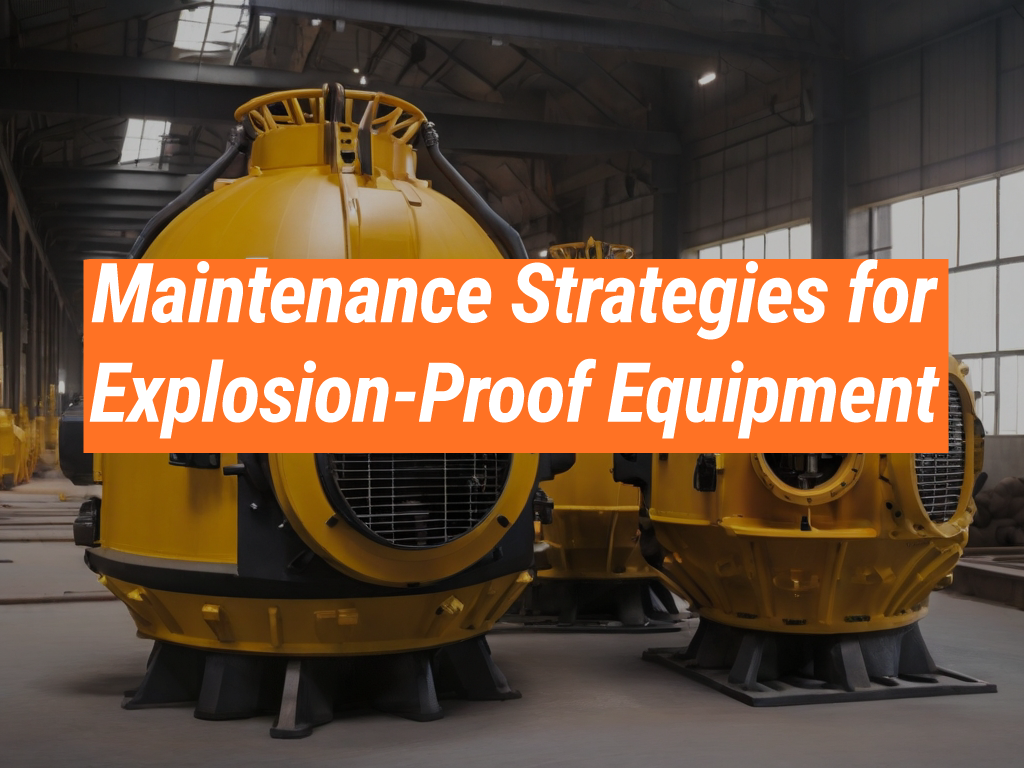
Top Maintenance Strategies for Your Explosion-Proof Equipment
Introduction
Explosion-proof equipment is a critical component in many industries, including oil and gas, mining, and manufacturing. These devices are designed to prevent ignition of surrounding flammable or explosive atmospheres, helping to protect workers and the environment. However, like any other equipment, they require regular maintenance to function optimally. This article, brought to you by the Intrinsically Safe Store, will delve into effective maintenance strategies for explosion-proof equipment. We invite you to visit our website for more information on explosion-proof and intrinsically safe products.
Understanding Explosion-Proof Equipment
Before we delve into maintenance strategies, it’s crucial to understand what explosion-proof equipment is. Designers create these devices to contain and control sparks or explosions within their housing, which prevents them from igniting the surrounding atmosphere. This containment method relies on the integrity of the enclosure and its flame paths. People commonly use them in hazardous environments where flammable gases, vapors, or dust are present.
Key Features & Benefits of Well-Maintained Equipment
Proper maintenance ensures that the key protective features of explosion-proof equipment remain effective. These features are engineered to precise specifications and can be compromised by neglect. The primary benefits of a robust maintenance program are enhanced safety, compliance, and operational efficiency.
Core Protective Features
- Robust Enclosures: The housing is designed to withstand the pressure of an internal explosion and prevent flames from escaping. Inspections must check for cracks, corrosion, or damage to the enclosure itself.
- Flame Paths: These are the joints and gaps in an enclosure (like where a lid meets the body) designed to cool escaping hot gases from an internal ignition, so they cannot ignite the external atmosphere. These paths must be kept clean and free from damage or improper materials like grease.
- Seals and Gaskets: These components are critical for maintaining the enclosure’s ingress protection (IP) rating, preventing dust and moisture from damaging internal components and corroding the flame paths. While the gasket itself is not typically part of the flameproof protection method, its failure can compromise the long-term integrity of the metallic flame paths. They must be checked for brittleness, cracks, and proper compression.
Key Benefits
- Enhanced Safety: The most crucial benefit is significantly reducing the risk of catastrophic accidents, protecting personnel and facilities.
- Regulatory Compliance: Regular, documented maintenance is often required by regulatory bodies like OSHA and standards like the NEC (National Electrical Code) and IECEx.
- Extended Equipment Lifespan: Proactive maintenance prevents minor issues from becoming major failures, extending the service life of valuable assets.
- Reduced Downtime: Scheduled maintenance minimizes unexpected equipment failures, leading to greater operational uptime and productivity.
Importance of Regular Maintenance
Regular maintenance of explosion-proof equipment is essential for several reasons:
- Ensures the equipment is functioning optimally
- Prevents potential safety hazards
- Extends the lifespan of the equipment
- Reduces downtime due to equipment failure
Maintenance Strategies for Explosion-Proof Equipment
Here are some effective maintenance strategies for explosion-proof equipment:
Regular Inspections
Regular inspections are crucial to identify any potential issues before they escalate. This involves checking for signs of wear and tear, corrosion, or damage to the equipment. A detailed checklist based on the manufacturer’s recommendations should be used, covering bolts, enclosures, gaskets, and cable entries.
Proper Cleaning
Explosion-proof equipment should be cleaned regularly to remove dust, dirt, and other contaminants that could affect its performance or obscure potential defects. However, it’s essential to use approved cleaning methods and materials to avoid damaging the equipment or its certifications.
Timely Repairs and Replacements
If any issues are identified during inspections, they should be addressed immediately. This may involve repairing or replacing parts with manufacturer-approved components to ensure the equipment continues to function optimally and maintains its safety certification.
Training of Personnel

Personnel handling explosion-proof equipment should be adequately trained on its operation and maintenance. This ensures they can identify and address issues promptly, reducing the risk of equipment failure. Training should include recognizing certification marks and understanding the limits of on-site repairs.
Case Study: The Impact of Regular Maintenance
Findings from occupational safety bodies, such as the National Institute for Occupational Safety and Health (NIOSH), have consistently shown that regular maintenance of explosion-proof equipment significantly reduces the risk of accidents in industries such as mining. This body of research highlights the importance of regular inspections, proper cleaning, and timely repairs in maintaining the safety and efficiency of explosion-proof equipment.
Frequently Asked Questions (FAQs)
How often should explosion-proof equipment be inspected?
The frequency of inspection depends on the equipment type, environmental conditions (e.g., corrosive atmosphere), and regulatory requirements (like NEC or ATEX directives). Manufacturers provide baseline recommendations, but a facility’s risk assessment may require more frequent checks, ranging from weekly visual inspections to in-depth annual reviews.
Can I perform maintenance and repairs on explosion-proof equipment myself?
Only personnel who are specifically trained and qualified in explosion-proof equipment maintenance should perform these tasks. Unauthorized modifications or repairs, such as using incorrect bolts or gaskets, can void the equipment’s certification and compromise its safety features.
What is the difference between explosion-proof and intrinsically safe equipment?
The core difference is the protection method. Explosion-proof (Ex d) equipment is designed to contain an internal explosion within its robust enclosure, preventing it from igniting the external hazardous atmosphere. Intrinsically Safe (IS) equipment works by limiting the electrical and thermal energy to a level below that which can ignite a specific hazardous atmospheric mixture, even under fault conditions.
Conclusion
Maintaining explosion-proof equipment is crucial in ensuring the safety and efficiency of operations in hazardous environments. Regular inspections, proper cleaning, timely repairs, and training of personnel are all effective strategies in maintaining these devices. Remember, the goal is not just to maintain the equipment but to ensure it continues to function optimally, helping to protect workers and the environment.
For more information on selecting the right certified products for your needs, explore the complete catalog at the Intrinsically Safe Store. If you have any questions or need assistance with your maintenance strategy, don’t hesitate to talk to a hazardous-area specialist.