

Intrinsically Safe Knowledge Base
Risk Mitigation Strategies: Hazardous Electrical Equipment
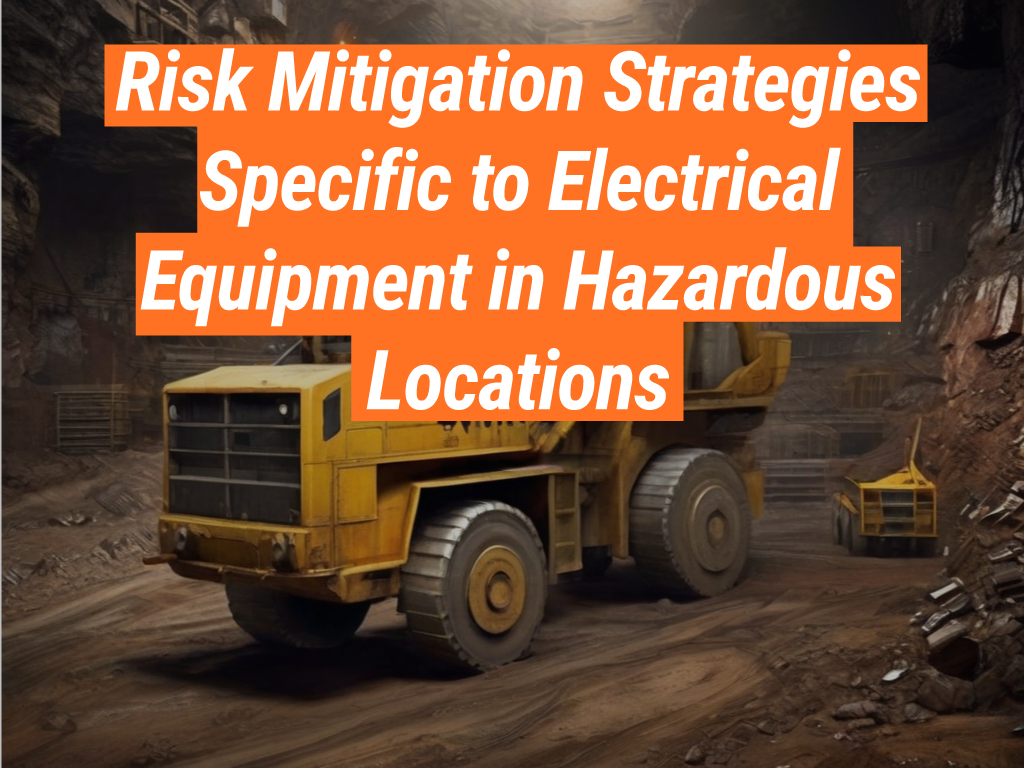
Introduction to Risk Mitigation in Hazardous Environments
Welcome to the Intrinsically Safe Store, your one-stop-shop for all your safety equipment needs. We dedicate ourselves to providing you with the most reliable and up-to-date information on risk mitigation strategies for electrical equipment in hazardous locations. Operating in environments with flammable gases, vapors, or combustible dusts requires a robust safety framework to protect personnel, assets, and the surrounding community. This guide outlines the essential strategies and technologies available to minimize risks effectively. Visit our website to explore our wide range of certified safety products.
Understanding the Risks
Electrical equipment in hazardous locations poses significant risks, including fires, explosions, and electrical shocks. These risks can lead to severe injuries, fatalities, and substantial financial losses. According to the U.S. Bureau of Labor Statistics, electrical accidents accounted for 6% of all workplace fatalities in 2019.
Identifying Hazardous Locations
Hazardous locations are areas where flammable liquids, gases, vapors, or combustible dusts exist in sufficient quantities to cause a fire or explosion. Examples include oil refineries, chemical plants, grain elevators, and fuel storage facilities. Properly classifying these hazardous locations according to standards like NEC, ATEX, or IECEx is the first step in selecting appropriate and compliant equipment.
Risk Mitigation Strategies
Effective risk mitigation strategies for electrical equipment in hazardous locations include:
- Using Intrinsically Safe Equipment: Designers create intrinsically safe equipment to prevent the ignition of flammable substances. It limits the available energy, both electrical and thermal, for ignition.
- Regular Inspections and Maintenance: Regular inspections and maintenance can identify and rectify potential issues before they become significant problems.
- Training and Education: We should train employees on the risks associated with electrical equipment and how to operate it safely.
- Implementing Safety Protocols: Safety protocols, such as lockout/tagout procedures, can prevent accidental activation of equipment during maintenance or repair.
Key Features & Benefits of Intrinsically Safe Equipment
Intrinsically Safe (IS) equipment is a cornerstone of modern risk mitigation. Its design philosophy focuses on preventing ignition rather than containing it. Here are its key features and benefits:
Key Features
- Low-Energy Circuitry: The core feature of IS devices is their inability to produce a spark or thermal effect sufficient to ignite a hazardous atmosphere. This is achieved through careful circuit design that limits voltage and current.
- Fault Tolerance: IS systems are designed to remain safe even when faults occur, such as short circuits or component failures.
- Certified and Labeled: All IS equipment is rigorously tested and certified by third-party agencies (like UL, ATEX, IECEx) and is clearly labeled for use in specific hazardous zones or divisions.
Core Benefits
- Enhanced Safety: The primary benefit is the prevention of explosions, providing the highest level of protection for personnel and facilities.
- Regulatory Compliance: Using certified intrinsically safe equipment ensures compliance with national and international safety standards, avoiding legal penalties and operational shutdowns.
- Operational Flexibility: IS equipment is often lighter and less cumbersome than explosion-proof alternatives. This allows for live maintenance without needing to shut down an entire process area, improving uptime and efficiency.
Case Study: The Importance of Intrinsically Safe Equipment
A case study from the Chemical Safety Board highlights the importance of using intrinsically safe equipment. In 2008, a sugar refinery in Georgia experienced a catastrophic explosion, resulting in 14 fatalities and numerous injuries. Combustible sugar dust ignited by an electrical spark caused the explosion. The use of intrinsically safe equipment could have prevented the explosion.
Frequently Asked Questions
What is the primary principle behind intrinsically safe equipment?
The primary principle is energy limitation. It ensures that the electrical and thermal energy within a device is kept below the level required to ignite a specific hazardous atmospheric mixture. This prevents sparks and hot surfaces from causing a fire or explosion.
Can any electrical equipment be used in a hazardous location if it’s inside an explosion-proof enclosure?
While explosion-proof enclosures are a valid protection method, they are not the same as intrinsic safety. An explosion-proof enclosure contains an explosion, whereas intrinsically safe equipment prevents the explosion from occurring in the first place by limiting energy. The choice depends on the application, classification of the area, and maintenance requirements.
How often should intrinsically safe equipment be inspected?
Regular inspections are crucial. The frequency depends on the environment, equipment type, and local regulations. Generally, visual inspections should be frequent, while detailed inspections by qualified personnel should be conducted at least annually or according to manufacturer guidelines and site-specific risk assessments.
Mitigating Risks: Electrical Equipment in Hazardous Locations
Implementing risk mitigation strategies for electrical equipment in hazardous locations is crucial to prevent accidents and ensure the safety of employees. By using intrinsically safe equipment, conducting regular inspections and maintenance, providing training and education, and implementing safety protocols, businesses can significantly reduce the risks associated with electrical equipment in hazardous locations.
At the Intrinsically Safe Store, we are committed to helping you create a safer work environment. Visit our website to explore our range of intrinsically safe equipment or talk to a hazardous-area specialist for a safety consultation.