Intrinsically Safe Products
Portable Gas Monitor Selection for Confined Space Entry
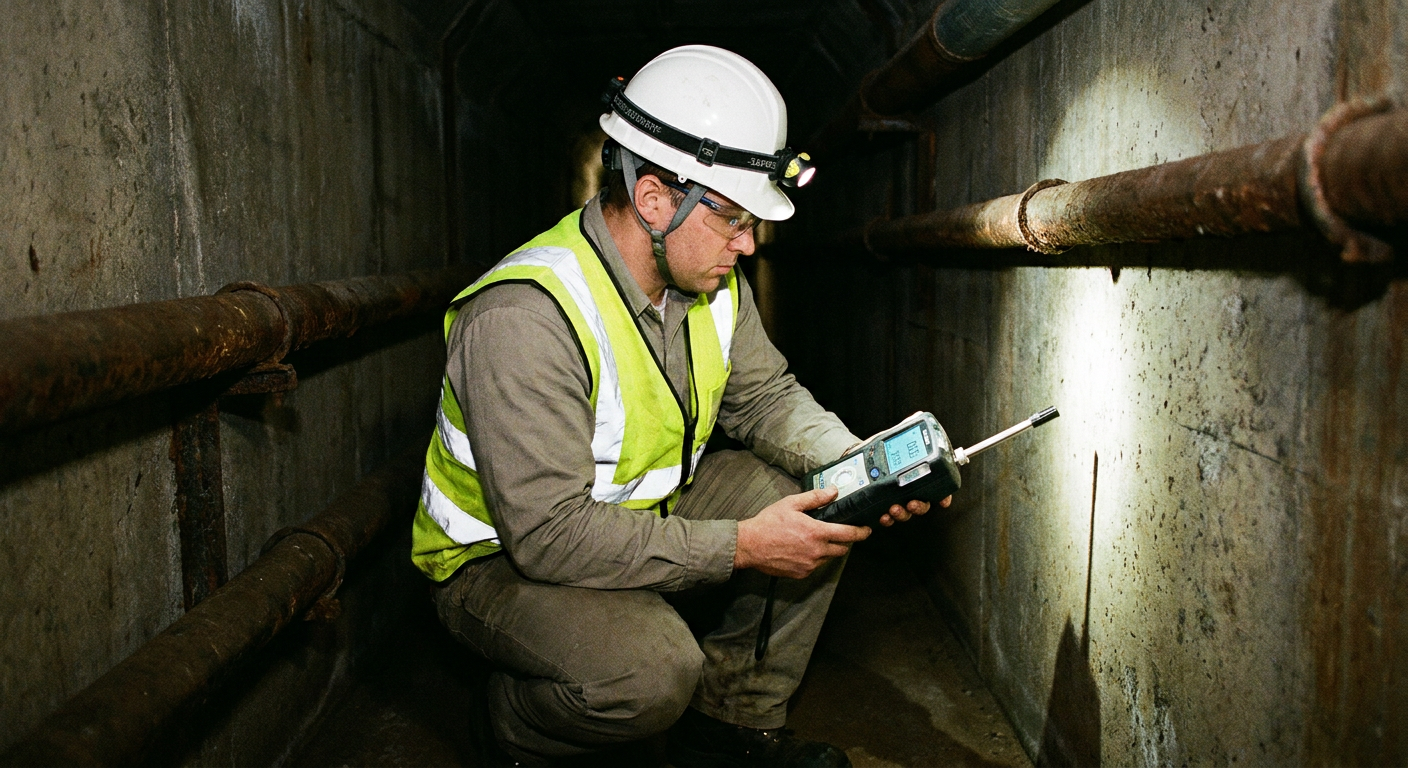
The air in a confined space is a silent unknown. Before a worker takes that first step over the threshold of a manhole, into a tank, or down into a utility vault, they are placing their absolute trust in the preparation that has been done and the equipment they carry. In this enclosed world, where the atmosphere can shift from life-sustaining to lethal in mere moments, a portable gas monitor is not just a tool; it is an extension of the senses, a lifeline, and the single most important piece of equipment standing between a routine workday and a catastrophic event. This guide is designed to cut through that fog, providing a clear, comprehensive roadmap for safety professionals, supervisors, and workers alike, empowering you to make an informed, confident, and ultimately life-saving decision.
Deciphering Global Safety Standards
Confined space safety requires a clear understanding of ATEX, IECEx, and North American certifications. Read our comprehensive guide to compare international standards and ensure your facility stays compliant.
Navigating the Essentials: A Deep Dive into Portable Gas Monitor Selection
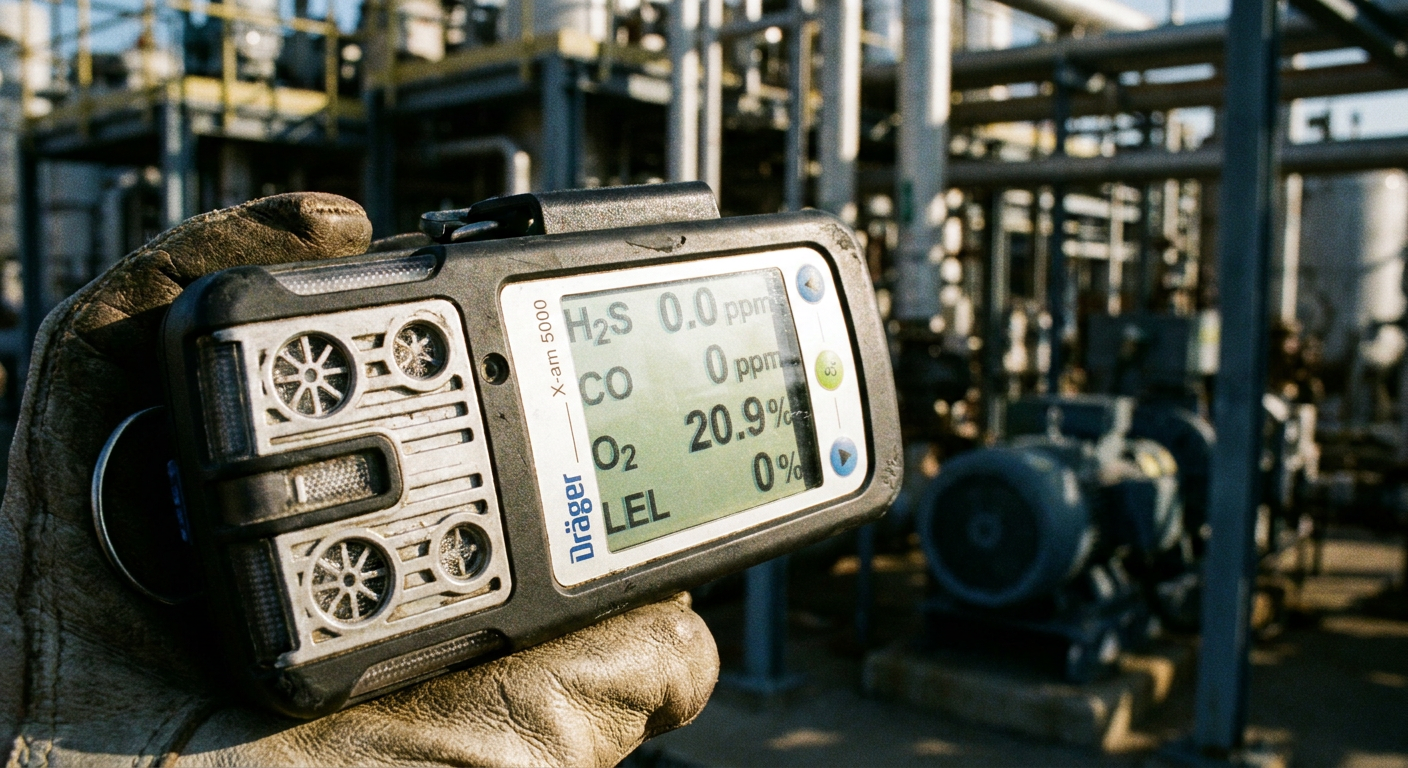
Selecting a portable gas monitor for confined space entry is not merely a procurement task; it is a foundational decision in a comprehensive safety protocol. The cornerstone of most confined space gas detection programs is the ubiquitous four-gas monitor. This configuration has become the industry standard because it addresses the most common and immediate atmospheric threats found in a wide variety of confined spaces.
- Oxygen (O2): Monitors for both oxygen deficiency (below 19.5%) and oxygen enrichment (above 23.5%).
- Combustible Gases (%LEL): Detects a mixture of gas and air that is approaching the minimum concentration required to ignite.
- Toxic Gases (CO & H2S): Alerts to the presence of Carbon Monoxide and Hydrogen Sulfide, two of the most common toxic gases.
Key Considerations for Selection
Beyond the standard four gases, a thorough risk assessment is crucial. The specific nature of the confined space and the work being performed must dictate the sensor configuration.
- Site-Specific Hazard Analysis: Are you entering a vessel that previously contained solvents, fuels, or other chemical compounds? If so, you may need a Photoionization Detector (PID) for Volatile Organic Compounds (VOCs).
- Sensor Technology: Understand the difference between catalytic bead and infrared (IR) sensors for combustibles. IR sensors are not susceptible to poisoning and can function in low-oxygen environments.
- Physical and Functional Characteristics: The monitor must be Intrinsically Safe, have a high IP rating for durability, and feature loud, clear alarms.

Product Comparison
| Product | Category | Main Specs | Certification | Internal Link |
|---|---|---|---|---|
| SENKO MGT | Portable Gas Monitor | Pumped, 1-4 gases, O2, LEL, CO, H2S | ATEX, IECEx, UL | Shop Now |
| Ion Science TIGER XT | Portable Gas Monitor | Handheld VOC Detector, PID Sensor | ATEX, IECEx, UL | Shop Now |
| SENKO SGT | Portable Gas Monitor | Replaceable Single-Gas Detector | ATEX, IECEx, UL | Shop Now |
Certified Protection for Zone 0 Environments
When lives are on the line in the most hazardous atmospheres, you need equipment rated for continuous exposure. Explore our specialized range of ATEX Zone 0 certified gas detectors for maximum reliability.
Related Resources
FAQs
What gases do I actually need to monitor, and why are the “standard four” so common?
The “standard four” (O2, LEL, CO, H2S) cover the most common and immediate threats to life in confined spaces. However, a site-specific risk assessment is necessary to determine if other toxic gases are present.
Should I choose a pumped monitor or a diffusion monitor?
A pumped monitor is essential for pre-entry testing, while a diffusion monitor is excellent for personal monitoring inside the space. A complete program requires both.
When is a standard four-gas monitor not enough?
A standard four-gas monitor is not enough when your risk assessment identifies the potential for other toxic gases, such as VOCs, chlorine, or ammonia.
What is the difference between a bump test and a calibration?
A bump test is a brief exposure to gas to verify sensor and alarm function, and should be done daily. Calibration is a more rigorous adjustment to a certified standard and is done periodically.
How does intrinsic safety relate to gas monitors?
An intrinsically safe gas monitor is certified to be incapable of producing a spark or thermal effect that could ignite a flammable atmosphere, which is a critical safety feature.
Chat for a Quote
Call: 832-699-6726
Conclusion
The selection of a portable gas monitor is a critical decision that should be based on a thorough risk assessment and a deep understanding of the available technology. By choosing the right monitor and implementing a robust safety program, you can ensure the safety of your workers in confined spaces.