

























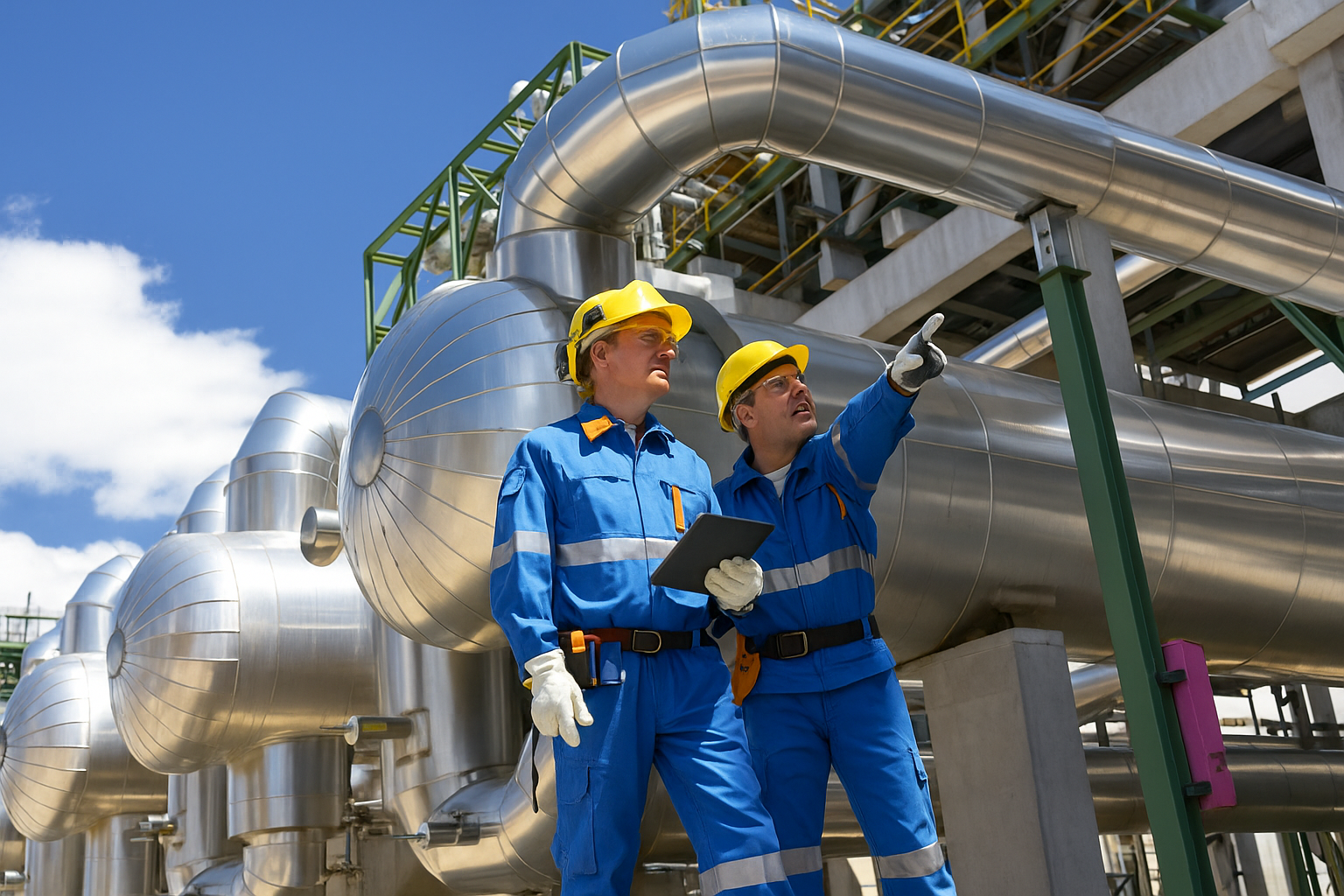
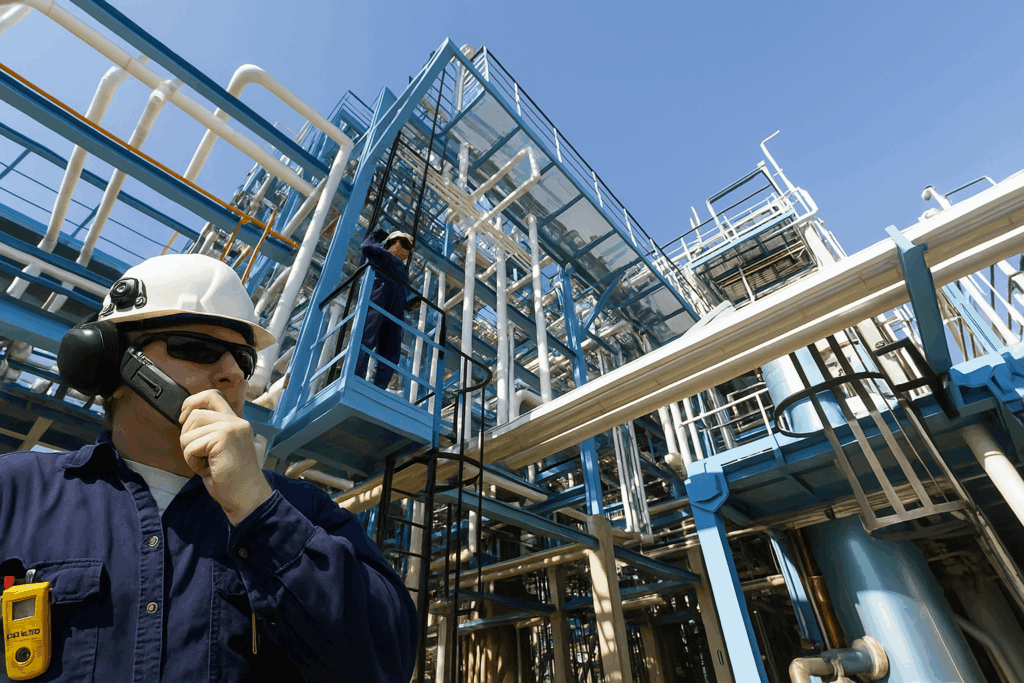
Chemical processing plants are among the most safety-sensitive environments on Earth. Explosive gases, flammable vapors, and airborne dust are part of daily operations. To avoid catastrophic ignition risks, all electronic devices used in hazardous zones must be intrinsically safe—built to operate without releasing enough energy to ignite dangerous substances.
This article explains what makes a device intrinsically safe for chemical plants, the required certifications, how the technology works, and which certified products you can use—available now at Intrinsically Safe Store.
What Does “Intrinsically Safe” Mean in a Chemical Plant Setting?
A device is intrinsically safe (IS) when its internal electrical and thermal energy is too low to ignite a hazardous atmosphere—even in the event of a fault. This means that under no circumstances can it generate sparks or excessive heat capable of igniting gas or vapor.
Why Is This Critical in Chemical Plants?
Chemical plants commonly work with:
Hydrogen, ammonia, acetone, and ethylene
Solvent mists and volatile organic compounds (VOCs)
Powdered chemicals that become explosive when airborne
Even a single spark from an uncertified device can cause an explosion or fire. That’s why safety regulations—like ATEX (EU), IECEx (global), and UL913 (US)—require certified IS equipment in defined hazardous zones.

Key Certifications and Zone Ratings
ATEX & IECEx Standards
ATEX (EU Directive 2014/34/EU) mandates markings such as:
“Ex ia IIC T4 Ga”
Group IIC (flammable gas), T4 (135°C), Ga (Zone 0 safe)
IECEx aligns with ATEX globally for common hazardous area standards
Zone Classifications
| Zone | Definition | Typical Presence |
|---|---|---|
| Zone 0 | Explosive atmosphere is continuously present | Inside tanks or vents |
| Zone 1 | Likely during normal operation | Pumps, pipes, bottling |
| Zone 2 | Unlikely, but possible under abnormal conditions | Loading areas, storage |
Any device labeled for Zone 1 or 2 is suitable for most areas of a chemical plant.
How Intrinsically Safe Devices Are Designed
Design Principles
Energy limitation – Ensures that even in fault conditions, voltage and current remain below ignition thresholds
Temperature control – Prevents surface temperatures from exceeding ignition levels
Redundant safety barriers – Prevent faults from passing hazardous energy into explosive zones
Spark protection – Eliminates unintentional arcs in switches, connectors, and circuits
These devices are extensively tested and certified under IEC 60079 and ATEX 60079 standards.
What Devices Should Be Intrinsically Safe in Chemical Plants?
The following device types are most frequently used in flammable environments and should always carry the appropriate safety certification:
Two-Way Radios – For emergency and routine communication
Flashlights – For low-light or confined space inspection
Smartphones – For data capture, forms, and remote access
Cases – To adapt commercial devices (e.g., iPhones) for safe use in Zone 2
Recommended Intrinsically Safe Products for Chemical Plants
All of the following are certified and available directly from Intrinsically Safe Store:
1. Sensear SM1P02-IS Two-Way Radio Headset
Certification: UL/CSA Class I Div 1, ATEX/IECEx
Features:
Clear communication in noisy environments
Compatible with most two-way radios
Noise-canceling SmartMuff™ tech
Intrinsically safe for high-risk zones
Use Case: Communications near compressors, reactors, and flammable gas areas
2. Nightstick XPP-5418RX Intrinsically Safe Flashlight
Certification: ATEX Zone 1, IECEx, Class I Div 1
Features:
200-lumen beam
Impact and chemical-resistant body
Operates 10+ hours on AA batteries
Use Case: Confined space inspection, nighttime tank access
3. Rugged EDGE EdgeOne IoT Hub
Certification: ATEX-certified (check product page for specific zone)
Features:
Industrial IoT-ready
Sensor integration & real-time data capture
Rugged, modular, with multiple connectivity options
Use Case: Monitoring pressure, temperature, or chemical leaks with real-time alerts
4. XCiPhone 14 ATEX Zone 2 Case
Certification: ATEX Zone 2
Features:
Anti-static, pressure-sealed
Full camera and touchscreen functionality
Ideal for iPhone 14 adaptation
Use Case: Supervisors or field staff using existing smartphones in low-risk explosive areas
Comparison Table: Devices Intrinsically Safe for Chemical Plants
| Device | Certified For | Key Features | Best Use Case |
|---|---|---|---|
| Sensear SM1P02-IS Headset | UL/ATEX/IECEx | Noise-canceling, PTT comms | Operator comms in high-noise areas |
| Nightstick XPP-5418RX Flashlight | ATEX Zone 1 | Compact, durable, 200-lumen beam | Lighting in tanks or enclosed spaces |
| Rugged EDGE EdgeOne Hub | ATEX (Zone TBC) | Sensor integration, modular, IoT-ready | Process monitoring, gas & temp tracking |
| XCiPhone 14 ATEX Zone 2 Case | ATEX Zone 2 | Anti-static, rugged case for iPhone use | Safe data access in low-risk zones |
FAQs
What makes a device “intrinsically safe”?
A device is considered intrinsically safe when it’s engineered to prevent ignition of flammable atmospheres, even under fault conditions. This is done by limiting voltage, current, and surface temperature to safe thresholds.
Do I need Zone 0, Zone 1, or Zone 2 equipment?
Zone 0: Use for equipment inside tanks or reaction chambers (rare for handheld tools)
Zone 1: Most general-purpose equipment in hazardous plant areas
Zone 2: Safe for areas like control rooms or maintenance areas with abnormal gas presence
Can I use a regular phone with an ATEX case?
Yes—but only in Zone 2 environments. The phone must remain fully enclosed in the certified case. Never use non-IS devices in Zone 1 or Zone 0, even with a case.
Want to dive deeper? Read: What is ATEX Certification and Why It Matters
Do intrinsically safe certifications expire?
The certification itself does not expire, but manufacturers recommend:
Annual recalibration
Regular battery and firmware checks
Replacement every 3–5 years for heavily used devices
Is intrinsically safe the same as explosion-proof?
No. Intrinsically safe devices prevent ignition from ever occurring. Explosion-proof devices are built to contain an explosion if it occurs inside the enclosure. IS devices are lighter and better suited for portable use.
Conclusion
For chemical plants, using intrinsically safe devices isn’t just a compliance requirement—it’s a life-saving necessity. With volatile chemicals in constant circulation, one unprotected device could trigger a disaster.
To operate safely and stay compliant, your plant should rely on:
Certified two-way radios or headsets like the Sensear SM1P02-IS
Durable ATEX flashlights like the Nightstick XPP-5418RX
Smart, connected IoT hubs like the Rugged EDGE EdgeOne
Or flexible solutions like the XCiPhone 14 Zone 2 case for mobile productivity
