Bond Meter Accessories
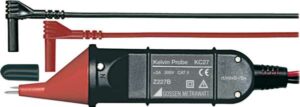
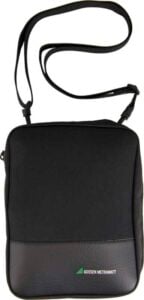
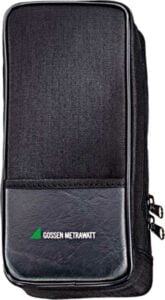
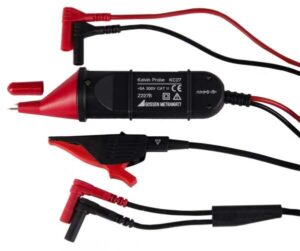
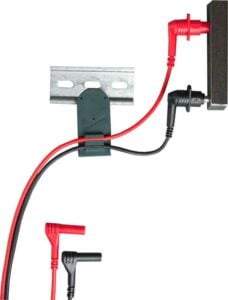
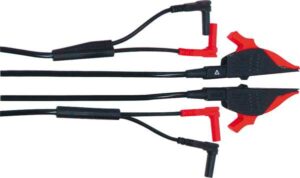
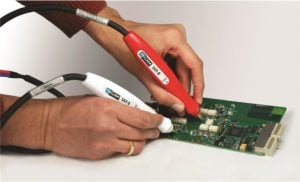
Kelvin Probe KC27 for METRAHIT 27EX Milliohmmeter
$556.02In Stock


Your Global Authority In Hazardous Areas
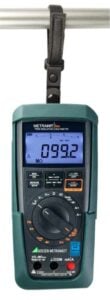
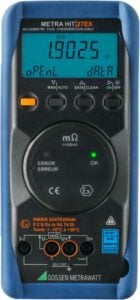
Intrinsically safe bond meters, also known as bonding testers or milliohmmeters, are specialized instruments designed to measure very low electrical resistance between two points. This measurement is critical for verifying the integrity of electrical bonds, which are essential for grounding and equipotential bonding systems in hazardous environments. By ensuring a continuous, low-resistance path to ground, these meters help prevent the buildup of static electricity, which could otherwise create a spark and ignite flammable gases, vapors, or dust. Our range of bond meters is certified for use in explosive atmospheres, providing the highest level of safety and compliance for your operations.
Choosing the right bond meter is crucial for safety and operational integrity. These devices are engineered with specific features to meet the demanding requirements of hazardous locations across various industries.
Standard multimeters are not suitable for bond testing as they lack the necessary resolution and accuracy. Our intrinsically safe bond testers provide high-precision measurements, typically in the milliohm (mΩ) and microhm (µΩ) range. Many models utilize the 4-wire Kelvin measurement method, which eliminates the resistance of the test leads from the measurement, ensuring the reading reflects only the resistance of the bond itself. This accuracy is vital for confirming compliance with strict industry standards.
The primary benefit of these meters is their intrinsic safety certification. Each device is rigorously tested and approved under standards such as ATEX (Europe) and IECEx (International) for safe operation in classified hazardous areas (e.g., Zone 0, 1, 2 or Class I, Division 1). This certification guarantees that the instrument’s electrical energy is limited to a level below what is required to cause an ignition, allowing technicians to perform tests safely without needing hot work permits.
While essential in oil & gas, chemical processing, and mining, these bond meters are indispensable in specific, high-stakes applications. Key uses include:
Designed for field use, our bond meters feature robust, durable casings with high IP (Ingress Protection) ratings to withstand dust, water, and impact. Their portable, lightweight design makes them easy for engineers and technicians to carry and operate in challenging industrial settings, from aircraft hangars to offshore platforms.
On an aircraft, a bonding meter is used to measure the electrical resistance between various metallic components of the airframe, engines, and fuel systems. This testing is crucial to ensure proper electrical bonding for lightning protection, management of electrostatic discharge (especially during refueling), and prevention of interference with sensitive avionics equipment.
Yes, all the bond meters in this category are intrinsically safe and certified for use in hazardous areas. They carry certifications like ATEX, IECEx, and sometimes North American approvals (e.g., CSA), making them suitable for environments with flammable gases, vapors, or dust, such as Zone 1, Zone 2, or Class I, Division 1 locations.
A bond tester is considered ‘high accuracy’ due to its ability to measure extremely low resistances, often in the milliohm (0.001 Ω) or microhm (0.000001 Ω) range. This precision is typically achieved using a 4-wire Kelvin measurement technique, which compensates for the resistance of the test leads themselves, ensuring the reading is solely that of the electrical bond being tested.
No, a standard multimeter is not suitable for bond testing. Multimeters lack the low-range resolution and accuracy required to measure the small resistance values specified in bonding standards. Furthermore, they are not intrinsically safe and using one in a hazardous area could create a spark, leading to an explosion.
The terms are often used interchangeably, as both devices are designed to measure very low resistance. A bonding meter is essentially a specialized type of milliohmmeter or microhmmeter that is ruggedized and often certified (intrinsically safe) for specific industrial applications like verifying electrical bonds for safety in hazardous areas or on aircraft.
Your cart is empty.