























Although Electrical Safety Month is officially recognized each May, safety should be a year-round priority—especially in industries where electrical hazards are ever-present. Whether you’re updating protocols, educating your workforce, or upgrading tools, this is the perfect time to reevaluate your safety practices and equipment.
Electrical failures cause over 35,000 fires annually, leading to $1.4 billion in property damage, hundreds of injuries, and avoidable fatalities. With the right approach and certified tools, many of these incidents can be prevented.
Looking to upgrade your gear? Explore intrinsically safe tools for electrical safety that meet ATEX and UL standards.
In this guide, we’ll break down essential safety certifications, highlight intrinsically safe equipment, and provide practical advice to help you reduce risks in any environment.
Why Electrical Safety Month Matters—All Year Long
Electrical Safety Month was created to raise awareness about electrical risks and promote preventive measures in both residential and industrial settings. But as electrical hazards persist year-round, the safety initiatives introduced in May should carry into every season.
Neglecting electrical safety has real consequences:
Around 150 electrical fatalities occur yearly in U.S. workplaces (BLS).
Non-certified tools are a major cause of industrial fires and explosions.
Over 60% of electrical fires could be prevented with certified safety gear.
Whether it’s June or December, now is always the right time to reassess your equipment and safety training.

Why Use Certified Electrical Safety Equipment?
Using certified equipment ensures your tools meet rigorous testing and compliance standards—reducing risk of shock, short-circuiting, and combustion in flammable environments.
Key Certifications to Look For:
| Certification | Description | Best For |
|---|---|---|
| UL (Underwriters Laboratories) | U.S. safety testing for electrical products | Homes, businesses, tools |
| ATEX / IECEx | Required for hazardous zones (flammable gases/dusts) | Oil & gas, chemical, mining |
| ENEC / CE / CEBEC | European conformity & safety marks | International operations |
| OSHA / NEC Compliance | Regulates workplace safety and installation | Industrial worksites |
If you’re working in a Class I, Division 1 or Zone 0 environment, equipment must be intrinsically safe (IS-rated).
Need help choosing certified tools? Talk to a safety expert to find the right gear for your zone.
What Are Intrinsically Safe Devices?
Intrinsically Safe (IS) equipment is engineered to prevent ignition in explosive atmospheres by limiting the energy output of the device—even during fault conditions.
Key benefits:
Prevents sparks, arcs, or overheating
Complies with OSHA, ATEX, and IECEx standards
Essential for maintenance in hazardous areas
Must-Have Certified Equipment to Reduce Electrical Hazards
Here are top tools to enhance safety—each available from Intrinsically Safe Store:
Intrinsically Safe Lighting
| Product | Certification | Features | Use Case | Price |
|---|---|---|---|---|
| Nightstick Green Laser Flashlight | ATEX, IECEx | Non-rechargeable, laser pointer, IP67 | Utility and inspection | $98.82 |
| Nightstick XPP-5414GX Dual-Light | Class I Div 1 | Dual beams, tail magnet, impact-resistant | Hands-free job site use | $45.25 |
| Nightstick XPP-5458G Headlamp | ATEX, IECEx | Strap mount, waterproof, dual-light | Hardhat mounting | $95.83 |
| Nightstick XPR-5580G VIRIBUS | Class I Div 1 | Rechargeable, 3 modes, flood & spot beam | Industrial facilities | $409.76 |
Best Choice by Role:
Electricians – XPP-5414GX Dual-Light
Inspectors / Utility crews – Green Laser Flashlight
Confined space workers – XPP-5458G Headlamp
Facility-wide lighting – VIRIBUS XPR-5580G
Intrinsically Safe Multimeter
| Product | Certification | Features | Use Case | Price |
|---|---|---|---|---|
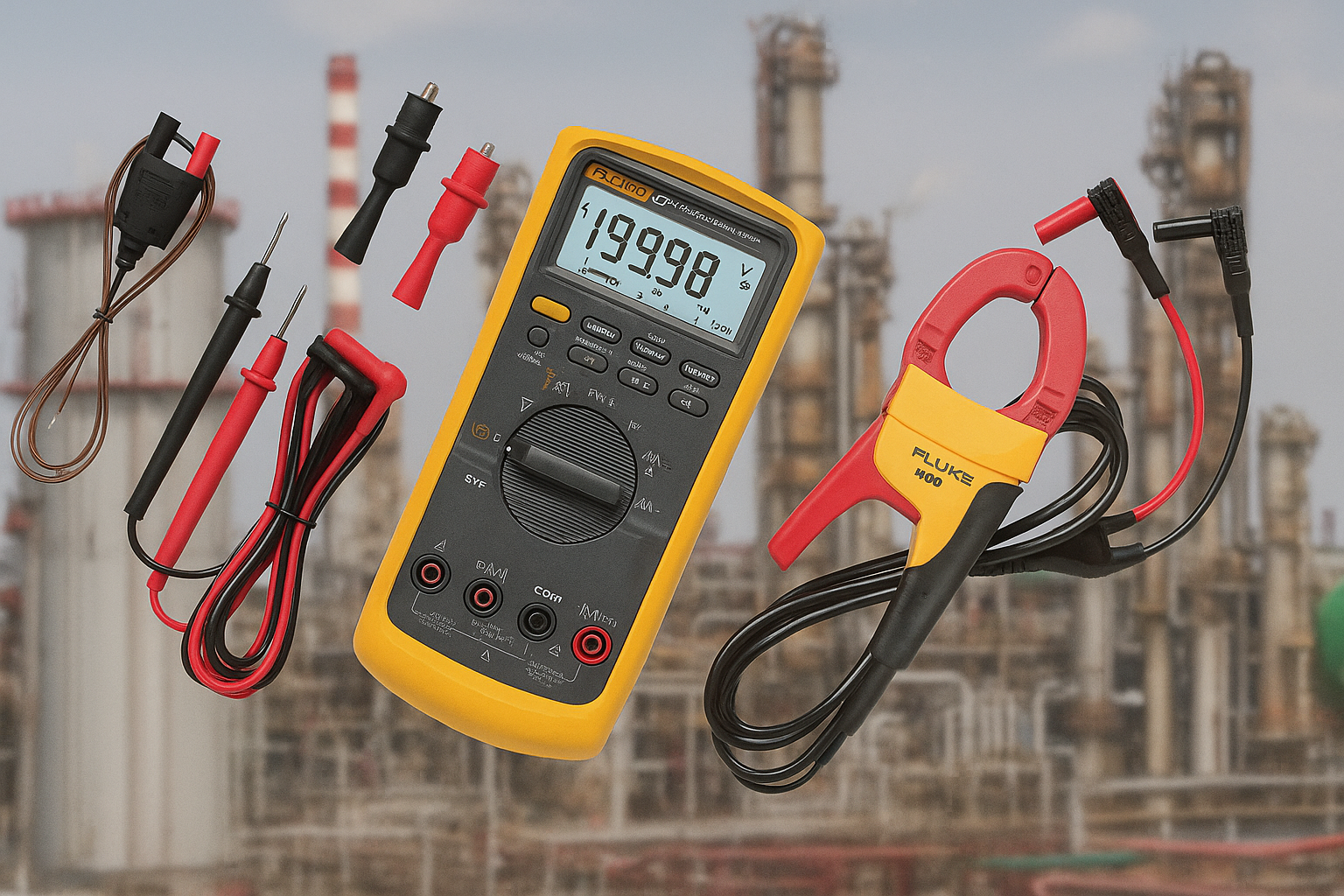
| Ecom Fluke 28 II EX Multimeter | ATEX, IECEx, UL | Measures volts, ohms, amps, temp; IP67 | Fault diagnostics in explosive environments | $2,450.00 |
Why it stands out:
Rugged & waterproof
Operates in -15°C to +55°C
Built for hazardous zones
How Do Certified Tools Reduce Workplace Accidents?
Studies by ESFI and OSHA confirm that certified electrical devices significantly reduce the incidence of:
Arc flashes and burns
Electric shock injuries
Equipment-triggered explosions
Real Impact:
GFCIs and AFCIs reduce home electrocution risk by up to 80%
Certified hand tools reduce arc-blast injury risk by over 60%
Intrinsically safe gear eliminates ignition sources in ATEX Zones
FAQs About Electrical Safety
What does Electrical Safety Month promote?
It encourages routine inspections, safety audits, and the adoption of certified safety tools in both homes and hazardous workplaces.
What makes a tool intrinsically safe?
An IS-rated tool is designed to prevent sparks or heat during use or failure. It won’t ignite gases, vapors, or dust in explosive atmospheres.
Can I use regular tools in an ATEX Zone 1 area?
No. Only ATEX- or IECEx-certified intrinsically safe tools are permitted in these environments. Using non-compliant gear is a safety and legal violation.
How can I confirm certification?
Check the device’s product label for ATEX, UL, or IECEx marks. Intrinsically Safe Store includes certification details on all product listings.
Is a flashlight really that dangerous?
Yes. If used in a flammable gas zone, a standard flashlight can trigger an explosion. IS-rated flashlights are sealed and current-limited for safety.
Electrical Safety Checklist for Industrial Sites
Before your next audit or shutdown, use this quick checklist to eliminate hidden hazards:
Replace worn extension cords and outlets
Install UL-listed GFCI and AFCI breakers
Use only ATEX- or UL-certified flashlights and tools
Verify certification before bringing gear into classified areas
Train employees on lockout/tagout procedures
Schedule third-party electrical audits
Label all panels and junctions clearly
Downloadable versions of this checklist are often available through ESFI.org.
Safety Tip: Conduct a Hazard Zone Walkthrough
Identify the ATEX zones or NEC classifications of your worksite. Here’s how they break down:
| Zone / Class | Description | Requires IS Gear? |
|---|---|---|
| Zone 0 / Class I Div 1 | Explosive gas present continuously | YES |
| Zone 1 / Class I Div 2 | Explosive gas present intermittently | YES |
| Zone 2 | Explosive gas unlikely, but possible | YES (in most cases) |
| Non-Classified Areas | No flammable materials present | Not required |
If your crew crosses zones regularly, opt for IS-rated gear across the board to avoid mishaps.
Final Thoughts
Electrical Safety Month may be observed in May, but its lessons apply all year long. Whether you’re upgrading to intrinsically safe flashlights or investing in certified diagnostic tools, taking a proactive approach to safety protects your people, your productivity, and your bottom line.
