























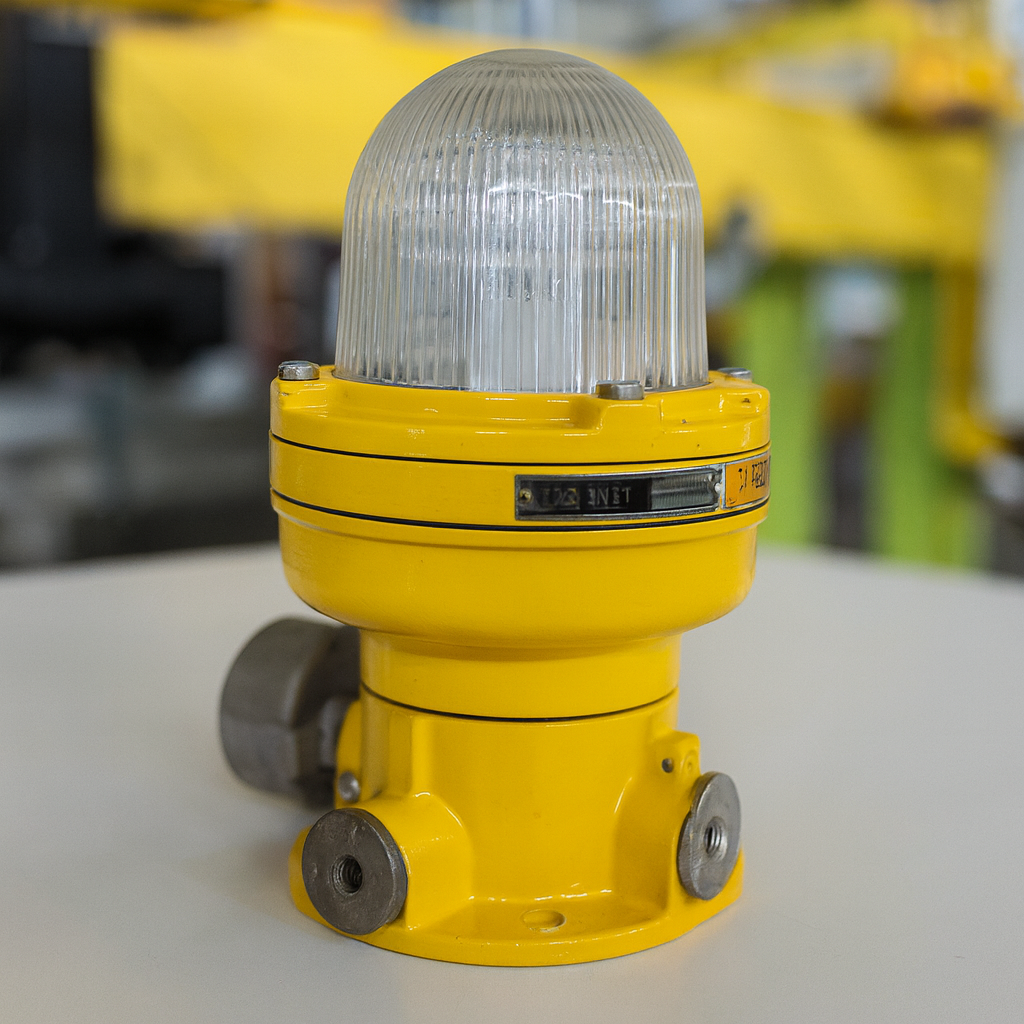
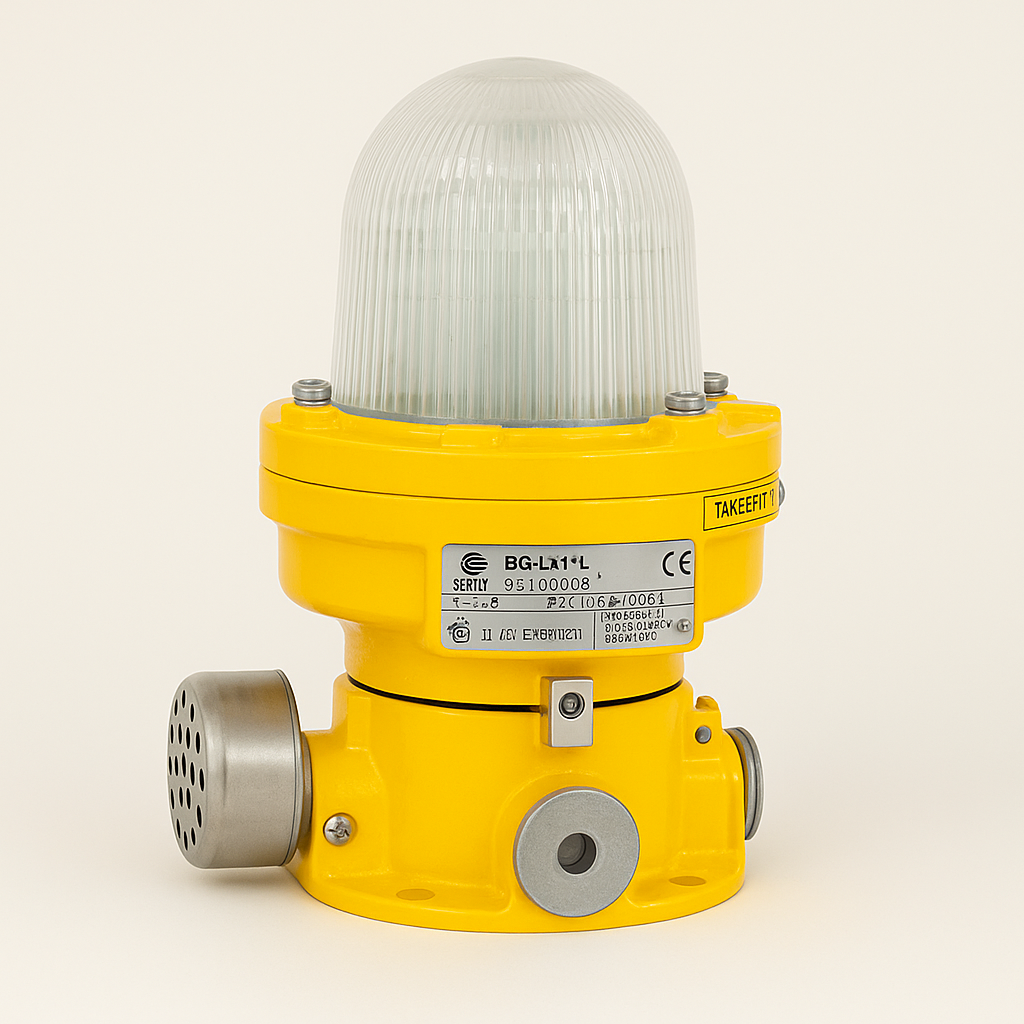
Explosion-proof sirens are vital emergency devices designed to deliver loud, clear alerts in high-risk environments where flammable gases, vapors, or dusts might ignite. An explosion proof siren is engineered to ensure that internal sparks or heat cannot trigger external explosions. These sirens are mandatory in oil and gas operations, chemical plants, refineries, food processing facilities, wastewater treatment areas, and any industrial location with hazardous atmospheres.
This comprehensive guide explains how explosion-proof sirens work, the certifications they require, alarm types, sound output levels, zone classifications, installation best practices, and how to choose the best device for your environment.
What Is an Explosion-Proof Siren and How Does It Work?
An explosion-proof siren is an audible alarm built with a flameproof enclosure that contains ignition sources inside the unit. Even if combustible gases ignite inside, the enclosure prevents flames from escaping into the hazardous atmosphere.

How They Work
Internally, electrical components generate loud tones or alerts through a driver or speaker. The flameproof housing uses precision-machined joints or threaded flame paths to cool escaping gases before they reach dangerous ignition temperatures. This ensures that the device remains safe even under fault conditions.
Key Protection Principles
Explosion containment through a flameproof housing
Certified flame paths to prevent ignition transfer
Durable materials suitable for corrosive or marine environments
Compliance with global standards such as ATEX, IECEx, UL, CSA, or FM
Need a certified explosion-proof siren for your hazardous area?
Browse Explosion-Proof Sirens & AlarmsWhat Certifications Must an Explosion-Proof Siren Have?
Explosion-proof sirens must meet stringent certification standards to verify that they are safe for use in explosive atmospheres.
Common Certifications Explained
ATEX (EU): Required for equipment used in European explosive atmospheres.
IECEx (International): Verifies compliance with international explosion-protection standards.
UL/CSA (North America): Confirms suitability for NEC hazardous location classifications.
FM Approved: Indicates rigorous testing for explosion safety.
Each certification confirms that the siren’s enclosure, wiring, temperature class, and flame paths meet strict safety guidelines.
Want to go deeper into ATEX and IECEx requirements?
ATEX vs IECEx Explained What Is ATEX Certification?What Do Zone and Class/Division Ratings Mean for Sirens?
Hazardous areas are classified using two main systems—ATEX/IECEx (Zones) and NEC (Class/Division). Explosion-proof sirens must match the rating of the area where they will be installed.
Zone System (ATEX/IECEx)
Zone 0: Continuous presence of explosive gas
Zone 1: Likely presence during normal operations
Zone 2: Unlikely but possible presence
Zone 20/21/22: Dust hazard zones
Class/Division System (NEC)
Class I: Flammable gases
Class II: Combustible dust
Class III: Fibers/flyings
Division 1: Hazard present regularly
Division 2: Hazard present infrequently
Selecting the correct classification is mandatory for compliance and personnel safety.
What Sound Output Levels Are Needed for Industrial Explosion-Proof Sirens?
Industrial environments often exceed 100 dB of ambient noise, making high-output sirens essential.
Typical Sound Pressure Requirements
Standard hazardous-area sirens: 100–120 dB SPL @ 1 meter
High-noise facilities: 120–140 dB SPL
Systems requiring differentiated alerts: multi-tone capability
Industry Benchmarks
Based on guidelines from OSHA, NFPA 72, and EN 54-3:
Alarm must exceed ambient noise by 10–15 dB
Different emergency conditions require distinct tone patterns
Audible coverage depends on reflections, distance, and obstacles
Not sure which sound level or tone pattern your facility needs?
Chat with a Hazardous Area Expert Call Us Now: 832 699 6726What Types of Alarm Tones Do Explosion-Proof Sirens Use?
Explosion-proof sirens use a range of tones to differentiate between emergency events such as fire, gas leaks, and evacuations.
Common Tone Options
Continuous
Intermittent
Fast or slow wail
Rising/falling patterns
Pulsing or stutter tones
Programmable digital tones
Many industrial sites standardize tone patterns for clarity and emergency consistency.
Where Are Explosion-Proof Sirens Required in Industrial Sites?
Explosion-proof sirens are deployed wherever hazardous atmospheres exist and where quick worker notification is crucial.
Top Industrial Applications
Oil & Gas: drilling platforms, compressor stations, pump rooms
Chemical & Petrochemical: tank farms, process units, reactor zones
Refineries: hydrocarbon processing units
Grain Processing: silos, dust-prone milling areas
Wastewater Treatment: digesters, sludge-handling areas
Mining: methane-rich or dusty tunnels
Paint & Coating: spray booths, mixing rooms
Industry data indicates that more than 60% of hazardous-area alarm installations occur in Class I or Zone 1 environments, with sound output requirements averaging 110–130 dB.
Explosion-Proof Sirens


Explosion-Proof Siren Comparison Table
| Product | Certifications | Sound Output | Alarm Tones | Best For |
|---|---|---|---|---|
| E2S A105NAX ATEX/IECEx Alarm Sounder | ATEX, IECEx Zone 1/2 | 113 dB | 64 tones | General industrial alarms |
| E2S BExS110 Explosion Proof Sounder | ATEX, IECEx Zone 1/21 | 117 dB | 32 tones | Oil & gas, chemical processing |
| A121AX ATEX Alarm Sounder | ATEX Zone 1 & 2 | 121 dB | 64 tones | High-noise environments |
Best Choice By Industry
Oil & Gas: BExS110 for rugged durability and high output
Chemical Processing: A105NAX for tone versatility
High-Noise Manufacturing: A121AX for its 121 dB capability
Build a complete certified alarm system for your hazardous area.
Explosion-Proof Sirens & Alarms Intrinsically Safe Beacons & Strobes Explosion-Proof Control PanelsHow to Choose the Right Explosion-Proof Siren for Your Facility
Choosing the correct explosion proof siren depends on understanding your hazard classification, noise levels, and emergency communication needs.
Key Selection Factors
Proper zone/classification rating
Sound output that exceeds ambient noise by at least 10–15 dB
Required alarm tones or customizable alerts
Power supply compatibility
Weatherproofing (IP66 or higher recommended)
Material durability such as stainless steel or marine-grade alloys
Installation Best Practices for Explosion-Proof Sirens
Proper installation ensures the siren performs safely and as certified.
Critical Guidelines
Must be installed by hazardous-area–trained personnel
Use certified conduit glands and seal fittings
Mount at a height and location with clear sound propagation
Perform routine inspections and scheduled testing
Never modify enclosure flame paths or hardware
FAQs About Explosion-Proof Sirens
Do explosion-proof sirens need ATEX or IECEx certification?
Yes. Sirens in European or international hazardous areas must carry these certifications to ensure flameproof performance.
How loud should an explosion-proof siren be?
Most industrial sites require outputs between 110–120 dB, with some high-noise environments requiring 130 dB or more.
Can explosion-proof sirens include visual alarms?
Yes. Many sirens integrate strobes or beacons to provide both audible and visual alerts.
Are these sirens weatherproof?
Most explosion-proof sirens are rated IP66 or IP67, making them resistant to water, dust, and harsh outdoor conditions.
How often should explosion-proof sirens be tested?
OSHA and NFPA recommend conducting monthly operational tests and an annual full-system verification.
Conclusion: Why Choosing the Right Explosion-Proof Siren Matters
Selecting the right explosion proof siren is essential for safety, regulatory compliance, and effective emergency communication. By understanding certifications like ATEX and IECEx, sound output requirements, and the unique conditions of your facility, you ensure reliable alarms that protect workers and streamline emergency response.
For certified, industrial-grade explosion-proof sirens built for hazardous applications, explore options at the Intrinsically Safe Store.
