

























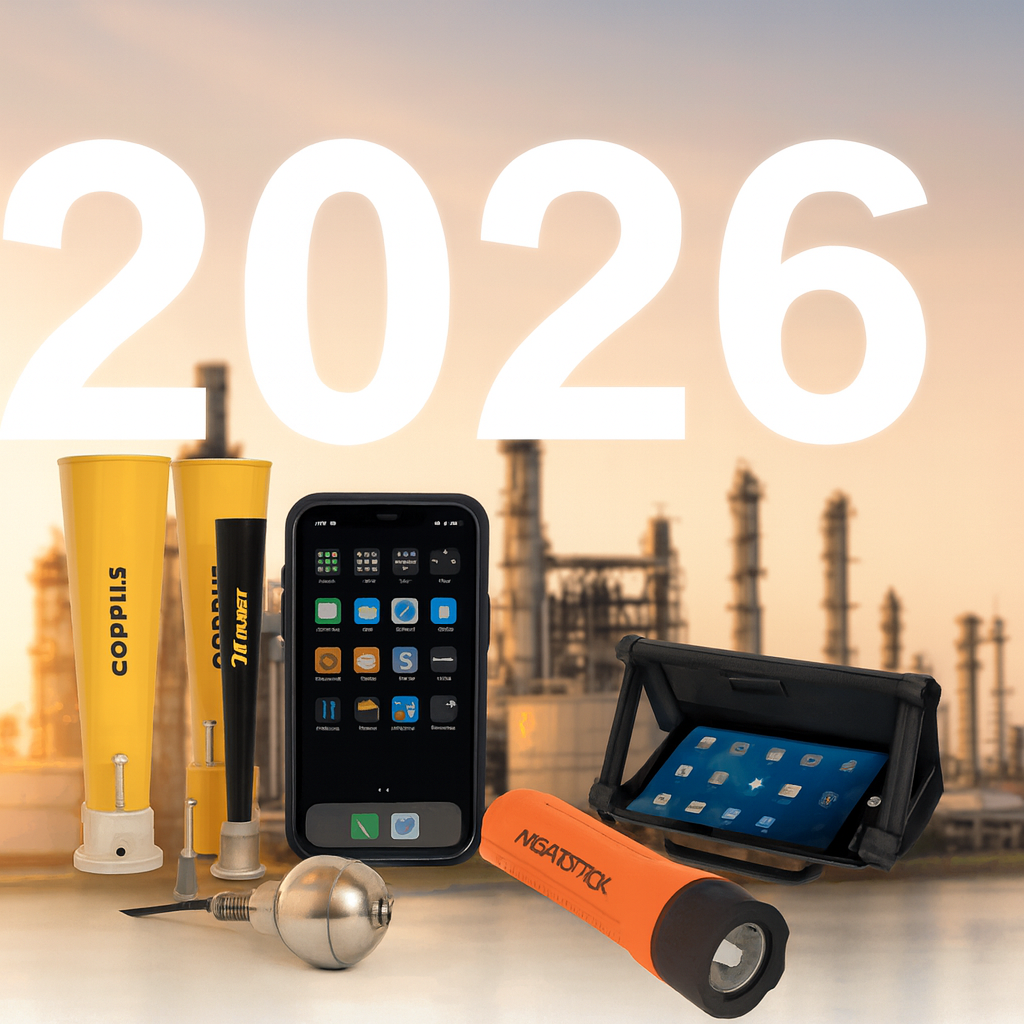
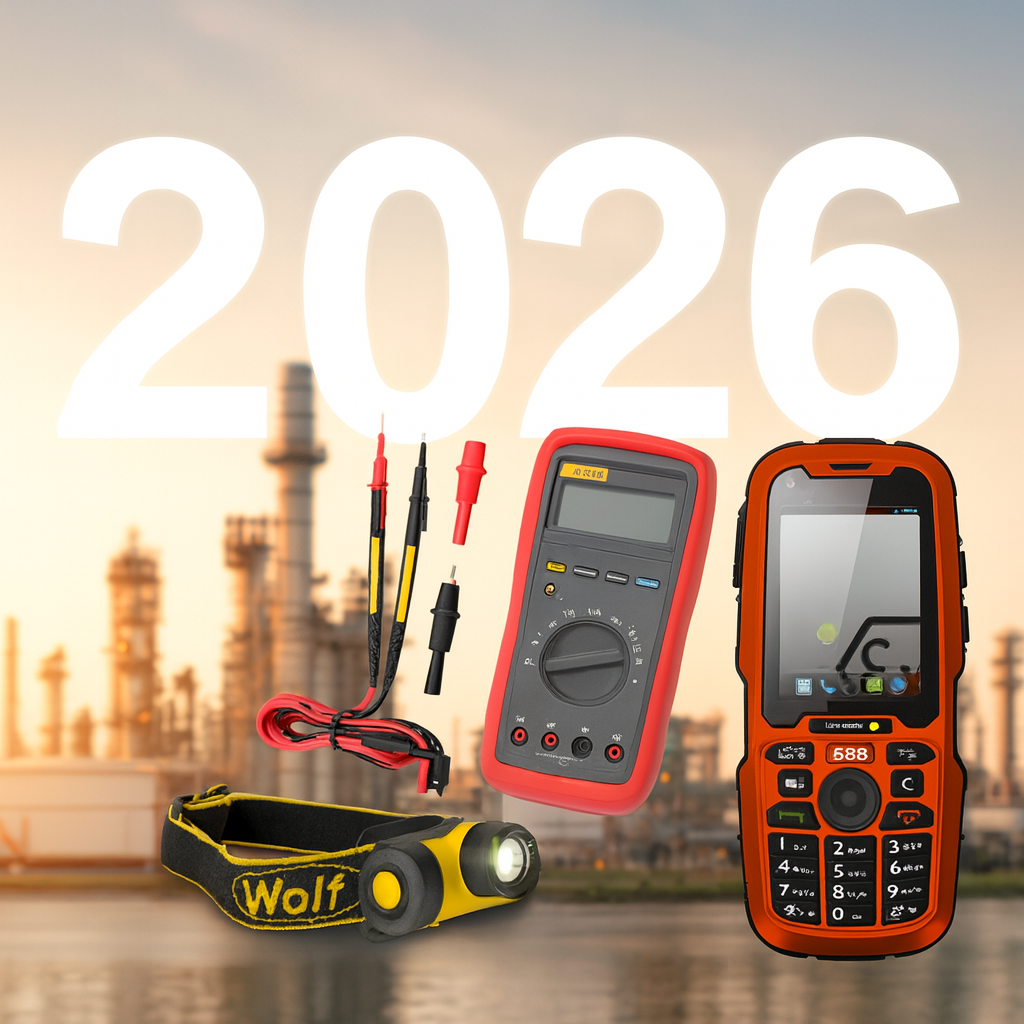
As industrial facilities prepare next year’s operational budgets, leaders must determine which safety upgrades will deliver the greatest return and risk reduction. With regulatory pressures increasing and new technologies emerging rapidly, 2026 is a pivotal year to strengthen worker protection, improve compliance efficiency, and modernize critical systems. When planning industrial safety investments 2026, organizations should prioritize three high-impact categories: lighting, mobility tools, and industrial camera technologies.
These investments directly influence visibility, situational awareness, equipment monitoring, and operational readiness. This guide explores the most valuable safety investments to include in your 2026 budget, offering a strategic breakdown of lighting upgrades, mobility innovations, and industrial cameras—along with additional considerations, a detailed comparison table, and FAQs to support budget planning.
Why Should Industrial Facilities Increase Safety Spending in 2026?
Safety expectations in industrial environments are evolving rapidly. Aging infrastructure, more complex production systems, labor shortages, and tighter audit requirements make safety investment essential. Facilities that upgrade their equipment experience fewer disruptions, fewer incidents, and higher operational output.
Key drivers for stronger safety investment include:
Increased regulatory oversight
Higher insurance premiums tied to incident rates
Workforce turnover requiring more built-in equipment safety
Technological innovations that reduce exposure and risk
Rising expectations for real-time data and process visibility
Since most industrial operations depend on certified safety systems, planning ahead avoids emergency purchases and ensures stable capital budgeting.
Start Upgrading Your 2026 Industrial Safety Systems
Explore certified lighting and alarm solutions designed for the most demanding hazardous environments.

What Categories Should Lead Industrial Safety Investments in 2026?
The most impactful industrial safety investments 2026 fall into three major categories:
1. Hazardous-Area Lighting
Lighting contributes more to industrial safety than almost any other category, making it a core component of 2026 budgets.
2. Mobility and Portable Safety Tools
Portable, intrinsically safe devices allow teams to work efficiently in hazardous areas while maintaining communication and documentation.
3. Industrial Camera and Visual Monitoring Systems
Explosion-proof and intrinsically safe cameras provide real-time visibility and support remote inspections, reducing worker exposure.
These categories deliver strong ROI, long service life, and measurable reductions in operational risk.
What Lighting Upgrades Should Industrial Facilities Prioritize in 2026?
Lighting is foundational for safe operations. Poor visibility contributes to injury, inspection errors, and delays. Hazardous-area lighting is especially important in facilities dealing with flammable gases, vapors, or dusts.
Why Hazardous-Area Lighting Matters
Adequate lighting prevents slips, misreads, process deviations, and equipment interaction hazards. LED technology also provides longer service life, consistent brightness, and reduced energy consumption compared to older lighting systems.
Types of Lighting to Consider
Industrial facilities planning 2026 budgets should evaluate:
Explosion-proof LED floodlights for general illumination
Area lights for walkways, stairs, and perimeter zones
Portable intrinsically safe lights for confined space work
Headlamps or handheld units for maintenance tasks
Emergency backup lighting for outage resilience
Temporary lighting towers for shutdowns or outdoor work
Upgrading to modern LED technology also reduces maintenance load and downtime.
Budget Considerations
Lighting upgrades should account for:
Installation and wiring
Replacement of aging fixtures
Inventory of spare lenses, drivers, and housings
Portable lighting pools for mobile teams
Because lighting directly improves worker performance, it offers rapid ROI across all industrial environments.
Need to understand hazardous-area classifications before planning your 2026 investments?
How Are Mobility Tools Reshaping Industrial Safety in 2026?
Mobility tools enable safer, faster, and more efficient work. As industrial operations become more digital, portable intrinsically safe devices are among the most important safety investments.
What Are Mobility Tools in Hazardous Industries?
Mobility equipment includes:
Intrinsically safe smartphones and tablets
Portable two-way radios
Intrinsically safe wearable PPE
Portable gas detectors
Compact hand lights
Portable measurement tools
These devices support communication, inspection, reporting, and real-time problem-solving.
Why Mobility Matters in Hazardous Zones
Workers who travel between multiple areas, buildings, or units require tools that enhance operational awareness and ensure safety. Portable devices:
Improve response times
Support lone-worker safety
Enable accurate digital reporting
Reduce unnecessary exposure to hazards
Enhance coordination during shutdowns or emergencies
A strong mobility infrastructure is essential in large or multi-unit industrial facilities.
Investment Priorities for 2026
When budgeting for mobility upgrades, consider:
Battery life and charging infrastructure
Ruggedness and environmental resistance
Compatibility with existing communication systems
Ergonomics and ease of use
Hazardous-area certification levels
Standardizing your fleet of mobile tools ensures consistent training, easier support, and predictable long-term costs.
Upgrade Your Mobile Safety Tools for 2026
Support inspections, documentation, and real-time worker communication with certified intrinsically safe devices.
Why Are Industrial Cameras a Must-Have Safety Investment for 2026?
Industrial cameras—especially ATEX-certified models—have become vital for monitoring hazardous processes, documenting conditions, and reducing worker exposure.
Benefits of Industrial Cameras
Cameras offer several advantages:
Remote visual inspection capabilities
Accurate documentation for audits and maintenance
Early detection of equipment abnormalities
Process oversight without physically entering hazardous zones
Improved emergency response coordination
With increasing demand for real-time visibility, cameras significantly enhance operational safety.
Types of Cameras to Budget For
The most common camera categories for industrial safety include:
Fixed explosion-proof cameras for continuous monitoring
Portable intrinsically safe cameras for inspections
Thermal imaging cameras for identifying hot surfaces or leaks
Wearable cameras for maintenance and training
High-resolution digital cameras for visual records
These systems help teams make faster, more informed decisions.
Long-Term ROI for Camera Investments
Camera systems typically reduce:
Manual inspection hours
Safety exposures
Equipment damage due to missed issues
Shutdown risks
Insurance claims
Investments in cameras pay off through improved operational resilience and lower long-term risk.
Strengthen Your 2026 Monitoring Strategy
Explore explosion-proof and intrinsically safe cameras for inspections, monitoring, and real-time visibility.
Shop Industrial & ATEX CamerasWhat Other Safety Investments Should Industrial Facilities Consider?
Alongside lighting, mobility, and cameras, other categories deserve attention in 2026 budgets.
Gas Detection Technology
Fixed and portable gas detection systems are essential in hazardous industries and should be updated regularly to meet evolving compliance standards.
Enhanced PPE
Safety budgets should include periodic upgrades to:
Flame-resistant clothing
Chemical-resistant gloves
Eye and face protection
Arc flash suits
High-visibility garments
Respiratory protection
PPE must be replaced consistently to meet performance expectations.
Emergency Response Systems
Key components include:
Audible alarms and sirens
Visual beacons
Mass-notification hardware
Muster point systems
Emergency lighting
Spill-response gear
Strong emergency-response readiness reduces injury risk and speeds recovery during incidents.
How Should Industrial Facilities Plan Their 2026 Safety Budget Strategically?
Planning a safety budget requires understanding operational risks, identifying equipment gaps, and prioritizing investments that deliver clear value.
Perform a Comprehensive Gap Assessment
Facilities should evaluate:
Equipment nearing end of life
Non-compliant or uncertified gear
Areas with inadequate lighting or visibility
Communication gaps
Outdated monitoring systems
Worker feedback
This determines exactly where 2026 investments should be focused.
Prioritize High-Impact Safety Upgrades
Investments that offer the strongest returns include:
Explosion-proof LED lighting
Intrinsically safe portable mobility tools
High-grade camera systems
These categories dramatically reduce accident rates and operational inefficiencies.
Standardize Across Certified Equipment
A unified equipment strategy reduces:
Inventory complexity
Maintenance workloads
Training time
Compliance confusion
This strengthens safety culture and ensures equipment reliability.
Not Sure Which Safety Upgrades Your Facility Needs for 2026?
Speak with a hazardous-area specialist — we’ll help you plan lighting, mobility, cameras, alarms, and compliance upgrades.
Get expert guidance to build a safer, more compliant, more efficient worksite for 2026.
Comparison Table: High-Value Industrial Safety Investments for 2026
| Investment Category | Primary Benefit | Typical Equipment | Priority Level |
|---|---|---|---|
| Hazardous-area lighting | Improves visibility and reduces incidents | Explosion-proof floodlights, portable IS lights | Very High |
| Mobility tools | Enhances real-time communication and worker efficiency | IS smartphones, radios, gas detectors | High |
| Industrial cameras | Provides remote oversight and reduces exposure | Fixed explosion-proof cameras, thermal cameras | High |
| Gas detection | Protects from airborne hazards | Portable and fixed detectors | Essential |
| Emergency systems | Strengthens evacuation and alerting | Sirens, beacons, alarms | Essential |
| PPE upgrades | Ensures worker protection | FR clothing, helmets, gloves | Moderate–High |
FAQs About Industrial Safety Investments for 2026
What are the most impactful industrial safety investments 2026?
Lighting upgrades, portable mobility tools, and industrial cameras offer the highest impact due to their direct influence on visibility, communication, and monitoring.
How often should safety systems be upgraded?
Most certified safety equipment should be upgraded every 5–10 years, depending on regulatory changes, environmental exposure, and operational demands.
Is camera technology replacing manual inspections?
It reduces the need for hazardous entries but does not fully replace hands-on inspections. Instead, it increases accuracy and improves planning.
Why prioritize lighting in 2026 budgets?
Lighting is fundamental for operational safety. It reduces errors, prevents accidents, and supports round-the-clock operations.
Are intrinsically safe devices worth the investment?
Yes. They reduce ignition risks in hazardous areas and are required for compliance in many industrial zones.
What is the best budgeting approach for safety upgrades?
Start with a risk assessment, identify critical gaps, prioritize high-return categories like lighting and mobility, and standardize equipment across the facility.
Conclusion
As companies finalize their industrial safety investments 2026, the focus should be on technologies that enhance visibility, enable mobile workflows, and improve monitoring. Lighting, mobility tools, and industrial cameras form the core of modern safety strategy. When combined with gas detection, PPE upgrades, and emergency systems, these investments create safer, more efficient, and more compliant workplaces.
Facilities that plan proactively today will benefit from reduced downtime, fewer incidents, and stronger operational resilience throughout 2026 and beyond.
