

























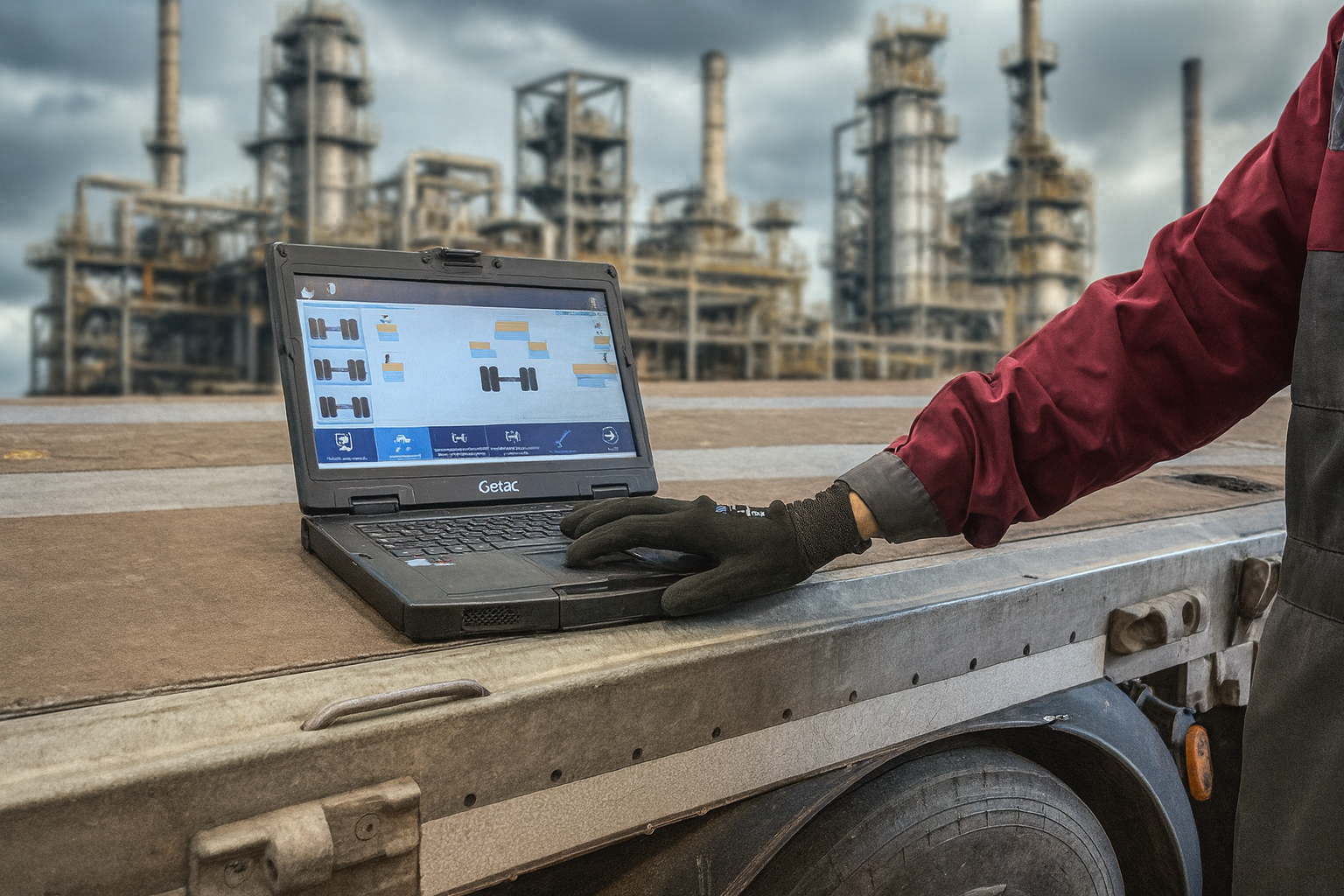
Field technicians in hazardous industries rely on mobile computing devices that can survive harsh conditions while remaining safe to use around explosive atmospheres. Traditional laptops cannot withstand shock, vibration, dust, chemicals, or high-risk Ex zones where sparks or heat could ignite flammable gases or dust. This is where the intrinsically safe rugged laptop becomes essential.
These specialty laptops combine ruggedized construction with certified safety systems that ensure they cannot trigger ignition in hazardous environments. Whether used on oil platforms, chemical plants, mining sites, or grain facilities, intrinsically safe rugged laptops deliver field-ready performance without compromising compliance. This guide explores the essential features, certification requirements, durability considerations, and industries where these laptops are most valuable.
For field operations in Zone 1/2 and Class I Div environments, intrinsically safe rugged laptops combine mobility, durability, and ignition prevention in one compliant platform.
What Is an Intrinsically Safe Rugged Laptop?
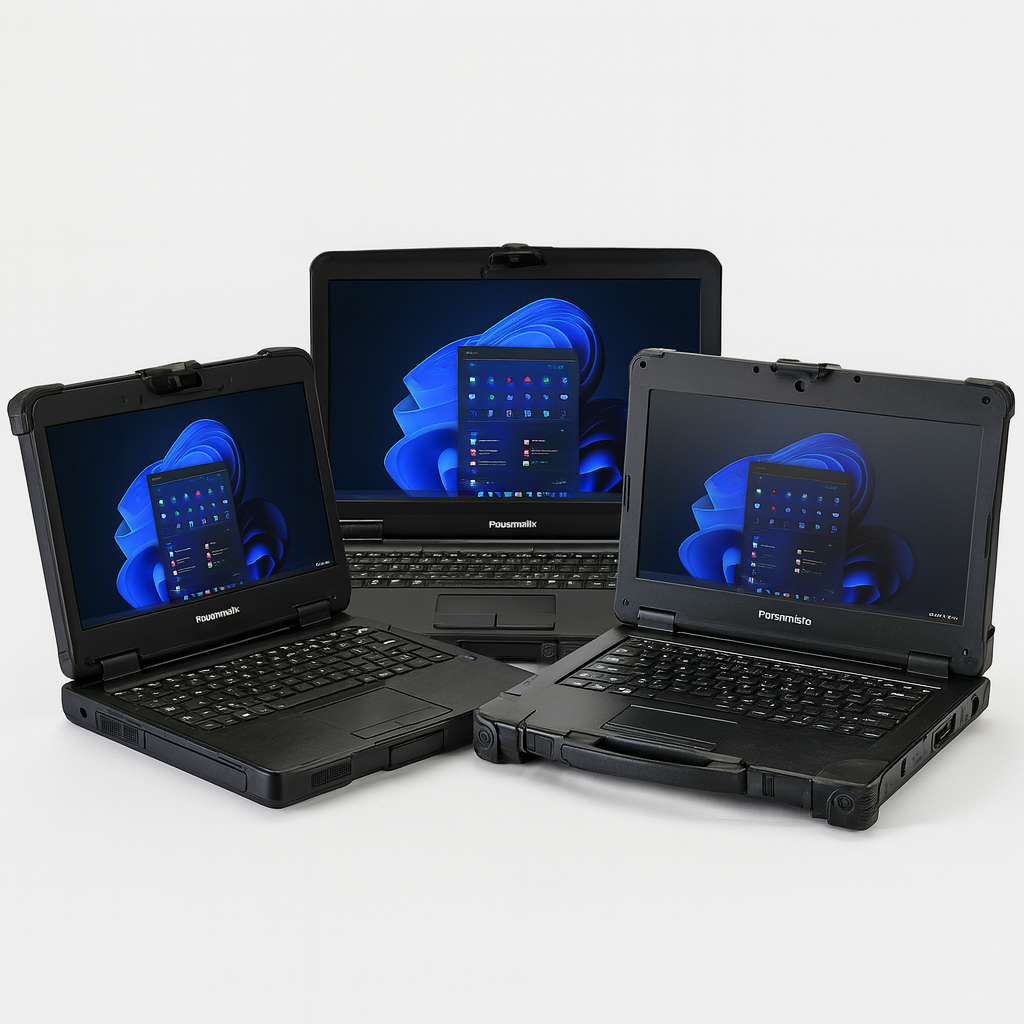
An intrinsically safe rugged laptop is a portable computing device engineered to prevent ignition in hazardous environments while offering durability and performance suitable for field operations. Instead of relying only on rugged construction, intrinsically safe models include certified circuits, temperature controls, fault protection, and mechanical design elements that limit energy release under normal and abnormal conditions.
Key Characteristics
Designed for use in ATEX/IECEx Zone 1, Zone 2, or Class I Division 1/2 areas
Reinforced chassis for shock, vibration, and drop resistance
Long-life batteries engineered for low-energy output
Sealed ports and ingress-protected enclosures
Sunlight-readable display and glove-friendly operation
Unlike standard rugged laptops, intrinsically safe models undergo strict evaluation to ensure they remain safe even in fault conditions.

Why Field Operations in Ex Zones Require Intrinsically Safe Computing
Why are intrinsically safe rugged laptops necessary in hazardous areas?
Hazardous locations often contain flammable gases, vapors, or combustible dusts. Any spark, thermal hotspot, or short circuit inside a laptop could ignite these atmospheres. Intrinsic safety eliminates this risk by limiting electrical and thermal energy to levels below ignition thresholds.
Situations Where IS Rugged Laptops Are Required
Logging maintenance or inspection data near pressurized gas systems
Running diagnostic software on equipment inside chemical reactors
Accessing SCADA or PLC control systems in explosive zones
Mapping, surveying, or geological analysis underground
Updating operational workflows in fuel storage facilities
These devices ensure workers can perform critical computing tasks safely without exiting restricted areas.
Understanding Intrinsic Safety Certifications
What certifications should an intrinsically safe rugged laptop have?
To be approved for use in hazardous areas, an intrinsically safe rugged laptop must carry certification appropriate to the region and hazard classification. Certification ensures the device cannot cause ignition even under component failure.
Key Certifications and What They Mean
ATEX (Atmosphères Explosibles)
Required for equipment used in the European Union.
Zone 0: Continuous presence of explosive atmosphere
Zone 1: Likely presence during normal operation
Zone 2: Rare or short-duration presence
Marked with codes such as:
II 2G Ex ib IIC T4 Gb
IECEx (International Electrotechnical Commission System)
A global certification framework validating compliance through harmonized safety standards.
NEC/CEC Class/Division System
Used in North America.
Class I Division 1: Hazard likely (gases/vapors)
Class I Division 2: Hazard not likely
Class II: Dust environments
Class III: Fibers and flyings
Temperature Ratings
Defines the maximum surface temperature the laptop can reach (T1–T6).
Lower T-ratings (such as T4–T6) are required when flammable gases are sensitive to ignition temperature.
Certification Checklist for Buyers
Correct zone or division rating for your facility
Verified certification body marking (CSA, UL, IECEx, ATEX notified body)
Battery certification for intrinsic safety
Markings for gas group (IIA, IIB, IIC) and dust group (IIIA–IIIC)
Temperature class appropriate to the materials on site
Choosing equipment with improper certification is one of the most common compliance violations in hazardous locations.
These guides help validate ruggedness standards, temperature constraints, and hazardous-area certification frameworks commonly required for compliant mobile computing.
Key Features of an Intrinsically Safe Rugged Laptop
What features matter most in an intrinsically safe rugged laptop?
While safety certification is essential, performance and durability determine whether a laptop can survive demanding field environments.
Critical Rugged Features
Reinforced Chassis Construction
Magnesium alloy or hardened polymer shells protect against drops, impacts, and vibration. Corner bumpers add survivability during field handling.
High Ingress Protection Ratings
Many industrial laptops carry IP65–IP67 ratings for resistance to dust, water jets, and rain.
Shock and Vibration Certification
Compliance with MIL-STD-810G/H ensures the laptop tolerates shock loads, temperature cycling, altitude changes, and humidity.
Sunlight-Readable and Glove-Friendly Display
High-brightness, anti-reflective displays improve visibility in outdoor locations. Touchscreens must support gloved operation to accommodate PPE requirements.
Field-Swappable, Intrinsically Safe Batteries
Batteries must adhere to energy-limiting designs, preventing heat buildup. Hot-swappable options maximize uptime for remote operations.
Extended Connectivity
Rugged laptops often include intrinsically safe versions of:
Ethernet
RS-232 serial ports
USB ports with restricted energy profiles
Wi-Fi and Bluetooth certified for Ex environments
These interfaces are critical for connecting to industrial equipment.
Performance Requirements for Hazardous Area Computing
How powerful should an intrinsically safe rugged laptop be?
Modern IS rugged laptops must balance safety constraints with computational capability, enabling technicians to run diagnostic tools, modeling applications, GIS software, or real-time monitoring platforms.
Key Performance Metrics
Multi-core processors optimized for low heat output
SSD storage for vibration resistance and faster boot times
Minimum 8–16 GB RAM for industrial applications
Long battery life suited to long shifts or remote operations
Performance demands vary by industry, but reliability and thermal control are universal requirements.
For inspections, data capture, and SCADA access on the move, tablets and handheld computers often deliver the same hazardous-area compliance with even faster field handling.
Ideal Industries for Intrinsically Safe Rugged Laptops
Where are intrinsically safe rugged laptops most valuable?
These laptops deliver essential computing capabilities in industries with hazardous-area zones and rough working conditions.
Leading Industry Use Cases
Oil and Gas (Upstream, Midstream, Downstream)
Maintenance logging
Pipeline mapping
SCADA interface in Ex areas
Petrochemical & Chemical Processing
Reactor monitoring
Data capture in Zone 1 lab environments
PLC programming in classified processing units
Mining and Tunneling
Geological surveys
Underground inspection
Ventilation system monitoring
Pharmaceutical Manufacturing
Cleanroom-compatible rugged computing
Batch record updates in classified zones
Grain, Food & Agricultural Processing
Dust-risk environments
Conveyor and motor diagnostics
Utilities & Water Treatment
High-moisture sites
Remote field analysis
Equipment testing in boundary hazardous areas
Wherever combustible materials or explosive atmospheres exist, intrinsically safe rugged laptops are indispensable.
Durability and Environmental Resistance Considerations
How durable should an intrinsically safe rugged laptop be?
Durability influences both safety and long-term operational costs. A laptop must endure harsh conditions while ensuring its safety systems remain intact.
Primary Durability Factors
Drop Protection
Most rugged laptops offer drop resistance from 3–6 feet, preventing internal damage that could compromise intrinsic safety.
Chemical and Corrosion Resistance
Many Ex environments include corrosive gases, solvents, and saltwater exposure.
Thermal Stability
Laptops must function in extreme hot or cold temperatures without battery swelling, condensation, or thermal shutoff.
Dust and Particle Sealing
Housings with O-ring seals prevent conductive dust from entering the enclosure, which is essential for both safety and longevity.
These features collectively ensure consistent performance in unpredictable field conditions.
Buyer’s Comparison Table: Intrinsically Safe Rugged Laptop Features
| Category | Standard Rugged Laptop | Intrinsically Safe Rugged Laptop |
|---|---|---|
| Hazardous Area Certification | No | ATEX, IECEx, Class/Div |
| Battery Safety | Standard | Energy-limited, IS certified |
| Durability | High | High with safety reinforcement |
| Thermal Management | Moderate | Strictly controlled |
| Connectivity | General-purpose | IS-qualified ports and radios |
| Use Case | General field work | Hazardous/Ex zone operations |
This comparison highlights the additional engineering required for intrinsic safety.
If your team is working across Zone 1/2 or Class I Division environments, we can help you match the right intrinsically safe laptop and supporting devices for your exact site classification.
FAQs About Intrinsically Safe Rugged Laptops
Are intrinsically safe rugged laptops the same as explosion-proof laptops?
No. Explosion-proof devices use heavy enclosures to contain ignition, while intrinsically safe devices prevent ignition altogether by limiting stored and released energy.
Can a standard rugged laptop be used in a hazardous area if it has a protective case?
No. Cases do not provide intrinsic safety. Only certified devices can legally and safely operate in Ex environments.
Do intrinsically safe laptops have reduced performance?
Some limitations may exist due to thermal and safety constraints, but modern models offer strong performance optimized for field operations.
Are IS rugged laptops suitable for outdoor use?
Yes. Their rugged design includes weather resistance, sunlight-readable displays, and vibration tolerance.
How long do intrinsically safe rugged laptops typically last?
Many models are built for 3–7 years of field use, depending on maintenance, environment severity, and hardware cycles.
Conclusion
Choosing the right intrinsically safe rugged laptop is essential for technicians working in hazardous environments. These laptops combine certified intrinsic safety with robust durability, ensuring reliable computing in areas where flammable vapors, gases, or dusts are present. Understanding certifications, ruggedization standards, performance needs, and industry-specific requirements empowers buyers to select a model that meets both safety and operational objectives.
Intrinsically safe rugged laptops support productivity, compliance, and safety simultaneously, making them a foundational tool for modern industrial operations.
