
























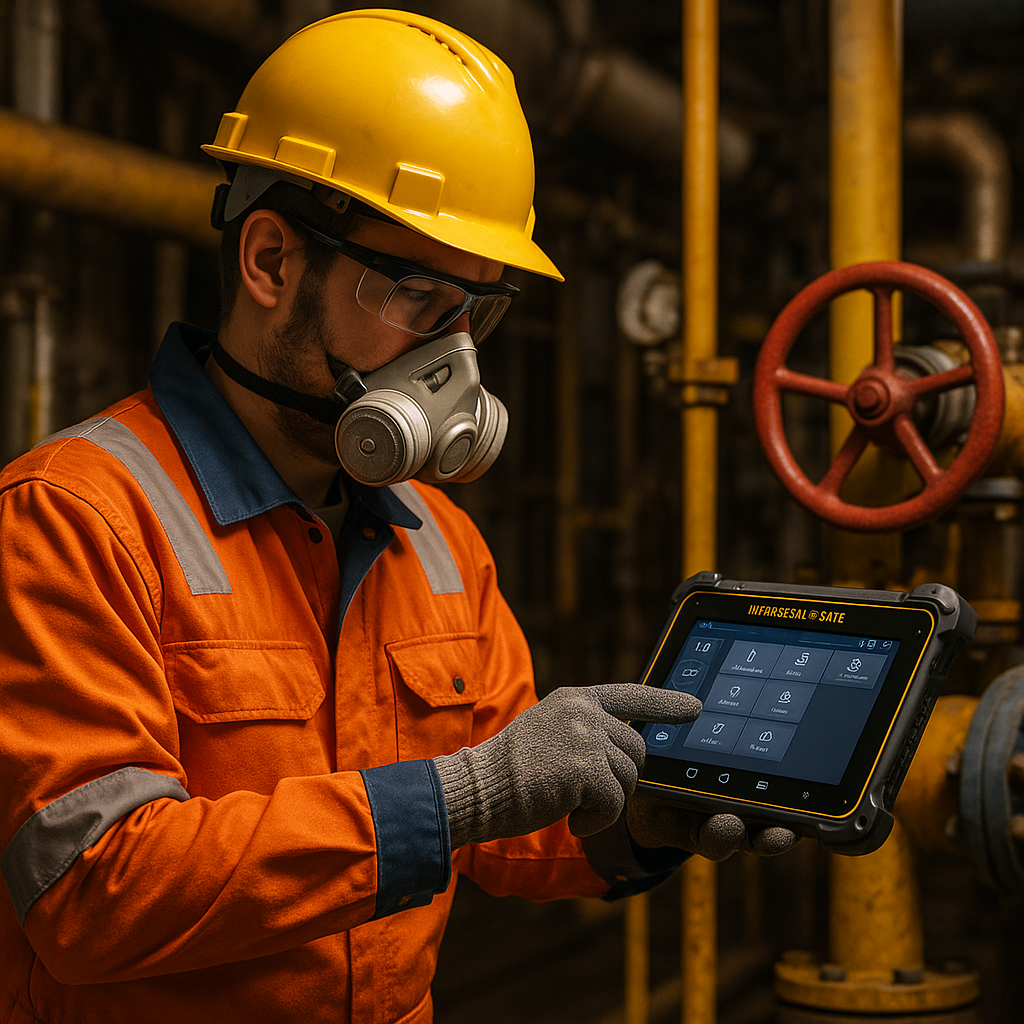
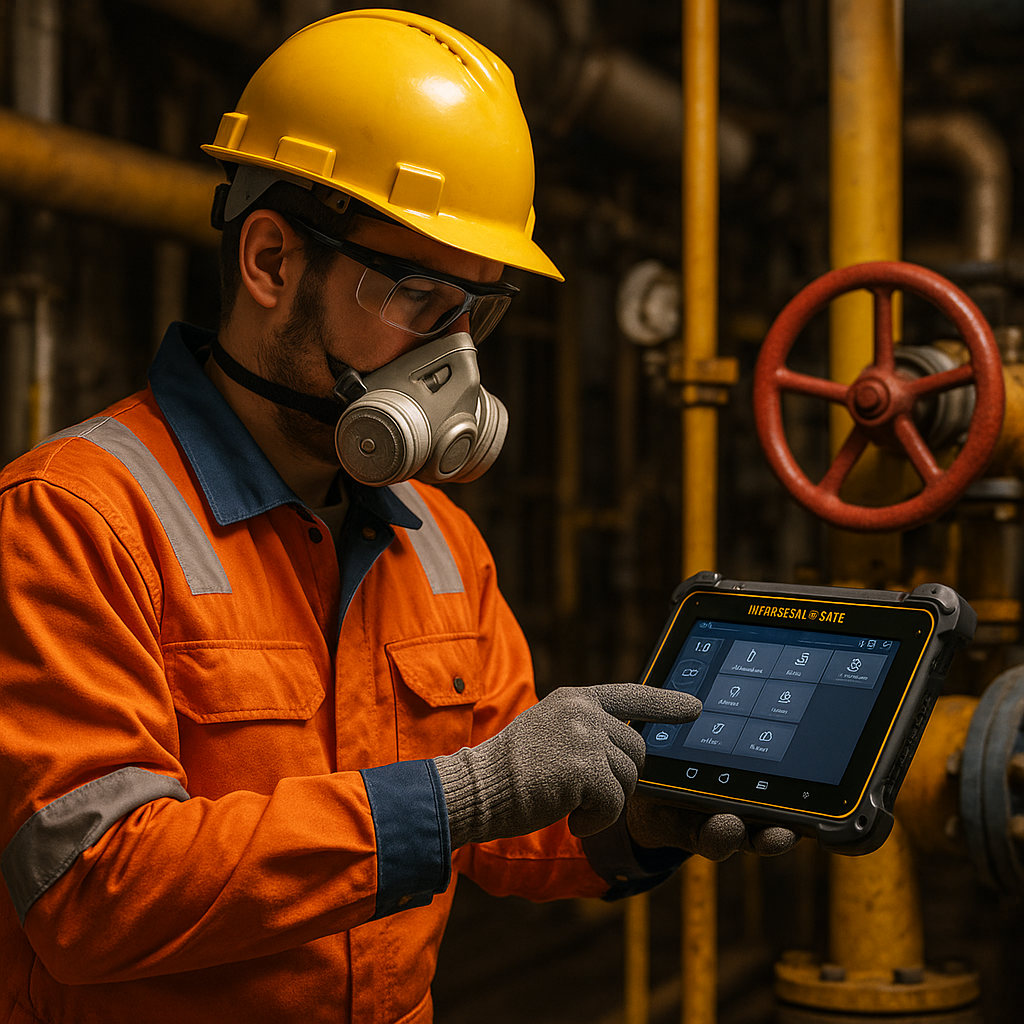
In industries where safety is non-negotiable, such as oil refineries, chemical plants, and mining operations, the integration of technology must adhere to the highest safety standards. Intrinsically safe tablets are engineered to function in these hazardous areas without igniting flammable substances, making them indispensable tools for enhancing productivity while ensuring safety. These specialized devices are meticulously designed to prevent sparks and high temperatures, thus eliminating potential ignition sources. As digital solutions become increasingly vital for operational efficiency, intrinsically safe tablets are proving to be essential for workers in these challenging environments.
Top Intrinsically Safe Tablets for Enhanced Productivity in Hazardous Areas
In environments where safety is paramount, such as oil refineries, chemical plants, and mining operations, the use of electronic devices must adhere to stringent safety standards. Intrinsically safe tablets are designed to operate in these hazardous areas without igniting flammable substances. These specialized devices are engineered to prevent sparks and high temperatures, ensuring they do not become a source of ignition. As industries increasingly rely on digital solutions to enhance productivity, intrinsically safe tablets have become indispensable tools for workers in hazardous environments.
The concept of intrinsic safety revolves around limiting the energy available for ignition. This is achieved through meticulous design and engineering, ensuring that even in the event of a fault, the device cannot produce a spark or thermal effect capable of igniting a hazardous atmosphere. Intrinsically safe tablets are certified by various international standards, such as ATEX in Europe and UL in the United States, which provide guidelines for their use in explosive atmospheres. These certifications are crucial as they assure users that the devices have undergone rigorous testing and meet the necessary safety requirements.

One of the leading intrinsically safe tablets on the market is the Ecom Tab-Ex series. These tablets are designed to withstand the rigors of industrial environments while providing the functionality and connectivity required for modern operations. The Tab-Ex series offers features such as high-resolution displays, long battery life, and robust connectivity options, including Wi-Fi and Bluetooth. These features enable workers to access real-time data, communicate with team members, and perform complex tasks without compromising safety. The tablets are also equipped with GPS and NFC capabilities, which are essential for location tracking and secure data exchange in the field.
Another notable option is the Aegex10 Intrinsically Safe Tablet, which is specifically designed for use in Zone 1 hazardous areas. This tablet is lightweight and rugged, making it ideal for fieldwork in challenging conditions. It runs on the Windows operating system, providing compatibility with a wide range of enterprise applications. The Aegex10 is also equipped with a powerful processor and ample storage, allowing workers to run demanding applications and store large amounts of data. Its design emphasizes durability, with features such as a reinforced screen and shock-absorbing casing, ensuring it can withstand the physical demands of industrial environments.
The benefits of using intrinsically safe tablets extend beyond safety. These devices enhance productivity by enabling seamless communication and data sharing among workers, supervisors, and remote teams. They facilitate the use of advanced applications for asset management, maintenance scheduling, and inventory control, streamlining operations and reducing downtime. Additionally, the ability to access and input data in real-time allows for more accurate decision-making, improving overall efficiency and effectiveness.
Ready to find the right intrinsically safe tablet for your site?
Explore Intrinsically Safe Tablets Compare Leading Intrinsically Safe TabletsIncorporating intrinsically safe tablets into hazardous work environments represents a significant advancement in industrial safety and productivity. As technology continues to evolve, these devices will likely become even more integral to operations, offering enhanced features and capabilities that further support the needs of workers in hazardous areas. The investment in intrinsically safe technology not only protects workers but also contributes to the overall success and sustainability of industrial operations.
Who Benefits from Using Top Intrinsically Safe Tablets in Hazardous Areas?
In environments where safety is paramount, the use of intrinsically safe tablets is not just a luxury but a necessity. These devices are designed to operate safely in potentially explosive atmospheres, making them indispensable tools for a variety of professionals working in hazardous areas. The primary beneficiaries of these advanced tablets are those in industries such as oil and gas, chemical manufacturing, mining, and pharmaceuticals, where the risk of ignition from electronic devices is a constant concern. By integrating intrinsically safe tablets into their operations, these professionals can enhance productivity while maintaining the highest safety standards.
For workers in the oil and gas industry, intrinsically safe tablets are crucial. These environments are often fraught with flammable gases and vapors, making traditional electronic devices a potential hazard. With intrinsically safe tablets, engineers and technicians can perform real-time data analysis, monitor equipment, and communicate seamlessly without the risk of sparking an explosion. This capability not only improves operational efficiency but also ensures that safety protocols are adhered to, reducing the likelihood of accidents and downtime.
Similarly, in the chemical manufacturing sector, the use of intrinsically safe tablets is transformative. Chemical plants are complex environments where precision and safety are critical. Workers can use these tablets to access digital schematics, update inventory records, and manage workflow processes directly from the production floor. The ability to input and retrieve data on-site without returning to a central office streamlines operations and minimizes errors. Moreover, the rugged design of these tablets ensures they can withstand the harsh conditions often found in chemical plants, such as exposure to corrosive substances and extreme temperatures.
Not sure which intrinsically safe tablet is right for your hazardous area?
Chat with a hazardous area mobility expert or call us to get a custom recommendation and quote.
Chat with an Intrinsically Safe Expert Call Us: 832 699 6726Mining is another industry where intrinsically safe tablets prove invaluable. Underground mines present unique challenges, including the presence of combustible dust and gases. Miners equipped with these tablets can communicate with surface teams, access geological data, and report safety issues instantly. This real-time communication is vital for coordinating operations and ensuring the safety of all personnel. The durability and reliability of intrinsically safe tablets mean they can endure the rough handling and challenging conditions typical of mining environments.
In the pharmaceutical industry, where precision and compliance with regulatory standards are critical, intrinsically safe tablets offer significant advantages. These devices allow for the accurate tracking of production processes, quality control measures, and compliance documentation. By facilitating seamless data entry and retrieval, they help ensure that pharmaceutical products meet stringent safety and quality standards. Additionally, the mobility provided by these tablets enables workers to perform inspections and audits more efficiently, contributing to overall productivity and safety.
The adoption of intrinsically safe tablets is not limited to these industries alone. Any sector that operates in potentially explosive environments can benefit from their use. The ability to safely integrate technology into hazardous areas without compromising safety is a game-changer, allowing businesses to leverage digital tools to enhance productivity and maintain a competitive edge. As technology continues to evolve, the role of intrinsically safe tablets in ensuring safety and efficiency in hazardous areas will only become more pronounced, making them an essential component of modern industrial operations.
The Main Benefits of Top Intrinsically Safe Tablets for Enhanced Productivity in Hazardous Areas
In the demanding environments of industries such as oil and gas, chemical manufacturing, and mining, the need for reliable and safe technology is paramount. Intrinsically safe tablets have emerged as a critical tool in these sectors, offering a blend of safety, durability, and advanced functionality that significantly enhances productivity. These devices are engineered to operate safely in potentially explosive atmospheres, where traditional electronics could pose a risk. The benefits of using top intrinsically safe tablets in such hazardous areas are manifold, impacting not only safety but also operational efficiency and data management.
One of the primary advantages of intrinsically safe tablets is their ability to ensure worker safety without compromising on technological capabilities. These tablets are designed to prevent the ignition of flammable substances, which is crucial in environments where gases, vapors, or dust could lead to catastrophic explosions. By using these devices, companies can maintain high safety standards while still equipping their workforce with the necessary tools to perform complex tasks. This balance between safety and functionality allows workers to focus on their tasks without the constant worry of triggering an explosion, thereby enhancing overall productivity.
Moreover, intrinsically safe tablets are built to withstand the harsh conditions often found in hazardous areas. They are typically ruggedized, meaning they can endure extreme temperatures, moisture, dust, and physical impacts. This durability ensures that the tablets remain operational in challenging environments, reducing downtime and maintenance costs. Workers can rely on these devices to perform consistently, which is crucial for maintaining the flow of operations and meeting production targets. The robust nature of these tablets also means that they have a longer lifespan compared to standard devices, offering a better return on investment for companies.
Another significant benefit is the seamless integration of intrinsically safe tablets with existing industrial systems and software. These tablets often come equipped with advanced features such as GPS, RFID, and barcode scanning, which facilitate real-time data collection and analysis. This capability is invaluable for industries that rely on precise data to make informed decisions. For instance, in the oil and gas sector, real-time data can help in monitoring equipment performance, predicting maintenance needs, and optimizing resource allocation. By providing instant access to critical information, intrinsically safe tablets enable workers to make quick, informed decisions, thereby improving operational efficiency and reducing the likelihood of costly errors.
Furthermore, the mobility offered by these tablets cannot be overstated. In large industrial sites, the ability to carry a lightweight, portable device that provides access to essential data and communication tools is a game-changer. Workers can move freely across the site, conducting inspections, reporting issues, and accessing manuals or schematics without having to return to a central office. This mobility not only saves time but also enhances the responsiveness of the workforce, allowing for quicker resolution of issues and more efficient task management.
In addition to these practical benefits, intrinsically safe tablets also contribute to improved communication and collaboration among teams. With features like video conferencing, instant messaging, and cloud connectivity, these devices enable seamless interaction between on-site workers and remote teams. This connectivity ensures that everyone is on the same page, facilitating better coordination and faster decision-making. In industries where time is of the essence, such as emergency response or equipment repair, the ability to communicate effectively can make a significant difference in outcomes.
Overall, the adoption of top intrinsically safe tablets in hazardous areas represents a strategic investment in safety, efficiency, and technological advancement. By equipping workers with these advanced tools, companies can not only enhance productivity but also foster a safer, more connected, and more efficient working environment.
Getting Started with Top Intrinsically Safe Tablets for Enhanced Productivity in Hazardous Areas
Embarking on the journey to integrate intrinsically safe tablets into hazardous work environments can significantly enhance productivity and safety. These specialized devices are designed to operate safely in environments where traditional electronics might pose a risk due to the presence of flammable gases, dust, or other volatile substances. Understanding how to effectively implement these tablets into your workflow is crucial for maximizing their benefits.
The first step in getting started with intrinsically safe tablets is to assess the specific needs of your work environment. This involves identifying the types of hazardous conditions present and determining the necessary certifications required for devices to be safely used in those areas. For instance, some environments may require ATEX or IECEx certifications, which ensure that the devices meet stringent safety standards. By understanding these requirements, you can select a tablet that not only meets safety standards but also aligns with the operational needs of your team.
Once you have selected the appropriate intrinsically safe tablet, the next step is to integrate it into your existing systems and processes. This often involves collaborating with IT professionals to ensure that the tablets are compatible with your current software and network infrastructure. It’s essential to configure the devices to seamlessly connect with your company’s data management systems, allowing for real-time data collection and analysis. This connectivity is vital for enhancing decision-making processes and improving overall operational efficiency.
Training is another critical component when introducing intrinsically safe tablets into hazardous areas. Employees must be adequately trained not only on how to use the devices but also on the safety protocols associated with their operation. This training should cover everything from basic device handling to troubleshooting common issues. By ensuring that your team is well-versed in using these tablets, you can minimize the risk of accidents and ensure that the devices are used to their full potential.
Moreover, it’s important to establish a maintenance and support plan for the tablets. Regular maintenance checks can help identify potential issues before they become significant problems, ensuring that the devices remain reliable and safe to use. Additionally, having a dedicated support team or service provider can be invaluable in addressing any technical issues that may arise, minimizing downtime and maintaining productivity.
Finally, continuously evaluating the performance and impact of intrinsically safe tablets in your operations is essential. Gathering feedback from employees and analyzing productivity metrics can provide insights into how these devices are enhancing workflows and where further improvements can be made. This ongoing assessment allows for the optimization of processes and ensures that the integration of intrinsically safe tablets continues to deliver value over time.
By carefully selecting, integrating, training, maintaining, and evaluating intrinsically safe tablets, organizations can significantly enhance productivity and safety in hazardous areas. These devices not only provide a technological edge but also contribute to creating a safer and more efficient work environment.
Build a complete intrinsically safe mobility toolkit.
Pair your tablets with compatible intrinsically safe handheld computers, cell phones, and rugged cases to standardize mobility across your hazardous areas.
Intrinsically Safe Handheld Computers Intrinsically Safe Cell Phones Rugged Intrinsically Safe CasesOptimal Timing for Utilizing Intrinsically Safe Tablets in Hazardous Areas
Understanding the best time to deploy intrinsically safe tablets in hazardous areas is crucial for maximizing productivity and ensuring safety. These specialized devices are designed to operate safely in environments where traditional electronics might pose a risk due to the presence of flammable gases, dust, or other volatile substances. The timing of their deployment can significantly impact both operational efficiency and safety outcomes.
One of the most strategic times to introduce intrinsically safe tablets is during the initial phases of a project in hazardous environments. Early integration allows for seamless adaptation to the workflow, enabling workers to become familiar with the technology before the project reaches critical stages. This early adoption can lead to a smoother transition and reduce the learning curve, ensuring that the workforce is fully equipped to leverage the technology’s capabilities when it matters most. By incorporating these devices from the outset, companies can also tailor their processes to fully exploit the tablets’ features, such as real-time data collection and communication, which are vital for maintaining safety and efficiency.
Another optimal time to utilize these tablets is during periods of high activity or peak operational demand. In industries such as oil and gas, chemical manufacturing, or mining, there are often phases where operations intensify, and the need for precise, real-time data becomes paramount. During these times, intrinsically safe tablets can play a critical role in enhancing communication and coordination among teams. They allow for instant access to vital information, such as safety protocols, equipment manuals, and real-time monitoring data, which can be crucial for making informed decisions quickly. This capability not only boosts productivity but also enhances safety by ensuring that all team members are on the same page and can respond promptly to any potential hazards.
Seasonal changes can also dictate the best time to deploy these devices. For instance, in regions where weather conditions can exacerbate the risks in hazardous areas, such as during monsoon seasons or extreme winter conditions, having intrinsically safe tablets on hand can be invaluable. These devices can help monitor environmental conditions and provide timely alerts, allowing teams to adjust their operations accordingly. By anticipating these seasonal challenges and preparing with the right technology, companies can mitigate risks and maintain productivity even in adverse conditions.
Furthermore, the introduction of new safety regulations or updates to existing protocols can also signal an ideal time to implement intrinsically safe tablets. As regulations evolve, having the latest technology ensures compliance and enhances the ability to adapt to new safety standards. These tablets can be updated with the latest software and applications that reflect current regulations, providing workers with the tools they need to adhere to safety requirements effectively.
In summary, the best time to deploy intrinsically safe tablets in hazardous areas is not a one-size-fits-all scenario. It requires a strategic approach that considers the specific needs and conditions of the operation. By aligning the deployment of these devices with project timelines, peak operational periods, seasonal challenges, and regulatory changes, companies can maximize their investment in technology, enhance productivity, and most importantly, ensure the safety of their workforce.
Exploring the Best Intrinsically Safe Tablets for Enhanced Productivity in Hazardous Areas
When it comes to working in hazardous environments, the need for reliable and safe technology is paramount. Intrinsically safe tablets have emerged as indispensable tools, offering robust solutions that ensure both safety and efficiency. These devices are specifically designed to operate in environments where traditional electronics might pose a risk due to the presence of flammable gases, dust, or other volatile substances. The integration of intrinsically safe tablets into such settings not only enhances productivity but also ensures compliance with stringent safety regulations.
One of the primary considerations when selecting an intrinsically safe tablet is its certification. These devices must meet rigorous international safety standards, such as ATEX, IECEx, or UL, which certify their suitability for use in explosive atmospheres. This certification process involves extensive testing to ensure that the tablets can operate without igniting the surrounding environment. As a result, companies can confidently deploy these devices in sectors like oil and gas, chemical manufacturing, and mining, where safety is a critical concern.
The durability of intrinsically safe tablets is another crucial factor that contributes to their effectiveness in hazardous areas. These tablets are built to withstand extreme conditions, including temperature fluctuations, moisture, and physical impacts. Their rugged design often includes reinforced screens, shock-absorbing features, and water-resistant capabilities, making them ideal for use in challenging environments. This durability ensures that the devices remain operational and reliable, reducing downtime and maintenance costs.
In addition to safety and durability, the functionality of intrinsically safe tablets plays a significant role in enhancing productivity. These devices are equipped with advanced features such as high-resolution touchscreens, long battery life, and powerful processors, enabling workers to perform complex tasks efficiently. They often support a range of applications tailored to specific industry needs, such as data collection, real-time communication, and remote monitoring. This versatility allows workers to access critical information and collaborate seamlessly, even in remote or isolated locations.
Need to confirm C1D1 and C1D2 requirements before choosing a tablet?
Read C1D1 & C1D2 Equipment Requirements GuideConnectivity is another vital aspect of intrinsically safe tablets that boosts productivity. Many of these devices offer robust wireless capabilities, including Wi-Fi, Bluetooth, and cellular connectivity, ensuring that workers can stay connected to their teams and access cloud-based resources. This connectivity facilitates real-time data sharing and decision-making, which is essential for maintaining operational efficiency in fast-paced industrial environments.
Moreover, the integration of intrinsically safe tablets into hazardous areas can lead to significant cost savings. By enabling digital workflows and reducing the reliance on paper-based processes, these devices streamline operations and minimize errors. The ability to perform inspections, manage inventory, and conduct maintenance checks digitally not only speeds up processes but also enhances accuracy and accountability.
In summary, intrinsically safe tablets are transformative tools that offer a blend of safety, durability, functionality, and connectivity, making them indispensable in hazardous work environments. Their ability to operate safely in explosive atmospheres, coupled with their advanced technological features, ensures that they significantly enhance productivity while maintaining the highest safety standards. As industries continue to evolve and embrace digital transformation, the role of intrinsically safe tablets in hazardous areas will undoubtedly become even more critical, driving efficiency and innovation across various sectors.
Frequently Asked Questions About Top Intrinsically Safe Tablets for Enhanced Productivity in Hazardous Areas
- What Makes a Tablet Intrinsically Safe?
An intrinsically safe tablet is engineered to prevent the release of sufficient energy that could ignite a hazardous atmosphere. This is achieved through rigorous design and testing standards that ensure the device can operate safely in environments with flammable substances. - Why Are Intrinsically Safe Tablets Important for Productivity?
In hazardous areas, traditional electronic devices pose significant risks, potentially leading to catastrophic incidents. Intrinsically safe tablets allow workers to perform their tasks without compromising safety, enhancing operational efficiency. - What Features Should I Look for in an Intrinsically Safe Tablet?
Consider durability, battery life, connectivity options, and software compatibility when selecting an intrinsically safe tablet to ensure it meets your operational needs. - How Do Intrinsically Safe Tablets Enhance Safety Protocols?
These tablets provide real-time monitoring and reporting capabilities, allowing for timely interventions and ensuring that safety procedures are consistently followed. - Are There Any Limitations to Using Intrinsically Safe Tablets?
While they offer numerous benefits, intrinsically safe tablets may be more expensive than standard devices and can be bulkier due to their rugged design.
Embracing Safety and Efficiency with Intrinsically Safe Tablets
The adoption of intrinsically safe tablets in hazardous areas represents a strategic investment in both safety and productivity. These devices not only protect workers by preventing potential ignition in explosive atmospheres but also enhance operational efficiency through seamless communication and data management. By equipping workers with advanced tools that facilitate real-time data access and collaboration, companies can streamline operations, reduce downtime, and improve decision-making processes. As technology continues to evolve, the role of intrinsically safe tablets will become even more critical, driving innovation and efficiency across various sectors. Embracing these devices is not just about compliance; it’s about fostering a safer, more connected, and more productive work environment.
