


























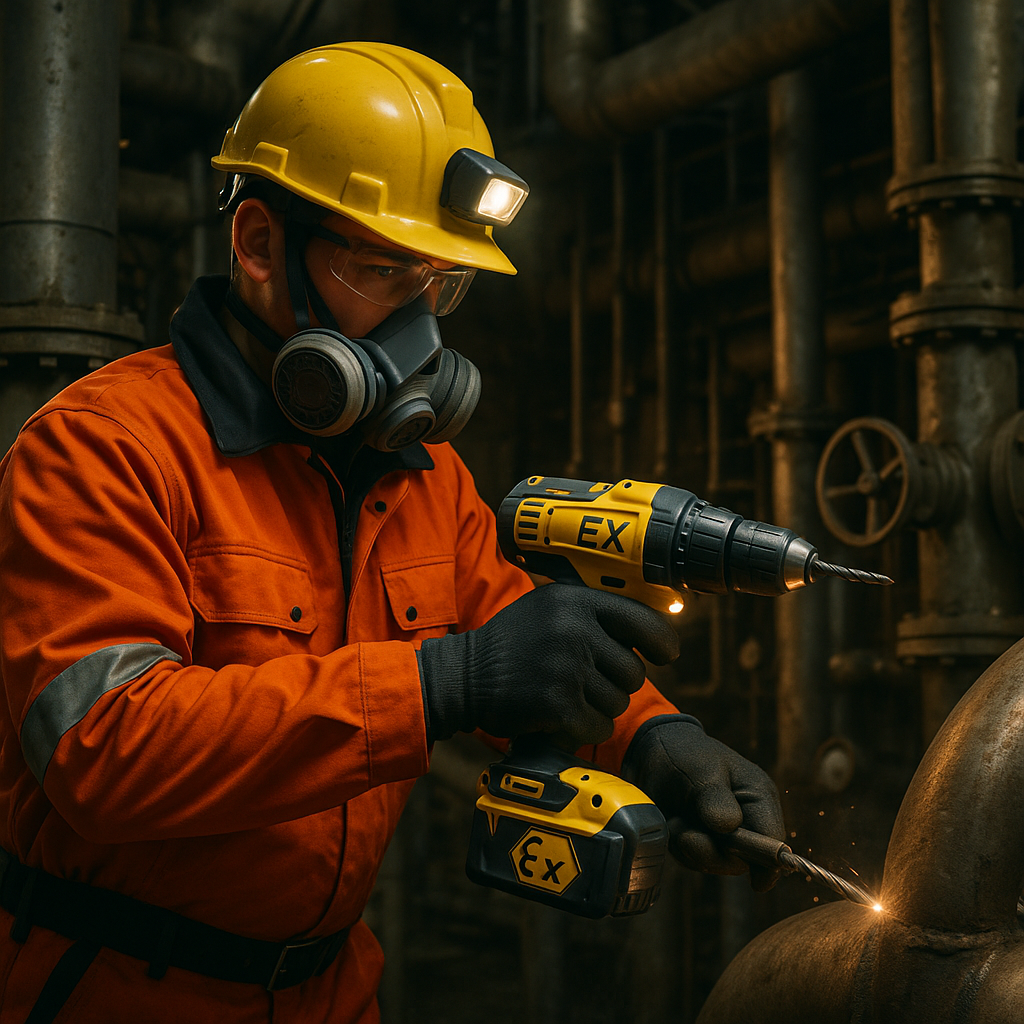
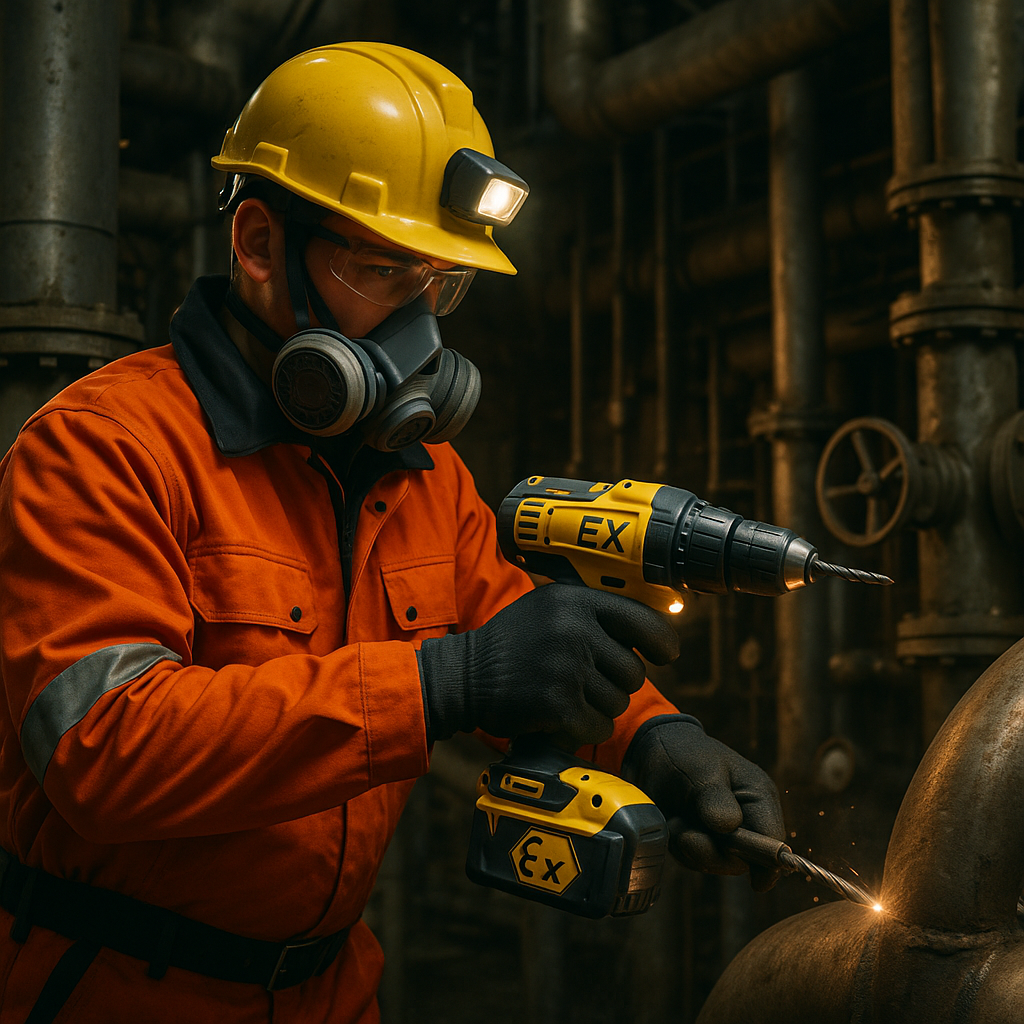
As industries advance, the focus on safety becomes increasingly critical, particularly in environments where the risk of ignition is a constant threat. Intrinsically safe power tools are at the forefront of this safety revolution, designed to operate without igniting flammable gases, vapors, or dust. By 2026, these tools are expected to incorporate cutting-edge technology, offering enhanced safety features and improved functionality. This evolution is driven by the need to protect workers in high-risk sectors such as oil and gas, chemical manufacturing, and mining. The future of intrinsically safe power tools promises not only to safeguard workers but also to enhance productivity and sustainability in industrial operations.
The Future of Safety: Best Intrinsically Safe Power Tools for 2026
As industries continue to evolve, the demand for intrinsically safe power tools is on the rise, particularly in sectors where safety is paramount. By 2026, the landscape of these tools is expected to be more advanced, offering enhanced safety features and improved functionality. Intrinsically safe power tools are designed to operate in hazardous environments where sparks or high temperatures could ignite flammable gases, vapors, or dust. These tools are engineered to be incapable of releasing sufficient electrical or thermal energy to cause ignition, making them indispensable in industries such as oil and gas, chemical manufacturing, and mining.
Ready to equip your team for hazardous areas?
Explore certified solutions and get help selecting the right option for your ATEX/IECEx/NEC environment.
The best intrinsically safe power tools for 2026 will likely incorporate cutting-edge technology to ensure maximum safety and efficiency. One of the key advancements anticipated is the integration of smart technology. This includes the use of sensors and IoT connectivity to monitor tool performance and environmental conditions in real-time. Such features can alert users to potential hazards, such as overheating or excessive vibration, allowing for immediate corrective action. This proactive approach not only enhances safety but also extends the lifespan of the tools by preventing damage.
Another significant trend is the development of more robust and durable materials. By 2026, manufacturers are expected to utilize advanced composites and alloys that offer superior resistance to corrosion and wear. This is particularly important in harsh environments where traditional materials may degrade quickly. The use of these advanced materials will ensure that intrinsically safe power tools remain reliable and effective over extended periods, reducing the need for frequent replacements and maintenance.
Ergonomics will also play a crucial role in the design of future intrinsically safe power tools. As the workforce becomes more diverse, there is a growing emphasis on creating tools that are comfortable and easy to use for all individuals, regardless of their physical stature. This includes designing tools with adjustable handles, balanced weight distribution, and intuitive controls. By prioritizing user comfort, manufacturers can help reduce fatigue and the risk of repetitive strain injuries, further enhancing workplace safety.
Energy efficiency is another area where significant improvements are expected. The best intrinsically safe power tools for 2026 will likely feature advanced battery technologies that offer longer runtimes and faster charging capabilities. This not only increases productivity by minimizing downtime but also aligns with global efforts to reduce energy consumption and environmental impact. Some manufacturers are exploring the use of renewable energy sources, such as solar power, to charge these tools, further contributing to sustainability goals.
In addition to these technological advancements, regulatory compliance will remain a critical factor in the development of intrinsically safe power tools. By 2026, it is anticipated that international safety standards will become more stringent, requiring manufacturers to adhere to rigorous testing and certification processes. This ensures that the tools meet the highest safety standards and can be used confidently in hazardous environments.
Overall, the best intrinsically safe power tools for 2026 will be characterized by their integration of smart technology, use of advanced materials, ergonomic design, energy efficiency, and strict compliance with safety standards. These innovations will not only enhance safety and productivity but also contribute to a more sustainable and efficient industrial landscape. As industries continue to prioritize safety and efficiency, the demand for these advanced tools is expected to grow, driving further innovation and development in this critical field.

Who Should Consider Using the Best Intrinsically Safe Power Tools for 2026?
As we look towards 2026, the landscape of industrial safety continues to evolve, and the demand for intrinsically safe power tools is becoming increasingly critical. These tools are designed to operate safely in hazardous environments where the risk of ignition due to electrical sparks or heat is a constant concern. But who exactly should be considering the adoption of these advanced tools? The answer lies in understanding the specific needs and challenges faced by various industries and professionals who operate in potentially explosive atmospheres.
First and foremost, industries such as oil and gas, chemical manufacturing, and mining are at the forefront of requiring intrinsically safe power tools. These sectors are characterized by environments where flammable gases, vapors, or dust are prevalent. For instance, in the oil and gas industry, workers often find themselves in situations where a single spark could lead to catastrophic explosions. Intrinsically safe tools are engineered to prevent such occurrences, ensuring that operations can continue without compromising safety. As these industries push towards more sustainable and efficient practices, the integration of intrinsically safe tools becomes not just a safety measure but a strategic advantage.
Moreover, professionals working in the pharmaceutical and food processing industries also stand to benefit significantly from these tools. In these sectors, maintaining a contamination-free environment is paramount. Intrinsically safe tools are designed to minimize the risk of ignition, which is crucial in facilities where volatile substances are handled regularly. By adopting these tools, companies can ensure compliance with stringent safety regulations while also protecting their workforce and assets.
Additionally, emergency response teams and maintenance crews operating in hazardous locations should consider the use of intrinsically safe power tools. These professionals often work under pressure in environments where safety cannot be compromised. For example, during rescue operations in chemical plants or maintenance tasks in confined spaces with explosive atmospheres, the reliability and safety of the tools used can make a significant difference. Intrinsically safe tools provide the assurance that these critical tasks can be performed without the added risk of igniting a hazardous environment.
Furthermore, as industries continue to embrace digital transformation, the integration of smart technology with intrinsically safe tools is becoming a game-changer. Professionals who are early adopters of technology will find that these tools not only enhance safety but also improve operational efficiency. With features such as real-time monitoring and data analytics, intrinsically safe tools are poised to revolutionize how work is conducted in hazardous environments, providing insights that can lead to better decision-making and risk management.
In summary, the adoption of the best intrinsically safe power tools for 2026 is essential for industries and professionals operating in environments where safety is non-negotiable. As technology advances and safety standards become more rigorous, these tools will play a pivotal role in ensuring that operations are conducted safely and efficiently. Whether in oil and gas, pharmaceuticals, emergency response, or any other sector dealing with hazardous conditions, intrinsically safe power tools are an investment in safety, compliance, and future-proofing operations.
The Main Benefits of Best Intrinsically Safe Power Tools for 2026
In the ever-evolving landscape of industrial safety and efficiency, the introduction of the best intrinsically safe power tools for 2026 marks a significant advancement. These tools are designed to operate safely in hazardous environments where traditional tools might pose a risk of igniting flammable gases, vapors, or dust. The benefits of these tools extend beyond mere compliance with safety regulations; they offer a transformative impact on productivity, cost-effectiveness, and worker well-being.
One of the primary benefits of intrinsically safe power tools is their ability to enhance workplace safety. In industries such as oil and gas, mining, and chemical manufacturing, the presence of explosive atmospheres is a constant concern. Traditional power tools can generate sparks or heat, which can lead to catastrophic accidents. Intrinsically safe tools are engineered to prevent such occurrences, providing peace of mind to both employers and employees. This safety assurance not only protects human lives but also safeguards the environment from potential disasters, aligning with the growing emphasis on sustainable industrial practices.
Beyond safety, these tools contribute significantly to operational efficiency. By reducing the risk of accidents, companies can minimize downtime associated with incident investigations and repairs. This uninterrupted workflow is crucial in maintaining productivity levels and meeting project deadlines. Moreover, intrinsically safe tools are often designed with advanced technology that enhances their performance. Features such as improved battery life, ergonomic designs, and enhanced durability mean that workers can perform tasks more efficiently and with less physical strain. This leads to higher job satisfaction and reduced turnover rates, as employees are more likely to remain in positions where they feel safe and valued.
Want a quote or help choosing the safest setup?
Tell us your area classification and application—our team will recommend the right certified equipment.
Prefer phone? (832) 699-6726
Cost-effectiveness is another compelling advantage of adopting intrinsically safe power tools. While the initial investment may be higher compared to conventional tools, the long-term savings are substantial. Companies can avoid the financial repercussions of workplace accidents, including medical expenses, legal fees, and increased insurance premiums. Additionally, the durability and reliability of these tools mean fewer replacements and repairs, further reducing operational costs. In a competitive market, these savings can be redirected towards innovation and growth, giving companies a strategic edge.
Furthermore, the integration of intrinsically safe power tools into a company’s operations can enhance its reputation. As consumers and stakeholders become increasingly aware of corporate responsibility, businesses that prioritize safety and sustainability are more likely to gain trust and loyalty. This positive perception can lead to increased business opportunities and partnerships, as well as a stronger brand image.
In summary, the best intrinsically safe power tools for 2026 offer a multifaceted array of benefits that extend beyond basic safety compliance. They represent a strategic investment in the future of industrial operations, promoting a culture of safety, efficiency, and sustainability. As industries continue to navigate the challenges of modern production environments, these tools will undoubtedly play a pivotal role in shaping a safer and more productive future.
Getting Started with the Best Intrinsically Safe Power Tools for 2026
Embarking on the journey to integrate the best intrinsically safe power tools into your workflow for 2026 requires a strategic approach that balances safety, efficiency, and innovation. As industries evolve, the demand for tools that not only perform optimally but also ensure the utmost safety in hazardous environments has never been more critical. Understanding how to get started with these advanced tools involves a few key considerations that can significantly impact your operations.
First and foremost, it is essential to assess the specific needs of your work environment. Intrinsically safe power tools are designed to operate safely in potentially explosive atmospheres, such as those found in oil refineries, chemical plants, and other locations where explosive gases or dust may be present. Identifying the particular hazards present in your workplace will guide you in selecting the most appropriate tools. This involves a thorough analysis of the types of gases, vapors, or dust that may be present, as well as understanding the classification of hazardous zones within your facility. By aligning the tool specifications with the environmental requirements, you ensure that the tools you choose will not only comply with safety standards but also enhance operational efficiency.
Once you have a clear understanding of your needs, the next step is to research and select the right tools. The market for intrinsically safe power tools is expanding, with manufacturers continuously innovating to meet the demands of modern industries. Look for tools that have been rigorously tested and certified by recognized safety organizations. Certifications such as ATEX, IECEx, and UL are indicators that a tool has met stringent safety criteria. Additionally, consider the reputation of the manufacturer and their track record in producing reliable and durable tools. Investing in high-quality tools from reputable brands can save you from potential safety hazards and costly downtime in the long run.
Training and education are crucial components of successfully integrating intrinsically safe power tools into your operations. Even the most advanced tools require skilled operators who understand how to use them effectively and safely. Implement comprehensive training programs that cover not only the technical aspects of tool operation but also emphasize the importance of safety protocols. Encourage a culture of safety where employees feel empowered to report potential hazards and suggest improvements. Regularly updating training materials to reflect the latest industry standards and technological advancements will ensure that your team remains knowledgeable and prepared.
Maintenance and regular inspections are vital to ensuring the longevity and reliability of your intrinsically safe power tools. Establish a routine maintenance schedule that includes checking for wear and tear, calibrating tools, and replacing parts as needed. Keeping detailed records of maintenance activities can help identify patterns and prevent future issues. Additionally, staying informed about updates or recalls from manufacturers can protect your investment and maintain safety standards.
Finally, consider the broader implications of adopting intrinsically safe power tools. Beyond compliance and safety, these tools can contribute to sustainability goals by reducing the risk of accidents and minimizing environmental impact. As industries move towards greener practices, intrinsically safe tools can play a pivotal role in achieving these objectives. By prioritizing safety and efficiency, you not only protect your workforce but also position your organization as a leader in responsible and innovative practices.
In summary, getting started with the best intrinsically safe power tools for 2026 involves a comprehensive approach that includes assessing your needs, selecting the right tools, investing in training, maintaining equipment, and considering the broader impact on safety and sustainability. By taking these steps, you can ensure that your operations are not only compliant with safety standards but also optimized for future growth and success.
Timing Your Purchase: The Best Intrinsically Safe Power Tools for 2026
Understanding the optimal time to invest in the best intrinsically safe power tools for 2026 can significantly impact both your budget and the efficiency of your operations. As industries continue to evolve, the demand for these specialized tools, designed to operate safely in hazardous environments, is expected to rise. Therefore, timing your purchase strategically can ensure you not only secure the latest technology but also benefit from cost savings and enhanced safety features.
The first consideration when planning your purchase is the release cycle of new models. Manufacturers often unveil their latest innovations at industry trade shows or during specific times of the year, such as the beginning of a fiscal quarter. Keeping an eye on these events can provide insights into when new models will hit the market. Purchasing just after a new release can be advantageous, as it allows you to acquire the most advanced tools with the latest safety features and technological improvements. However, if budget constraints are a concern, waiting a few months after a release can lead to discounts on previous models, which may still meet your operational needs effectively.
Another factor to consider is the economic climate and market trends. Economic downturns or periods of reduced industrial activity can lead to lower demand for power tools, prompting manufacturers and retailers to offer discounts and promotions to stimulate sales. Conversely, during times of economic growth, prices may rise due to increased demand. Monitoring economic indicators and industry forecasts can help you anticipate these fluctuations and plan your purchase accordingly.
Seasonal sales and promotions also play a crucial role in determining the best time to buy. Many retailers offer significant discounts during major sales events such as Black Friday, Cyber Monday, or end-of-year clearance sales. These periods can provide substantial savings, especially if you are purchasing in bulk. Additionally, some companies offer fiscal year-end promotions to clear inventory, which can be an excellent opportunity to acquire high-quality tools at reduced prices.
It’s also essential to consider the lifecycle of your current equipment. If your existing tools are nearing the end of their operational life, planning a purchase before they fail can prevent costly downtime. Proactively replacing aging equipment with the latest intrinsically safe power tools ensures continuous productivity and safety in hazardous environments. Regularly assessing the condition and performance of your tools can help you determine the optimal time for replacement, aligning with market opportunities for the best deals.
Finally, staying informed about technological advancements and regulatory changes is crucial. As safety standards evolve, new regulations may require the adoption of updated tools to remain compliant. Keeping abreast of these changes ensures that your investment not only meets current safety requirements but also positions your operations for future compliance. Engaging with industry publications, attending conferences, and participating in professional networks can provide valuable insights into upcoming trends and innovations.
In summary, the best time to purchase intrinsically safe power tools for 2026 depends on a combination of factors, including new model releases, economic conditions, seasonal sales, equipment lifecycle, and regulatory changes. By strategically timing your purchase, you can maximize your investment, ensuring that your operations remain safe, efficient, and cost-effective.
Where to Find the Best Intrinsically Safe Power Tools for 2026
As the demand for intrinsically safe power tools continues to rise, especially in industries where safety is paramount, knowing where to find the best options for 2026 is crucial. These tools are designed to operate safely in hazardous environments, such as oil refineries, chemical plants, and other locations where explosive gases or dust may be present. The market for these specialized tools is expanding, and several key players are leading the charge in innovation and availability.
One of the most reliable places to find top-tier intrinsically safe power tools is through specialized industrial suppliers. Companies like Grainger and MSC Industrial Supply have long been trusted sources for industrial equipment and tools. They offer a wide range of intrinsically safe options, ensuring that you can find the right tool for your specific needs. These suppliers often provide detailed product descriptions, safety certifications, and customer reviews, which can be invaluable when making a purchasing decision. Additionally, they frequently update their inventory to include the latest advancements in safety technology, ensuring that you have access to the most current and effective tools on the market.
Another excellent avenue for sourcing these tools is through direct purchase from manufacturers. Leading manufacturers such as Bosch, DeWalt, and Makita have dedicated lines of intrinsically safe power tools. By purchasing directly from these companies, you can often benefit from manufacturer warranties, customer support, and sometimes even custom solutions tailored to your specific industry requirements. These manufacturers invest heavily in research and development to ensure their tools not only meet but exceed safety standards, providing peace of mind for users operating in high-risk environments.
Explore related intrinsically safe categories
Build a safer, compliant toolkit—choose by application below.
Need ventilation or specialized setups? Explore Explosion Proof Fans.
Online marketplaces like Amazon and eBay also offer a wide selection of intrinsically safe power tools. While these platforms provide the convenience of home delivery and competitive pricing, it is essential to exercise caution and ensure that the tools are genuine and come with the necessary safety certifications. Reading customer reviews and checking seller ratings can help verify the authenticity and reliability of the products. Additionally, some online platforms offer buyer protection programs, which can add an extra layer of security to your purchase.
Trade shows and industry conferences are another valuable resource for discovering the latest in intrinsically safe power tool technology. Events such as the National Safety Council Congress & Expo or the Offshore Technology Conference provide opportunities to see these tools in action, speak directly with manufacturers, and gain insights into upcoming trends and innovations. Attending these events can also facilitate networking with industry professionals who can offer recommendations and share their experiences with different tools.
Finally, consulting with industry experts and safety consultants can provide personalized guidance on selecting the best intrinsically safe power tools for your specific applications. These professionals can assess your work environment, understand your unique challenges, and recommend tools that align with your safety protocols and operational needs. Their expertise can be invaluable in navigating the complexities of safety standards and ensuring compliance with industry regulations.
In summary, finding the best intrinsically safe power tools for 2026 involves exploring a variety of sources, from specialized suppliers and direct manufacturer purchases to online marketplaces and industry events. By leveraging these resources, you can ensure that you are equipped with the safest and most effective tools to meet the demands of your hazardous work environment.
Frequently Asked Questions About the Best Intrinsically Safe Power Tools for 2026
As industries continue to prioritize safety and efficiency, the demand for intrinsically safe power tools is on the rise. These tools are essential in environments where explosive gases, vapors, or dust are present, such as in oil refineries, chemical plants, and mining operations. Understanding the nuances of these tools can be complex, so let’s delve into some frequently asked questions to provide clarity and insight.
What are intrinsically safe power tools?
Intrinsically safe (IS) refers to equipment designed to operate safely in hazardous environments by limiting the energy, both electrical and thermal, available for ignition. In the context of power tools, this means the device is engineered to prevent sparks or high temperatures that could ignite flammable gases or dust. These tools undergo rigorous testing and certification processes to ensure they meet international safety standards, such as ATEX, IECEx, and UL. For professionals working in potentially explosive atmospheres, using intrinsically safe power tools is not just a preference but a regulatory requirement.
Why are intrinsically safe power tools important for 2026?
As we approach 2026, the emphasis on workplace safety and regulatory compliance continues to grow. Industries are increasingly adopting intrinsically safe tools to mitigate risks and ensure the safety of their workforce. With advancements in technology, these tools are becoming more efficient, durable, and user-friendly, making them an essential component of modern industrial operations. The push towards sustainable and safe working environments is driving innovation in this sector, leading to the development of more sophisticated tools that meet the stringent safety requirements of hazardous locations.
What should I consider when choosing intrinsically safe power tools?
When selecting intrinsically safe power tools, several factors should be considered. First, ensure that the tool is certified by a recognized authority, such as ATEX or IECEx, which guarantees its suitability for use in explosive atmospheres. Additionally, consider the specific requirements of your work environment, including the type of hazardous materials present and the frequency of tool use. Ergonomics and ease of use are also important, as they can impact worker productivity and safety. Finally, evaluate the tool’s durability and maintenance needs to ensure long-term reliability and cost-effectiveness.
How do intrinsically safe power tools differ from regular power tools?
The primary difference lies in their design and construction. Intrinsically safe power tools are built to prevent ignition in hazardous environments, which involves using materials and components that limit electrical and thermal energy. Regular power tools, on the other hand, do not have these safety features and are not suitable for use in explosive atmospheres. The engineering of intrinsically safe tools often involves additional layers of protection, such as encapsulation, increased spacing between components, and the use of non-sparking materials.
Are there any limitations to using intrinsically safe power tools?
While intrinsically safe power tools offer significant safety benefits, they may have some limitations compared to their non-safe counterparts. These tools can be more expensive due to the specialized materials and engineering required. Additionally, they may have lower power outputs to ensure safety, which can affect performance in certain applications. However, ongoing advancements in technology are helping to bridge these gaps, providing more powerful and efficient intrinsically safe tools that meet the demands of modern industries.
Conclusion
As we look to the future, the role of intrinsically safe power tools in industrial safety cannot be overstated. By 2026, these tools will be more than just a compliance requirement; they will be integral to the strategic operations of industries worldwide. The advancements in smart technology, durable materials, ergonomic design, and energy efficiency will redefine how work is conducted in hazardous environments. As industries continue to prioritize safety and efficiency, the adoption of these advanced tools will drive further innovation and development. Embracing intrinsically safe power tools is not just about meeting safety standards; it’s about investing in a safer, more efficient, and sustainable future for industrial operations.
