


























The Importance of Intrinsically Safe Equipment
In industries where flammable gases, vapors, or dust particles pose a risk of explosion, intrinsically safe equipment is essential for maintaining workplace safety. These specialized devices are engineered to operate in hazardous environments without generating sparks or excessive heat, reducing the risk of ignition.
Industries such as:
- Oil and gas
- Chemical manufacturing
- Mining
- Pharmaceuticals
Rely heavily on intrinsically safe (IS) equipment to ensure compliance with international safety standards and protect both personnel and assets. This guide explores the different types of IS equipment and their applications across various industries.

What is Intrinsically Safe Equipment?
Intrinsically safe (IS) equipment is designed to limit electrical and thermal energy to levels that are incapable of causing an explosion. This safety concept ensures that devices can operate safely in hazardous areas, even in the presence of flammable materials.
Common certifications for intrinsically safe equipment include:
- ATEX (Europe)
- IECEx (International)
- UL Class I, II, III Division 1 & 2 (North America)
By using IS-certified devices, industries can minimize fire and explosion risks while maintaining efficient operations in high-risk environments.
Types of Intrinsically Safe Equipment
1. Portable Electronic Devices
Portable electronic devices are widely used in hazardous environments to enable safe communication, data collection, and remote monitoring.
Examples:
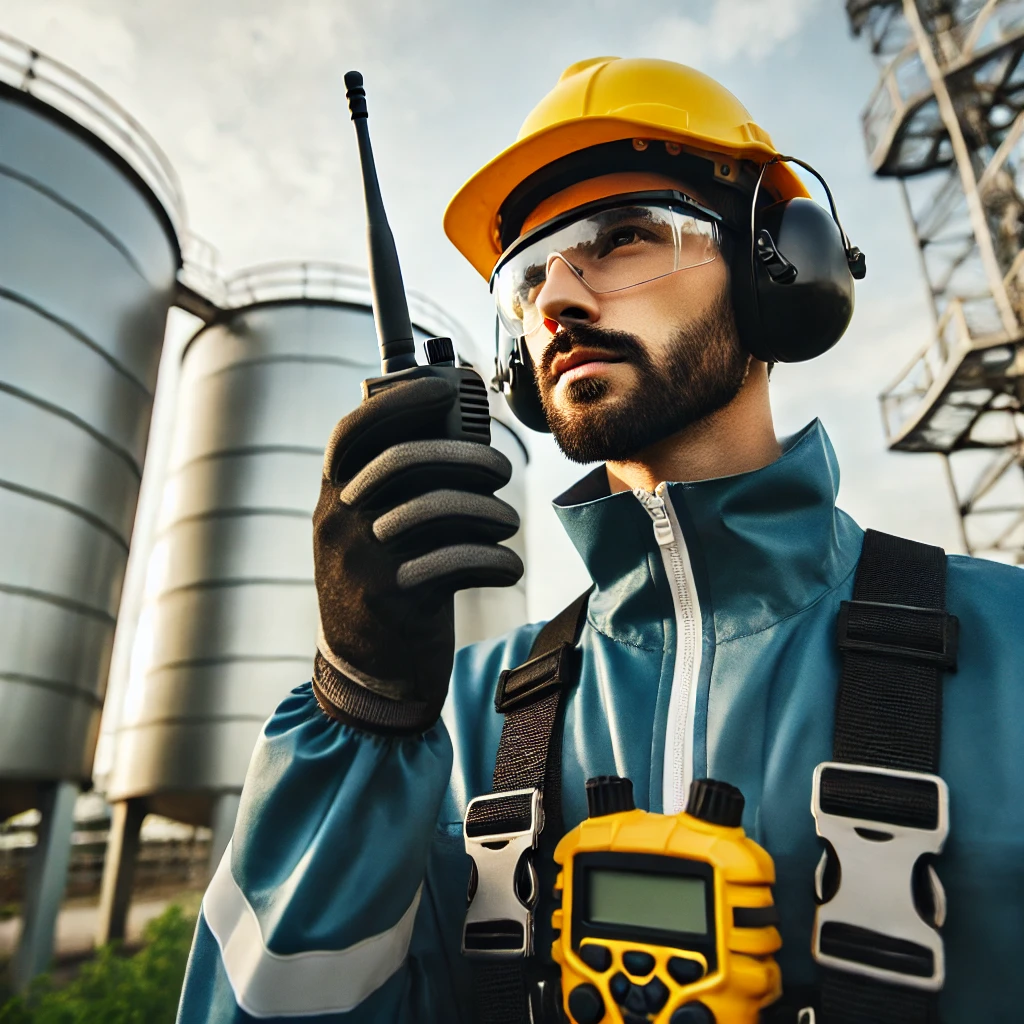
- Intrinsically Safe Two-Way Radios – Essential for reliable communication in explosive atmospheres.
- IS Smartphones & Tablets – Allow workers to access data, take pictures, and communicate safely.
- IS Laptops & Handheld Computers – Used for documentation, diagnostics, and process control in the field.
Industries: Oil & gas, mining, chemical plants, pharmaceutical facilities.
2. Gas Detection & Environmental Monitoring Instruments
Detecting hazardous gases is critical in environments where leaks or emissions could lead to catastrophic events. Intrinsically safe gas detectors continuously monitor air quality to prevent accidents.
Examples:
- Single & Multi-Gas Detectors – Identify hazardous gases such as methane, carbon monoxide, and hydrogen sulfide.
- Temperature & Pressure Sensors – Monitor critical parameters in process industries.
- IS Air Quality Meters – Assess levels of oxygen, humidity, and airborne contaminants.
Industries: Chemical manufacturing, oil refineries, wastewater treatment, confined space operations.
3. Lighting Equipment
Proper illumination is essential for workers in hazardous locations, especially in confined spaces or low-visibility conditions. Intrinsically safe lighting solutions ensure that light sources do not generate sparks or excess heat.
Examples:
- Intrinsically Safe Flashlights & Headlamps – Portable lighting for maintenance crews.
- Explosion-Proof LED Work Lights – Provide fixed illumination in hazardous zones.
- Emergency & Exit Lighting – Ensures safe evacuation in case of emergencies.
Industries: Underground mining, petrochemical facilities, grain processing plants.
4. Cameras & Imaging Devices
Intrinsically safe cameras allow workers to document equipment conditions, conduct inspections, and monitor operations without the risk of ignition.
Examples:
- Intrinsically Safe Digital Cameras – Capture high-resolution images for compliance and documentation.
- Thermal Imaging Cameras – Detect heat anomalies that could indicate potential safety hazards.
- Explosion-Proof CCTV Systems – Monitor hazardous work areas remotely.
Industries: Oil refineries, offshore drilling platforms, power plants, aerospace.
5. Control & Signaling Devices
Control and signaling devices are used to manage industrial operations safely in hazardous environments. These components allow operators to interact with machinery without creating ignition risks.
Examples:
- Intrinsically Safe Switches & Relays – Control circuits in hazardous zones.
- Alarms & Warning Indicators – Alert workers to potential safety hazards.
- IS Keyboards & Control Panels – Used in manufacturing and automation settings.
Industries: Chemical processing, oil & gas extraction, automotive manufacturing.
Enhancing Workplace Safety with Intrinsically Safe Equipment
Choosing the right intrinsically safe equipment is essential for protecting workers, reducing risks, and ensuring compliance in hazardous industries. From communication devices to lighting and gas detectors, IS technology plays a vital role in preventing industrial accidents.
Explore our selection of intrinsically safe equipment at intrinsicallysafestore.com to find the right solutions for your industrial needs.
Industrial Applications of Intrinsically Safe Equipment
1. Oil & Gas Industry
- Hazard: Presence of flammable gases and vapors in refineries and drilling sites.
- IS Equipment Used: Gas detectors, two-way radios, thermal cameras, IS lighting.
- Benefit: Prevents explosions while maintaining operational safety.
2. Mining Industry
- Hazard: Methane gas buildup and combustible dust in underground mines.
- IS Equipment Used: Flashlights, communication devices, gas detectors, ventilation monitors.
- Benefit: Enhances worker safety and prevents fire hazards.
3. Chemical & Pharmaceutical Industries
- Hazard: Flammable liquids, gases, and dust from production processes.
- IS Equipment Used: Environmental monitoring sensors, control panels, explosion-proof lighting.
- Benefit: Ensures compliance with strict safety regulations while protecting workers.
4. Food & Grain Processing
- Hazard: Combustible dust from milling, grain storage, and food production.
- IS Equipment Used: Intrinsically safe lighting, dust monitoring systems, alarms.
- Benefit: Reduces explosion risks in facilities handling fine particles.
Frequently Asked Questions (FAQs)
What makes a device “intrinsically safe”?
A device is intrinsically safe if it is designed to operate with minimal electrical and thermal energy, ensuring it cannot ignite hazardous gases, vapors, or dust.
How is intrinsically safe equipment different from explosion-proof equipment?
- Intrinsically Safe (IS) Equipment limits electrical energy to prevent ignition.
- Explosion-Proof Equipment is housed in an enclosure that contains any internal explosion.
What certifications should intrinsically safe equipment have?
Common certifications include ATEX (Europe), IECEx (International), and UL (North America). These ensure compliance with safety standards for hazardous environments.
Can regular equipment be used in hazardous areas with additional protection?
No, standard equipment is not designed to function safely in explosive atmospheres. Only certified intrinsically safe equipment should be used.
Where can I buy certified intrinsically safe equipment?
A wide range of intrinsically safe devices is available at intrinsicallysafestore.com.
