























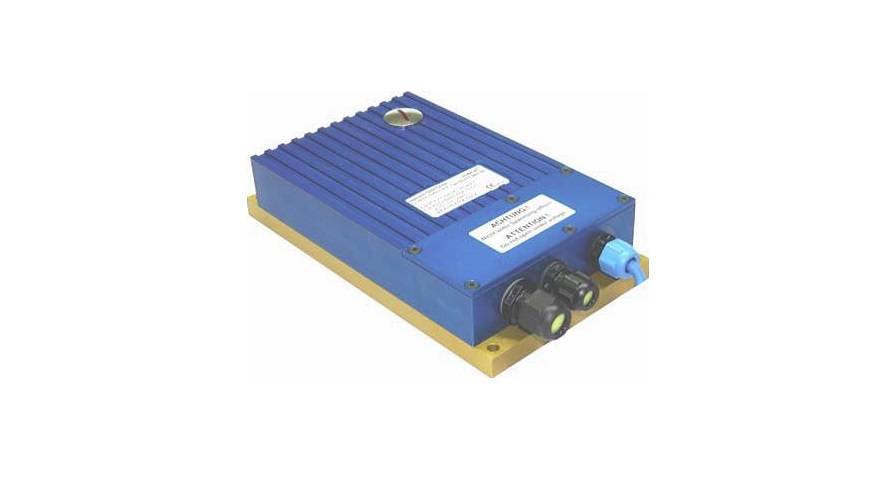
In industries where flammable gases, vapors, or dust are present, ensuring electrical safety is critical. An intrinsically safe power supply is specifically designed to prevent electrical faults from causing sparks or excessive heat that could ignite hazardous materials. These power supplies are commonly used in oil and gas facilities, chemical plants, mining operations, and manufacturing environments.
Choosing the right intrinsically safe power supply is crucial for compliance, safety, and operational efficiency. This guide will help you understand:
- What makes a power supply intrinsically safe
- Key factors to consider when selecting one
- Industry certifications and compliance requirements
- Applications across different hazardous environments
What Is an Intrinsically Safe Power Supply?
An intrinsically safe power supply is designed to operate within strict electrical limits to ensure that under no circumstances—normal operation or fault conditions—can it generate enough energy to cause ignition. Unlike explosion-proof systems that contain explosions within enclosures, intrinsically safe power supplies eliminate ignition risks at the source.
Key Features:
- Low voltage and current output to prevent sparking
- Certified for use in hazardous zones
- Designed for safe integration with intrinsically safe barriers and equipment
- Reliable performance in harsh environmental conditions

Factors to Consider When Choosing an Intrinsically Safe Power Supply
1. Hazardous Area Classification
Before selecting a power supply, you must determine the classification of the hazardous area where it will be used. Different environments have varying levels of explosion risk, and regulations define them accordingly.
| Zone | Description |
|---|---|
| Zone 0 | Explosive gases or vapors are present continuously. |
| Zone 1 | Explosive gases or vapors are present occasionally under normal conditions. |
| Zone 2 | Explosive gases or vapors are present only in abnormal conditions. |
Choosing the wrong power supply for a specific zone can result in regulatory non-compliance and safety hazards.
2. Certifications and Compliance
Always select a power supply that meets industry safety standards and certifications. Some of the most recognized include:
- ATEX (Europe): Required for equipment used in explosive atmospheres.
- IECEx (Global): International certification for hazardous location safety.
- NEC 500 (USA): Defines the classifications of hazardous locations in North America.
Failure to comply with these regulations may result in safety violations, legal consequences, and operational downtime.
3. Voltage and Current Requirements
Choose a power supply that provides the necessary voltage and current output while remaining within the limits required for intrinsic safety. Verify compatibility with connected intrinsically safe equipment to avoid exceeding safe operating parameters.
4. Environmental Conditions
Power supplies must be suited for the physical conditions in which they will operate. Consider:
- Temperature Range: Ensure the unit functions properly in extreme hot or cold environments.
- Ingress Protection (IP) Rating: A higher IP rating provides better resistance against dust and moisture.
- Corrosion Resistance: Important for offshore, chemical, and industrial applications.
5. System Integration
Ensure the power supply is compatible with existing intrinsically safe systems, including:
- Intrinsic safety barriers
- Hazardous area control systems
- Communication and monitoring devices
Applications of Intrinsically Safe Power Supplies
Oil and Gas Industry
- Powers monitoring equipment in refineries and offshore rigs
- Used in explosion-prone environments with flammable gases
Chemical and Pharmaceutical Manufacturing
- Supports automation and control systems
- Ensures safe operation in volatile chemical environments
Mining Operations
- Powers underground safety equipment
- Prevents ignition in methane-rich atmospheres
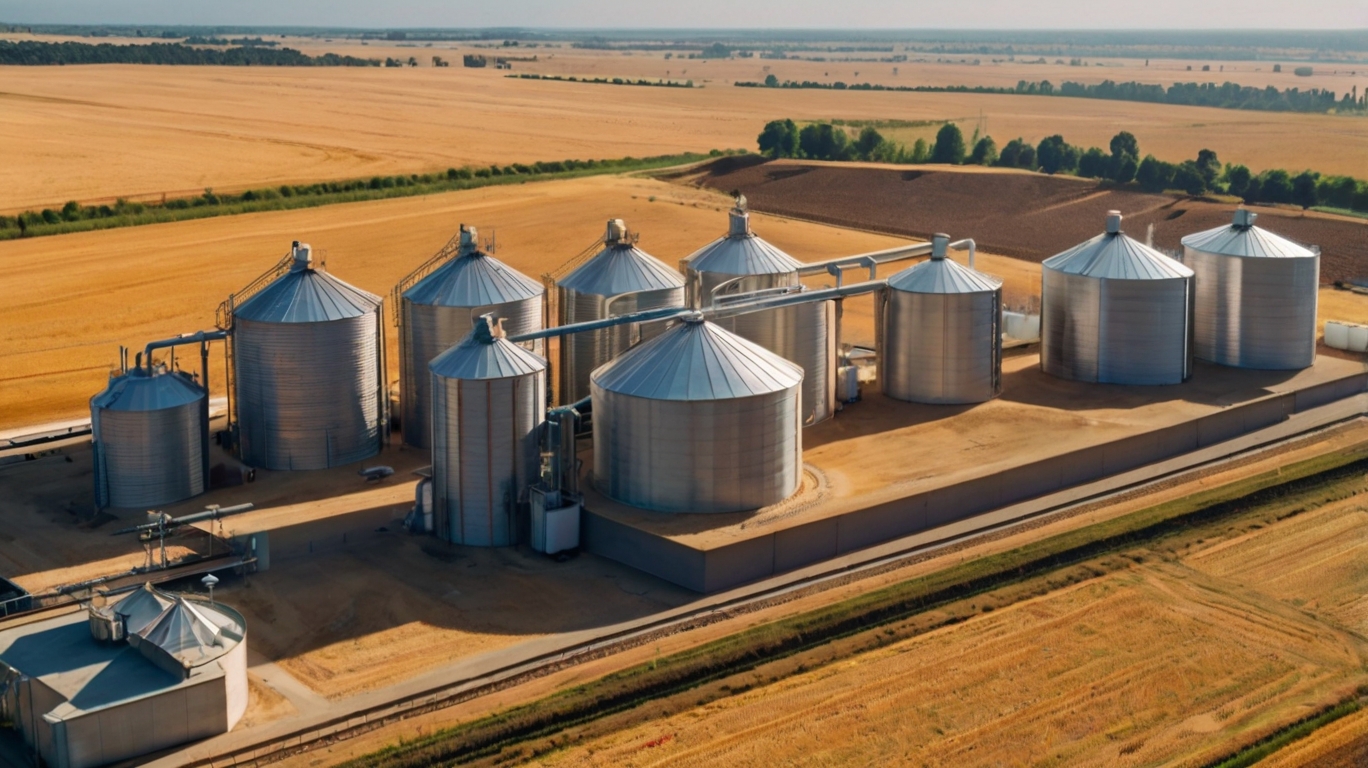
Food and Grain Processing
- Prevents ignition in dust-filled environments
- Essential for conveyor systems and automated machinery
Conclusion
Choosing the right intrinsically safe power supply ensures safety, regulatory compliance, and efficiency in hazardous environments. Consider factors such as hazardous zone classification, certifications, electrical requirements, and environmental conditions when selecting a unit.
At Intrinsically Safe Store, we offer a wide range of certified intrinsically safe power supplies to meet your industry’s unique safety requirements.
FAQs
What is an intrinsically safe power supply?
It is a power source designed to limit electrical and thermal energy, preventing ignition in hazardous environments.
Why do intrinsically safe power supplies need certifications?
Certifications like ATEX, IECEx, and NEC 500 ensure compliance with global safety regulations, reducing the risk of explosions.
Can I use a standard power supply in a hazardous area?
No, standard power supplies do not limit energy output and can create ignition risks.
How do I determine the right power supply for my hazardous area?
Check the area’s hazardous classification, required certifications, voltage specifications, and environmental conditions.
Get Expert Advice
Need help choosing the right intrinsically safe power supply? Contact our safety experts at Intrinsically Safe Store for assistance.
