
























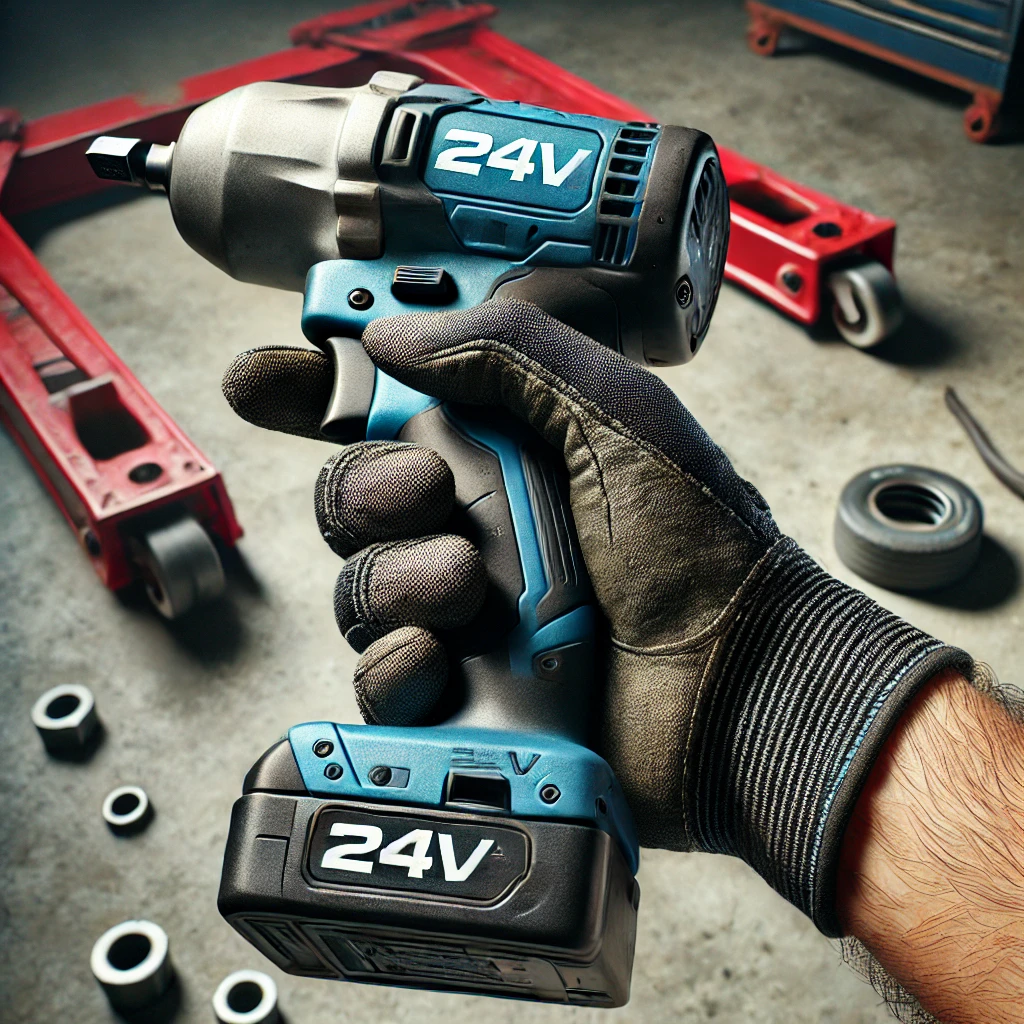
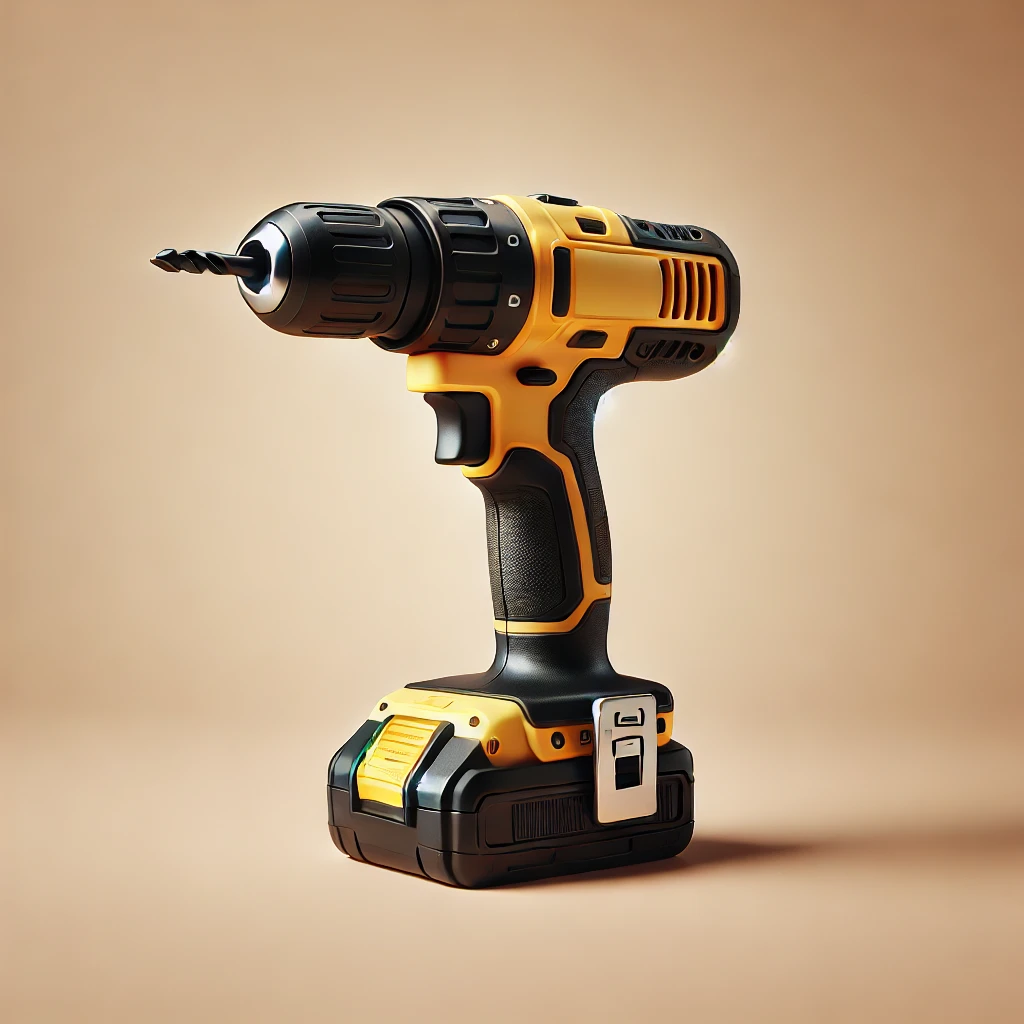
In industries where safety is paramount—such as oil and gas, mining, chemical processing, and manufacturing—using standard cordless drills can be a significant hazard. Explosive atmospheres, characterized by the presence of flammable gases, vapors, or dust, require tools that are designed to eliminate ignition risks. This is where an intrinsically safe cordless drill becomes indispensable.
This comprehensive guide will explore the essential factors for selecting an intrinsically safe cordless drill, covering key certifications, battery safety considerations, maintenance best practices, and essential benchmarks to ensure your operations remain compliant and safe.
What is an Intrinsically Safe Cordless Drill?
An intrinsically safe cordless drill is designed to prevent ignition in hazardous environments by limiting the energy, both electrical and thermal, that the device can release. Even in the case of equipment failure, these drills are built to eliminate the risk of sparks or excessive heat, which could otherwise ignite flammable substances.
Why Intrinsic Safety is Essential in Hazardous Environments
- Prevents Ignition: Limits the energy within the drill to levels incapable of igniting a hazardous atmosphere.
- Complies with Regulations: Meets rigorous international and regional safety standards.
- Ensures Operational Continuity: Reduces downtime associated with safety concerns and inspections.

Understanding Certification Standards
Certifications are crucial when selecting an intrinsically safe cordless drill. These certifications ensure that the drill has been tested and deemed safe for use in hazardous environments.
Primary Certifications to Look For
| Certification | Region | Purpose |
|---|---|---|
| ATEX | European Union | Certifies equipment for use in explosive atmospheres. |
| IECEx | International | Ensures compliance with global standards for equipment in hazardous locations. |
| NEC/CEC | North America | Defines and certifies safety standards for equipment used in hazardous environments. |
Learn more about essential ATEX and IECEx certifications and how they ensure your equipment meets the highest safety standards.
Understanding Zone Classifications
These certifications classify hazardous environments into zones based on the likelihood of an explosive atmosphere:
| Zone | Type of Hazard | Frequency of Risk |
|---|---|---|
| Zone 0 | Flammable gases/vapors | Present continuously or for long periods. |
| Zone 1 | Flammable gases/vapors | Likely to occur under normal operations. |
| Zone 2 | Flammable gases/vapors | Unlikely under normal operations but may occur. |
| Zone 20 | Combustible dust | Present continuously. |
| Zone 21 | Combustible dust | Likely to occur during regular operations. |
| Zone 22 | Combustible dust | Unlikely but possible in abnormal conditions. |
Tip: Always ensure that your cordless drill is certified for the specific zone in which it will be used.
Not sure if your drill meets the required safety standards? Schedule a consultation with our experts for personalized recommendations.
Battery Safety Considerations
A critical component of any cordless drill is its battery. In hazardous environments, even a minor battery malfunction could lead to a catastrophic incident. Here are key considerations for battery safety:
Factors for Battery Selection
- Certified Battery Packs: Ensure the battery is certified under ATEX, IECEx, or NEC standards.
- Thermal Management: Opt for batteries designed to minimize heat generation.
- Fault Prevention: Choose batteries with built-in protection against overcharging and short circuits.
Battery Safety Benchmarks
| Battery Feature | Recommended Standard | Why It Matters |
|---|---|---|
| Surface Temperature | ≤ 120°C | To prevent ignition of surrounding atmospheres. |
| Overcharge Protection | Required | Prevents excess energy release. |
| Circuit Isolation | Required | Ensures sparks are contained. |
| Battery Life | ≥ 2,000 cycles | Reduces the need for frequent replacements, minimizing maintenance risks. |
Key Features of Intrinsically Safe Cordless Drills
When evaluating drills, look for these essential features to ensure maximum safety and efficiency:
- Energy Limitation: The drill must strictly control its energy output to eliminate ignition risks.
- Robust Casing: A durable and sealed casing prevents the release of sparks or heat.
- Temperature Control: Integrated technology to manage and limit operational temperature.
- Low Voltage Operation: Ensures that the voltage is always below ignition thresholds.
- Spark Prevention Mechanisms: Internal designs that isolate or eliminate potential ignition sources.
Comparing Intrinsically Safe Drills
| Feature | Standard Drill | Intrinsically Safe Drill |
|---|---|---|
| Certification | None | ATEX, IECEx, NEC/CEC compliant |
| Battery Safety | Standard lithium-ion | Certified, low-energy output |
| Ignition Protection | None | Fully integrated system to prevent sparks |
| Temperature Control | Minimal | Advanced heat-dissipating design |
| Durability in Hazardous Zones | Not rated | Certified for Zone 0, 1, 2, 20, 21, 22 |
Maintenance Best Practices for Intrinsically Safe Drills
Regular maintenance is critical for ensuring ongoing safety and compliance. Ignoring proper maintenance can lead to equipment degradation, increasing the risk of ignition.
Maintenance Checklist
| Task | Frequency | Details |
|---|---|---|
| Cleaning | After each use | Remove dust, debris, and contaminants that could cause overheating. |
| Inspection | Weekly | Check for wear, damage, or corrosion on all components. |
| Battery Check | Monthly | Inspect for signs of swelling, corrosion, or charge inconsistencies. |
| Professional Service | Annually | Have the drill inspected by a certified professional to ensure ongoing safety. |
Enhance safety in your operations with our intrinsically safe accessories designed for hazardous areas.
Frequently Asked Questions (FAQs)
Why is intrinsic safety important in cordless drills?
Intrinsic safety ensures that the drill cannot produce sufficient heat or sparks to ignite flammable gases, vapors, or dust, making it essential in hazardous environments.
What certifications are mandatory for cordless drills in explosive environments?
The drill should be certified under ATEX (EU), IECEx (International), or NEC (North America), depending on the operational region.
Can I use a standard battery in an intrinsically safe drill?
No, using a non-certified battery can compromise the drill’s safety standards and introduce ignition risks. Always opt for certified batteries.
How often should I inspect my intrinsically safe drill?
A visual inspection should be conducted weekly, while professional servicing is recommended annually to maintain certification standards.
Are intrinsically safe drills heavier than regular drills?
Yes, due to their robust construction and safety mechanisms, intrinsically safe drills tend to be slightly heavier than standard models.
Conclusion
Selecting an intrinsically safe cordless drill is more than a safety choice—it’s a compliance necessity for industries operating in hazardous environments. By focusing on certifications, battery safety, and maintenance practices, businesses can protect personnel, reduce downtime, and ensure regulatory adherence.
For a range of certified intrinsically safe cordless drills, visit Intrinsically Safe Store. Our selection ensures top-notch safety standards and optimal performance, empowering your operations with reliable, compliant tools.
