

























Chemical plants are among the highest-risk industrial environments, constantly facing the threat of fires and explosions due to flammable gases, vapors, and dust. In such hazardous atmospheres, even a small electrical spark or a device overheating can trigger a catastrophe. That’s why using intrinsically safe devices for chemical plants is not just recommended—it’s mandatory for operational safety, compliance, and worker protection.
With the right intrinsically safe tools, chemical plants can reduce the risk of ignition, maintain efficient communication, and ensure real-time hazard monitoring. This article will explore what makes a device intrinsically safe, why certifications matter, and highlight the top devices available at Intrinsically Safe Store to equip your workforce securely.
What Are Intrinsically Safe Devices?
Intrinsically safe devices are engineered to limit electrical and thermal energy to levels incapable of igniting explosive gases or dust. These devices operate safely in hazardous environments by ensuring that any internal faults or malfunctions cannot trigger an ignition event.
Common intrinsically safe devices include:
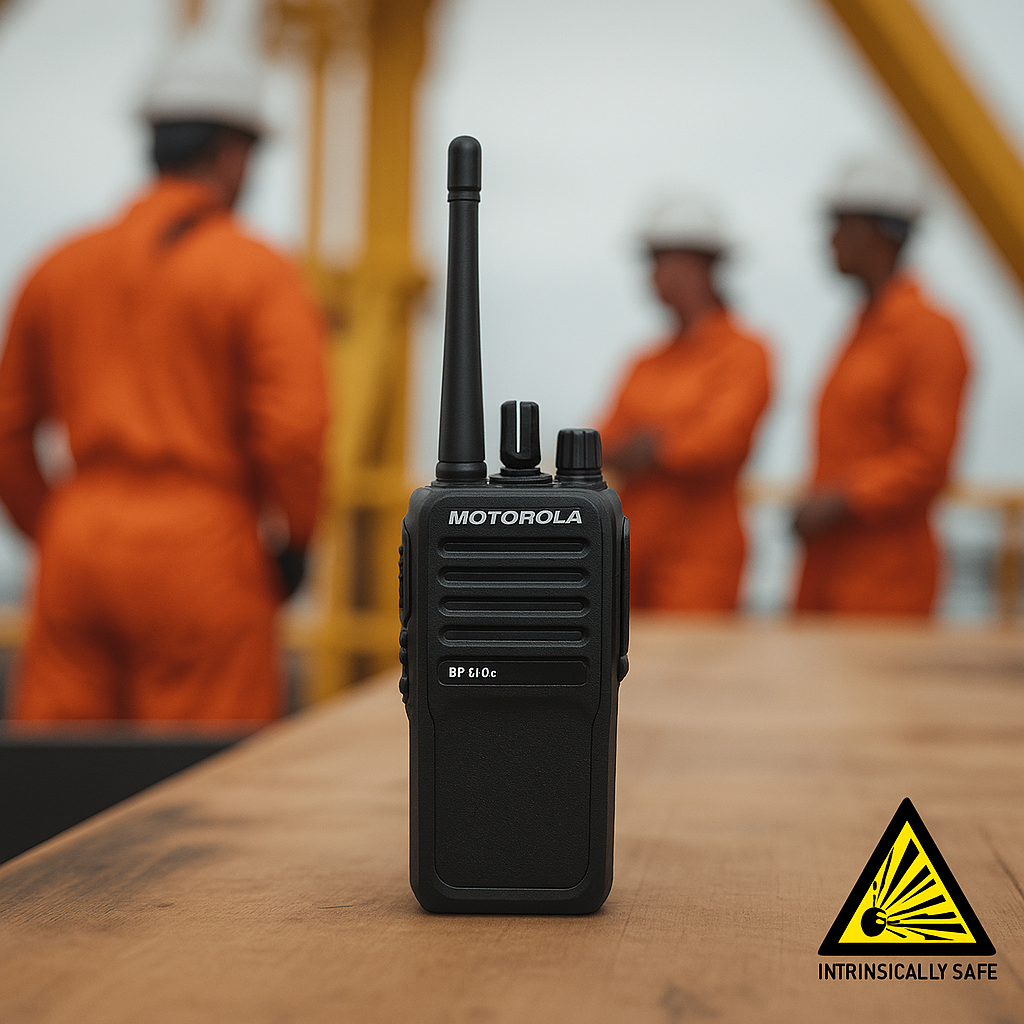
Two-way radios
Smartphones
Tablets
Cameras
Gas detectors
Such equipment is vital in chemical plants where flammable materials are processed daily. Without proper safety measures, even routine operations could end in tragedy.

Why Are Intrinsically Safe Devices Critical in Chemical Plants?
Chemical plants are classified as hazardous zones where explosive atmospheres may exist under normal or abnormal conditions. OSHA, ATEX, IECEx, and other regulatory bodies require the use of certified intrinsically safe equipment to protect workers and infrastructure.
Key reasons include:
Explosion Prevention: Reduce ignition risks from electrical equipment.
Regulatory Compliance: Satisfy OSHA CFR 1910.307, NEC, ATEX, and IECEx regulations.
Operational Continuity: Minimize downtime from accidents or shutdowns.
Worker Safety: Create a culture of proactive hazard prevention.
According to the U.S. Bureau of Labor Statistics, chemical manufacturing accounted for 17% of all fires and explosionsin the industrial sector in 2023. Proper safety equipment is more critical than ever.
Reduce ignition risks from electrical equipment with ATEX-certified communication tools.
Certification Standards for Intrinsically Safe Devices
Different regions and industries require specific certifications to verify intrinsic safety:
| Certification | Description | Region |
|---|---|---|
| ATEX (Directive 2014/34/EU) | Essential for any equipment in explosive atmospheres within the European Union. | Europe |
| IECEx | International certification system for explosion protection equipment. | Global |
| UL913 | Standard for intrinsic safety equipment in North America. | USA |
| CSA | Certification for Canadian hazardous location equipment. | Canada |
Always check your chemical plant’s hazard classification (Zone 0, 1, 2 or Division 1, 2) before purchasing devices.
Certified Intrinsically Safe Devices Available at Intrinsically Safe Store
We curated a list of best-in-class intrinsically safe devices from trusted manufacturers, fully certified for chemical plant use:
| Product | Certifications | Features | Best For | Type |
|---|
| Ecom Smart-Ex 02 DZ1 Smartphone | ATEX Zone 1/21, IECEx, CSA | Android 11, glove-compatible, Gorilla Glass, LTE connectivity | Plant-wide mobile communication | Smartphone |
| Sonim XP10 IS Rugged Smartphone | UL913 | Extreme ruggedness, waterproof, Push-to-Talk, extended battery | Field technicians and remote staff | Smartphone |
| Motorola MOTOTRBO ION IS Radio | FM Approved, UL | Dual digital/analog modes, Android OS, Wi-Fi enabled | Emergency and mass communication | Two-Way Radio |
| Ecom Tab-Ex 03 DZ1 Tablet | ATEX Zone 1/21, IECEx, CSA | Rugged 8-inch touchscreen, Android 11, extended temperature tolerance | Digital inspections and documentation | Tablet |
| RAE Systems MiniRAE 3000+ VOC Monitor | ATEX, IECEx | PID sensor for VOC detection, real-time wireless data transmission | Continuous air monitoring | Gas Detector |
Need expert advice? Talk to a safety specialist now and get the right intrinsically safe device for your plant.
FAQs About Intrinsically Safe Devices for Chemical Plants
What does “intrinsically safe” mean for chemical plant equipment?
An intrinsically safe device is designed so that it cannot release sufficient energy, even under fault conditions, to ignite hazardous substances. In chemical plants, where volatile chemicals are common, this safety measure is crucial for preventing fires and explosions.
Devices are carefully engineered to restrict voltage, current, and temperature within safe margins.
Which certifications should chemical plants require for intrinsically safe devices?
Chemical plants should require ATEX certification for operations within the European Union and IECEx certification for global sites. In the U.S., UL913 is the standard, while Canadian facilities look for CSA marks.
Proper certification ensures devices are tested for specific explosive atmospheres—Zones 0, 1, 2 or Divisions 1 and 2.
What intrinsically safe smartphone is best for chemical plants?
The Ecom Smart-Ex 02 DZ1 Smartphone is a market leader. It is built specifically for Zone 1 hazardous locations, offering LTE connectivity, tough construction, and seamless integration with enterprise mobile management systems.
The Sonim XP10 IS is another excellent, cost-effective alternative for teams operating in harsh field conditions.
Are intrinsically safe two-way radios better than smartphones for communication?
For high-noise areas, intrinsically safe two-way radios like the Motorola MOTOTRBO ION excel. Their quick push-to-talk functionality, enhanced audio, and group broadcast capabilities outperform smartphones in emergencies.
Smartphones, however, offer broader functionality like video conferencing and data capture.
Can intrinsically safe tablets be used for field inspections?
Absolutely. Devices like the Ecom Tab-Ex 03 DZ1 tablet allow inspectors to access manuals, fill out reports, capture high-resolution photos, and send updates without risking ignition.
They are IP-rated for dust and water resistance, perfect for demanding plant conditions.
Industry Trends and Safety Statistics
Understanding market trends and statistics highlights why intrinsic safety is growing in importance:
The global intrinsically safe equipment market is projected to reach $4.5 billion by 2027 (MarketsandMarkets).
Chemical manufacturing causes 17% of industrial fires and explosions annually (U.S. Bureau of Labor Statistics).
Companies using certified intrinsically safe equipment report a 30% reduction in safety incidents (Occupational Safety and Health Administration data).
Chemical plants investing in intrinsically safe devices are leading in both worker safety and operational uptime.
Common Mistakes to Avoid When Choosing Intrinsically Safe Devices
Ignoring Certification Requirements: Always match device certification (ATEX, IECEx, UL913) with your plant’s hazard zones.
Choosing Non-Durable Equipment: Look for devices with IP ratings, drop resistance, and chemical resistance.
Overlooking Training: Ensure workers know how to use and maintain intrinsically safe devices properly.
Mixing Safe and Non-Safe Devices: Using uncertified equipment even once can cause safety breaches.
Real-World Example: Safer Operations with Intrinsically Safe Devices
A mid-sized chemical plant in Texas transitioned from standard mobile phones to Ecom Smart-Ex 02 DZ1 smartphones. Within six months, they reported:
Zero incidents related to mobile device operations.
15% faster inspection reporting using the Ecom Tab-Ex 03 DZ1.
20% higher productivity from field technicians due to real-time communication.
Investing in intrinsically safe technology yielded direct safety and efficiency gains.
Conclusion
Choosing the right intrinsically safe devices for chemical plants is a strategic decision that protects lives, assets, and your reputation. Certified, rugged, and user-friendly equipment ensures that your operations remain safe and efficient in hazardous environments.
Whether you’re upgrading communication systems, implementing better field data collection, or enhancing gas detection, Intrinsically Safe Store offers trusted solutions for chemical industries worldwide.
