Intrinsically Safe Products
ATEX Headlamps: Top 5 Models for 2026 | ISS
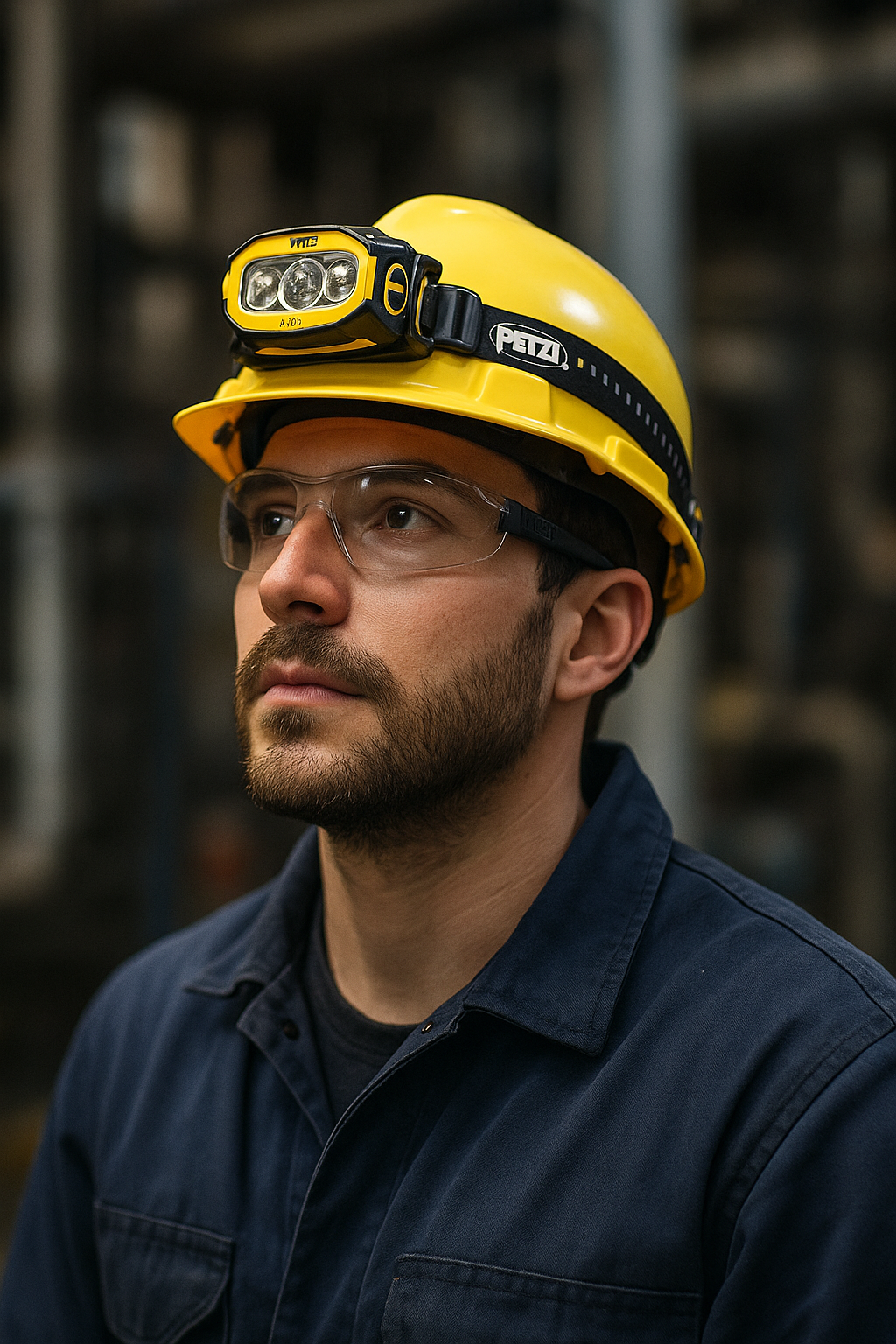
Working in hazardous or low-visibility environments demands lighting tools that are safe, reliable, and completely hands-free. An ATEX certified headlamp provides exactly that—certified-safe, wearable illumination designed for environments where flammable gases, vapors, or dusts may be present. These headlamps ensure operators can work safely while keeping their hands available for tools, machinery, or climbing.
Ready to shop instead of comparing specs? Browse our full catalog of certified, in-stock intrinsically safe headlamps — by zone rating, light output, and battery type.
Whether you work in oil & gas, chemical plants, confined spaces, tunnels, or emergency response, choosing the right ATEX certified headlamp is critical for both safety compliance and operational performance. This guide explores the benefits of intrinsically safe headlamps, outlines ATEX certification requirements, reviews top products from Intrinsically Safe Store, and provides a clear selection framework for different industries.
Looking for ATEX certified headlamps for hazardous areas?
Browse intrinsically safe headlamps designed for oil & gas, chemical plants, confined spaces, and emergency response.
What Is an ATEX Certified Headlamp?
An ATEX certified headlamp is a wearable lighting device that has been tested and approved for use in explosive atmospheres. “ATEX”—derived from the French Atmosphères Explosibles—defines safety standards that ensure electrical equipment cannot cause ignition in hazardous zones.
ATEX Zones Explained
-
Zone 0 – Continuous or long-term presence of explosive atmosphere
-
Zone 1 – Likely presence during normal operation
-
Zone 2 – Unlikely but possible presence during abnormal conditions
A compliant ATEX certified headlamp is engineered so the heat, sparks, or electrical energy produced by the lamp are incapable of igniting the surrounding atmosphere.
How Do ATEX Certified Headlamps Work?
ATEX headlamps are engineered with energy-limiting circuits, reinforced housings, and temperature-controlled LEDs to prevent ignition.
Key Safety Mechanisms
-
Intrinsic Safety (Ex ia / Ex ib): Energy is limited so sparks or heat cannot ignite gases.
-
Thermal Regulation: Prevents surface temperatures from exceeding ignition points.
-
Reinforced Housing: Protects internal electronics and battery compartments.
-
Sealed Enclosures: Prevents gas or dust ingress.
These mechanisms ensure the lamp remains safe even in fault conditions, such as battery failure or physical damage.
Why Use an ATEX Certified Headlamp?
An ATEX certified headlamp is essential for workers in dangerous, low-visibility environments because it combines safety compliance with hands-free illumination.
Benefits of ATEX Headlamps
-
Hands-free operation: Ideal for climbing, repairing, inspecting, or working in confined spaces.
-
Safety compliance: Meets ATEX, IECEx, UL, or other global certification requirements.
-
Durability: Rugged housings withstand harsh industrial conditions.
-
Improved visibility: Adjustable beam patterns and intensity help workers navigate dark, tight spaces.
-
Enhanced productivity: Frees both hands for operational tasks.
Safety Standards for ATEX Certified Headlamps
Understanding safety codes is crucial when selecting compliant lighting equipment.
ATEX Marking Breakdown
Example:
II 1G Ex ia IIC T4 Ga
-
II – Non-mining equipment
-
1G – Zone 0 gas environment
-
Ex – Certified for Explosive Atmospheres
-
ia – Intrinsic safety level
-
IIC – Gas group (hydrogen, acetylene—most hazardous)
-
T4 – Temperature class (≤135°C)
-
Ga – Very high protection
Relevant Safety Standards
-
ATEX Directive 2014/34/EU
-
IECEx Certification Scheme
-
EN 60079-0 / 60079-11 Intrinsic Safety Standards
-
Ingress Protection (IP) Ratings, such as IP67 or IP68
These standards are designed to ensure the headlamp has a very low probability of becoming an ignition source, even if faults occur.
Not sure which certification your headlamp needs?
Understand the differences between ATEX and IECEx and how they impact equipment selection.
Best ATEX Certified Headlamps from Intrinsically Safe Store
Comparison Table
| Product | Certifications | Light Output | Battery Type | Key Features |
|---|---|---|---|---|
| NightStick XPP-5462RX | ATEX/IECEx: Zone 0 | NEC/CEC: Class I, Div 1 | 240 lumens (dual-light) | Battery-powered | Focused spotlight + wide floodlight, dual switch |
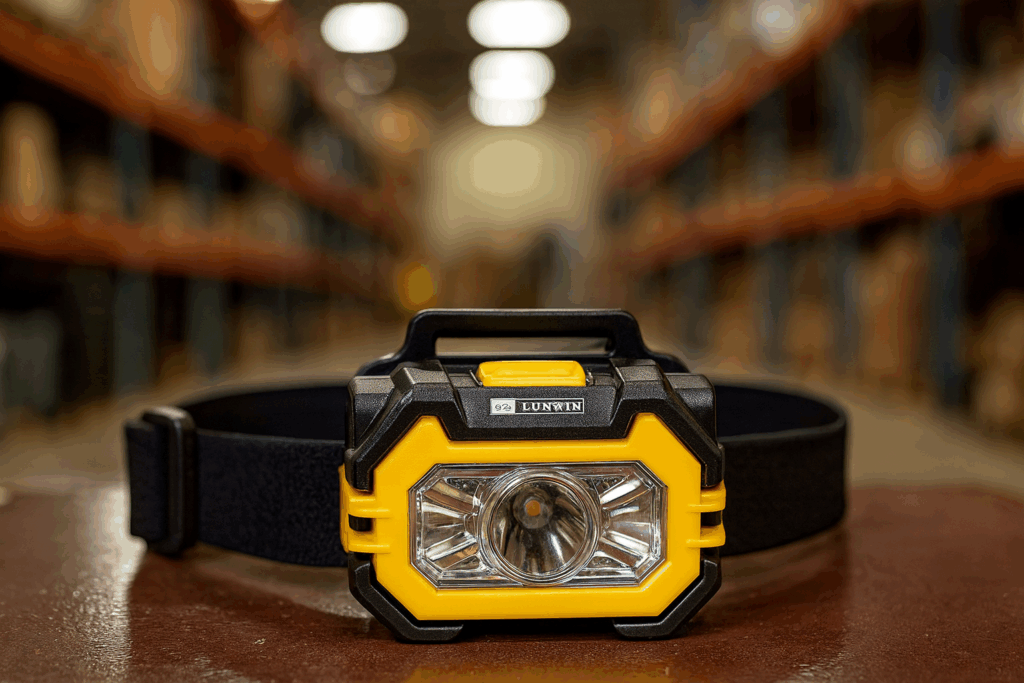
| Dorcy 216 Lumens | ATEX Zone 0 | 216 lumens | 3× AAA | High/low beam, water-resistant, high-visibility yellow tint |
| NightStick XPP-5456G | ATEX/IECEx: Zone 0 | NEC/CEC: Class I, Div 1 | Dual-beam | Battery-powered | Rear-mounted battery, hard-hat strap, tilting head |
| Nitecore EH1S | ATEX I M1, Zone 0/1 | 260 lumens | 18650 Li-ion (rechargeable) | 205m range, 60-hour runtime, 3 brightness levels |
| Goaltek ExMP61R | ATEX/IECEx Zone 1 & 21 | — | Rechargeable | IP66, built for oil & gas, chemical, and mining operations |
Model Examples for Common Use Cases
| Use Case Example | Potential Model | Notable Features |
|---|---|---|
| Applications requiring a Zone 0 rating and long runtime | Nitecore EH1S | This model is rated for Zone 0 and offers up to a 60-hour runtime. |
| Operations in oil & gas or chemical processing | Goaltek ExMP61R | This model is designed for these industries and includes IP66 protection. |
| Applications where a lightweight headlamp and hard-hat compatibility are key | NightStick XPP-5456G | Offers a Zone 0 rating in a lightweight design with a hard-hat strap. |
| Detailed, close-range tasks | Dorcy 216 Lumens | Compact design with high and low beam settings suitable for detail work. |
| Tasks requiring both wide-area and focused lighting | NightStick XPP-5462RX | Features a dual-light system with both a spotlight and a floodlight. |
What Features Should You Look for in an ATEX Certified Headlamp?
Choosing the right ATEX certified headlamp depends on your environment, lighting needs, and operating conditions.
Key Factors to Consider
Hazardous Zone Rating
The equipment’s zone rating must match or exceed the requirements of the classified area. Ratings are based on the likelihood of an explosive atmosphere being present: Zone 0 (continuous presence), Zone 1 (likely in normal operation), and Zone 2 (unlikely in normal operation).
Beam Type
-
Flood Beam – Close-range tasks
-
Spot Beam – Long-distance inspection
-
Mixed Beam – Best of both worlds
Battery Type
-
AA / AAA – Field-replaceable
-
Rechargeable Li-ion – Long runtime, lower operating cost
Ingress Protection
Look for IP67 or IP68 for water/dust resistance.
Comfort & Mounting
Check for:
-
Adjustable elastic bands
-
Helmet-mount compatibility
-
Tilt mechanism
Need other intrinsically safe lighting solutions?
Explore certified portable lighting options for hazardous environments.
How to Use ATEX Headlamps Safely in Confined Spaces
Confined spaces pose risks including low light, toxic gases, and restricted movement. An ATEX certified headlamp mitigates lighting-related ignition hazards.
Safety Tips
-
Always verify ATEX marking before entering a hazardous zone.
-
Avoid opening battery compartments while inside the zone.
-
Inspect seals and lens covers for wear or cracks.
-
Keep spare approved batteries outside the hazardous area.
-
Test light modes before entry.
Common Use Cases for ATEX Certified Headlamps
Oil and Gas Operations
ATEX headlamps are essential during:
-
Rig inspections
-
Pipeline maintenance
-
Tank entry
-
Night shift operations
Chemical Processing Plants
Used for:
-
Vessel inspection
-
Pump maintenance
-
Emergency response
Mining and Tunneling
Benefits include:
-
Long battery runtime
-
Dust-resistant housing
-
Bright beam for long corridors
Emergency & Rescue Services
Responders use ATEX-certified headlamps in:
-
Gas leak response
-
Search and rescue
-
Fireground operations with flammable hazards
Confined Spaces (Tunnels, Tanks & Silos)
Per OSHA’s standard for permit-required confined spaces (29 CFR 1910.146), these environments can pose atmospheric and physical hazards, where poor visibility is a common contributing factor to accidents. ATEX-certified headlamps are used for:
-
Tank and vessel entry
-
Tunnel inspection and maintenance
-
Silo entry in dust-prone environments
How Long Do ATEX Certified Headlamps Last?
Performance varies by model, but most industrial ATEX headlamps have:
Typical Lifespan and Runtime Benchmarks
-
LED Lifespan: 50,000+ hours
-
Battery Runtime: 8–40 hours depending on mode
-
Housing Durability: 5–10 years in industrial environments
-
Impact Resistance: Often 1–2 meters drop-rated
Regular inspection, proper battery use, and replacing worn elastics/straps will extend service life.
Maintenance and Care for ATEX Headlamps
To ensure long-term safety and reliability, ATEX certified headlamps require regular inspection and proper maintenance. Following manufacturer guidelines is critical to preserving their certification and functionality.
Best Practices for Maintenance
- Visual Inspection: Before each use, inspect the headlamp’s housing, lens, and seals for any signs of cracks, damage, or wear. A compromised enclosure can nullify its explosion-proof rating.
- Battery Management: Only use batteries specified by the manufacturer. Never swap batteries within a hazardous area. For rechargeable models, only use the approved charging dock in a safe, non-hazardous location.
- Cleaning: Clean the headlamp with a damp cloth. Avoid using solvents or abrasive cleaners that could damage the housing material or lens coating. Anti-static cleaning agents are recommended to prevent static discharge.
- Strap and Mount Care: Check the elasticity and integrity of the headband and helmet mounts. Replace them if they become worn or damaged to ensure the headlamp remains securely in place during operation.
How to Choose the Right ATEX Certified Headlamp for Your Environment
To select the right model, match your needs to the headlamp’s certification, beam style, output, and runtime.
Step-by-Step Selection Guide
-
Identify your hazardous zone (0, 1, or 2).
-
Choose beam type based on your tasks.
-
Determine required light output for visibility.
-
Select battery type based on whether field-replaceability matters.
-
Check comfort if used for long shifts.
-
Verify certifications match your compliance requirements.
Frequently Asked Questions (FAQ)
What makes a headlamp ATEX certified?
ATEX certified headlamps pass strict testing under the ATEX Directive, ensuring they cannot ignite explosive gases or dust.
Can I use a non-ATEX headlamp in a hazardous zone?
No. Using non-certified equipment violates safety laws and can trigger explosions.
Are rechargeable ATEX headlamps safe?
Yes—provided they are ATEX approved and charged outside hazardous areas.
Which ATEX zone rating do I need?
If you work in environments with continuous or frequent exposure to explosive gases, choose Zone 0 certified headlamps. For occasional exposure, Zone 1 or Zone 2 models may be sufficient.
Are ATEX headlamps waterproof?
Most are water-resistant, usually rated at IP67 or IP68, protecting them from dust and temporary submersion.
Get an Expert Recommendation for Your Zone
Speak directly with our hazardous area specialists to get product recommendations, certifications guidance, and a fast quote for your project.
Get expert guidance for oil & gas sites, chemical plants, confined spaces, and hazardous industrial environments.
Conclusion
Choosing the right ATEX certified headlamp is essential for workers in explosive or low-visibility environments. These lights provide reliable, hands-free illumination while meeting the strictest safety standards. By selecting models rated for the correct hazardous zone and designed for your specific tasks, you can significantly improve worker safety, productivity, and operational efficiency.
Explore the full selection of ATEX certified headlamps at the Intrinsically Safe Store, where every product meets the highest safety and performance standards for hazardous areas.