Intrinsically Safe Products
ATEX Sounder Beacons: Pricing, Alarm Levels & Installation Guide
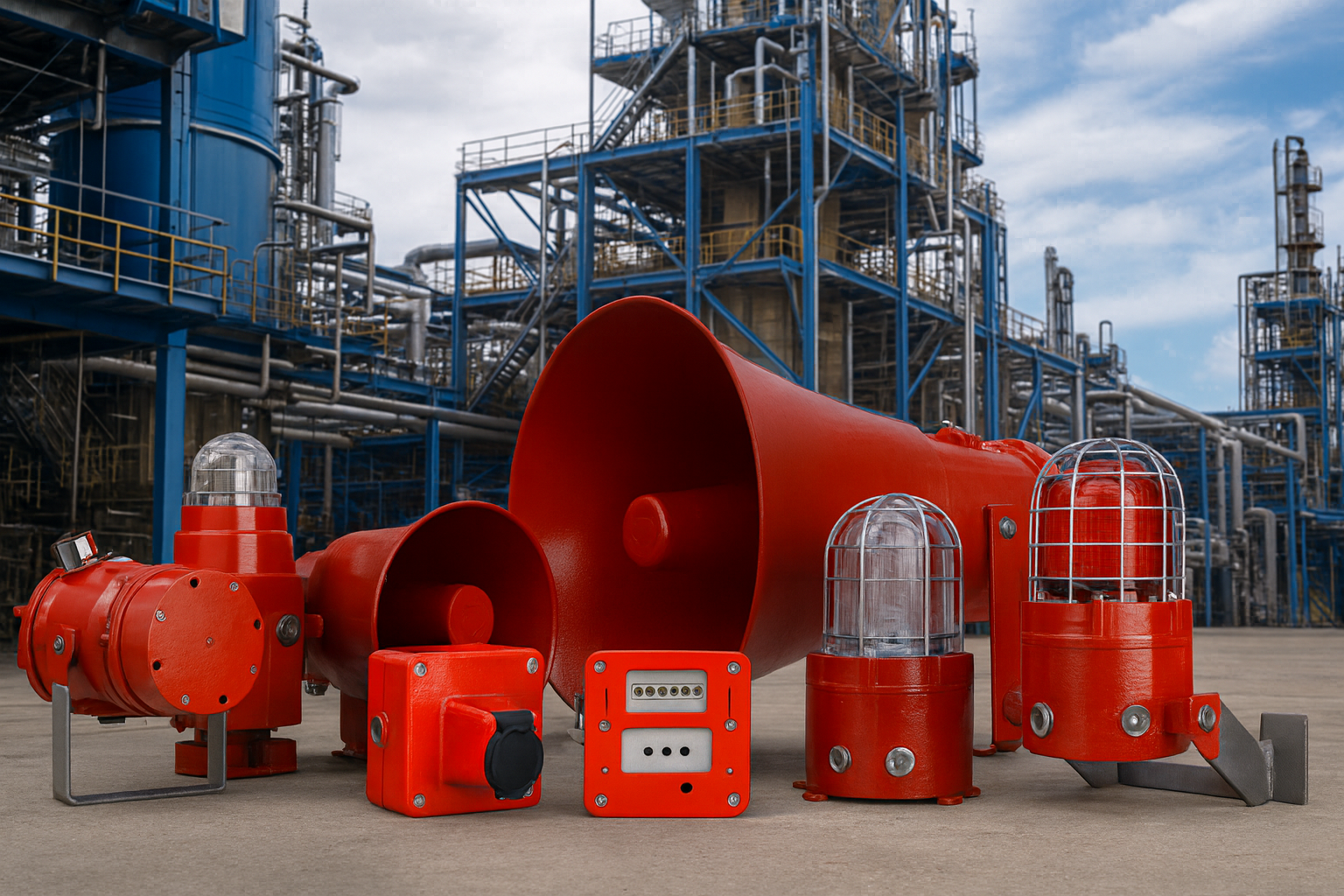
When protecting people, equipment, and critical operations in hazardous areas, nothing is more essential than reliable audible and visual alarms. In Zone 1/2 environments—where flammable gases, vapors, or mists may be present—ATEX-certified sounder beacons provide high-intensity warnings without introducing ignition risk. Understanding ATEX sounder beacon price, alarm output levels, and installation requirements can help facilities maintain compliance and achieve safer operations.
In this in-depth guide, we explain how ATEX sounder beacons work, break down pricing benchmarks, compare top Zone 1/2 models, outline installation best practices, and help you select the ideal alarm system for your facility.
Want to go deeper into ATEX and hazardous locations before choosing an alarm?
Learn About ATEX Certification
Understand ATEX Zone 1 & Zone 2
What Is an ATEX Sounder Beacon?
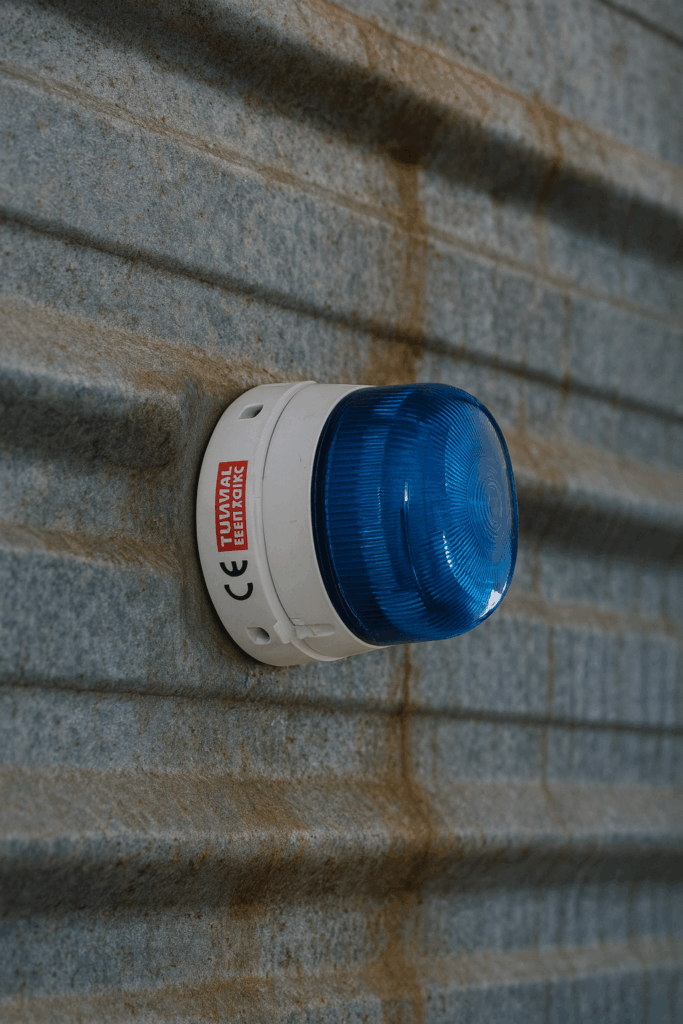
An ATEX sounder beacon is an audible and visual alarm device certified for use in explosive atmospheres. These devices combine a high-decibel sounder with a flashing or steady beacon light, providing unmistakable alerts during gas leaks, system failures, or emergency shutdowns.
Because standard alarms can ignite flammable atmospheres, ATEX sounder beacons feature flameproof housings, sealed electronics, anti-static materials, and protection concepts such as Ex d and Ex e. They are commonly installed in oil and gas facilities, chemical plants, refineries, paint and coating manufacturing, and confined-space applications.
Why Are Sounder Beacons Required in Zone 1/2 Hazardous Areas?
Sounder beacons provide multi-sensory signaling—critical in industrial environments where noise levels and visibility challenges make single-mode alarms insufficient. In Zone 1/2 areas, workers must respond instantly to hazards such as gas releases, equipment surges, or emergency shutdowns.
Because gas and vapor concentrations may exceed lower explosive limits (LEL), alarms must be both ignition-proof and high output. ATEX sounder beacons bridge that safety gap, delivering reliable alerts without risking sparks, overheating, or electrical faults.
How Much Does an ATEX Sounder Beacon Cost?
The ATEX sounder beacon price typically ranges from $450 to $1,500, depending on certification level, output, materials, and additional features. Devices designed for Zone 1 generally cost more due to higher protection ratings and more robust construction.
Below is a breakdown of price categories:
ATEX Sounder Beacon Price Ranges
-
Budget Range ($450–$650):
Zone 2 alarms, lower output (typically 100–105 dB), basic LED beacons. -
Mid-Range ($650–$900):
Zone 1/2, 110 dB+ output, multi-tone, heavy-duty housings, high-intensity LEDs. -
Premium ($900–$1,500+):
Best-in-class output, IP67 housings, multiple flash patterns, advanced electronics, dual-certified global approvals.
Prices vary depending on whether you choose sounder-only, beacon-only, or combined units.
Ready to compare real ATEX sounder beacon prices for your facility?
Browse ATEX Sounder Beacons
Shop Certified Hazardous Area Gear
What Factors Affect the Price of ATEX Sounder Beacons?
ATEX sounder beacon price depends on certification type, sound output level, housing materials, and environmental ratings. Understanding these factors helps you choose the right device without overspending.
Key Cost Drivers
1. Certification Level (Zone 1 vs. Zone 2)
-
Zone 1 devices require flameproof Ex d housings → higher cost.
-
Zone 2 devices can use lighter Ex n protection → lower cost.
2. Alarm Output Level
-
Higher dB output (110–120 dB) increases cost due to more robust drivers.
3. Material Construction
-
Marine-grade copper-free aluminum → premium pricing.
-
UV-stabilized polycarbonate → more affordable.
4. Beacon Technology
-
Xenon strobes → high intensity but higher cost.
-
LED beacons → energy-efficient and cost-effective.
5. Integrated Features
-
Multi-tone options
-
Synchronization
-
Strobe patterns
-
Global certifications (IECEx, UL, ATEX)
Devices with combined sounder + beacon functionality typically offer better value than two separate units.
Top ATEX Sounder Beacons for Zone 1/2 (Product Comparison)
Below are popular sounder beacons available from Intrinsically Safe Store, all compliant with ATEX requirements.
ATEX Sounder Beacon Comparison Table
| Product | Certifications | Output / Light | Approx. Price | Best For | Product Type |
|---|---|---|---|---|---|
| E2S A105N ATEX Sounder | ATEX Zone 1/2 | 105 dB | Mid-range | General alarms, machinery faults | Audible |
| E2S BExS110 Explosion-Proof Beacon | ATEX Zone 1/2 | High-output LED | Mid-range | Visual alerts in noisy areas | Visual |
| E2S BExS110 Sounder/Beacon Combo | ATEX Zone 1/2 | 110 dB + LED beacon | Upper mid-range | Combined audible/visual alerts | Combo alarm |
(Prices vary by configuration and quantity—contact Intrinsically Safe Store for exact quotations.)
Build a complete alarm and notification system for your hazardous area.
Explore Fixed Explosion-Proof Lighting
View Explosion-Proof Enclosures
Add Intrinsically Safe Gas Detectors
What Alarm Levels Do ATEX Sounder Beacons Provide?
Most Zone 1/2 ATEX sounder beacons offer alarm outputs ranging from 100 dB to 120 dB at 1 meter. The required level depends on background noise, distance, and environmental absorption.
Typical Alarm Output Levels
-
100–105 dB: Suitable for indoor or semi-quiet hazardous areas
-
110–115 dB: Ideal for refineries, compressor stations, process units
-
120 dB+: High-noise offshore platforms, drilling rigs, power generation
Beacons supplement sounders by providing visual confirmation in environments where noise alone is insufficient.
How to Install an ATEX Sounder Beacon in Zone 1/2 Areas?
Installing an ATEX sounder beacon requires compliance with manufacturer instructions, ATEX installation guidelines, and hazardous-area wiring practices.
Below is a simplified installation process, but always refer to local regulations and certified installers.
Step-by-Step ATEX Installation Guide
1. Verify Certification Markings
Check the label for markings such as:
II 2G Ex d IIC T6 Gb
This confirms suitability for Zone 1 gas environments.
2. Choose the Correct Mounting Location
-
Clear line of sight
-
Minimal obstructions
-
Safe cable routing
-
Height optimized for sound dispersion
3. Use Certified Conduit, Fittings, and Glands
All accessories must be ATEX-approved to maintain integrity.
4. Connect According to Ex d/Ex e Wiring Standards
-
Flameproof glands for Ex d
-
Increased safety terminals for Ex e
5. Test Sound Output & Strobe Intensity
Perform function tests via:
-
Manual activation
-
Panel-triggered activation
-
Emergency shutdown system (ESD) simulations
6. Document and Certify the Installation
Record all details for compliance inspections.
What Are the Maintenance Requirements for ATEX Sounder Beacons?
Routine maintenance ensures long-term reliability in hazardous environments. Sounder beacons require periodic inspections to verify performance and maintain certification integrity.
Maintenance Checklist
-
Visual inspection for corrosion or cracks
-
Verify sounder output using a calibrated device
-
Confirm beacon brightness and flash patterns
-
Check cable seals, glands, and earthing
-
Clean lens and grills to prevent signal obstruction
-
Replace components only with ATEX-approved parts
A well-maintained beacon can last 8–15 years in harsh industrial environments.
Industry Benchmarks: Alarm System Adoption in Hazardous Areas
Across energy, petrochemical, and manufacturing sectors, sounder beacons continue to be standard safety equipment:
-
82% of facilities use combined audible/visual alarms in Zone 1
-
68% integrate alarms with fire & gas detection systems
-
54% report reduced incident response times after upgrading to LED beacons
-
40% of new facilities choose integrated sounder/beacon units over separate devices
Industry Metrics Summary
| Metric | Value |
|---|---|
| Facilities with combined A/V alarms | 82% |
| Alarms tied to gas detection systems | 68% |
| Reduction in response time | 54% |
| New installs using combo sounder/beacons | 40% |
Which ATEX Sounder Beacon Is Best for Your Facility?
Choosing the right device depends on zone classification, environmental conditions, noise levels, and integration requirements.
Selection Factors
-
Zone rating (1 or 2)
-
Required dB output
-
Beacon intensity and color
-
Tone selection and synchronization
-
Material compatibility (aluminum vs. polycarbonate)
-
Integration with local control panels or PLCs
-
Environmental protection (IP66/IP67)
Best Choice by Use Case
-
High-noise areas: E2S BExS110 Combo
-
Low/medium noise environments: E2S A105N Sounder
-
Highly visible alert requirements: BExS110 Beacon
Not sure which ATEX sounder beacon is right for your Zone 1/2 area?
Talk to our hazardous-area specialists for tailored recommendations, quotes, and lead times.
Frequently Asked Questions
1. What is the typical ATEX sounder beacon price?
Most ATEX sounder beacons range from $450 to $1,500, depending on output, certification, and materials.
2. Are Zone 1 alarms more expensive than Zone 2?
Yes. Zone 1 alarms require flameproof housings, increasing cost.
3. How loud are ATEX-certified alarms?
Alarm levels typically range from 100–120 dB at 1 meter.
4. Can I use a non-ATEX beacon in a hazardous area?
No—non-certified devices may ignite flammable gases.
5. How long do ATEX beacons last?
With proper maintenance, most last 8–15 years, especially LED models.
Conclusion: Understanding ATEX Sounder Beacon Price and Performance
Knowing the true atex sounder beacon price and understanding how alarm levels, certifications, and installation requirements impact your selection can help you make a confident, compliant purchase. In high-risk Zone 1/2 environments, ATEX sounder beacons provide essential audible and visual warning capability that protects workers and ensures operational safety. Whether you need a compact Zone 2 alarm or a premium flameproof sounder beacon for heavy industry, choosing the right ATEX device is a crucial step toward safer, more reliable hazardous-area operations.