Intrinsically Safe Knowledge Base
ATEX Certification Explained | 2026 Guide | ISS
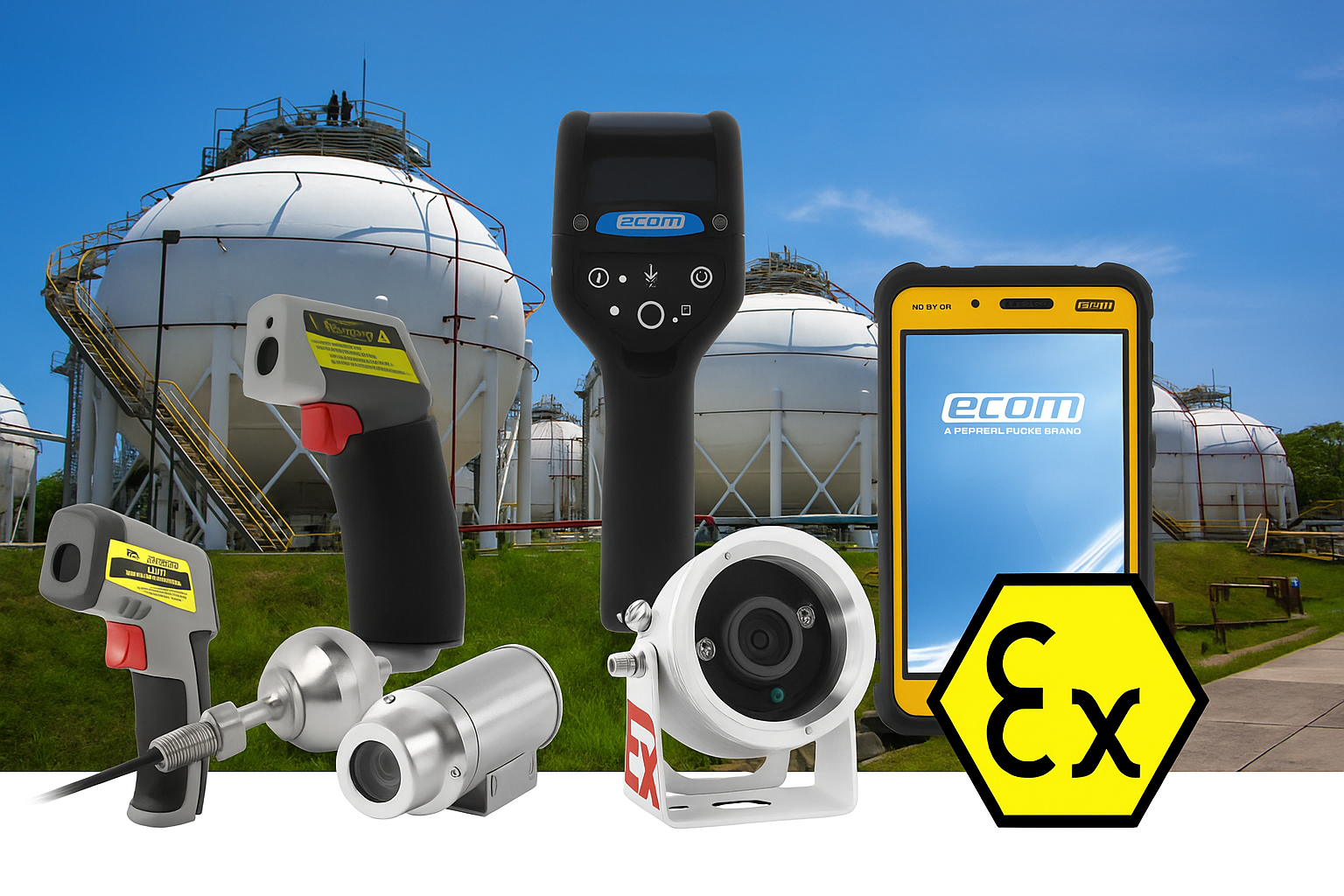
Safety is not optional in hazardous work environments—it’s a regulated necessity. In industries such as oil and gas, chemical processing, mining, and pharmaceuticals, the presence of flammable gases, vapors, or combustible dust makes every piece of equipment a potential ignition source. This is where ATEX certification plays a critical role.
This beginner-friendly ATEX certification guide explains what the certification means, who needs it, and how it applies to intrinsically safe equipment. Whether you’re a safety manager, compliance officer, or procurement specialist, understanding ATEX requirements is essential to operating legally and safely in explosive atmospheres.
Need to Procure ATEX-Compliant Equipment? Explore Our Certified Product Range
What Is ATEX Compliance? (2026 Update)
ATEX stands for ATmosphères EXplosibles, derived from the French name of the EU directive that governs the use of equipment in explosive environments. ATEX compliance refers to the legal obligation for companies operating within the European Union to manage explosion risks and ensure that equipment used in hazardous areas meets specific safety standards.
There are two key directives that form the foundation of ATEX compliance, which remain the current standards for 2026 and beyond:
-
Directive 2014/34/EU (ATEX 114): Concerns manufacturers and sets essential safety requirements for equipment and protective systems intended for use in potentially explosive atmospheres.
-
Directive 1999/92/EC (ATEX 153): Concerns employers and lays down minimum requirements for improving the safety and health protection of workers potentially at risk from explosive atmospheres.
Together, these directives ensure that both the tools and work environments are safe for operation. ATEX-certified equipment is specially designed and tested to prevent ignition sources, such as electrical sparks, excessive surface temperatures, and friction-generated heat. This certification is mandatory for any equipment used in explosive atmospheres in the European Union. Compliance is an ongoing responsibility that includes risk assessment, proper equipment selection, maintenance, and personnel training.
Why Is ATEX Certification Required?
In explosive atmospheres, even a minor spark or hot surface can trigger catastrophic incidents. ATEX certification confirms that a piece of equipment has been tested and verified not to ignite such atmospheres during normal use or foreseeable malfunctions.
Here’s why ATEX certification is necessary:
-
Legal Compliance: Equipment must meet ATEX standards to be legally operated in the EU within hazardous environments.
-
Workplace Safety: Reduces the risk of fires and explosions, safeguarding personnel, infrastructure, and the environment.
-
Market Access: Ensures products can be sold and used within all EU member states.
-
Reduced Liability: Demonstrates due diligence in selecting compliant, safe technology.
Without ATEX-certified equipment, organizations risk severe penalties, shutdowns, and potentially lethal accidents.
Who Needs to Comply with ATEX?
ATEX compliance is not limited to manufacturers. It is a shared responsibility across various roles and entities operating within or selling to the European Union. Key groups who must ensure compliance include:
- Facility Operators and Employers: Any company with work areas classified as potentially explosive atmospheres (e.g., oil rigs, chemical plants, sawmills) must comply with ATEX 153. This includes conducting risk assessments and exclusively using correctly certified equipment.
- Safety and Compliance Managers: Professionals responsible for workplace safety must understand ATEX zones, equipment categories, and maintenance requirements to enforce safe practices.
- Procurement Specialists: Individuals sourcing and purchasing intrinsically safe equipment must verify that products have the correct ATEX certification for the intended application zone.
- Engineers and Maintenance Teams: Personnel who install, inspect, and repair equipment must follow strict procedures to maintain its ATEX-certified integrity.
- Equipment Manufacturers: Any company producing equipment intended for use in hazardous areas within the EU must design, test, and certify their products according to ATEX 114.
What Is Intrinsically Safe Equipment?
Intrinsically safe (IS) equipment is specifically engineered to limit electrical and thermal energy to levels that cannot ignite a hazardous atmosphere, even under fault conditions.
Unlike explosion-proof equipment that contains a potential explosion within a protective enclosure, intrinsically safe devices are designed to prevent ignition from occurring by limiting electrical and thermal energy to levels below what is required to ignite a hazardous atmosphere.
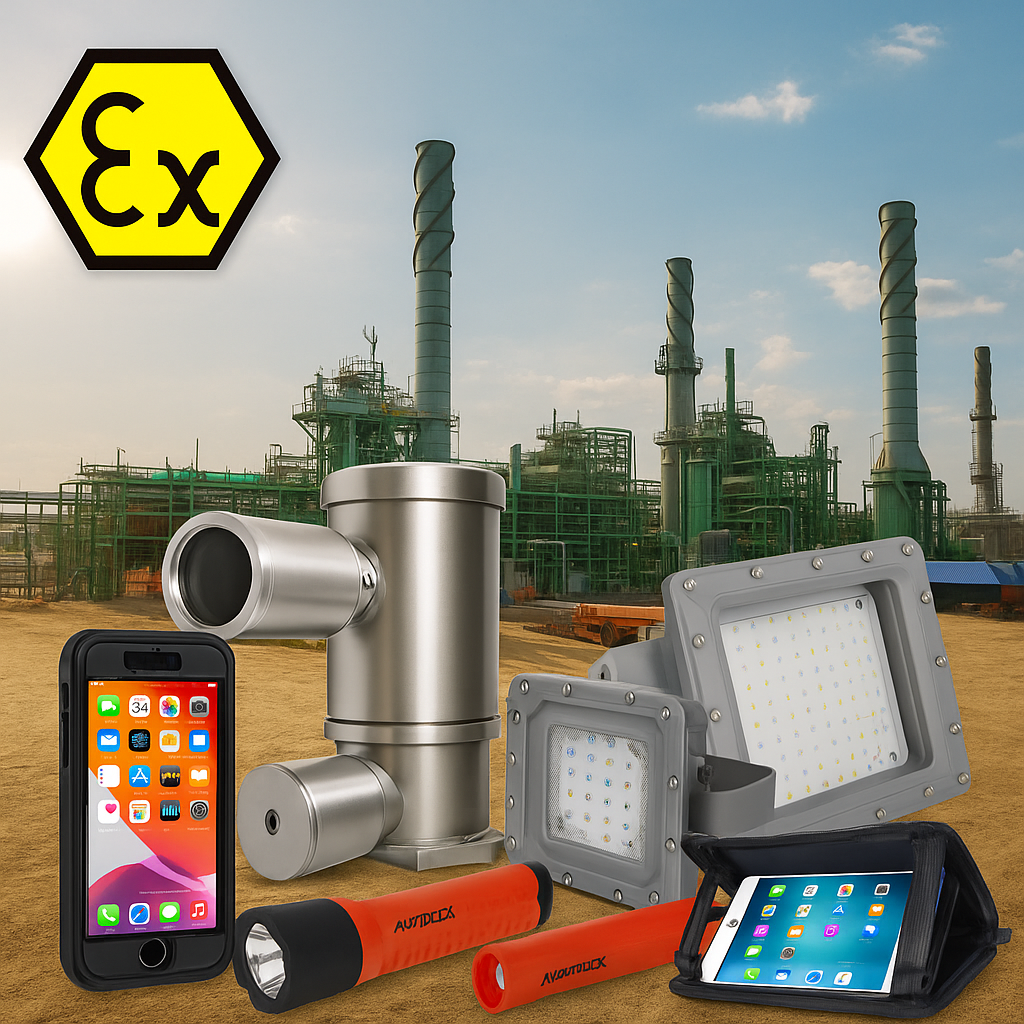
Common types of IS equipment include:
When used in combination with ATEX certification, intrinsically safe equipment allows safe operation in the most volatile zones, such as oil rigs, refineries, chemical plants, and mining operations.
What Are ATEX Equipment Groups and Categories?
To understand what ATEX certification covers, it’s important to know how equipment is grouped and categorized under the directive:
Equipment Groups
-
Group I: Intended for underground mining applications where methane and coal dust are common.
-
Group II: Intended for all other explosive atmospheres (non-mining), such as oil and gas facilities, chemical plants, or food processing sites.
Equipment Categories (based on risk)
-
Category 1: Provides a ‘very high’ level of protection and is suitable for use in areas where an explosive atmosphere is continuously present or for long periods (Zone 0 for gas, Zone 20 for dust).
-
Category 2: Provides a ‘high’ level of protection and is suitable for use in areas where an explosive atmosphere is likely to occur in normal operation (Zone 1 for gas, Zone 21 for dust).
-
Category 3: Normal protection. Suitable for environments where explosive atmospheres are unlikely but possible.
These categories directly correspond to the hazardous area ‘Zones’ where the equipment can be used. Category 1 equipment is designed for Zone 0/20 areas, Category 2 for Zone 1/21, and Category 3 for Zone 2/22.
Understanding the group and category of your equipment helps determine its compatibility with specific hazardous zones.
Unsure About Your Zone Classification? Talk to a Hazardous-Area Specialist for a Consultation
How Are ATEX Zones Classified?
Work areas are divided into zones that reflect how often and for how long an explosive atmosphere is present. These zones apply separately to gases and dusts.
Gas Zones:
-
Zone 0: Continuous presence of explosive gas atmosphere.
-
Zone 1: Likely occurrence of explosive atmosphere under normal operation.
-
Zone 2: Rare and short-term occurrence of explosive gases.
Dust Zones:
-
Zone 20: Continuous or long-term presence of combustible dust.
-
Zone 21: Likely presence during normal operation.
-
Zone 22: Unlikely, short-term dust exposure.
Each piece of equipment must be rated for the zone in which it will be used.
Decoding the ATEX Marking
ATEX-certified equipment comes with a standardized label that communicates essential safety information. Here’s how to interpret a typical ATEX marking:
Example:Ex II 2G Ex db IIB T4 Gb
Explanation:
-
Ex: Explosion-protected equipment
-
II: Equipment Group II (non-mining)
-
2G: Category 2, Gas environment
-
db: Type of explosion protection (“d” = flameproof enclosure, “b” = protection level)
-
IIB: Gas group (e.g., propane)
-
T4: Temperature class (max 135°C)
-
Gb: Equipment Protection Level (EPL) for gases
Each part of the marking helps safety engineers match equipment with specific hazardous zones and operational conditions.
Step-by-Step Compliance Checklist for Employers
For site managers and employers, achieving ATEX compliance under Directive 1999/92/EC is a systematic process. Here is a practical checklist to guide your efforts:
- 1. Conduct a Thorough Risk Assessment: Identify all potential sources of explosive atmospheres on your site, considering gases, vapors, and combustible dusts.
- 2. Classify Hazardous Areas into Zones: Based on the risk assessment, map out your facility and classify all relevant areas as Zone 0, 1, 2 (for gas) or Zone 20, 21, 22 (for dust).
- 3. Prepare an Explosion Protection Document (EPD): This mandatory document must detail your risk assessment findings, zone classifications, and all technical and organizational measures taken to ensure safety. It is a living document that must be kept up-to-date.
- 4. Select and Procure Correctly Certified Equipment: Choose equipment with ATEX markings that match or exceed the safety requirements for the zone where it will be used. For example, Category 1 or 2 equipment is required for Zone 1. Browse certified equipment options here.
- 5. Ensure Proper Installation and Maintenance: Follow manufacturer guidelines and ATEX standards for installing, inspecting, and maintaining all certified equipment to preserve its safety features.
- 6. Train Your Personnel: All employees working in or near hazardous areas must be trained on the risks, safety procedures, and the correct use of ATEX-certified equipment.
Steps to Achieve ATEX Certification
For manufacturers or those sourcing equipment, understanding the certification process can streamline procurement and ensure compliance.
1. Risk Assessment
Conduct a hazard and risk assessment to determine the level of explosion risk in each work area.
2. Product Design
Design equipment to eliminate or contain ignition sources, and ensure safe surface temperatures.
3. Testing and Verification
Products undergo rigorous testing by a Notified Body (an independent third party designated by the EU).
4. Documentation
Technical files, including drawings, safety calculations, and risk assessments, must be compiled and submitted.
5. Declaration and CE Marking
Once certified, the product receives CE and Ex markings. A Declaration of Conformity is issued.
Common Beginner Mistakes in ATEX Compliance
Navigating ATEX requirements for the first time can be challenging. Avoiding these common mistakes is crucial for ensuring safety and compliance:
- Using Equipment in the Wrong Zone: A frequent error is using a device certified for a lower-risk zone in a higher-risk area (e.g., using Category 3 equipment in a Zone 1 environment). Always match the equipment category to the zone classification.
- Misinterpreting ATEX Markings: The string of codes on an ATEX label is complex. Failing to understand each part—especially the gas/dust group and temperature class—can lead to selecting inappropriate equipment like an incorrect gas detector for the present substances.
- Neglecting Maintenance and Inspections: ATEX certification is only valid if the equipment is properly maintained. Unauthorized modifications, damage to enclosures, or failed seals can void the certification and introduce an ignition risk.
- Forgetting Non-Electrical Ignition Sources: ATEX covers all potential ignition sources, not just electrical sparks. This includes hot surfaces, mechanical friction, static electricity, and optical radiation.
- Failing to Maintain the Explosion Protection Document (EPD): The EPD is not a one-time document. It must be updated whenever there are changes to the facility, processes, or equipment.
Common Industries That Require ATEX-Certified Equipment
ATEX certification is standard across a range of sectors where volatile atmospheres are a routine part of operations:
| Industry | Common Hazard | Typical ATEX Equipment |
|---|---|---|
| Oil & Gas | Methane, propane | Radios, lighting, cameras |
| Chemical Manufacturing | Solvents, vapors | Gas detectors, sensors |
| Mining | Methane, coal dust | Communication devices |
| Pharmaceuticals | Fine powders, gases | Tablets, monitors |
| Food Processing | Flour, sugar dust | Environmental sensors |
| Wastewater Treatment | Hydrogen sulfide | Intrinsically safe instruments |
Each industry benefits from using ATEX-certified and intrinsically safe technology to manage risk and meet regulatory requirements.
ATEX vs. IECEx: What’s the Difference?
Though often used interchangeably, ATEX and IECEx serve different purposes and jurisdictions.
-
ATEX: Mandatory in the European Union. Governed by EU law.
-
IECEx: International certification system. Used globally, including in Australia, South Africa, and the Middle East.
Key Differences:
-
Legality: ATEX is a legal requirement in the EU; IECEx is voluntary.
-
Process: IECEx tends to be more transparent and standardized globally.
-
Recognition: Some regions accept both; others may prefer one over the other.
While ATEX may be mandatory for operations within the EU, IECEx offers additional flexibility for global compliance and cross-border operations.
Frequently Asked Questions
Is ATEX certification mandatory in all countries?
No. ATEX is only mandatory within the European Union. However, other countries may accept ATEX or have their own systems, like IECEx or NEC for the U.S.
Can ATEX-certified equipment be used in North America?
In some cases, yes—but it depends on local regulations. North America primarily follows UL, CSA, and NEC standards.
How often should ATEX equipment be inspected?
ATEX equipment should undergo regular inspection as outlined by the manufacturer and local safety regulations. Maintenance schedules should also align with internal safety audits.
Does ATEX certification expire?
No formal expiration exists, but if equipment is modified, damaged, or its design changes, recertification may be required.
Is it safe to use non-ATEX equipment in explosive atmospheres if it’s in a protective enclosure?
No. Only equipment with certified explosion protection (either intrinsically safe or flameproof) should be used in ATEX zones.
Conclusion
Understanding ATEX certification is essential for any business that operates in hazardous environments. This certification isn’t just a label—it’s a promise that the equipment in use meets the strictest safety standards for preventing explosions and protecting lives.
From knowing the right zone to choosing the right equipment group and category, compliance with ATEX ensures legal, safe, and efficient operations. Intrinsically safe devices that are ATEX-certified offer the ideal combination of prevention, durability, and usability in high-risk settings.
If you’re sourcing equipment for any explosive atmosphere, ATEX compliance is non-negotiable.