Intrinsically Safe Products
Top Intrinsically Safe Cameras for Oil & Gas, Mining, and Industrial Inspections
Introduction to Intrinsically Safe Cameras
In industries like oil and gas, mining, and heavy manufacturing, safety isn’t just important—it’s critical. These environments often involve volatile chemicals, combustible gases, and explosive dusts. Traditional electronics, including standard cameras, can become ignition sources under certain conditions.
That’s where the intrinsically safe camera comes in. These specialized devices are designed and certified to operate safely in hazardous environments by preventing sparks, overheating, or any kind of energy discharge that could ignite explosive atmospheres.
In this guide, we’ll explain how intrinsically safe cameras work, explore key certifications to know, review the top-rated models available, and provide a comparison by industry use. Whether you’re conducting pipeline inspections or documenting refinery operations, this article will help you make the safest and smartest choice.
What Is an Intrinsically Safe Camera?
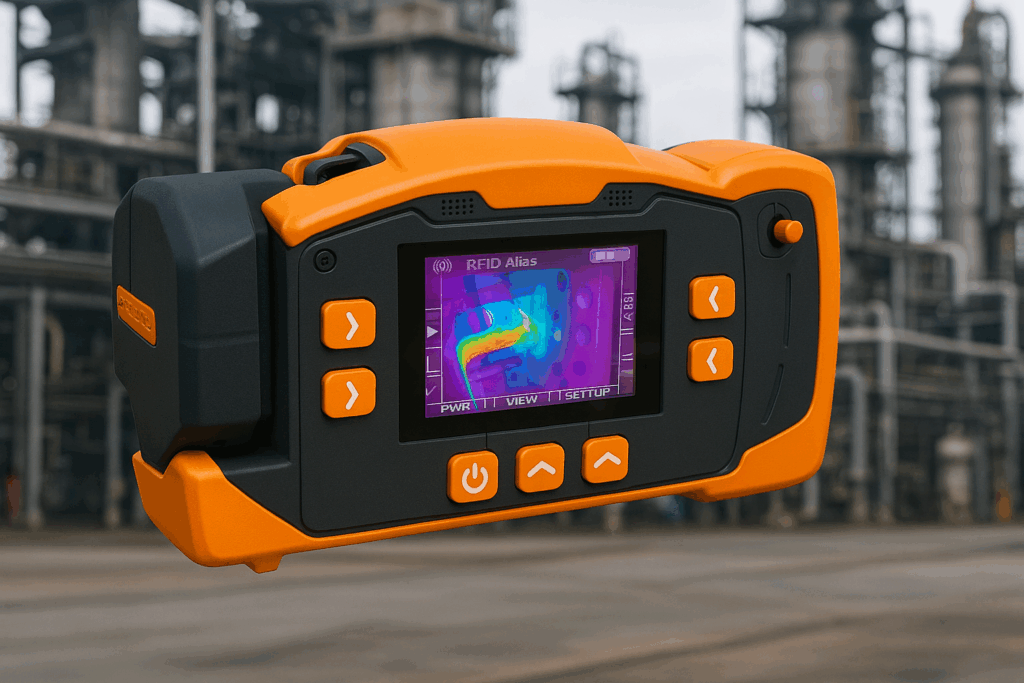
An intrinsically safe camera is a piece of imaging equipment engineered to operate in potentially explosive environments without igniting surrounding gases, vapors, or dust. The internal components are designed to minimize the risk of heat, sparks, or electrical surges.
These cameras are enclosed in specialized housings and often certified under stringent global standards such as ATEX (European Union), IECEx (international), and NEC (North America). These certifications confirm that the camera can function reliably and safely within defined hazardous zones.
The result? Workers can safely capture images and video in high-risk zones for documentation, inspection, or evidence gathering without compromising facility safety.
Key Features & Benefits of Intrinsically Safe Cameras
Hazardous areas are defined by the potential for fire or explosion due to the presence of flammable substances. In such environments, the use of uncertified electronic devices—like conventional cameras—can lead to catastrophic outcomes. Intrinsically safe cameras are built to eliminate that risk by combining robust features with essential safety benefits.
Benefits of Using Intrinsically Safe Cameras:
-
Safety Compliance: These cameras are certified to global hazardous area standards. Common certifications include ATEX (for the EU), IECEx (international), and NRTL listings (e.g., from UL or CSA) for North American compliance.
-
Explosion Prevention: Their low-energy design ensures they do not generate enough heat or sparks to ignite a flammable atmosphere.
-
Operational Efficiency: Visual documentation of machinery, equipment, and inspections becomes feasible even in the most hazardous areas.
-
Personnel Protection: Enables remote visual inspections, reducing the need to send workers into potentially dangerous areas.
-
Durability: Most models are shockproof, waterproof, and dustproof—ideal for rugged industrial conditions.
Key Features to Consider When Choosing a Camera
Beyond certifications, the technical specifications of a camera determine its suitability for your specific tasks. Look for these key features:
- Image and Video Quality: High-resolution sensors (12MP or higher) and 4K video capabilities ensure that inspections capture critical details with clarity, which is essential for identifying small cracks, corrosion, or leaks.
- Durability and Ingress Protection (IP) Rating: A ruggedized housing and a high IP rating (e.g., IP68) are crucial for protection against dust, water, and accidental drops, ensuring the device survives harsh industrial environments.
- Connectivity Options: Features like Wi-Fi, 4G/LTE, and Bluetooth allow for real-time data transfer and live video streaming from the hazardous area to a safe control room, improving collaboration and response times.
- Battery Life: Look for a long-lasting battery. Some specialized models offer hot-swappable batteries that are certified for replacement within the hazardous area, which can maximize productivity. Always verify the device’s specific certification to confirm if this action is permitted.
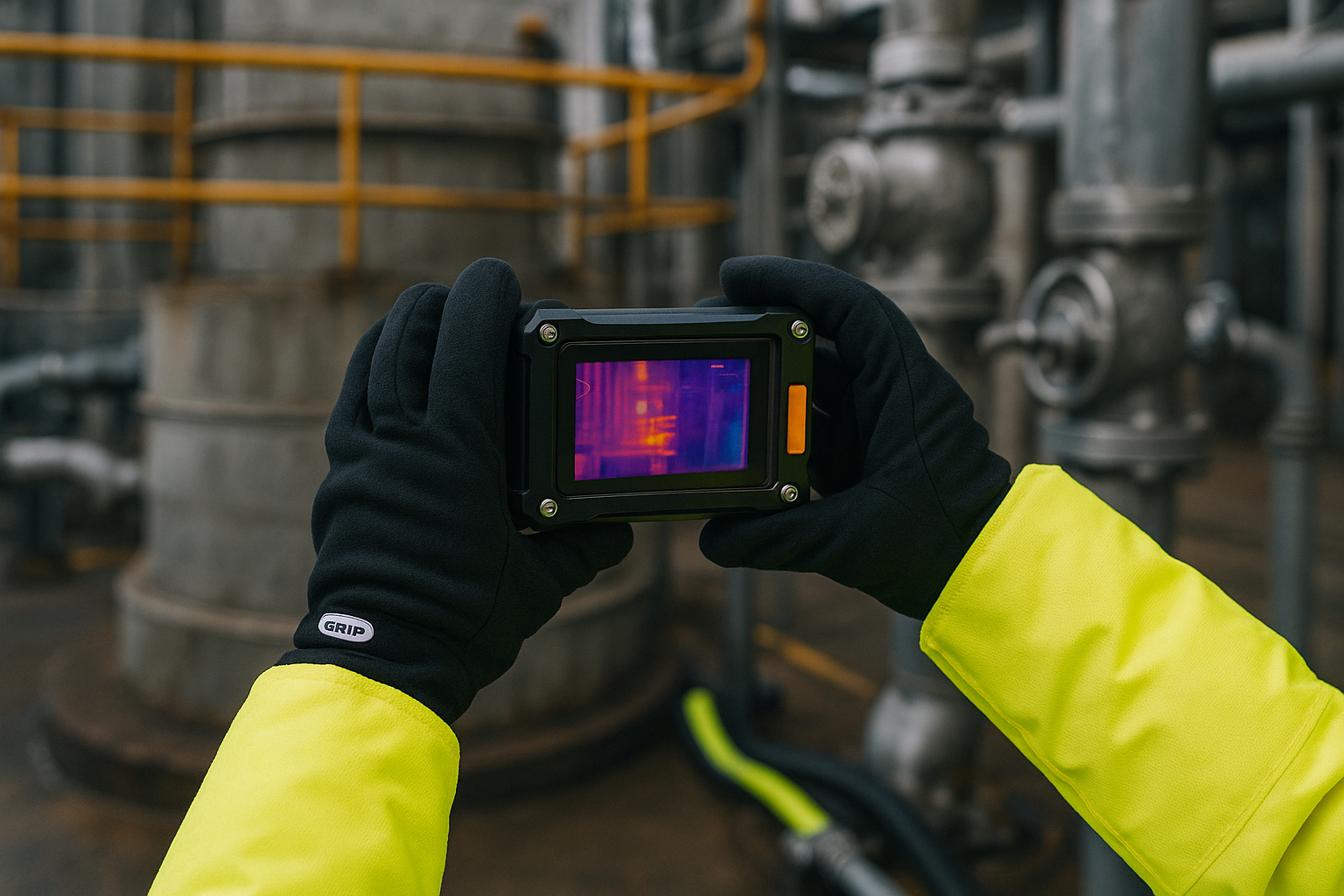
- Specialized Imaging Modes: For certain applications, specialized functions are non-negotiable. Thermal imaging helps detect overheating machinery, while optical gas imaging (OGI) can visualize gas leaks invisible to the naked eye.
What Certifications Should You Look For?
When evaluating intrinsically safe cameras, certification is non-negotiable. Below are the most critical standards and what they mean:
ATEX (Atmosphères Explosibles)
A mandatory certification for products used in explosive atmospheres within the EU. Cameras are assigned a zone rating (Zone 0, 1, or 2) depending on the risk level.
IECEx (International Electrotechnical Commission System for Certification to Standards Relating to Equipment for Use in Explosive Atmospheres)
A globally accepted certification that ensures the equipment meets consistent safety standards across regions. Ideal for multinational operations.
NEC/UL Class I Division 1 or 2
Used primarily in North America, this rating classifies areas based on the frequency and presence of flammable gases. Class I, Division 1 (C1D1) is the most restrictive.
Ingress Protection (IP) Ratings
Many intrinsically safe cameras also have IP ratings (e.g., IP65, IP68), indicating protection against dust, water, and other environmental hazards.
Need Help Choosing the Right Certified Camera?
Talk to a Hazardous Area Specialist – Get guidance on the right camera certification for your zone.
How Do Intrinsically Safe Cameras Work?
Intrinsically safe cameras achieve safety through a combination of engineering, design, and certification:
1. Energy Limitation
The internal circuitry is designed to operate at energy levels too low to cause ignition. This includes both electrical energy and thermal energy.
2. Encapsulation
Critical components are often encapsulated in resin to prevent shorts or sparks. The entire device is housed in a rugged, sealed enclosure to protect it from industrial environments, which is different from an ‘explosion-proof’ enclosure that is designed to contain a potential internal blast.
3. Thermal Control
Special heat sinks and temperature regulators ensure the device never reaches a surface temperature that could cause ignition.
4. Fail-Safe Design
Redundancies are built in to ensure safe failure—meaning if a component fails, it does so in a way that doesn’t generate sparks or excess heat.
Top Intrinsically Safe Cameras for Industrial Use
Below is a curated list of the best intrinsically safe cameras available for oil & gas, mining, and industrial inspection applications, based on current availability on IntrinsicallySafeStore.com.
Comparison Table: Intrinsically Safe Cameras
| Camera Model | Certifications | Features | Ideal Use Case | Type |
|---|---|---|---|---|
| FLIR GFx320 | ATEX, IECEx | Optical gas imaging, detects methane leaks | Oil & gas leak detection | Thermal/Gas Imaging |
| Ecom Smart-Ex® Camera | ATEX Zone 1, IECEx | Android-based, 13MP camera, 4G/LTE-ready | Field inspections, maintenance logs | Smart Camera |
| Pixavi Cam by Bartec | ATEX Zone 1, IECEx | 4K video, 12MP stills, IP68 waterproof | Offshore, marine, chemical plants | Rugged Digital |
| P374 IS Pushrod Camera | ATEX Zone 0, Ex ia IIC | Long-reach flexible probe, zone 0 rated | Pipe and tank inspections | Bore/Pushrod |
| HIKMICRO BX20 | ATEX, IECEx | Thermal imaging, Wi-Fi & USB connectivity | Predictive maintenance, motor checks | Thermal |
Best Choice by Industry
-
Oil & Gas: FLIR GFx320—gas leak detection reduces downtime and mitigates environmental risk.
-
Mining: Pixavi Cam—rugged build and IP68 rating withstand dusty, humid conditions.
-
Industrial Maintenance: HIKMICRO BX20—thermal imaging identifies overheating components early.
-
Utilities & Energy: Smart-Ex® Camera—real-time reporting with LTE and smart interface.
-
Pipe & Tank Inspections: P374 IS Pushrod—long-reach camera designed for confined space entries.
Not Sure Where to Start?
Let us help you choose the right intrinsically safe camera for your site.
Request a Custom Quote for Certified Cameras
FAQs About Intrinsically Safe Cameras
Can I use a standard camera in a hazardous zone?
No. Standard cameras do not have the safeguards required to prevent ignition in explosive atmospheres and are not legally permitted in many industrial zones.
Are intrinsically safe cameras waterproof?
Yes. Most are designed with high IP ratings (IP65–IP68), offering protection from dust, water, and chemical exposure—essential for industrial fieldwork.
Do these cameras offer real-time video?
Some models, especially smart cameras like the Smart-Ex® and Pixavi Cam, support live video streaming via LTE or Wi-Fi. Others may store data locally for secure offline use.
How do I know which certification I need?
This depends on your facility’s classification. For EU sites, look for ATEX Zone certifications. For North America, look for Class I Division ratings. Consult your safety manager for confirmation.
What’s the battery life like?
Most intrinsically safe cameras offer between 6–10 hours of active use on a full charge, depending on functionality such as thermal imaging, video resolution, and wireless usage.
Industry Snapshot: Safety and Inspection Trends
Here are a few key statistics that highlight the growing need for intrinsically safe equipment like cameras:
| Industry Trend | Value/Impact | Source |
|---|---|---|
| Annual incidents caused by unsafe electronics | 200+ globally | U.S. Chemical Safety Board |
| Cost of a single industrial explosion | $1 million to $10 million+ | Marsh Risk Consulting |
| Inspection compliance rate using safe cameras | Increases by up to 40% | McKinsey Digital Manufacturing |
| Adoption rate of ATEX-certified devices (2023) | 22% YoY growth across heavy industries | Grand View Research |
These statistics underscore the importance of proactive safety through reliable, certified tools—especially imaging and monitoring equipment.
Conclusion
From oil refineries and offshore platforms to mines and chemical plants, intrinsically safe cameras play a vital role in ensuring both compliance and safety. By eliminating the risk of ignition and enabling high-quality visual inspection in dangerous areas, these tools are invaluable in modern industrial operations.
Whether you’re inspecting pipeline integrity, performing predictive maintenance, or documenting compliance, there’s an intrinsically safe camera that meets your specific needs. Choosing the right one starts with understanding your zone classification, required certifications, and intended use.