Intrinsically Safe Knowledge Base
Are Blast-Proof Cameras Worth It? Pros, Cons & Use Cases in Hazardous Areas
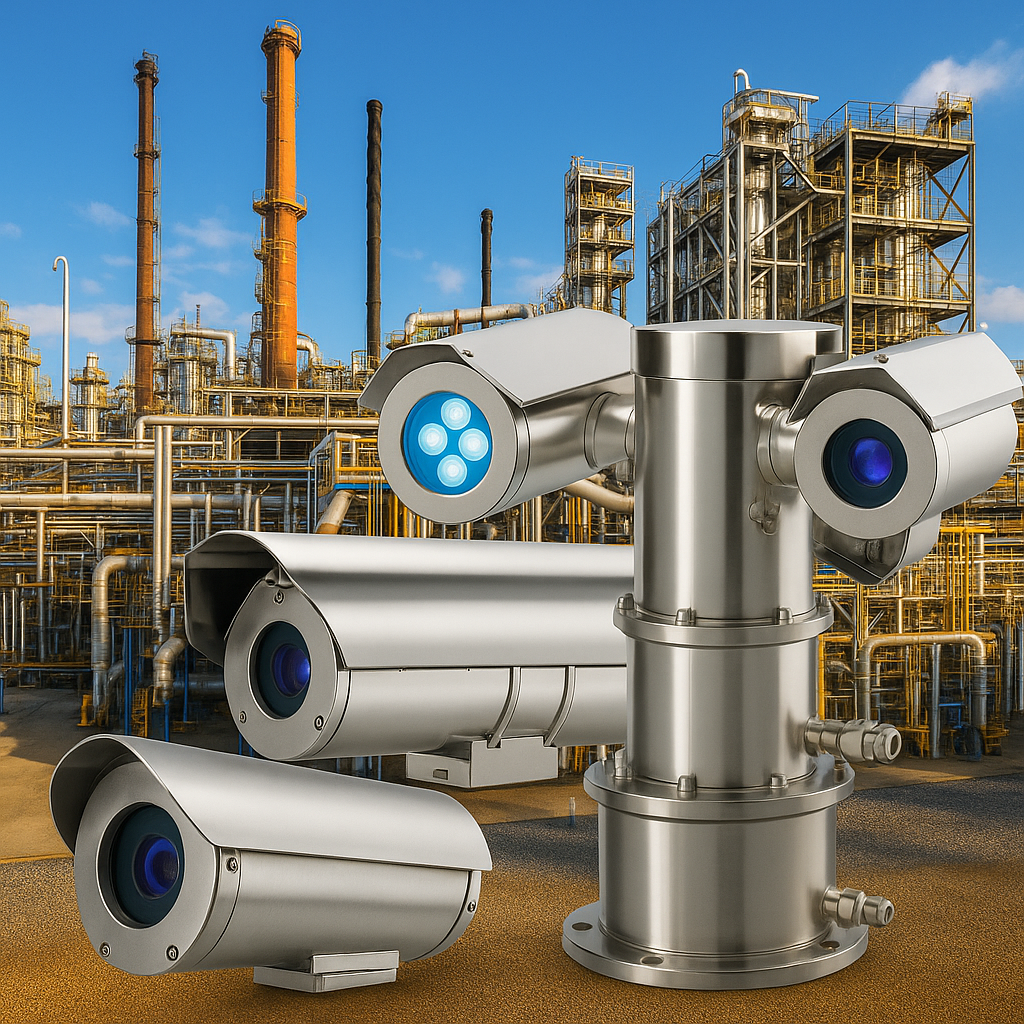
In high-risk industrial zones, monitoring equipment must meet extreme safety and performance standards. This is especially true in sectors like oil & gas, chemical processing, and mining—environments where even a minor spark can lead to catastrophe. Enter the blast-proof camera, a rugged surveillance solution engineered to endure hazardous conditions while ensuring compliance with safety regulations.
But are these specialized cameras worth the investment? This article explores the advantages, limitations, and real-world use cases of blast-proof cameras. We’ll break down what makes them different, when they’re essential, and how they compare to standard camera systems in terms of functionality and ROI.
Explore our top-rated blast-proof cameras for high-risk zones.
What Is a Blast-Proof Camera?
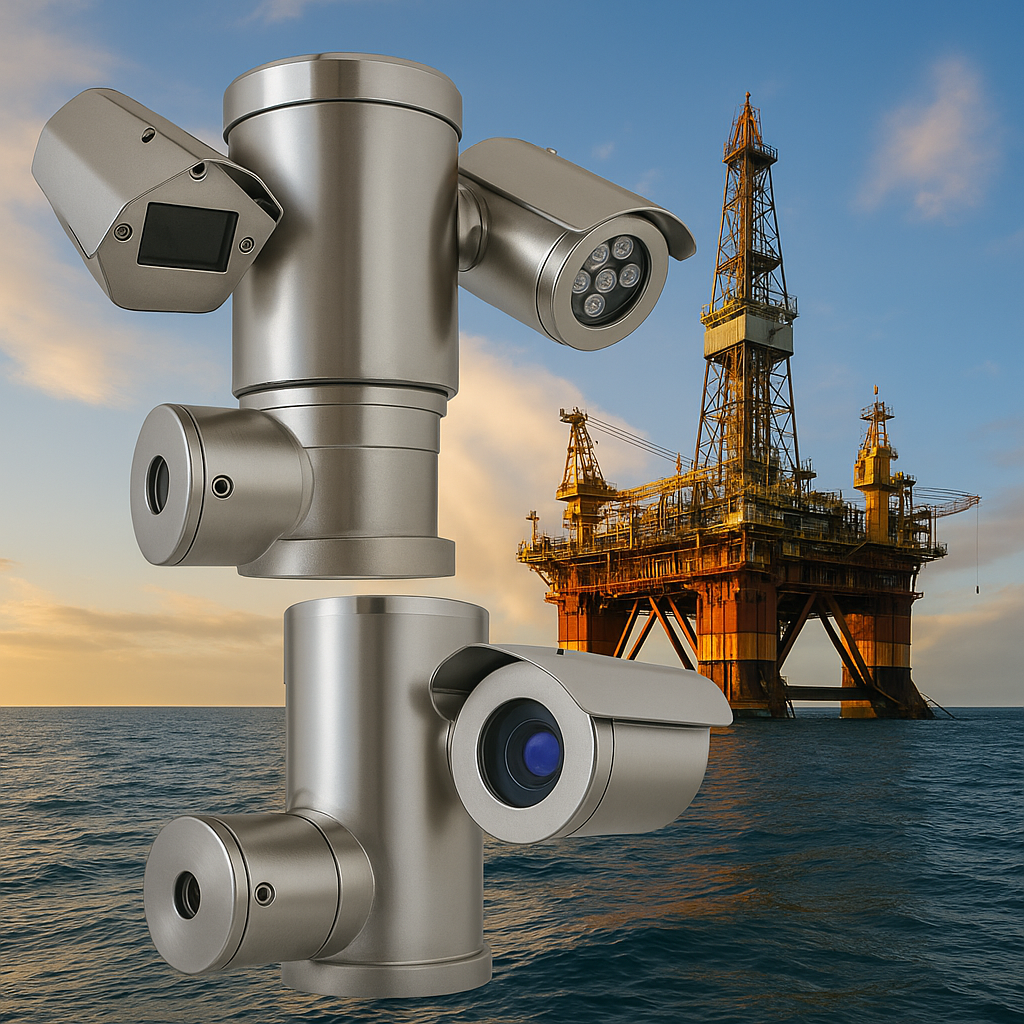
A blast-proof camera is a type of surveillance camera built to operate safely in explosive atmospheres. Unlike traditional CCTV or IP cameras, these devices are enclosed in explosion-proof housings—often made from corrosion-resistant materials like stainless steel or copper-free aluminum. These housings are designed to contain any internal sparks or high heat that might otherwise trigger an explosion in hazardous environments.
Many blast-proof cameras are certified to standards such as ATEX (EU), IECEx (International), and UL (North America), which validate their ability to function safely in potentially explosive atmospheres.
Why Do Hazardous Areas Require Blast-Proof Cameras?
Hazardous work environments—classified as Zones or Divisions depending on local regulations—pose serious safety risks. In these zones, equipment that emits heat, sparks, or static electricity can ignite volatile gases, dust, or chemicals.
Blast-proof cameras mitigate this risk by:
-
Containing ignition sources within explosion-resistant housings.
-
Ensuring operational visibility during emergency situations or routine surveillance.
-
Complying with strict industry standards to avoid liability and safety violations.
Failure to use certified surveillance in these environments not only endangers lives but also exposes companies to fines, lawsuits, and regulatory shutdowns.
What Certifications Should Blast-Proof Cameras Have?
When shopping for a blast-proof camera, it’s crucial to verify that it holds one or more of the following certifications:
ATEX
The ATEX directive governs equipment used in explosive atmospheres within the European Union. It’s divided into two categories:
-
Category 1: Equipment safe for continuous exposure to explosive environments.
-
Category 2: Equipment intended for less frequent exposure.
IECEx
This international certification system ensures devices meet global standards for use in explosive areas. It’s widely accepted across multiple regions including Australia, South Africa, and parts of Asia.
UL (Class I, Division 1 or 2)
In the U.S., Underwriters Laboratories (UL) certifies equipment for use in hazardous locations, with the most rigorous level being Class I, Division 1.
IP Ratings
Ingress Protection (IP) ratings indicate a device’s ability to resist dust and water. For hazardous areas, look for IP66 or higher.
What Are the Key Features of Blast-Proof Cameras?
Blast-proof cameras offer robust functionality in addition to their explosion-resistant construction. Key features typically include:
-
Explosion-proof housing: Built from rugged, heat-dissipating materials like stainless steel.
-
High-resolution imaging: Many support 1080p or even 4K video capture.
-
Infrared night vision: Enables surveillance in total darkness.
-
Wide temperature tolerance: Can operate in extreme hot or cold environments.
-
Remote monitoring capabilities: Integrated with control room systems via Ethernet or fiber optics.
-
Pan-Tilt-Zoom (PTZ) functionality: Offers 360° surveillance and remote control for better situational awareness.
These features ensure that blast-proof cameras don’t just survive in tough conditions—they deliver critical visual data when it matters most.
What Are the Advantages of Using Blast-Proof Cameras?
1. Safety & Compliance
The most obvious benefit is safety. By preventing internal electrical components from igniting surrounding gases or dust, blast-proof cameras eliminate one of the most common causes of industrial accidents. Their certifications also help facilities meet OSHA, MSHA, and international safety requirements.
2. Operational Continuity
Downtime due to non-compliance or equipment failure can be extremely costly. Blast-proof cameras are built for 24/7 surveillance, providing real-time visibility without frequent service interruptions.
3. Durability
With resistance to corrosion, vibration, and extreme weather, these cameras last significantly longer than standard models, even in harsh environments.
4. Reduced Liability
Using the correct certified equipment protects your company from fines, lawsuits, and regulatory action in the event of an incident.
5. Integration & Intelligence
Modern models include smart features such as motion detection, temperature sensors, and alarm integration—empowering safety teams with actionable data.
What Are the Disadvantages of Blast-Proof Cameras?
Despite their advantages, blast-proof cameras aren’t always the best fit for every scenario. Here are a few drawbacks to consider:
1. High Initial Cost
The rugged design and safety certifications come at a premium. Expect to pay significantly more than you would for a traditional camera.
2. Complex Installation
Installing a blast-proof camera often requires certified personnel and adherence to specific installation guidelines, which can increase project timelines and costs.
3. Maintenance Overhead
While durable, these units still require regular inspection and servicing to maintain certifications, especially in corrosive environments.
4. Over-Specification
Not every location within a hazardous facility may require a blast-proof model. In some cases, intrinsically safe or weatherproof models may suffice.
How Do Blast-Proof Cameras Compare to Other Hazardous Area Options?
| Feature | Blast-Proof Camera | Intrinsically Safe Camera | Standard IP Camera |
|---|---|---|---|
| Explosion Containment | Yes | No | No |
| Prevents Internal Ignition | Yes | Yes | No |
| Certification (ATEX, IECEx) | Yes | Yes | No |
| Durability | Very High | High | Moderate |
| Installation Complexity | High | Moderate | Low |
| Cost | $$$ | $$ | $ |
| Use Cases | High-risk zones | Medium-risk zones | Non-hazardous areas |
Best Choice For:
-
Oil & Gas: Blast-Proof Camera
-
Pharmaceuticals: Intrinsically Safe Camera
-
General Industry Surveillance: Standard IP Camera
What Industries Use Blast-Proof Cameras Most?
1. Oil & Gas
Used on offshore platforms, refineries, and pipelines where hydrocarbon gases are abundant.
2. Chemical Manufacturing
Essential in production zones where volatile solvents or gases are handled daily.
3. Mining
Underground and open-pit operations frequently involve combustible dust and require certified monitoring solutions.
4. Pharmaceuticals
Critical for R&D labs and manufacturing areas where chemicals and sensitive processes are involved.
5. Food Processing
Grain dust and powdered ingredients can pose ignition risks, making certified cameras a necessity.
6. Waste Management
Biogas facilities and recycling plants often emit flammable vapors or fine dust.
Need help choosing certified equipment?
Talk to an expert to match the right camera to your zone and classification.
FAQs About Blast-Proof Cameras
Are all blast-proof cameras weatherproof?
Most are built for harsh environments and carry high IP ratings, but always confirm specifications. Weatherproofing is not a default feature for every model.
Do they work in complete darkness?
Yes, many are equipped with IR or thermal imaging to operate in zero-light conditions, such as night shifts or power outages.
How long do blast-proof cameras last?
With proper maintenance, many models have a service life of 5–10 years or more, even in corrosive environments.
Can I use a standard camera with an explosion-proof housing?
In some cases, yes. However, full certification often requires an integrated design to meet ATEX or IECEx standards.
What’s the difference between intrinsically safe and explosion-proof?
Intrinsically safe equipment prevents the generation of sparks or heat, while explosion-proof equipment contains them. Both are certified for hazardous areas but serve different use cases.
Conclusion: Are Blast-Proof Cameras Worth It?
Blast-proof cameras are a crucial investment for industries where fire and explosion risks are real and constant. While the initial cost is high, the return on investment comes in the form of regulatory compliance, risk mitigation, and operational resilience. They’re not always necessary for every location, but in high-risk zones, they’re absolutely worth it.
Facilities in oil and gas, chemicals, mining, and similar industries cannot afford to compromise on safety. In these sectors, blast-proof cameras are not just surveillance tools—they’re life-saving devices that help prevent catastrophe.