Intrinsically Safe Products
Hazardous Area Electrical Enclosures | Class I Div 1 (2026)
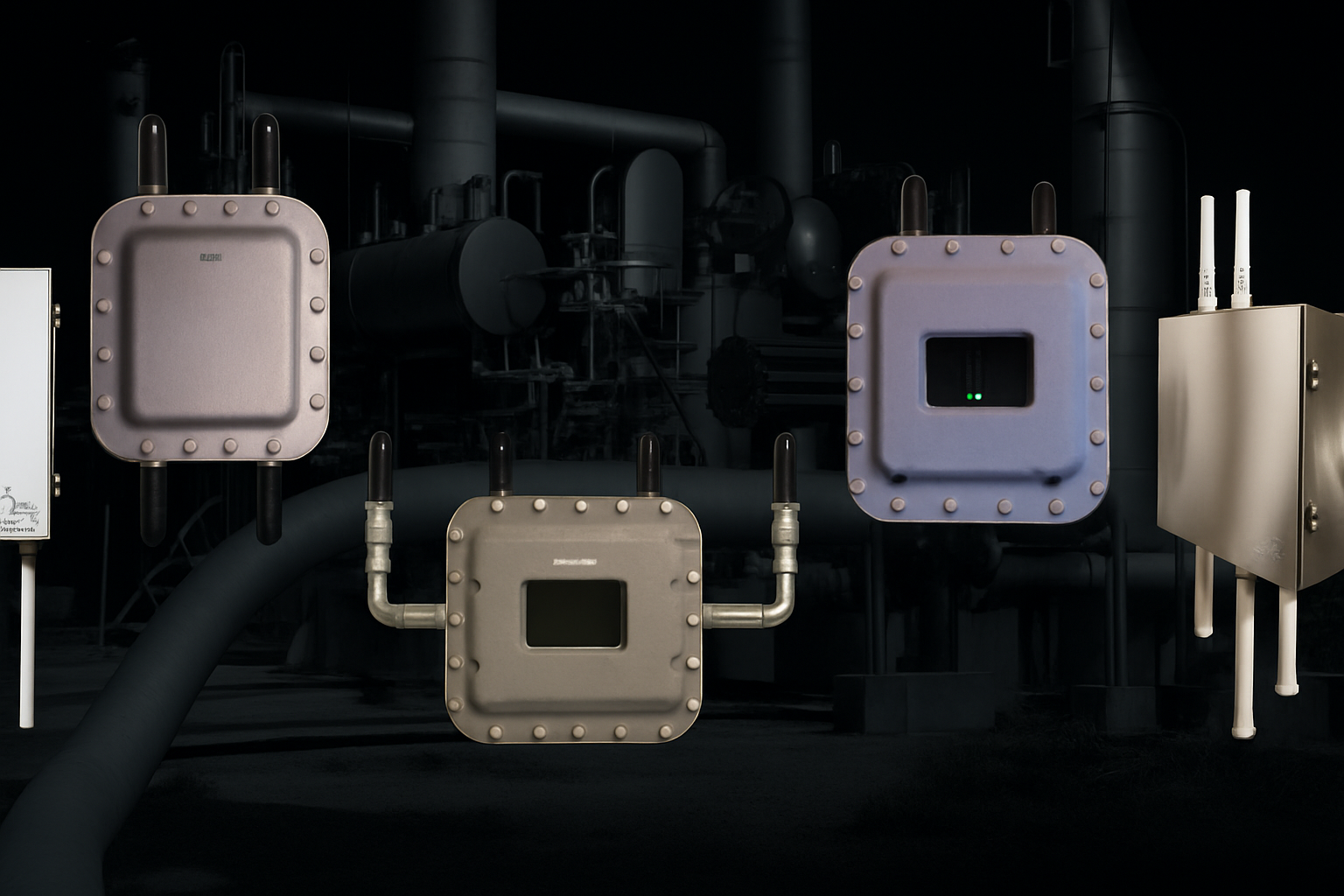
Hazardous locations present some of the most demanding challenges for electrical equipment. Industrial sites dealing with flammable gases, vapors, dust, or fibers require protective housings that keep ignition sources fully contained while ensuring equipment reliability. Hazardous area electrical enclosures are central to this protection strategy, serving as the first line of defense between electrical components and explosive atmospheres.
This guide provides a complete breakdown of enclosure types, materials, certifications, temperature considerations, and installation insights to help engineers, designers, and safety professionals select enclosures that meet both operational and regulatory demands.
What Are Hazardous Area Electrical Enclosures?
Hazardous area electrical enclosures are specially designed housings that contain electrical components and prevent them from igniting flammable atmospheres. These enclosures restrict the release of heat, arcs, or sparks that could occur under normal operation or during electrical faults.
They are commonly used in industries such as oil and gas, chemical processing, mining, food production, grain handling, wastewater treatment, and pharmaceuticals—anywhere explosive gases or dusts may be present.
Why They Matter
-
Prevent ignition of hazardous atmospheres
-
Protect sensitive equipment from exposure to corrosive or dusty environments
-
Ensure compliance with ATEX, IECEx, UL, CSA, and NEC requirements
-
Improve system reliability and reduce maintenance

How Are Hazardous Areas Classified?
Before selecting an enclosure, it’s critical to understand the hazard classification system.
Hazardous Area Classifications
ATEX / IECEx (Zone System)
-
Zone 0 – Continuous presence of explosive gas
-
Zone 1 – Likely presence of explosive gas
-
Zone 2 – Unlikely or infrequent gas presence
-
Zone 20/21/22 – Combustible dust environments
North American (Class/Division System)
-
Class I – Gases and vapors
-
Class II – Combustible dust
-
Class III – Fibers and flyings
-
Division 1 – Likely presence of hazard
-
Division 2 – Unlikely or infrequent presence
Electrical enclosures must match the classification—and failure to do so can result in catastrophic incidents or legal violations.
What Types of Hazardous Area Electrical Enclosures Exist?
Hazardous area electrical enclosures fall into several key protection concepts. Each is intended for different hazardous zone conditions and equipment types.
Flameproof / Explosion-Proof Enclosures (Ex d)
These enclosures are engineered to contain an internal explosion without allowing it to escape into the external atmosphere.
Key Characteristics
-
Heavy-duty aluminum, stainless steel, or cast iron
-
Common for motors, starters, transformers, and high-energy devices
Intrinsically Safe Enclosures (Ex i)
These enclosures are used to house intrinsically safe (Ex i) circuits. The principle of intrinsic safety ensures the electrical and thermal energy within the circuit is kept below the level required to ignite a specific hazardous atmosphere.
Key Characteristics
-
Lightweight materials
-
Often used with IS barriers or isolators
-
Suitable for Zone 0/1 and instrumentation-level devices
Increased Safety Enclosures (Ex e)
Designed to prevent arcs, sparks, or hot surfaces under normal operation.
Key Characteristics
-
Reinforced terminals and insulation
-
No internal ignition sources allowed
-
Suitable for Zone 1
-
Used for terminal enclosures, and lighting fixtures
Pressurized Enclosures (Ex p)
Maintain a protective gas (air or inert) under pressure to isolate internal components from the atmosphere.
Key Characteristics
-
Ideal for sensitive electronics, PLCs, VFDs
-
Suitable for Zone 1/2
-
Requires purge control system
Dust-Ignition Protection Enclosures (Ex t)
Designed specifically to exclude dust and limit temperature.
Key Characteristics
-
IP6X sealing
-
Certified for Zone 21/22
-
Used heavily in grain, food, milling, and pharmaceuticals
What Materials Are Used for Hazardous Area Electrical Enclosures?
Material selection plays a major role in durability, corrosion resistance, and compliance.
Stainless Steel (304 or 316)
Ideal For
-
Corrosive environments
-
Offshore oil & gas
-
Chemical plants
Advantages
-
High corrosion resistance
-
Excellent strength
-
Long service life
Aluminum Alloy
Ideal For
-
General industrial hazardous locations
-
Flameproof housings (cast aluminum)
Advantages
-
Lightweight
-
Cost-effective
-
Good thermal dissipation
GRP (Glass-Reinforced Polyester)
Ideal For
-
Marine environments
-
High humidity, salt, and UV exposure
Advantages
-
Corrosion-proof
-
Lightweight
-
Non-conductive
Cast Iron
Ideal For
-
Heavy-duty flameproof enclosures
-
High-mechanical stress environments
Advantages
-
Strong impact resistance
-
High thermal tolerance
Polycarbonate
Ideal For
-
Intrinsically safe, low-voltage systems
-
Dust-hazard areas
Advantages
-
Lightweight
-
Transparent options available
-
Resistant to chemicals
The selection of an appropriate material involves a careful evaluation of the hazard category, environmental conditions (e.g., presence of corrosive agents), and the expected service life of the equipment.
What Protection Ratings Apply to Hazardous Area Electrical Enclosures?
IP Ratings (Ingress Protection)
The IP code measures dust and water resistance.
| IP Rating | Description |
|---|---|
| IP54 | General dust protection and splash resistance |
| IP66 | Dust-tight, high-pressure washdown protection |
| IP67 | Dust-tight, immersion-resistant |
| IP68 | Dust-tight, long-term immersion protection |
| IP69K | High-temperature, high-pressure cleaning |
Many hazardous area applications, particularly those exposed to dust or high-pressure water jets, often necessitate enclosures with a rating of IP66 or higher to meet certification and operational requirements.
NEMA Ratings (North America)
| NEMA Rating | Protection Level |
|---|---|
| NEMA 3/3R | Outdoor weather-resistant |
| NEMA 4/4X | Corrosion-resistant, washdown, indoor/outdoor |
| NEMA 7 | Explosion-proof (Class I Div 1) |
| NEMA 9 | Dust-ignition proof (Class II) |
ATEX/IECEx Protection Markings
Examples include:
-
Ex d – Flameproof
-
Ex e – Increased safety
-
Ex i – Intrinsically safe
-
Ex t – Dust protection
-
Ex p – Pressurized
Understanding these markings ensures proper equipment selection.
How to Select the Right Hazardous Area Electrical Enclosure
Choosing the correct enclosure involves evaluating both environmental and electrical requirements.
Step-by-Step Selection Guide
1. Determine the Hazard Classification
Identify whether the area is Zone 0/1/2 or Class I/II Div 1/2.
2. Identify Internal Equipment
The protection concept is often determined by the internal equipment. For example, high-energy components like transformers are commonly housed in Ex d enclosures, while the Ex i protection concept is applied to low-energy instrumentation circuits.
3. Consider Ambient & Operating Conditions
-
Heat exposure
-
Moisture
-
Chemical corrosion
-
Mechanical impact
4. Choose Material Based on Environment
-
Stainless steel → corrosive
-
GRP → marine
-
Aluminum → general hazardous areas
-
Cast iron → heavy duty
5. Determine Required IP/NEMA Rating
Areas exposed to washdown, dust, or water require higher protection.
6. Verify Certification
Ensure ATEX/IECEx/UL/FM compliance for the specific hazard zone.
7. Consider Mounting & Cable Entry
-
Wall mount, floor mount, pole mount
-
Metric vs. NPT glands
-
Pressure equalization valves
Maintenance and Inspection of Hazardous Area Enclosures
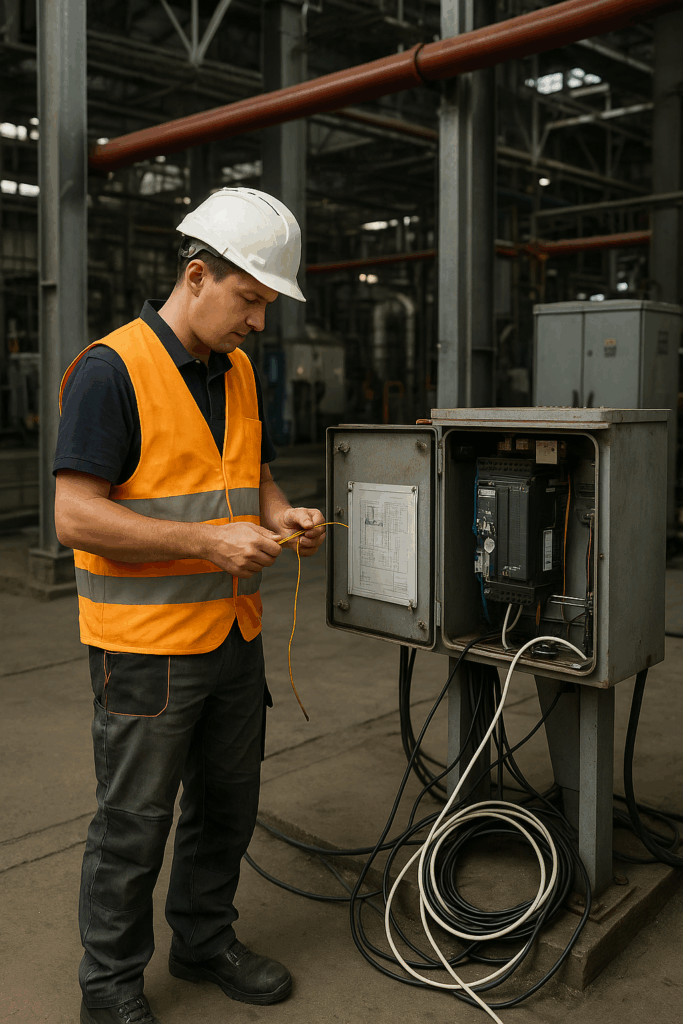
Proper selection and installation are only the first steps. To ensure long-term safety and compliance, hazardous area enclosures require regular maintenance and inspection. Neglecting these critical tasks can lead to degradation of protection, rendering the equipment unsafe and non-compliant.
Regular Inspection Checklist
A routine inspection schedule is essential for identifying potential issues before they become critical failures. Key points to check include:
- Gasket Integrity: Check for signs of cracking, brittleness, or compression that could compromise the IP rating.
- Corrosion and Damage: Inspect the enclosure body for rust, chemical damage, or physical impacts that could weaken its structure.
- Flame Path Surfaces (Ex d): As specified in inspection and maintenance standards such as IEC 60079-17, the flame path surfaces of Ex d enclosures must be inspected to ensure they are clean, free of scratches, and not painted over, as this could compromise the protection.
- Fasteners and Bolts: Verify that all bolts and screws are present, tightened to the correct torque, and not corroded.
- Cable Gland Seals: Confirm that all cable glands are secure and that their seals are intact to prevent ingress.
- Certification Label: Ensure the certification label is legible and matches the requirements of the hazardous area.
Best Practices for Maintenance
Always follow the manufacturer’s guidelines for maintenance procedures. Use only certified, original-equipment replacement parts, as third-party components can void the certification. Maintain a detailed logbook of all inspections and repairs, noting the date, the tasks performed, and the personnel involved. This documentation is crucial for demonstrating compliance during safety audits.
Comparison Table: Enclosure Types for Hazardous Areas
| Enclosure Type | Protection Method | Best Applications | Typical Certifications |
|---|---|---|---|
| Flameproof (Ex d) | Contains internal explosion | Motors, starters, switches | ATEX/IECEx, UL, CSA |
| Increased Safety (Ex e) | Prevents arcs, sparks | Terminal boxes, luminaires | ATEX/IECEx |
| Intrinsically Safe (Ex i) | Limits energy to safe levels | Instrumentation, sensors | ATEX/IECEx, UL 913 |
| Pressurized (Ex p) | Positive pressure protection | PLCs, VFDs, computers | ATEX/IECEx |
| Dust-Ignition Protection (Ex t) | Dust exclusion, temp control | Food, grain, pharma | ATEX/IECEx |
Installation Requirements for Hazardous Area Enclosures
Key Installation Considerations
-
Maintain flame paths on Ex d enclosures
-
Ensure pressure systems (Ex p) are calibrated
-
Monitor enclosure temperatures to avoid exceeding T-ratings
-
Maintain minimum clearance for heat dissipation
Common Installation Mistakes
-
Using non-certified glands
-
Combining IS and non-IS wiring improperly
-
Modifying enclosure surfaces (invalidates certification)
-
Incorrect grounding or bonding
Compliance is only maintained when installation follows certified design standards.
FAQs About Hazardous Area Electrical Enclosures
What is the difference between Explosion-Proof and Intrinsically Safe enclosures?
Explosion-proof (Ex d) contains an explosion. Intrinsically safe (Ex i) prevents ignition entirely by limiting energy.
Do hazardous area enclosures need special cable glands?
Yes. Cable glands must match the enclosure type (Ex d, Ex e, Ex t, etc.) and maintain the integrity of the protection concept.
Can GRP enclosures be used in Zone 1 areas?
Yes—if certified. Many GRP enclosures are rated for Zone 1/21, offering corrosion resistance and lower weight.
Does modifying an enclosure affect certification?
Yes. Any drilling, cutting, machining, or altering can void ATEX/IECEx certification unless performed by an approved manufacturer.
What is the best enclosure type for PLCs or electronics?
Pressurized (Ex p) enclosures are ideal because they protect sensitive electronics from hazardous gases or dust.
Conclusion: Choosing the Right Hazardous Area Electrical Enclosures
Hazardous area electrical enclosures are essential for explosion prevention and long-term equipment reliability. By understanding the hazard classification, enclosure types, material characteristics, and protection ratings, you can select an enclosure that meets regulatory requirements and withstands demanding conditions.
Whether you need flameproof housings, intrinsically safe boxes, increased safety terminals, or pressurized control cabinets, choosing correctly ensures compliance, operational integrity, and maximum safety.