Intrinsically Safe Products
Intrinsically Safe Beacons: A 2026 Engineer’s Guide | ISS
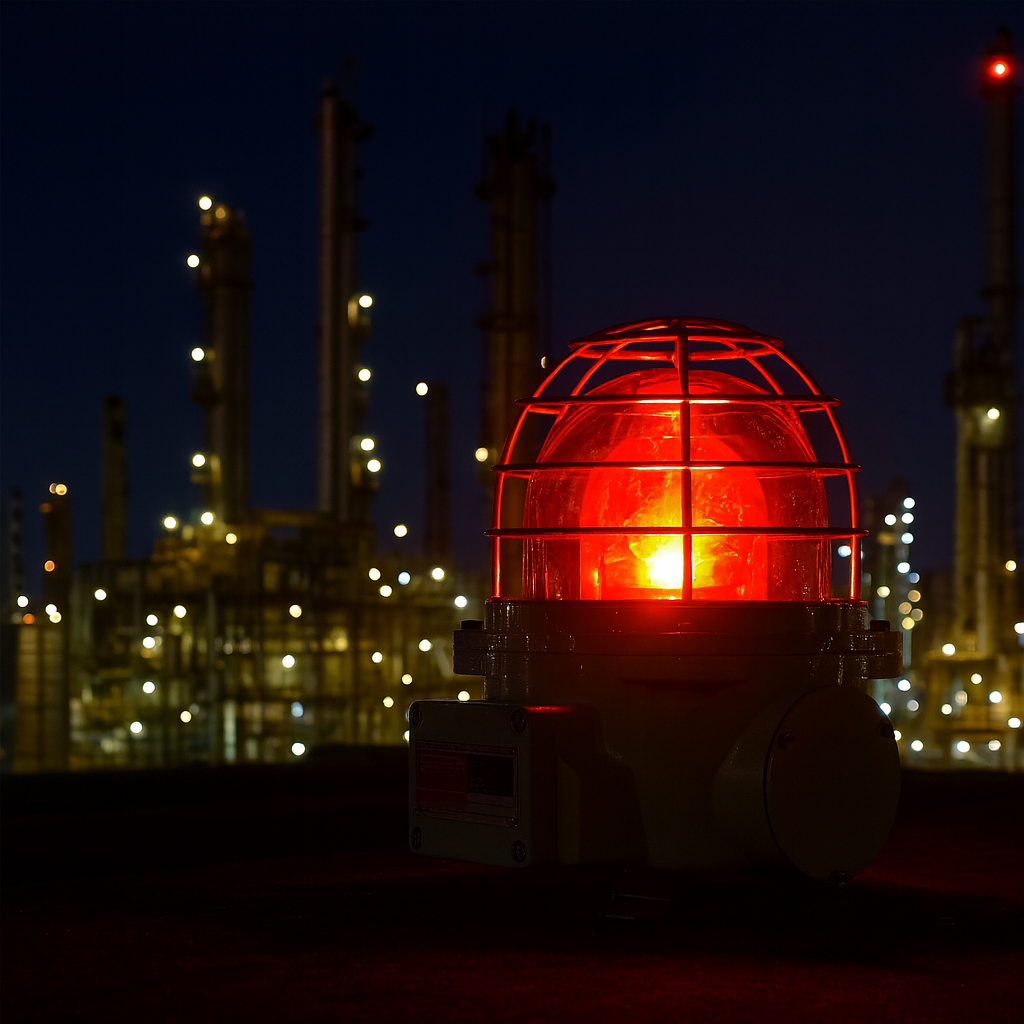
In hazardous industrial environments, communication and safety depend on clear, reliable visual signaling. An intrinsically safe beacon light provides high-visibility alerts without creating ignition risks in explosive atmospheres. These devices are specifically engineered for hazardous zones where flammable gases, vapors, or combustible dusts may be present. From emergency notifications to equipment status indicators, intrinsically safe beacons play a crucial role in maintaining situational awareness and protecting workers.
This in-depth guide explains how intrinsically safe beacon lights work, their certifications, key performance specifications, mounting options, use cases, and how to integrate them into broader alarm and monitoring systems. Whether you manage safety, operations, or electrical installations, this article will help you understand the key factors to consider when selecting a beacon for your hazardous environment.
What Is an Intrinsically Safe Beacon Light?
An intrinsically safe beacon light is a low-energy visual alert device designed to operate safely in hazardous locations by ensuring that no internal electrical spark or heat output can ignite flammable substances. Unlike standard beacons, intrinsically safe models are engineered to limit elecrical and thermal energy to safe levels, providing bright, attention-grabbing illumination without combustion risk.
These lights are used in industrial areas classified as:
-
ATEX/IECEx Zones 0, 1, 2 (gas)
-
ATEX/IECEx Zones 20, 21, 22 (dust)
-
NEC Class I/II/III, Div 1 or 2 hazardous locations
Their purpose is to communicate warnings and operational cues in environments where audible alarms alone may not be sufficient.

Why Intrinsically Safe Beacon Lights Matter
How Do Intrinsically Safe Beacon Lights Enhance Operational Safety?
Visual alerts are critical in hazardous settings where loud machinery, PPE, or environmental noise can obscure audible signaling. Intrinsically safe beacon lights improve awareness by:
-
Providing unmistakable visual cues
-
Supporting emergency response procedures
-
Indicating equipment faults, gas leaks, or evacuation needs
-
Supporting lockout/tagout workflows
-
Communicating plant-wide status changes
Because they are energy-limited, these beacons are designed to prevent ignition by operating below the energy levels required to ignite the specified hazardous atmosphere.
Certifications and Hazardous Area Approvals
What Certifications Should an Intrinsically Safe Beacon Light Have?
To ensure safe operation, beacon lights must match the hazardous area classification where they will be installed. Common certifications include:
ATEX Certification (European Union)
ATEX-certified beacons follow Directive 2014/34/EU and include markings indicating:
-
Equipment Group (II = surface industries)
-
Category (1G, 2G, 3G for gas; 1D, 2D, 3D for dust)
-
Zone suitability (Zone 0/1/2 or 20/21/22)
-
Protection concept (Ex ia, Ex ib)
Example: II 1G Ex ia IIC T4 Ga
IECEx Certification (International)
IECEx certification assures globally harmonized testing for explosion protection.
Markers include:
-
Protection method (Ex ia or Ex ib)
-
Gas or dust group
-
Temperature classification
-
Equipment protection level (Ga, Gb, Da, Db)
NEC/CEC Hazardous Location Ratings (North America)
Locations are classified by:
-
Class I – Gases
-
Class II – Dust
-
Class III – Fibers
-
Division 1 or 2 – Hazard frequency
-
Groups A–G – Specific material types
For compliance and safety, certification standards require that the equipment’s classification is appropriate for the location’s designated Class, Division, and Group.
Validate Your Hazardous Rating, Then Choose the Right Beacon
Share your zone/class and application details—our team can help confirm compliance and recommend the best intrinsically safe beacon for your site.
Key Differences: Intrinsically Safe vs. Explosion-Proof Beacons
While both are designed for hazardous areas, Intrinsically Safe (IS) and Explosion-Proof (XP) protection methods operate on different principles. Understanding this distinction is crucial for compliance and safety.
- Intrinsically Safe: This method focuses on preventing an explosion. The circuitry is designed to limit electrical and thermal energy to levels below what is required to ignite a specific hazardous atmosphere, even under fault conditions. IS devices are generally lighter, less expensive, and can often be maintained while powered on (live maintenance).
- Explosion-Proof: This method focuses on containing an explosion. The beacon’s housing is built to withstand an internal ignition of a hazardous substance without allowing the flame or explosion to escape and ignite the surrounding atmosphere. These enclosures are typically heavy, rugged, and require power to be cut before maintenance.
The choice between them depends on the power requirements of the device and the specific hazardous area classification. Beacons, being low-power devices, are ideal candidates for intrinsic safety. For a deeper dive, explore our guide on Intrinsically Safe vs. Explosion-Proof equipment.
Use Cases for Intrinsically Safe Beacon Lights
Where Are Intrinsically Safe Beacon Lights Commonly Used?
These devices are essential in environments where ignition risks exist, including:
-
Oil & gas rigs and refineries
-
Chemical processing plants
-
Grain silos and food processing
-
Underground mining
-
Aerospace fueling operations
-
Water treatment facilities
-
Pharmaceutical cleanrooms
-
Battery energy storage systems
Their versatility makes them suitable for status indications, emergency alerts, and continuous process monitoring.
How Do Beacons Improve Emergency Response?
Visual alerts support both immediate and coordinated responses by:
-
Warning workers of detected gas leaks
-
Indicating mandatory evacuation
-
Highlighting high-risk equipment zones
-
Signaling fire suppression activation
-
Supporting confined-space entry protocols
Combined with strobes or multi-color LEDs, beacons ensure unmistakable visual communication.
Key Specifications to Evaluate
What Specs Matter Most When Choosing an Intrinsically Safe Beacon Light?
When evaluating beacon performance, pay close attention to:
-
Light intensity (candela or lumen output)
-
Flash patterns (strobe, steady, pulsed)
-
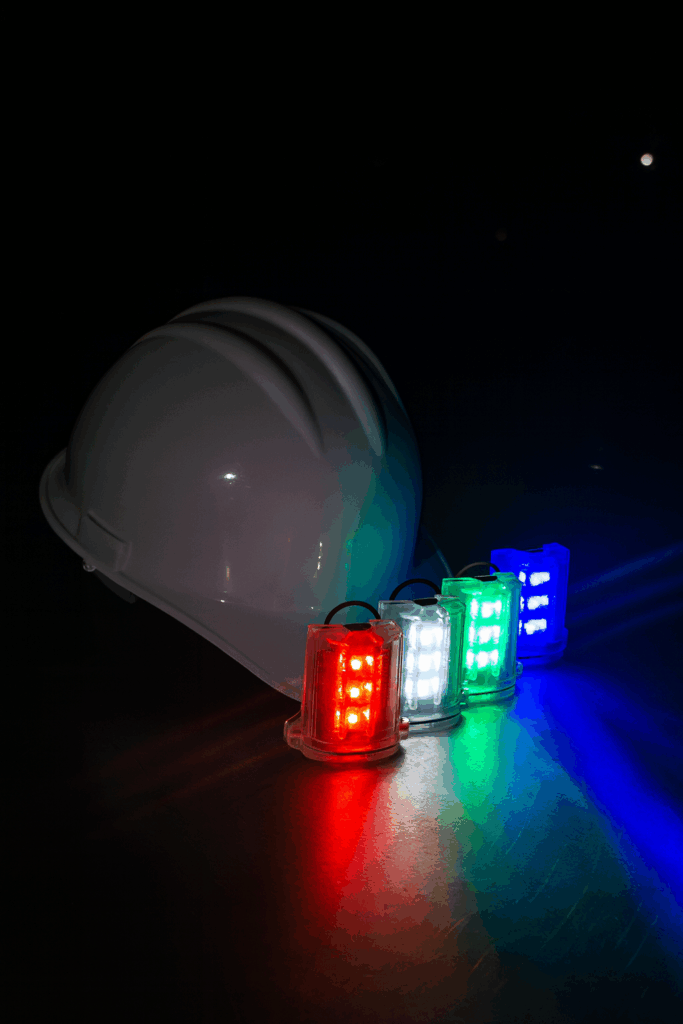
Color options (red, amber, blue, green, white)
-
Ingress protection (typically IP66 or IP67)
-
Operating temperature range
-
Power input (battery, DC, AC)
-
Runtime efficiency for portable beacons
-
Certifications (ATEX, IECEx, NEC)
A well-chosen beacon ensures both visibility and compliance.
Why Light Output and Color Matter
Light intensity must suit the application. For example:
-
Red → Emergency alert, danger, shutdown
-
Amber → Process caution, slow down, warning
-
Blue → Security or specific operational alerts
-
Green → Safe conditions or process-ready status
-
White → General illumination or status signaling
High-intensity LEDs ensure visibility in fog, dust, or bright sunlight.
Mounting Options
What Mounting Options Are Available for Intrinsically Safe Beacon Lights?
Different mounting solutions allow beacons to be installed in optimal viewing locations. Common options include:
Wall-Mounted Beacons
Ideal for fixed workstations, control rooms, and equipment enclosures.
Advantages:
-
Highly visible
-
Durable installation
-
Supports directional signaling
Pole or Mast Mount Beacons
Used in open industrial yards or large process areas.
Advantages:
-
Long-distance visibility
-
Elevated for 360° coverage
-
Suitable for multi-beacon clusters
Equipment-Mounted (Direct Mount) Beacons
Placed on machinery, pumps, compressors, or mobile equipment.
Advantages:
-
Real-time status at the source
-
Compact installations
-
Helps operators spot faults immediately
Portable Intrinsically Safe Beacon Lights
Battery-powered units for temporary or emergency signaling.
Advantages:
-
No wiring required
-
Ideal for confined space entry
-
Flexible deployment
Installation and Maintenance Best Practices
Proper installation and regular maintenance are crucial for ensuring the reliability and compliance of intrinsically safe beacon lights. Always refer to the manufacturer’s documentation for specific instructions.
Installation Guidelines
- Use Correct Barriers: All wiring entering the hazardous area must pass through certified Zener barriers or galvanic isolators to maintain the integrity of the intrinsically safe circuit.
- Secure Mounting: Ensure the beacon is mounted securely to withstand vibration and environmental conditions. The chosen location should provide an unobstructed line of sight from all relevant viewpoints.
- Verify System Compatibility: When integrating with other systems, confirm that the beacon’s voltage and current requirements are compatible with the control panel or power source.
Maintenance Checklist
- Visual Inspection: Regularly check the beacon’s housing and lens for cracks, corrosion, or any physical damage that could compromise its integrity or IP rating.
- Cleanliness: Keep the lens clean from dust, dirt, and grime to ensure maximum light output and visibility. Use non-abrasive cleaners as recommended by the manufacturer.
- Functional Testing: Periodically trigger the beacon as part of a site-wide alarm system test to verify it activates correctly.
- Battery Care (for portable models): Check battery health, follow proper charging procedures, and replace batteries according to the manufacturer’s specified lifecycle.
Integration With Alarm and Monitoring Systems
How Do Intrinsically Safe Beacon Lights Connect With Alarms?
Intrinsically safe beacons often integrate with:
-
Fire suppression systems
-
PLCs and control panels
-
Emergency shutdown systems (ESD)
-
Audible sirens
-
Access control systems
-
Hazard monitoring networks
These integrations ensure automatic alert activation under specific conditions.
What Are the Benefits of Integrated Beacon Light Systems?
Integrated systems provide:
-
Automated alerts during high-risk events
-
Centralized monitoring from control rooms
-
Immediate visual confirmation of system status
-
Reduced reaction time during emergencies
-
Multi-zone synchronization across large facilities
When combined with intrinsically safe alarms and gas detectors—many found in the Intrinsically Safe Store—these systems form the backbone of hazard communication.
Comparison Table: Features of Intrinsically Safe Beacon Lights
| Feature | Importance | Typical Range | Benefit |
|---|---|---|---|
| Light Output | High | 50–500 lumens | Strong visibility in hazardous zones |
| Flash Patterns | Medium | Strobe/Pulse/Steady | Customizable alerts |
| Color Options | High | Red/Amber/Blue/Green | Different alert meanings |
| Certifications | Critical | ATEX/IECEx/NEC | Safe in explosive atmospheres |
| Mounting Options | Medium | Wall/Pole/Equipment | Installation flexibility |
| Power Types | High | Battery/DC/AC | Application-specific selection |
| IP Rating | High | IP66–IP67 | Protection against dust and water |
Complete Your Visual Alert Setup
Pair beacon lights with certified alarm solutions to strengthen site-wide hazard communication.
Frequently Asked Questions (FAQs)
What makes a beacon “intrinsically safe”?
Intrinsically safe beacons limit electrical and thermal energy so that ignition of flammable materials cannot occur, even if internal faults arise.
Can intrinsically safe beacon lights replace audible alarms?
They complement—not replace—audible alarms. In noisy areas, visual beacons ensure workers see warnings even when sirens are difficult to hear.
Are LED beacon lights better for hazardous areas?
Yes. LEDs offer low power consumption, low heat output, long lifespan, and high visibility, making them ideal for intrinsically safe designs.
What colors are most commonly used in hazardous worksites?
Red and amber are the most common for emergency and caution alerts, while blue and green indicate status or operational conditions.
Do beacon lights need maintenance?
Periodic checks are required to confirm lens clarity, mounting stability, wiring integrity, and battery condition for portable models.
Conclusion: Choosing the Right Intrinsically Safe Beacon Light
Selecting the correct intrinsically safe beacon light requires understanding your hazardous location classification, required visibility range, mounting location, color coding needs, and system integration requirements. Whether used for emergency alerts, equipment status signaling, or area warnings, intrinsically safe beacons provide essential visual communication without introducing ignition hazards.
To explore certified intrinsically safe devices—including lighting, alarms, gas detectors, and communication tools—visit the Intrinsically Safe Store.