Intrinsically Safe Products
Intrinsically Safe Digital Cameras: The Ultimate Buying Guide
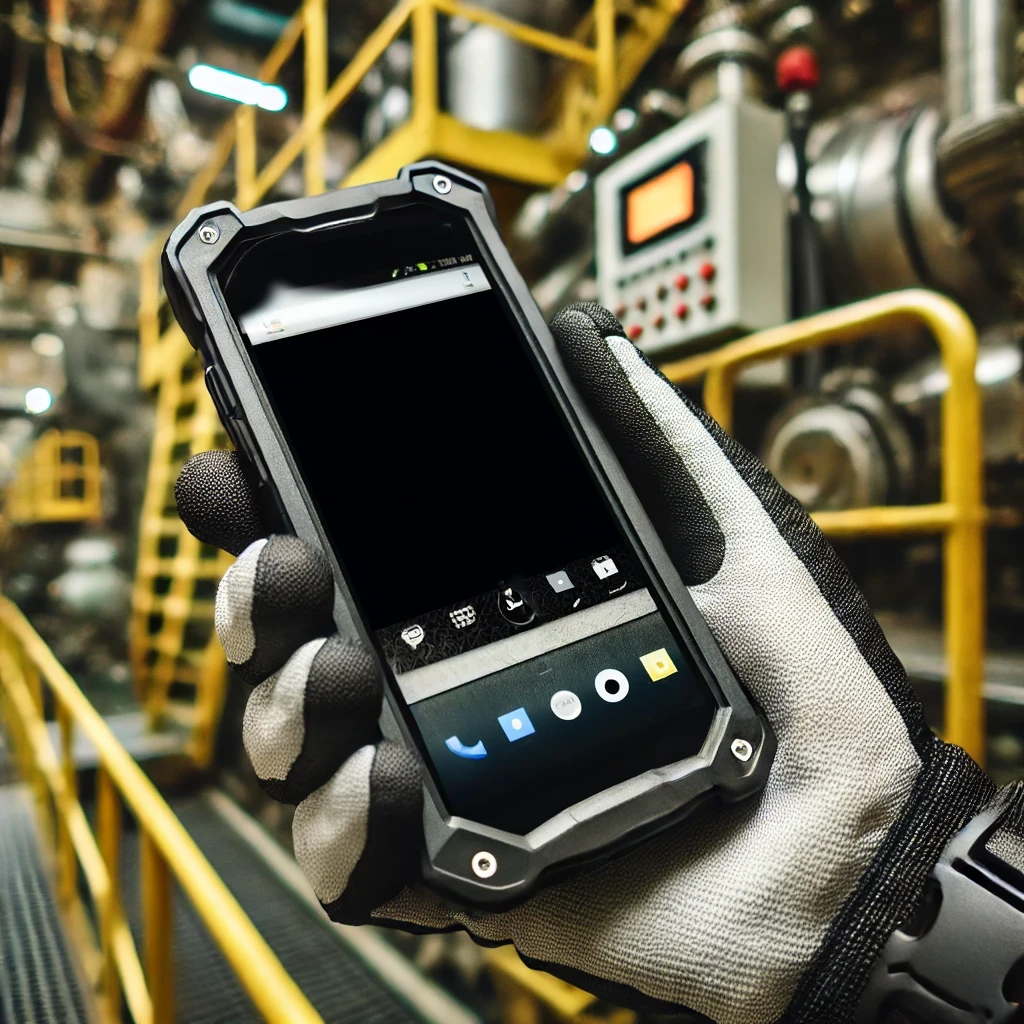
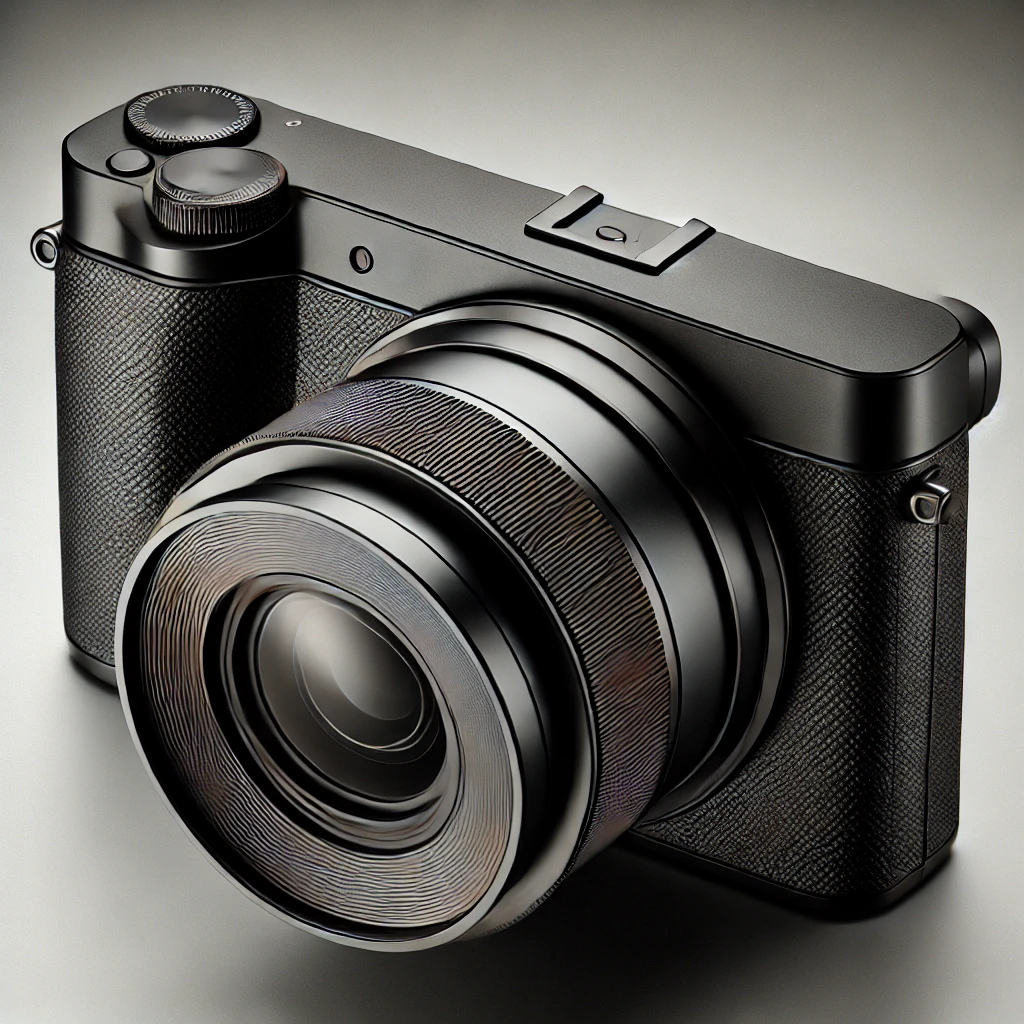
In industries where explosive gases, vapors, or dusts are present, even the most basic tools must meet strict safety requirements. One of the most essential tools for inspection, documentation, and maintenance in these high-risk environments is the intrinsically safe digital camera.
Designed to operate safely in hazardous zones—such as ATEX Zone 1 or NEC Class I Division 1—these cameras enable personnel to capture images and video while minimizing the risk of ignition. Whether you’re inspecting pipelines on an offshore rig, documenting electrical components in a refinery, or performing thermal diagnostics on industrial equipment, using a certified camera is not optional—it’s mission-critical.
In this comprehensive guide, we’ll explain when and why intrinsically safe digital cameras are necessary, compare thermal vs. digital options, showcase the top-rated models from trusted brands, and explore the key features that matter for industrial use.
View our full range of certified cameras for Zone 1 and C1D1 areas designed for hazardous environments.
When and Why to Use an Intrinsically Safe Digital Camera
An intrinsically safe digital camera is a certified imaging device designed to operate safely in explosive atmospheres. These cameras are built to eliminate ignition sources, including electrical sparks, thermal energy, and electrostatic discharge.
The core principle of intrinsic safety is to limit energy—both electrical and thermal—within the device to levels that are too low to ignite a hazardous mixture of gas, vapor, or dust. In doing so, these cameras help prevent workplace accidents and ensure compliance with regulatory safety standards.
Situations That Require Intrinsically Safe Cameras
-
Visual inspections in classified zones
Intrinsically safe cameras are essential for recording equipment conditions in hazardous areas like refineries, chemical plants, and mines. Photos and video provide evidence of wear, corrosion, or abnormal conditions. -
Regulatory documentation
Companies operating in explosive zones are often required to keep visual records for audits, insurance, or maintenance logs. Certified cameras allow documentation without safety violations. -
Thermal diagnostics
For electrical cabinets, motors, or mechanical systems, thermal cameras detect hot spots that indicate faults before they lead to failure or fire. -
Incident investigation
After a system failure or safety breach, intrinsically safe cameras are used to document evidence and conduct root cause analysis without introducing new hazards. -
Confined space entry and remote inspections
In areas with limited access, intrinsically safe cameras equipped with live video or remote triggers provide visibility without sending personnel into dangerous zones.
Benefits of Using Certified Cameras
- Meets ATEX, IECEx, and C1D1 standards
- Reduces the risk of explosions or fires
- Often allows for use without a plant shutdown, subject to site-specific safety procedures
- Lightweight and portable for fieldwork
- Designed to endure extreme conditions: heat, cold, dust, moisture
These advantages make intrinsically safe digital cameras indispensable across many sectors, from energy and manufacturing to chemical processing and transportation.
Digital vs. Thermal Intrinsically Safe Cameras: What’s the Difference?
One of the most common questions is whether a thermal or a digital intrinsically safe camera is the right tool for the job. The answer depends on what you need to capture and analyze.
Intrinsically Safe Digital Cameras
These cameras capture high-resolution images and HD video for general inspection, documentation, and reporting.
- Ideal for: Equipment inspections, walkarounds, incident documentation
- Key features: Photo tagging, zoom, video recording, Wi-Fi transfer
- Example: Bartec Pixavi Cam – full HD video, 8MP stills, rugged housing
Intrinsically Safe Thermal Cameras
These cameras capture heat signatures instead of visible light. They’re used for diagnosing mechanical and electrical systems by detecting thermal anomalies.
- Ideal for: Predictive maintenance, hot spot detection, thermal mapping
- Key features: Thermal and visual overlay, emissivity adjustment, color palettes
- Example: CorDEX TC7000 – thermal fusion imaging with digital capture
Feature Comparison Table
| Feature | Digital Camera | Thermal Camera |
|---|---|---|
| Imaging Type | Visible Spectrum | Infrared/Thermal |
| Primary Use | Documentation & Reporting | Diagnostics & Maintenance |
| File Types | JPG, MP4 | JPG, Radiometric Data |
| Key Features | Zoom, Flash, Time-stamp | Thermal Overlay, Temperature Alarms |
| Ideal Use | Visual logs and inspection | Heat mapping and fault detection |
For many professionals, the best solution is a hybrid device that combines both visual and thermal capabilities in one intrinsically safe unit.
Ensure compliance and safety in hazardous environments. Upgrade to a certified intrinsically safe camera. Get the right certified camera for your hazardous area.
Top Brands and Models Available
The Intrinsically Safe Store features a curated selection of intrinsically safe digital and thermal cameras designed for tough industrial use. Below are the top-performing models.
| Model | Certification | Camera Type | Features | Best Use |
|---|---|---|---|---|
| Bartec Pixavi Cam | ATEX Zone 1, C1D1, IECEx | Digital | 12 MP stills, 4K video, 5x zoom, Wi-Fi 6 | High-res visual inspections, remote collaboration |
| CorDEX ToughPIX II TRIDENT | ATEX Zone 1, IECEx | Digital | 8 MP camera, adaptive LED flash, removable battery, IP54 | Rugged inspections in oil & gas, confined spaces |
| CorDEX TC7000 | ATEX Zone 1, IECEx | Thermal | Thermal imaging + 5MP visual, high contrast display, USB transfer | Predictive maintenance, thermal diagnostics |
| iCAM502 Auto Focus | C1D1, ATEX Zone 1 | Digital | Autofocus, 1 GB internal memory, simple point-and-shoot controls | Photo logging in ultra-hazardous Zone 0 areas |
| Ecom Cube 800 | ATEX Zone 1, IECEx | Digital | HD camera + thermal option, hands-free helmet mount, 4K streaming | Field service documentation, live remote support |
Each of these models is backed by manufacturer warranties, compliant with international safety standards, and compatible with common industry workflows.
What’s Changed in Intrinsically Safe Camera Technology?
The technology behind intrinsically safe cameras is constantly evolving. Recent advancements have focused on improving image quality, connectivity, and usability without compromising safety. Key changes include:
- Higher Resolution Sensors: Newer models now frequently feature sensors with 12MP or more for digital stills and 4K video recording, providing much greater detail for analysis and reporting.
- Improved Connectivity: Wi-Fi 6 and 5G capabilities are being integrated into some devices, allowing for faster data transfer and reliable live streaming for remote expert assistance.
- Enhanced Durability and Ergonomics: Manufacturers are using advanced polymers and more ergonomic designs to make cameras lighter and more resistant to drops, chemicals, and extreme temperatures.
- Smarter Software: On-device software now often includes features like automated tagging, report generation, and integration with cloud-based asset management platforms.
- Evolving Standards: Safety standards such as ATEX and IECEx are periodically updated. Modern cameras are built to comply with the latest revisions, ensuring your operations meet current legal and safety requirements.
Updated Comparison of Current Options
While the table above provides a quick overview, choosing the right camera depends on your specific application. Here’s a more detailed look at the leading models:
Bartec Pixavi Cam: The Leader in Video
This model is the top choice for teams that rely heavily on video for documentation or remote collaboration. Its 4K streaming capability, combined with its Class I, Division 1 certification, makes it a powerful option for teams requiring remote collaboration in hazardous environments.
CorDEX TC7000: For Predictive Maintenance
If your primary goal is diagnostics, the TC7000 is unparalleled. It blends high-quality thermal imaging with a visual camera, allowing you to overlay heat maps on real-world images. This is essential for identifying electrical hot spots or mechanical friction points before they fail.
iCAM502: The Ultimate in Safety and Simplicity
For operations in the most hazardous Zone 0 environments, the iCAM502 is the go-to device. It forgoes complex features for maximum safety and ease of use. Its point-and-shoot functionality ensures that anyone can capture clear documentation without extensive training.
Ecom Cube 800: For Hands-Free Flexibility
The Cube 800’s unique, compact design allows it to be mounted on a helmet, freeing up the operator’s hands for other tasks. This makes it ideal for maintenance workers, inspectors, and anyone who needs to document their work while actively performing it.
Key Features to Evaluate Before Buying
When choosing an intrinsically safe digital camera, it’s important to focus on specifications that impact usability, image quality, and operational reliability in the field.
1. Resolution and Image Quality
- Digital cameras should offer at least 8–12 MP resolution and 1080p HD or 4K video.
- Thermal cameras should feature at least 160×120 thermal resolution for meaningful temperature mapping.
2. Battery Life and Power Options
- Look for cameras with 6+ hours of runtime and removable or hot-swappable batteries.
- Some models offer external battery packs or rapid-charge docks for extended missions.
3. Storage and Transfer
- Minimum 16–64 GB internal or SD card storage is recommended.
- USB, Bluetooth, or Wi-Fi connectivity allows fast image transfer to desktop or cloud storage.
4. Environmental Ratings
- IP54 or higher for dust/water resistance
- Shockproof design with rubberized or reinforced housing
- Operating range of -20°C to 50°C or more for extreme conditions
5. Certification Compatibility
- Always verify ATEX, IECEx, or C1D1/C1D2 certification based on your zone classification.
- Confirm the camera is certified as a complete system, not just for components.
Industry Use Cases
The need for intrinsically safe digital cameras spans several high-risk industries. Here’s how different sectors benefit from using these specialized devices.
Oil & Gas
- Inspections of pipelines, tanks, flanges, and valves
- Visual evidence of leak detection or corrosion
- Thermal scanning of pumps and electrical panels
Chemical Manufacturing
- Documentation of control panels, gauges, and batch processes
- Compliance reporting for hazardous material handling
- Monitoring thermal buildup in mixers and reactors
Utilities and Energy
- Substation and transformer inspections
- Remote monitoring of confined or high-voltage spaces
- Predictive maintenance for HVAC, turbines, and cables
Mining
- Shaft and tunnel visibility in methane-prone areas
- Documentation for blasting, drilling, and underground repair
- Use in rugged, low-light environments
Pharmaceuticals
- Equipment cleaning and changeover validation
- Environmental monitoring in cleanroom zones
- Incident response documentation without introducing contaminants
In all these scenarios, intrinsically safe digital cameras offer a combination of safety, efficiency, and traceability that traditional equipment cannot.
Need help selecting the best camera for your hazardous environment? Our experts are ready to help.
Talk to a Hazardous-Area Specialist Today
Frequently Asked Questions
Can I use a standard camera in a hazardous area if it’s not powered on?
No. Even when off, standard cameras can retain static charge or contain capacitors that may discharge. Only certified intrinsically safe cameras should be brought into hazardous zones.
What certifications are required for explosive environments?
Common certifications include ATEX (Europe), IECEx (International), and NEC Class I Division 1 or 2 (North America). Ensure the camera matches your specific zone classification.
Are there intrinsically safe cameras with live streaming capability?
Yes. Devices like the Ecom Cube 800 and Bartec Pixavi Cam support live streaming and remote collaboration over Wi-Fi or LTE, ideal for remote support and tele-maintenance.
How long do intrinsically safe camera batteries last?
Battery life varies by model but typically ranges from 4 to 10 hours. Field-replaceable batteries or charging docks are recommended for long shifts.
How is data transferred securely from these cameras?
Most modern intrinsically safe cameras offer encrypted data transfer via Wi-Fi, Bluetooth, or a secure USB connection. This ensures that sensitive inspection data is protected from unauthorized access when moving it from the device to a network or reporting system.
Do intrinsically safe cameras require special maintenance or calibration?
While rugged, they do require proper care. Maintenance typically involves regular cleaning of the lens and housing, checking seals for integrity, and following manufacturer guidelines for battery care. Thermal cameras may require periodic calibration to ensure temperature accuracy; check the manufacturer’s recommendations for service intervals.
Are thermal cameras always better than digital?
Not necessarily. Thermal cameras are ideal for diagnostics, while digital cameras are better for documentation and general observation. Some models combine both.
Conclusion
In hazardous industrial environments, the tools you choose can mean the difference between safe operations and catastrophic incidents. The intrinsically safe digital camera is more than just a rugged gadget—it’s a certified, mission-critical tool for safety, compliance, and operational insight.
Whether you need high-resolution photography, video documentation, or thermal diagnostics, there’s a certified camera built for your needs. From the ATEX-approved Bartec Pixavi Cam to the thermal-powered CorDEX TC7000, these devices offer safety without compromise.