Intrinsically Safe Products
Intrinsically Safe Earbuds: Top Picks for 2026 | ISS

In hazardous work environments such as oil refineries, gas plants, chemical factories, and mines, effective communication and personal safety go hand-in-hand. Workers are often exposed to high-decibel noise, flammable materials, and volatile gases. Under these conditions, conventional audio devices simply won’t do—they could be dangerous, non-compliant with safety regulations, and ineffective in blocking noise.
Enter intrinsically safe earbuds—a category of audio technology built specifically to operate safely in environments with explosion risks while offering noise attenuation and clear communication. This article explores what makes these earbuds safe, how to identify compliant products, and which model currently stands out as the best choice for industrial applications.
What Are Intrinsically Safe Earbuds?
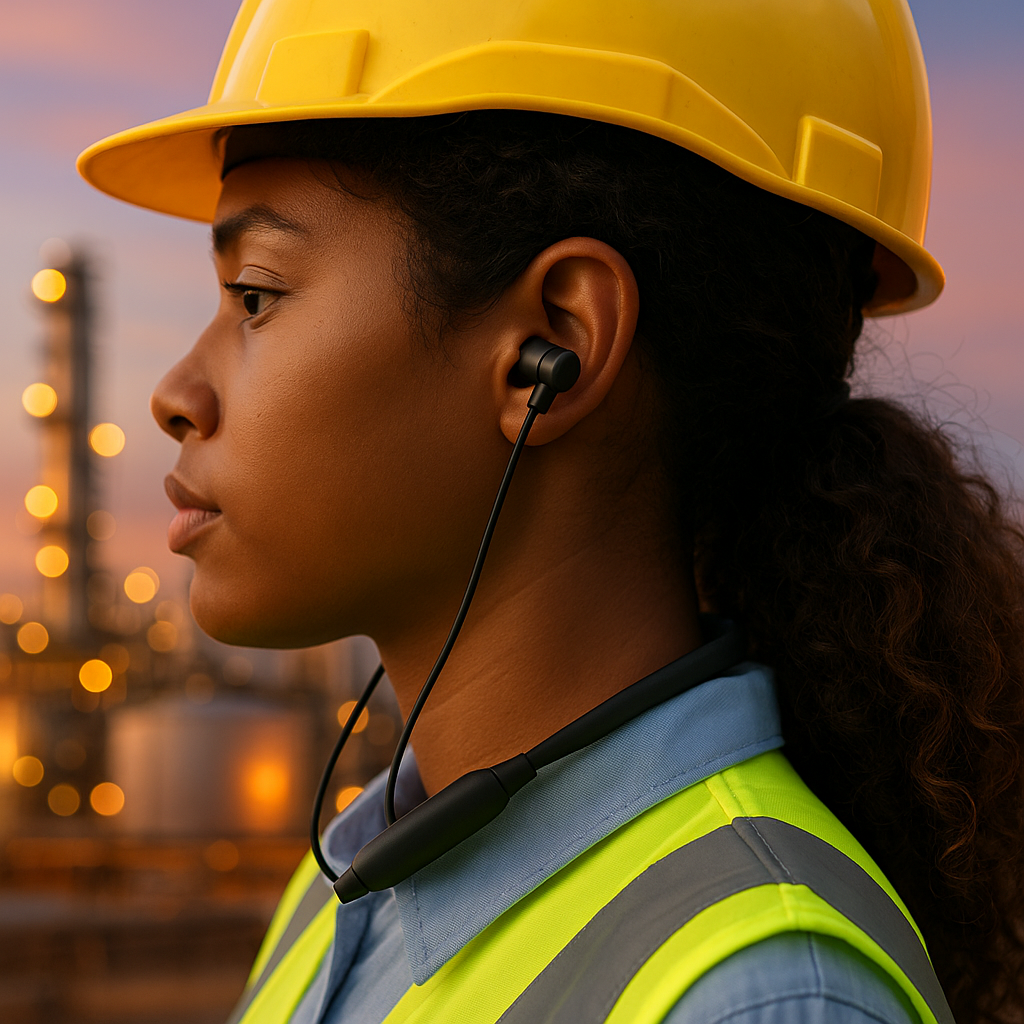
Intrinsically safe earbuds are specialized audio accessories designed for use in environments where explosive gases, vapors, or dust are present. These devices are engineered to prevent ignition by ensuring that the electrical and thermal energy they emit is always below the level required to ignite a hazardous atmosphere.
Key Characteristics:
-
Explosion Protection: The circuits are sealed and regulated to avoid sparking or excessive heat.
-
Certification Compliance: Must meet ATEX, IECEx, UL913, or similar international safety standards.
-
Durability: Built to withstand industrial stressors like vibration, moisture, and extreme temperatures.
-
Noise Reduction: Often used in conjunction with communication headsets to reduce ambient noise.
Unlike consumer-grade earbuds, intrinsically safe earbuds undergo rigorous testing and certification to ensure they will not trigger an explosion or fire in high-risk environments.
Why Are Intrinsically Safe Earbuds Necessary in High-Risk Industries?
Many industrial sectors are classified as hazardous due to the presence of flammable substances. In these settings, any electrical device used must adhere to strict safety requirements. Earbuds used for communication or hearing protection in these zones must be certified as intrinsically safe.
Main Reasons for Use:
-
Explosion Prevention: Minimizing any chance of ignition from electronic components.
-
Occupational Safety Compliance: Regulatory mandates (e.g., OSHA, MSHA) often require certified equipment.
-
Worker Communication: Facilitates two-way communication in environments where shouting is ineffective.
-
Hearing Protection: Reduces the risk of long-term hearing loss due to loud machinery or tools.
Failure to use intrinsically safe equipment can result in legal liabilities, catastrophic accidents, or both.
Certifications to Look For in Intrinsically Safe Earbuds
Before purchasing intrinsically safe earbuds, it’s important to verify that the product has been independently tested and certified for use in hazardous environments.
Common Certifications:
-
ATEX (EU Directive 2014/34/EU): Required for equipment used in explosive atmospheres within the EU.
-
IECEx: An international standard for explosion-proof electrical equipment.
-
UL913: U.S. certification for intrinsically safe equipment used in Class I, II, and III hazardous locations.
-
CSA: Canadian equivalent that often overlaps with U.S. requirements.
An earbud product meeting one or more of these certifications is deemed safe for use in explosive or flammable environments.
Recommended Product: Sensear Replacement Earbuds for Double Protection Headsets
One of the top-rated solutions currently available on the market is the Sensear Replacement Earbuds for Double Protection Headsets. These earbuds are designed specifically for compatibility with Sensear’s SM1P and SM1PW headsets, which are widely used in hazardous industries.
Product Highlights:
-
Purpose-Built Design: Developed for use in hazardous industrial settings.
-
Certifiable Safety: Designed to meet intrinsic safety standards when paired with compliant headsets.
-
Durability: Engineered to resist harsh conditions including dust, moisture, and rough handling.
-
User Comfort: Compatible with a variety of foam and silicone tips to fit diverse ear sizes.
-
Seamless Integration: Easily replace damaged or worn earbuds without altering headset functionality.
These replacement earbuds allow workers to maintain effective communication without compromising safety, and they help extend the life of certified headsets.
Best Use Cases for Intrinsically Safe Earbuds
Not all noisy work environments are hazardous, but those that are require specialized safety equipment. The Sensear earbuds are particularly well-suited for the following industries and scenarios:
-
Oil and Gas Rigs: Where flammable gases and liquids are a constant presence.
-
Chemical Processing Plants: Exposure to vapors and dusts requires certified audio gear.
-
Mining: Both above-ground and underground operations face explosion risks.
-
Pharmaceutical Manufacturing: Cleanroom environments often require both safety and communication gear.
-
Energy Utilities: High-voltage and combustible materials in power plants necessitate compliant communication systems.
These earbuds offer a solution that balances safety, usability, and regulatory compliance across multiple high-risk industries.
How to Choose the Right Intrinsically Safe Earbuds
Choosing the right product goes beyond just checking for certifications. Consider the following factors:
1. Compatibility
Ensure the earbuds are compatible with your existing intrinsically safe headsets or communication systems.
2. Environmental Conditions
Look at the durability rating—will they withstand dust, heat, and vibration?
3. Certifications
Only select earbuds that are either intrinsically safe on their own or are part of a certified system.
4. Comfort and Fit
Workers wear these for extended periods; multiple tip options can improve comfort and fit.
5. Replaceability
Choose a product that is easy to maintain and replace, like the Sensear Replacement Earbuds.
Need Help Choosing the Right Earbuds?
Schedule a call with a specialist to find the safest and most compatible solution.
Talk to a Safety Expert
Comparison Table
| Feature | Sensear Replacement Earbuds |
|---|---|
| Certifications | Intrinsically Safe Compliant |
| Noise Reduction | Yes (with compatible headsets) |
| Durability | High |
| Custom Fit Tips Available | Foam, Silicone (sold separately) |
| Headset Compatibility | SM1P, SM1PW (IS/Ex versions) |
| Ideal Applications | Oil & Gas, Chemical, Mining |
Best Choice By Use Case
| Industry | Recommended Product | Key Features |
|---|---|---|
| Oil & Gas | Sensear SM1P-Ex | ATEX/IECEx certified, SENS® technology for speech enhancement, Bluetooth connectivity, 24-hour battery life. |
| Chemical Manufacturing | 3M™ PELTOR™ Intrinsically Safe MT Series | FM approved, noise-canceling microphone, available in headband, neckband, and hard hat configurations. |
| Mining | ecom SM1P-ExDP Double Protection Headset | Dual protection (earplugs and earmuffs), ATEX/IECEx certified, SENS® technology, Bluetooth enabled. |
| Pharmaceutical Manufacturing | Elgin Rumble Bluetooth Earplug Earbuds | OSHA-compliant, 27 dB NRR, Bluetooth connectivity, designed for high-noise environments. |
| Construction | ISOtunes Xtra 2.0 | OSHA-compliant, 27 dB NRR, Bluetooth 4.1, 8-hour battery life, sweat and water-resistant (IP45). |
FAQs
What does “intrinsically safe” mean?
“Intrinsically safe” refers to a design standard for electrical equipment that ensures it will not cause ignition in explosive environments. This is achieved by limiting the energy (both electrical and thermal) emitted by the device.
Can I use these earbuds without a headset?
No. The Sensear Replacement Earbuds are designed to work specifically with Sensear’s intrinsically safe headsets. Using them independently or with non-certified devices can compromise safety.
Are these earbuds OSHA-compliant?
When used as part of a certified headset system like the Sensear SM1P or SM1PW, these earbuds help meet OSHA standards for communication and hearing protection in hazardous areas.
How do I clean and maintain intrinsically safe earbuds?
Wipe the earbuds gently with a soft cloth and approved cleaning agent. Avoid using excessive moisture or abrasive materials. Always check for wear and replace tips regularly to maintain hygiene and comfort.
Are foam or silicone tips better?
Foam tips provide superior noise isolation and are more comfortable for long wear, while silicone tips are more durable and easier to clean. The right choice depends on your work environment and personal preference.
Conclusion
In high-risk industrial environments, intrinsically safe earbuds are not a luxury—they’re a necessity. They allow teams to communicate effectively while adhering to strict safety regulations. The Sensear Replacement Earbuds for Double Protection Headsets offer a practical, reliable solution for teams operating in explosive or hazardous environments. With a solid blend of comfort, durability, and certified safety, they stand out as a top choice for professionals in oil, gas, mining, and chemical industries.
For industrial leaders looking to equip their teams with the best in safety and performance, intrinsically safe earbuds are an investment in compliance, communication, and worker well-being.