Intrinsically Safe Products
Intrinsically Safe Earpieces: Safe Communication Accessories for Hazardous Areas
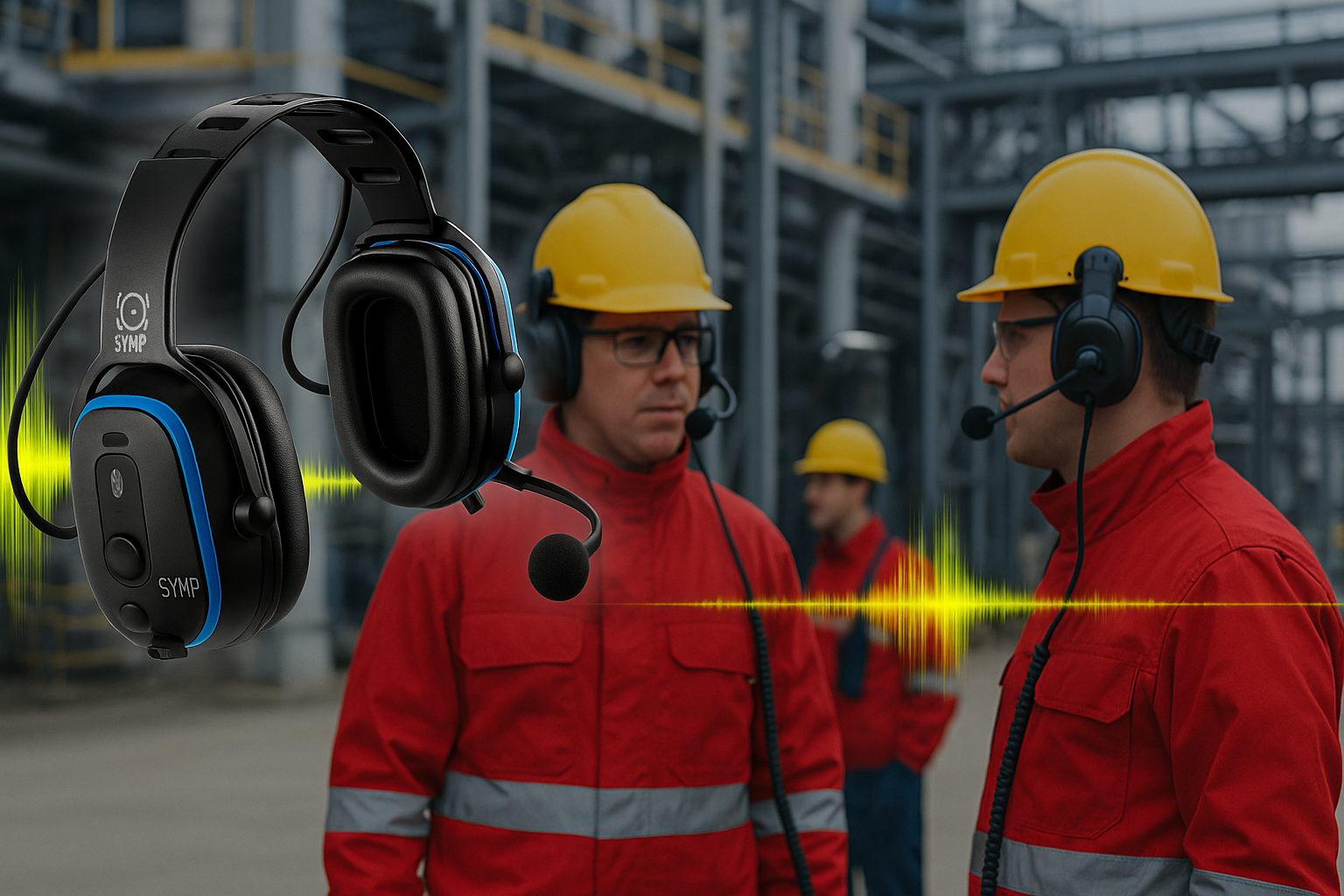
Clear and reliable communication is essential in hazardous work environments, especially when workers must maintain situational awareness while staying hands-free. An intrinsically safe earpiece provides a safe, certified, and dependable audio accessory designed for use in explosive atmospheres—such as refineries, chemical plants, oil rigs, food processing, grain storage, mining, and pharmaceutical facilities.
In this guide, you’ll learn how intrinsically safe (IS) earpieces work, what certifications they must carry, how they integrate with radios and mobile devices, and how to choose the right model for your hazardous-area communication system.
What Is an Intrinsically Safe Earpiece and How Does It Work?
An intrinsically safe earpiece is a communication accessory engineered to operate safely in environments with flammable gases, vapors, dusts, or fibers. IS earpieces must limit electrical and thermal energy so that they cannot cause ignition of an explosive atmosphere.
How Intrinsically Safe Earpieces Prevent Ignition
-
All electrical components operate at extremely low voltage.
-
Earpieces use sealed designs or reinforced insulation to block spark propagation.
-
Wiring is shielded to prevent static discharge.
-
Materials are chosen to avoid heat buildup, friction sparks, or charge accumulation.
These devices are essential in facilities operating under ATEX, IECEx, or NEC Class/Division standards.
Need certified communication equipment for hazardous locations?
What Certifications Must an Intrinsically Safe Earpiece Have?
To be approved for hazardous area use, an intrinsically safe earpiece must carry certifications verifying it meets electrical safety requirements for explosive environments.
Common IS Certifications
-
ATEX (EU): Required for use in European explosive atmospheres.
-
IECEx (International): Confirms compliance with international Ex standards.
-
UL or CSA (North America): Approves devices for NEC Class I, II, III Divisions 1 or 2.
-
FM Approvals: Independently tests and validates explosion protection.
Why Certification Matters
Using a non-certified earpiece in a hazardous zone—even when paired with a certified radio—voids compliance and reintroduces ignition risk.
A communication system is only as safe as its least-protected component.
Learn more about ATEX and IECEx certification requirements:
How Do Intrinsically Safe Earpieces Support Radio and Mobile Compatibility?
IS earpieces must work seamlessly with intrinsically safe radios, smartphones, and push-to-talk devices.
Compatible Devices Often Include:
-
Motorola IS radios (e.g., DP4401Ex, MOTOTRBO ATEX models)
-
Ecom and i.safe MOBILE IS smartphones/tablets
-
Sonim ultra-rugged IS phones
-
Kenwood and Hytera IS digital radios
-
PTT-over-LTE devices used in petrochemical and utility operations
What Ensures Compatibility?
-
Certified connectors: ATEX/IECEx approval applies to the connector itself.
-
Shielded wiring: Prevents electrical noise or spark risk at connection points.
-
Push-to-talk (PTT) options: Wired or in-line PTT modules for hands-free use.
-
Earbud and speaker types: Acoustic tube, in-ear, or over-the-ear designs.
Ensure your earpiece is fully compatible with certified IS radios.
What Are the Main Types of Intrinsically Safe Earpieces?
Different industries need different communication styles based on noise levels, PPE use, and safety protocols.
Acoustic Tube Earpieces
Used commonly in security, industrial, and inspection tasks.
Benefits: clear speech, discreet, easy to sanitize.
In-Ear Industrial Earpieces
Ideal for noisy areas where clear audio is needed under helmets or earmuffs.
Bone Conduction Earpieces
Transmit sound through vibrations instead of airwaves—useful when hearing protection must remain on at all times.
Throat Mic + Earpiece Combinations
Used in extreme-noise environments like drilling rigs or heavy manufacturing.
Where Are Intrinsically Safe Earpieces Required in Hazardous Zones?
IS communication accessories are required in any environment where workers must communicate while surrounded by ignition hazards.
Common Ex Zone Applications
-
Oil & Gas: Drilling platforms, wellheads, pipeline operations
-
Chemical Plants: Mixing, blending, reactor areas
-
Refineries: Hydrocarbon processing units, tank farms
-
Mining: Coal dust, methane-rich areas
-
Food & Beverage: Grain elevators, sugar mills, flour processing
-
Pharmaceutical: Solvent processing rooms
-
Utilities & Water Treatment: Areas with methane release or chemical vapors
Hands-free communication is essential during lockout/tagout, maintenance, confined space entry, and emergency response.
Top Intrinsically Safe Earpieces
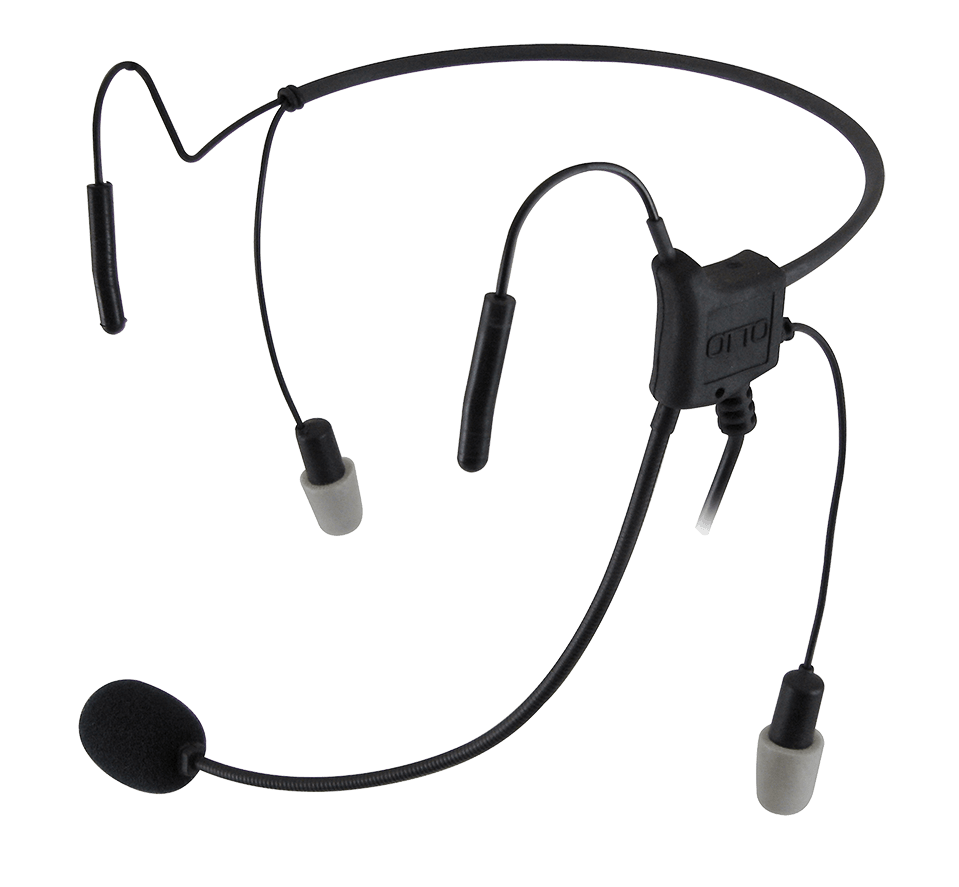
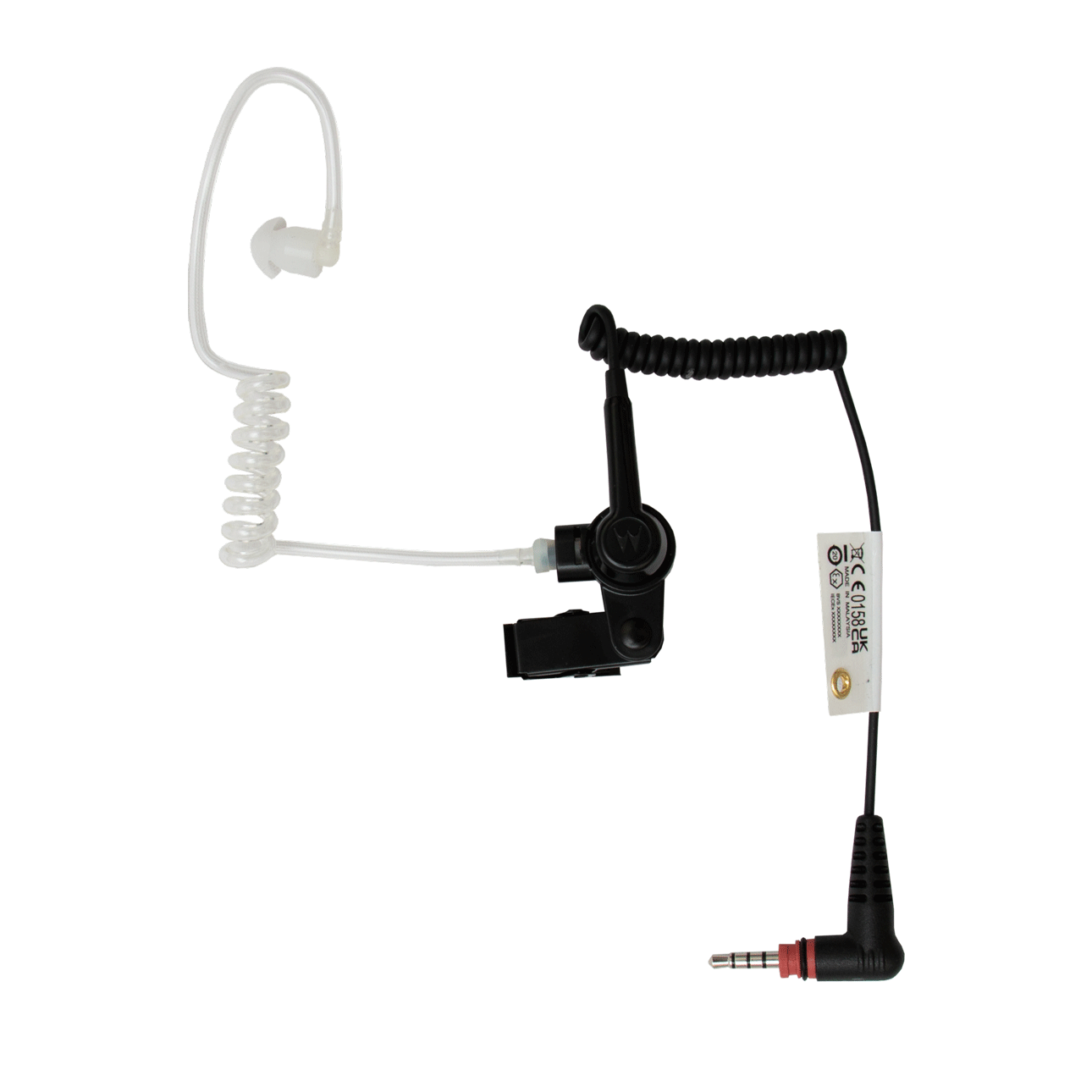

Intrinsically Safe Earpiece Comparison Table
| Product | Certifications | Style | Compatible Radios/Devices | Best Use Case |
|---|---|---|---|---|
| OTTO Intrinsically Safe Surveillance Earpiece | ATEX, UL IS | Acoustic tube | Motorola ATEX models | Security, inspections, general industry |
| OTTO IS Noise-Cancelling Earpiece with PTT | UL, IECEx | In-ear + inline PTT | Oil & gas radios, industrial radios | High noise, heavy PPE |
| 3M Peltor ATEX-Compatible Earpiece Adapter Kit | ATEX | Ear protection + comms | ATEX radios with Peltor adapters | Extreme noise, helmets, refineries |
How to Choose the Right Intrinsically Safe Earpiece
Choosing the best accessory depends on your noise environment, PPE requirements, and communication system.
Key Factors to Consider
-
Certification Matching: ATEX Zone 1 → Choose earpieces rated for Zone 1.
-
Radio Compatibility: Ensure pin-configuration and connector type match the IS radio.
-
Noise Level:
-
<85 dB → Standard acoustic tube
-
85–100 dB → In-ear with noise isolation
-
100 dB → Bone conduction or earmuff-integrated systems
-
-
Work Conditions:
-
Confined spaces → low-profile earpieces
-
Offshore rigs → rugged, waterproof designs
-
PPE use → Earpieces that integrate with helmets/muffs
-
Need help choosing the right intrinsically safe earpiece for your environment?
Installation & Safety Requirements for Intrinsically Safe Earpieces
Safety Best Practices
-
Only use earpieces explicitly certified for the same classification as the radio.
-
Never modify wiring, tubing, or connectors.
-
Keep connectors clean to avoid static buildup.
-
Inspect cables regularly for wear, abrasion, or crushed segments.
-
Ensure workers are trained to recognize certification marks.
Communication Protocols for Hazardous Areas
-
Use PTT with locking features when hands are occupied.
-
Follow hot work and gas detection procedures when entering hazardous zones.
-
Ensure radios and earpieces are included in annual Ex equipment audits.
Benefits of Using an Intrinsically Safe Earpiece in Hazardous Environments
Improved Safety
Reduces risk of ignition from electrical components.
Hands-Free Efficiency
Workers can operate tools, climb ladders, or maneuver equipment while communicating.
Clearer Communication
Reduces misunderstandings that lead to operational errors or downtime.
Compliance
Meets ATEX, IECEx, and OSHA requirements for hazardous-area communication.
FAQs About Intrinsically Safe Earpieces
What makes an earpiece “intrinsically safe”?
It must limit electrical and thermal energy to levels that cannot ignite explosive gases, vapors, or dusts and must be certified under recognized IS standards.
Can I use a non-IS earpiece with an IS radio?
No. Doing so breaks the intrinsic safety system and reintroduces ignition risk.
Are intrinsically safe earpieces waterproof?
Many are water-resistant or waterproof, but check each product's IP rating for specific protection levels.
Do IS earpieces work with smartphones?
Yes, but only with certified intrinsically safe smartphones such as those from i.safe MOBILE, Ecom, or Sonim.
Can earpieces be shared among workers?
Yes, but proper sanitation—including alcohol wipes or replaceable acoustic tubes—is recommended.
Do I need ATEX or IECEx certification?
Use whichever certification aligns with your region’s regulatory requirements and your site safety plan.
Ready to upgrade your hazardous-area communication system?
Conclusion: Why Choosing the Right Intrinsically Safe Earpiece Matters
Selecting the correct intrinsically safe earpiece is essential for safe, reliable communication in explosive atmospheres. With certified accessories designed for compatibility with ATEX, IECEx, UL, and NEC hazardous-location radios and mobile devices, workers remain connected without compromising safety. Whether your site involves flammable gases, combustible dusts, or volatile chemicals, the right IS earpiece ensures clear communication, improved productivity, and compliance.
For certified communication accessories built for hazardous area operations, explore the full selection at the Intrinsically Safe Store.