Intrinsically Safe Products
Remote Industrial Work? Don’t Forget These Intrinsically Safe Essentials
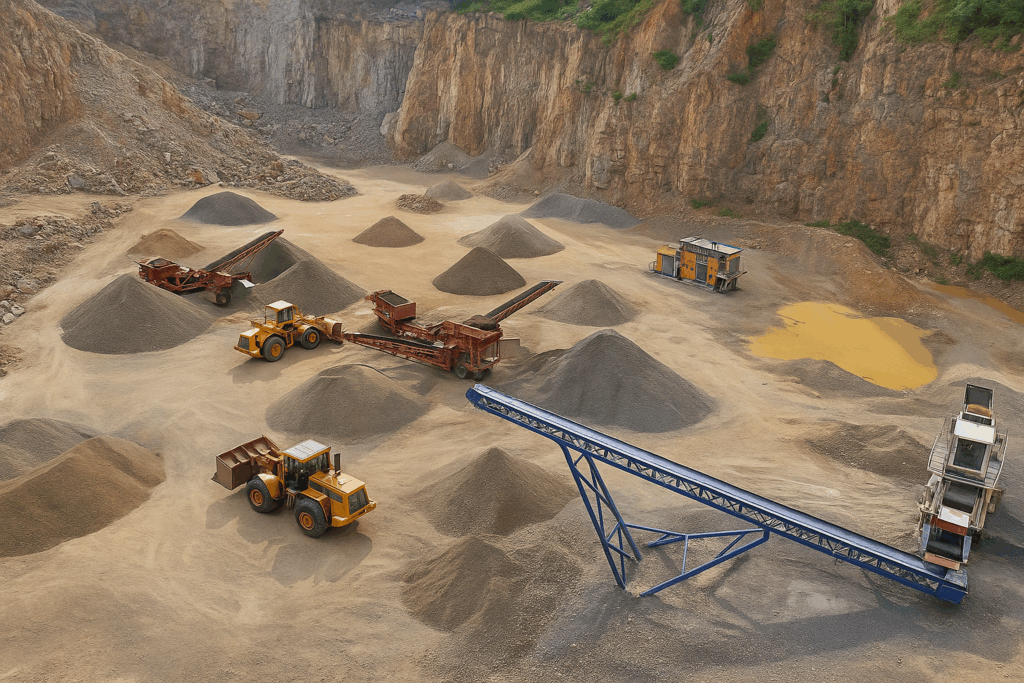
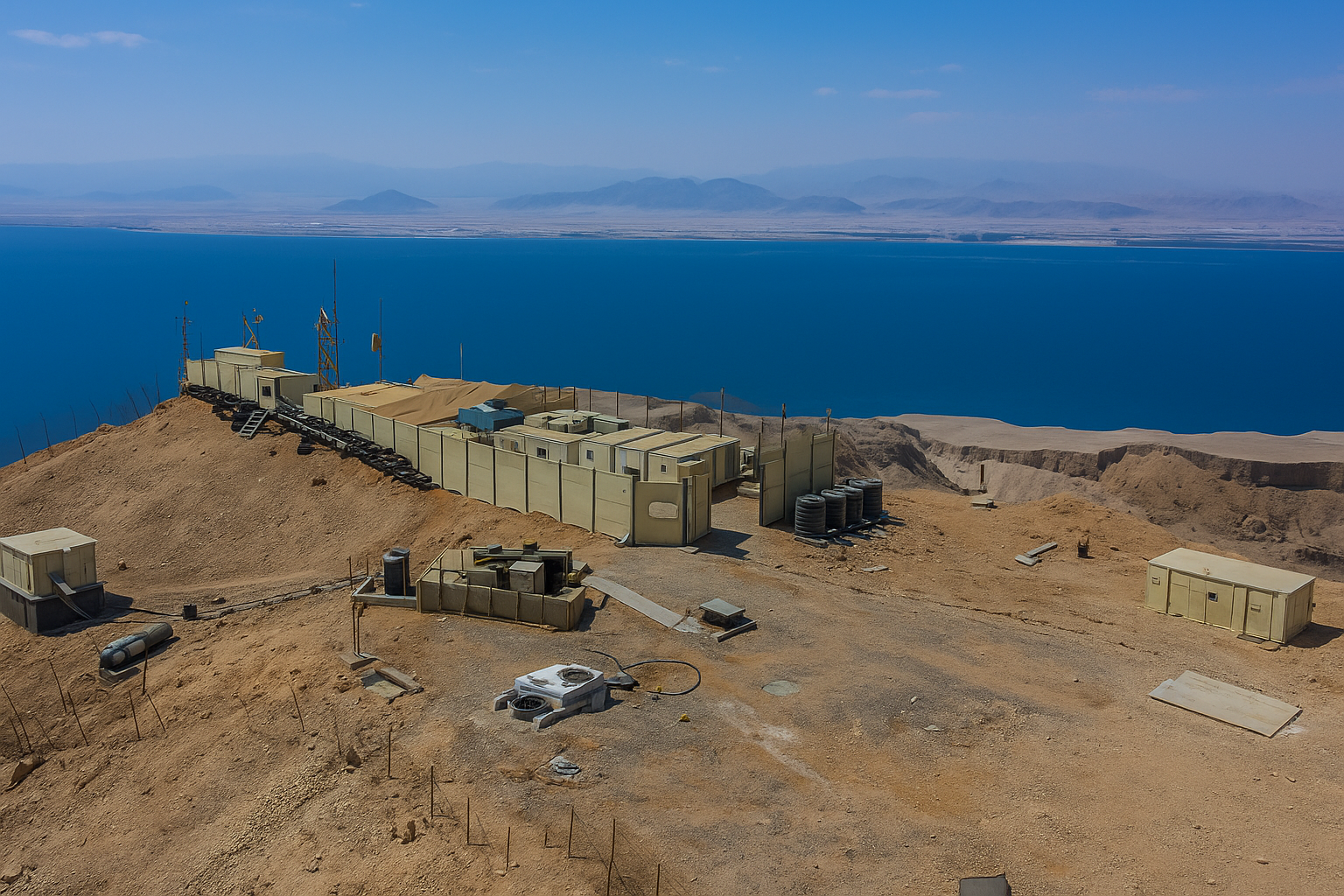
Working in remote industrial environments—from oilfields and refineries to chemical plants and offshore rigs—requires tools that meet rigorous safety standards. When explosive gases, dust, or volatile materials are present, using the wrong equipment could trigger disaster. That’s why intrinsically safe gear is non-negotiable for teams working far from support or infrastructure.
In this guide, we explore the best intrinsically safe essentials for remote work. These devices are certified to operate safely in hazardous zones while delivering the durability, functionality, and connectivity needed for field productivity.
What Is Intrinsically Safe for Remote Work?
“Intrinsically safe” means equipment is engineered to prevent ignition of flammable gases or dust. This is achieved by limiting electrical and thermal energy so that sparks or high heat cannot be generated. For remote industrial work, intrinsically safe devices:
-
Comply with ATEX, IECEx, or UL913 certifications
-
Resist extreme temperatures, shocks, dust, and water
-
Support reliable communication, data capture, and monitoring
The keyword isn’t just safety—it’s resilience. Devices must work reliably with minimal infrastructure and be easy to operate with gloved hands, in poor weather, or in low-visibility conditions.
Many remote environments lack stable internet, grid power, or rapid response support. In these contexts, intrinsically safe devices not only prevent ignition but also serve as operational lifelines—keeping personnel connected, informed, and coordinated.
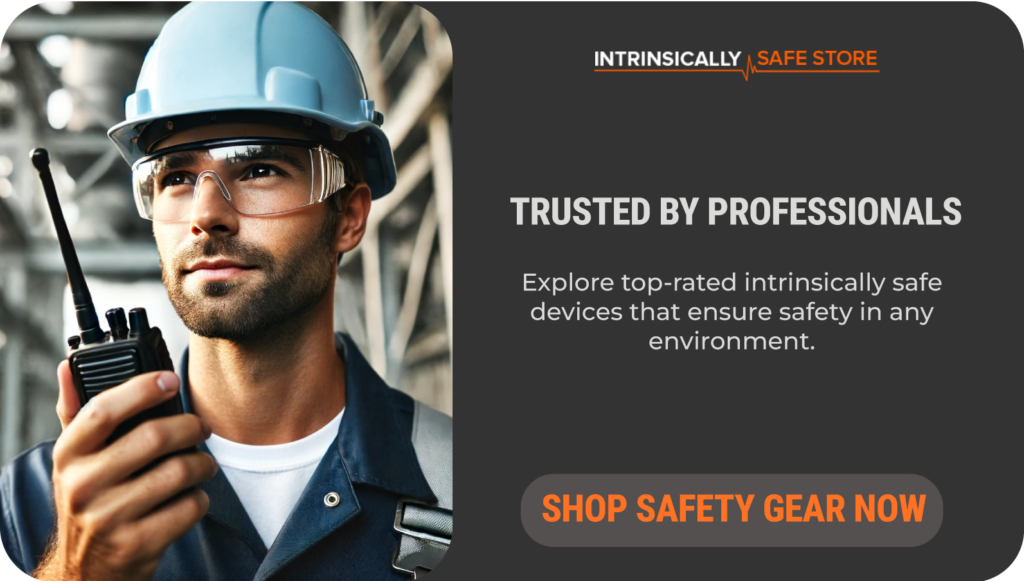
Must-Have Intrinsically Safe Devices for Remote Sites
i.Safe Mobile IS520.1 Smartphone
This rugged smartphone is purpose-built for hazardous zones and remote locations. Certified to ATEX Zone 1/21 and IECEx standards, it provides powerful performance in a compact, glove-friendly design.
Key Features:
-
LTE, Wi-Fi, NFC, and Bluetooth connectivity
-
Loudspeaker and noise-canceling microphone for high-noise environments
-
IP68 rated for dustproof and waterproof performance
-
Android OS for easy app integration
Use Case: Ideal for field inspections, work orders, data collection, and VoIP in remote zones with flammable gases or dust. Technicians can scan barcodes, capture high-resolution images, or report back to headquarters using secure enterprise apps.
Ecom TETRA THR9 Ex Two Way Radio
This radio is one of the most cost-effective, intrinsically safe two-way communication tools available. Designed for mission-critical communication, it’s reliable in rugged, explosive-prone environments.
Key Features:
-
Intrinsically safe with ATEX/IECEx certification
-
Large display with intuitive UI
-
Emergency call and GPS capabilities
Use Case: Remote workers who require dependable push-to-talk communication without relying on cellular networks. Ideal for pipeline inspections, remote maintenance crews, or off-grid chemical facilities.
Rugged Edge EdgeOne IoT Hub
The EdgeOne is a compact, intrinsically safe IoT hub designed for remote data gathering and communication. It connects sensors, instruments, and mobile devices to a unified platform.
Key Features:
-
Intrinsically safe and rugged housing
-
Supports edge analytics and real-time data streaming
-
Multiple I/O ports and wireless protocols
Use Case: Monitoring pipeline pressure, gas detection, or temperature in the field without relying on external networks. Data collected can be processed locally and transmitted to a command center via satellite or cellular uplink.
How to Choose the Right Intrinsically Safe Gear
Which certifications matter?
Always match your equipment to the hazard zone classification:
-
Zone 0/1/2 (gas) or 20/21/22 (dust)
-
Class I Division 1 or 2 (North America)
Check for ATEX, IECEx, or UL913 certifications clearly labeled on the device. Also verify environmental ratings like IP68 and drop resistance.
Is connectivity a priority?
For remote diagnostics or mobile forms, go with a smartphone like the IS520.1. It allows teams to run mobile CMMS software, report maintenance tasks, and upload safety reports from the field.
Do you need edge computing or IoT features?
The EdgeOne Hub offers data capture and analytics in the field, reducing downtime and enabling real-time decision-making. It’s ideal for remote zones where central cloud access is intermittent.
Can the device withstand the environment?
Ensure the device has an IP rating of 65 or higher, MIL-STD-810G durability, and chemical resistance. Remote environments are often exposed to salt, dust, rain, and impact hazards.
Not sure which device fits your team’s needs?
Schedule a free call with our hazardous area expert and get personalized guidance.
Talk to an Expert ➜
Frequently Asked Questions
What makes a device intrinsically safe?
It limits electrical and thermal output to prevent sparks or ignition in explosive atmospheres. It must be certified for specific hazard zones (e.g., ATEX Zone 1).
Can I use regular smartphones or radios in hazardous areas?
No. Only certified intrinsically safe devices should be used. Non-certified gear can ignite gases or dust and lead to catastrophic failures.
How do I know if a product is certified?
Look for certifications printed directly on the device (e.g., ATEX, IECEx, UL913). Also, verify the zone or class/division rating matches your site’s classification.
Do intrinsically safe devices cost more?
Yes, due to the engineering required for certification and durability. However, they dramatically reduce risk and meet compliance requirements. The cost is an investment in worker safety, equipment longevity, and operational continuity.
What accessories should I consider?
Use certified accessories only—batteries, chargers, straps, and mounts should all maintain intrinsic safety standards to preserve compliance. Also consider protective cases and wearable holsters for easy field mobility.
Best Practices for Remote Industrial Teams
-
Conduct a hazard analysis to classify each site’s zone rating
-
Assign gear based on job function: phones for supervisors, radios for general crews, and IoT hubs for data engineers
-
Regularly inspect devices for wear or damage, especially gaskets, ports, and buttons
-
Train all personnel on proper use and emergency communication protocols
-
Use a device management platform to update software remotely and monitor performance
By combining the right devices with good practices, remote teams can work safer, smarter, and with fewer disruptions.
Conclusion
Remote work in industrial environments demands more than just rugged gear—it requires certified, intrinsically safe equipment that meets the highest standards for safety and performance. Whether it’s the powerful i.Safe IS520.1 smartphone, the reliable Ecom TETRA THR9 Ex radio, or the intelligent Rugged EdgeOne IoT Hub, each plays a vital role in keeping your team connected and safe.