Intrinsically Safe Products
Intrinsically Safe Thermal Cameras: Uses, Certifications & Buying Guide
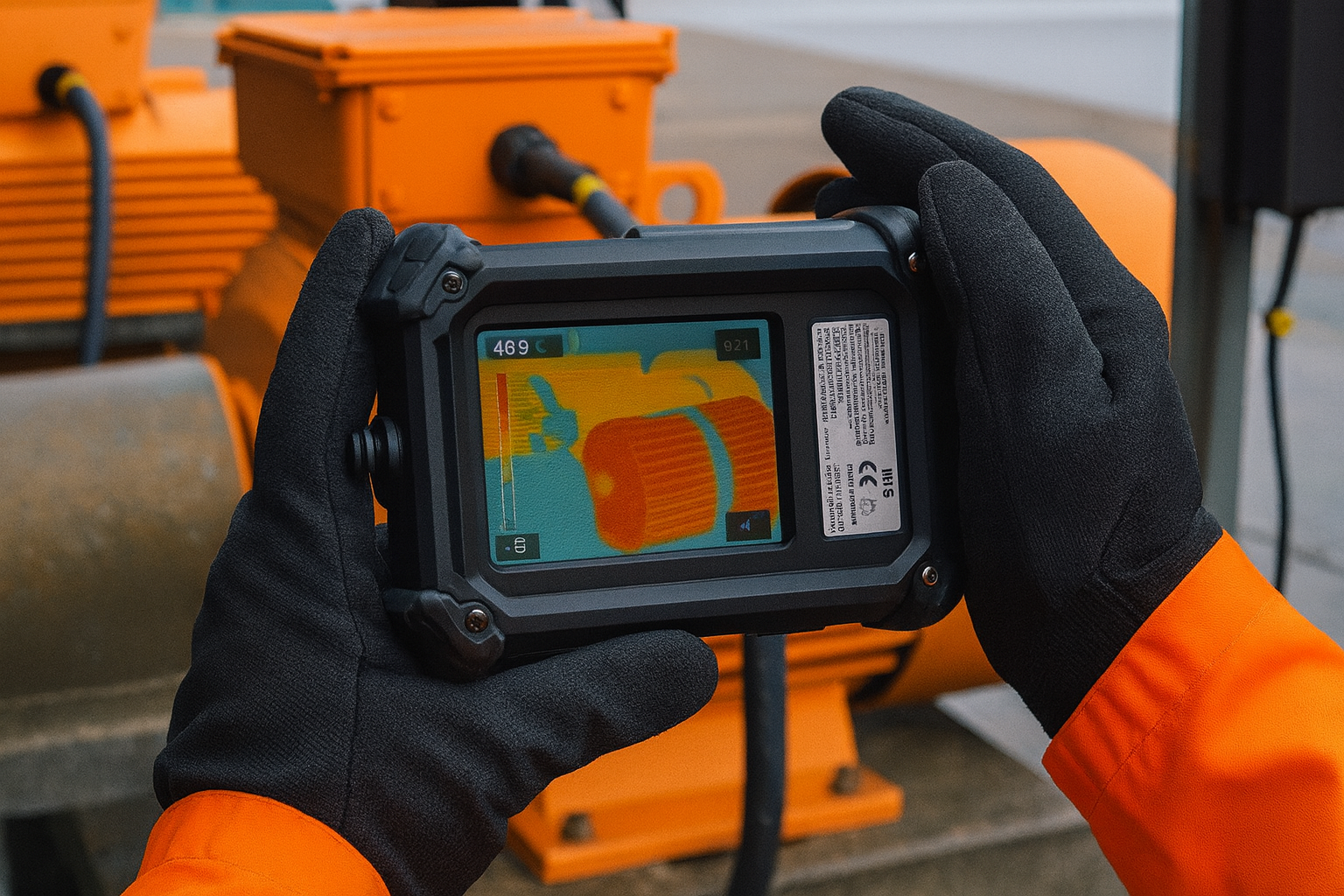
As industries move toward more efficient, data-driven maintenance and safety strategies, thermal imaging has become an essential tool for detecting equipment failures before they occur. But in hazardous locations—where flammable gases, vapors, or combustible dusts are present—using a regular thermal camera isn’t just unsafe, it’s prohibited. Instead, workers rely on an intrinsically safe thermal camera, a device engineered to capture thermal data without introducing any ignition risk.
This guide explains what intrinsically safe thermal cameras are, how they’re used in predictive maintenance and inspection safety, the certifications they must meet, and how to choose the right one for your hazardous-location operations. You’ll also find product references exclusively from IntrinsicallySafeStore.com’s approved category to ensure compliance and reliability.
Looking for certified intrinsically safe thermal cameras for hazardous areas?
Explore our approved range of imaging devices designed for safe inspections and predictive maintenance.
What Is an Intrinsically Safe Thermal Camera?
An intrinsically safe thermal camera is designed to capture infrared heat signatures while ensuring the device cannot ignite an explosive atmosphere. This includes eliminating sparks, preventing circuit overheating, and ensuring that no internal component can release enough energy to trigger ignition.
These cameras are critical in:
-
Oil & gas operations
-
Chemical plants
-
Refineries
-
Mines
-
Hazardous manufacturing zones
Even tiny energy discharges can cause catastrophic explosions in these environments, making intrinsic safety a life-saving requirement.
How Do Intrinsically Safe Thermal Cameras Improve Predictive Maintenance?
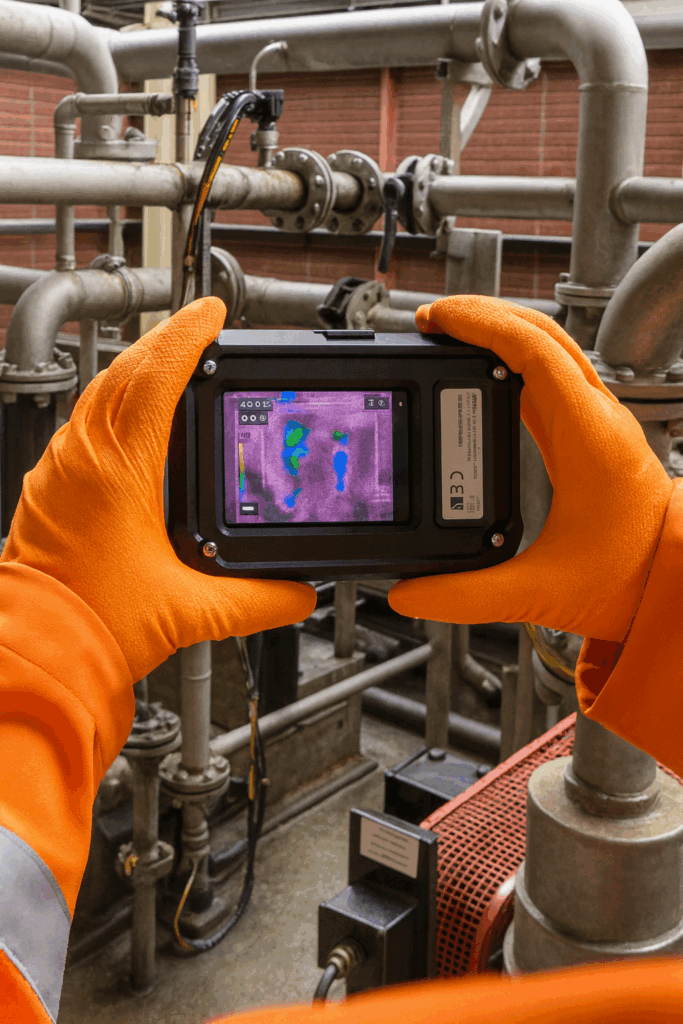
Predictive maintenance relies on early detection of abnormal temperature patterns. An intrinsically safe thermal camera allows inspectors to diagnose issues before failure while operating directly inside hazardous zones.
These cameras help detect:
-
Overheating bearings and motors
-
Electrical resistance in loose or corroded connections
-
Pump and compressor overload
-
Internal insulation breakdown
-
Misalignment leading to friction hotspots
Thermal imaging–based predictive maintenance can:
-
Reduce unplanned downtime by up to 45%
-
Extend equipment life by 20–30%
-
Lower maintenance costs by up to 40%
These metrics are aggregated from multiple reliability engineering publications and industrial maintenance surveys.
Need expert guidance to choose the right thermal camera?
Talk to our specialists for product recommendations, technical support, and fast quotes.
How Do These Cameras Improve Inspection Safety in Hazardous Locations?
Intrinsically safe thermal cameras significantly reduce risk during visual and thermographic inspections. Workers can observe equipment from a safe distance while keeping systems running.
These devices improve safety by:
-
Enabling non-contact temperature monitoring
-
Allowing real-time detection of abnormal heat patterns
-
Eliminating the need for opening energized panels
-
Reducing reliance on hot-work permits
-
Supporting safer nighttime or low-visibility inspections
Because the devices are certified safe for hazardous environments, teams maintain compliance while improving inspection efficiency.
How Does Thermal Imaging Help With Fault Detection in Hazardous Environments?
Thermal imaging identifies faults before they become emergencies. In hazardous environments, early detection is not only about preventing equipment failure—it is also about mitigating fire, explosion, and environmental risks.
An intrinsically safe thermal camera helps detect:
-
Short circuits before arcing occurs
-
Leaks causing unexpected temperature drops
-
Electrical imbalance in switchgear
-
Hotspots in high-voltage equipment
-
Friction in belts, pulleys, and gear systems
Detecting faults earlier ensures safer operations and supports compliance with process-safety management requirements.
What Certifications Should an Intrinsically Safe Thermal Camera Have?
To be legally used in hazardous environments, a thermal camera must have the correct area classifications and explosion-proof ratings.
ATEX Certification
ATEX is mandatory for explosive atmospheres in the European Union. It includes:
-
Zone 0 (continuous presence of hazards)
-
Zone 1 (likely presence)
An ATEX rating ensures the device cannot ignite the surrounding atmosphere under normal or fault conditions.
IECEx Certification
IECEx is an international certification for electrical equipment used in explosive atmospheres. It is more globally standardized and widely recognized outside the EU.
North American Certification (Class/Division)
Used in the U.S. and Canada:
-
Class I: Gases and vapors
-
Class II: Dusts
-
Class III: Fibers
-
Division 1: Hazard present normally
-
Division 2: Hazard present abnormally
A compliant intrinsically safe thermal camera may include UL, FM, or CSA approvals.
Not sure which certification your site requires?
Deepen your understanding before selecting equipment:
What Industries Use Intrinsically Safe Thermal Cameras?
Oil & Gas
Used for inspecting pipelines, analyzing pumps, detecting leaks, checking flare stacks, and monitoring compressor stations.
Chemical Processing
Thermal imaging helps detect abnormal reactions, identify valve issues, inspect containment vessels, and ensure safe temperature regulation.
Mining
Used for monitoring conveyor systems, electrical panels, ventilation equipment, and underground power systems.
Pharmaceutical Manufacturing
Critical for ensuring precise temperature consistency in sensitive production processes.
Utilities & Energy
Thermal cameras help detect faults in substations, transformers, switchgear, and battery installations—especially where gases or dusts may be present.
How Do You Choose the Right Intrinsically Safe Thermal Camera?
Choosing the right camera depends on your hazardous location classification and imaging needs.
Key considerations include:
-
Thermal resolution
-
Thermal sensitivity
-
Image storage and workflow features
-
Ruggedness and drop resistance
-
Battery life
-
Wireless communication options
-
Operating temperature range
Because certification is a costly process, manufacturers release only a limited number of intrinsically safe models. Each available device has been tested extensively to ensure compliance.
Explore inspection-ready devices for hazardous environments
Top Intrinsically Safe Cameras Available at Intrinsically Safe Store
While not all models in this category include thermal imaging, they represent the closest available intrinsically safe imaging devices certified for hazardous locations. When thermal imaging is integrated or paired with compatible solutions, these models become essential tools for industrial inspections.
Comparison Table: Intrinsically Safe Imaging Cameras
| Product | Certifications | Key Features | Best For | Type |
|---|---|---|---|---|
| Extech/Ex-IS Camera | ATEX, IECEx | Hazardous-area-rated, rugged | General inspections | Digital |
| Cordial CX12 IS Camera | ATEX, IECEx | Durable, low-light performance | Documentation & reporting | Digital |
| Ecom Ex-M OZC Camera | ATEX Zone 1, IECEx | Lightweight, reliable | Oil & gas inspections | Digital |
| Bartec Pixavi Cam | ATEX, IECEx | High-resolution images, Wi-Fi | Field inspections & reporting | Digital |
| i.safe MOBILE IS Cameras | Class I/II/III Div. 1 | Rugged, mobile-friendly | North American hazardous sites | Digital |
What Features Matter Most in an Intrinsically Safe Thermal Camera?
Thermal Resolution
Higher resolution creates more accurate heat maps and allows early detection of subtle anomalies.
Thermal Sensitivity
Measured in millikelvins (mK). Lower values detect smaller temperature differences.
Durability
Look for rugged, drop-tested, vibration-resistant housings suitable for heavy industrial use.
Battery Life
Critical for long shifts or remote-area inspections where charging options are limited.
FAQs
What makes a thermal camera intrinsically safe?
It must be engineered so that no electrical or thermal component can ignite gases, dust, or vapors—verified through ATEX, IECEx, or Class/Division certifications.
Can I use a regular thermal camera in a hazardous location?
No. Standard thermal cameras can create sparks or heat and are prohibited in explosive atmospheres.
Is ATEX the same as IECEx?
They are similar but not identical. ATEX is specific to Europe, while IECEx is internationally recognized.
How often should thermal inspections be performed?
Monthly to quarterly intervals are typical, though mission-critical systems may require weekly inspection.
Do intrinsically safe cameras have wireless capability?
Yes. Many modern ATEX/IECEx cameras include secure Wi-Fi and Bluetooth for safe data transfer.
Ready to improve safety and compliance in hazardous environments?
Request a quote or speak with our team to select the right certified solution for your facility.
Conclusion
An intrinsically safe thermal camera is a vital tool for predictive maintenance, inspection safety, and early fault detection in hazardous environments. With the ability to highlight temperature anomalies in real time—without introducing ignition risks—these cameras protect workers, prevent costly downtime, and support compliance with strict global safety standards.
To ensure your team has the right equipment, explore certified intrinsically safe imaging devices built for the world’s most demanding environments.