Intrinsically Safe Products
Intrinsically Safe USB Chargers: Safe Power Solutions for Ex-Certified Devices
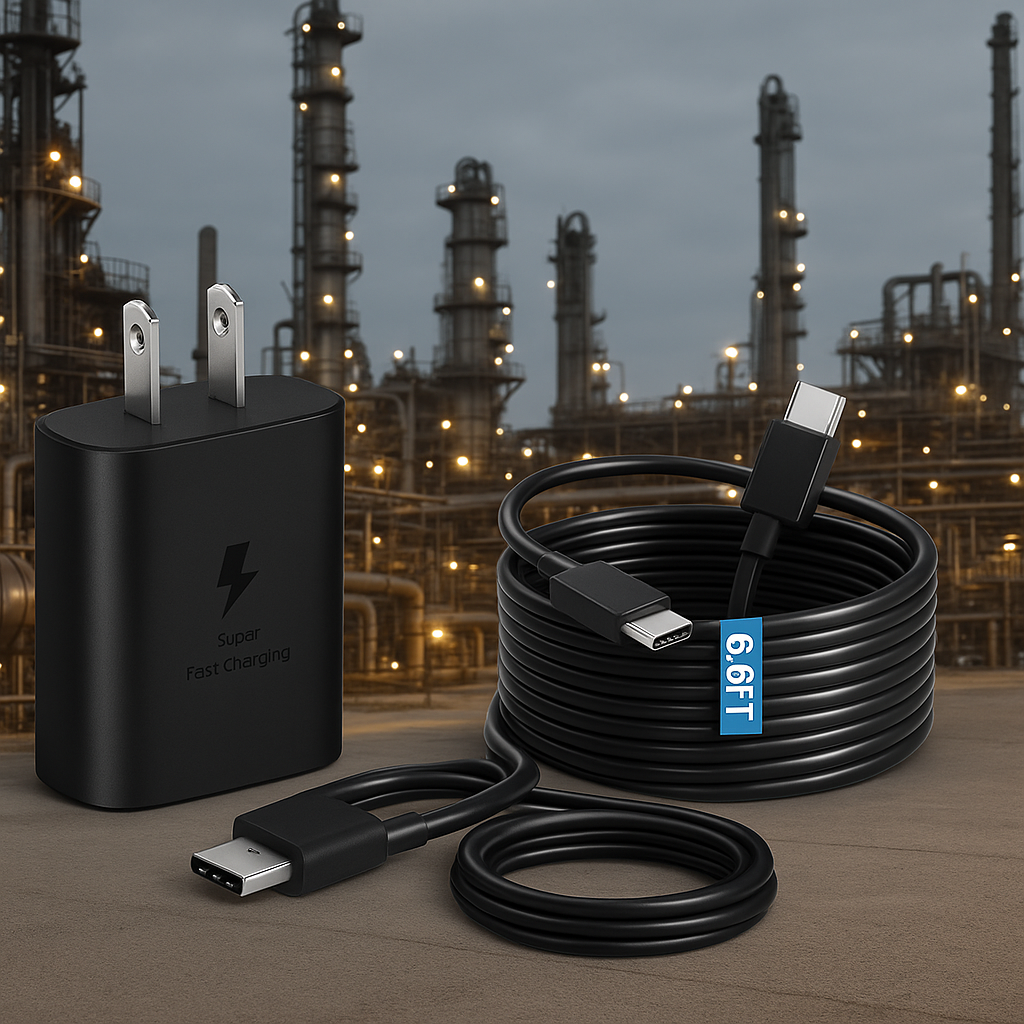
Intrinsically safe USB chargers are essential for workers operating in hazardous environments where flammable gases, vapors, or combustible dusts pose a constant ignition risk. These chargers are engineered to limit electrical and thermal energy to safe levels so devices can be powered without creating sparks or heat capable of igniting an explosive atmosphere. As more industries rely on tablets, mobile devices, and digital communication tools in hazardous locations, demand for certified charging equipment continues to rise.
This comprehensive guide explains how intrinsically safe charging works, what certifications apply, where these chargers can be safely used, and how they differ from standard consumer USB chargers. Whether you’re equipping workers with mobile devices or designing a compliant charging station in a hazardous location, understanding intrinsically safe power solutions is crucial for safety and compliance.
What Is an Intrinsically Safe USB Charger?
An intrinsically safe usb charger is a charging device engineered to prevent electrical and thermal energy from reaching levels that could ignite hazardous substances present in explosive atmospheres. Instead of containing explosions (like explosion-proof gear), intrinsically safe equipment prevents ignition from occurring in the first place.
These chargers are commonly used to power intrinsically safe tablets, radios, gas detectors, and mobile communication devices in Ex-certified zones.
Key Characteristics
-
Limits voltage, current, and temperature
-
Uses energy-limiting circuits and fused components
-
Designed to prevent sparks, arcs, and excessive heat
-
Certified to ATEX, IECEx, UL, or CSA intrinsic safety standards
-
Safe for explosive gas environments (Zone 0, Zone 1, Class I Div 1)
Intrinsically safe chargers are not merely ruggedized versions of consumer chargers—they are regulated, safety-engineered systems that must pass strict certification testing.
Need Certified Devices for Safe Charging in Hazardous Areas?
Explore intrinsically safe tablets and smartphones designed to work with IS-certified chargers in Zone 0, Zone 1, and Class I Division 1 environments.
How Do Intrinsically Safe USB Chargers Work Safely in Ex Zones?
Intrinsically safe chargers use several engineering methods to ensure they cannot generate enough energy to ignite a flammable atmosphere.
Energy Limitation Circuits
The primary safety mechanism is energy limitation. Internal components restrict the electrical output to a level lower than the minimum ignition energy (MIE) of the surrounding hazard.
Temperature Control
Chargers include thermal monitoring and limiting components, ensuring the device’s surface never exceeds safe operating temperatures in hazardous zones.
Spark Prevention
IS chargers eliminate the possibility of:
-
Hot-swappable sparks
-
Connector mating sparks
-
Fault-condition arcs
All interactions that could create ignition energy are minimized or eliminated.
Fault Tolerance
Certified chargers must pass stringent tests demonstrating safety even under:
-
Component failure
-
Short circuits
-
Overload conditions
-
Temperature extremes
Internal Partitioning
Chargers separate high-energy circuits from user-accessible charging contacts using safety barriers and certified isolation distances.
These design principles make intrinsically safe chargers uniquely suitable for environments where explosive gases or dusts are present during normal work operations.
Why Standard USB Chargers Cannot Be Used in Hazardous Locations
It can be tempting to assume that any low-voltage device is safe, but this is not true in hazardous environments.
Standard Chargers Pose Ignition Risks Because They Can:
-
Produce sparks at connection points
-
Overheat during charging
-
Deliver too much energy during a fault condition
-
Introduce static discharge risks
-
Lack thermal and electrical limiting features
-
Fail without safety shutdown mechanisms
Consumer electronics are not engineered to prevent ignition—they are engineered for performance and cost efficiency.
Example Ignition Scenario
Connecting a standard USB cable in a Zone 1 environment may cause a tiny spark as the contacts touch. While harmless in an office, this spark can ignite propane, methane, or solvent vapors in a hazardous location.
This is why standards like ATEX, IECEx, and UL 913 strictly regulate chargers used in hazardous environments.
Approved Use Cases for Intrinsically Safe USB Chargers
Intrinsically safe chargers are approved for use in specific hazardous-area classifications, depending on their certification.
Common Environments
-
Oil & Gas (Upstream, Midstream, Downstream)
-
Chemical Manufacturing Plants
-
Pharmaceutical Production
-
Paint Booths & Spray Operations
-
Mining & Tunneling
-
Food Processing with Combustible Dust
-
Refineries & Petrochemical Facilities
-
Utilities & Power Generation
Typical Applications
-
Charging intrinsically safe tablets
-
Docking intrinsically safe smartphones or radios
-
Powering fixed sensors or wearable safety devices
-
Field-portable charging kits
-
On-location charging stations in Class I Division 1 areas
When Chargers Must Be Intrinsically Safe
-
If charging occurs inside a hazardous zone (Class I Div 1, Zone 0/1)
-
If plugs/cables are connected or disconnected in the hazardous area
-
When the charger remains energized in the Ex zone
When Non-IS Chargers May Be Used
-
In a non-hazardous safe area outside the classified zone
-
In areas certified as nonincendive (Class I Div 2) with proper equipment
-
When devices are removed from hazardous zones before charging
Always confirm local regulations and equipment certifications before deployment.
Need clarity on hazardous area certifications?
Review the essential ATEX, IECEx, and Class I Division concepts that define safe charging requirements in explosive atmospheres.
Understanding Certification Standards for Intrinsically Safe Chargers
A charger labeled “intrinsically safe” must comply with internationally recognized certification schemes.
ATEX (European Union)
ATEX certifies equipment for explosive atmospheres under:
-
Zone 0 (continuous presence of hazard)
-
Zone 1 (likely presence during normal operations)
-
Zone 2 (unlikely but possible hazard presence)
IS chargers typically carry markings such as:
Ex ia or Ex ib, referring to different levels of intrinsic safety.
IECEx (International)
IECEx provides globally recognized intrinsic safety certification, ensuring equipment meets harmonized testing standards across many countries.
UL / CSA (North America)
Under NEC standards, intrinsically safe chargers may be certified for:
-
Class I Division 1 (explosive gas present during normal operation)
-
Class I Division 2 (hazard only present abnormally)
Certification Markings Often Include:
-
Gas group (IIC, IIB, IIA)
-
Temperature class (T4, T5, etc.)
-
Protection method (Ex ia, Ex ib)
-
Ambient temperature rating
Understanding these designations is crucial for selecting the right charger for your classified environment.
Differences Between Intrinsically Safe and Standard USB Chargers
To highlight the safety and technical differences, here is a comparison table:
Standard chargers are simply not built to protect workers or industrial assets in hazardous environments.
What Features Should You Look for in a High-Quality Intrinsically Safe USB Charger?
When selecting a charger for hazardous locations, look beyond certification. High-quality chargers include several advanced protective features.
Essential Features
-
Certified ATEX, IECEx, or Class I Division 1 approvals
-
Over-current, over-voltage, and thermal limiting circuits
-
Robust enclosure made from anti-static and durable materials
-
Reinforced connectors designed for safe hot-swapping
-
Wide operating temperature range
-
Compatibility with intrinsically safe mobile devices
Advanced Features to Consider
-
Multi-bay charging capabilities
-
Rapid-charge while maintaining safe energy limits
-
IP65 or higher weatherproof rating
-
Portable field-ready design
-
Wall or vehicle mount compatibility
Looking for certified charging solutions?
Pair your intrinsically safe chargers with approved IS tablets, phones, and safe-energy cables designed for hazardous locations.
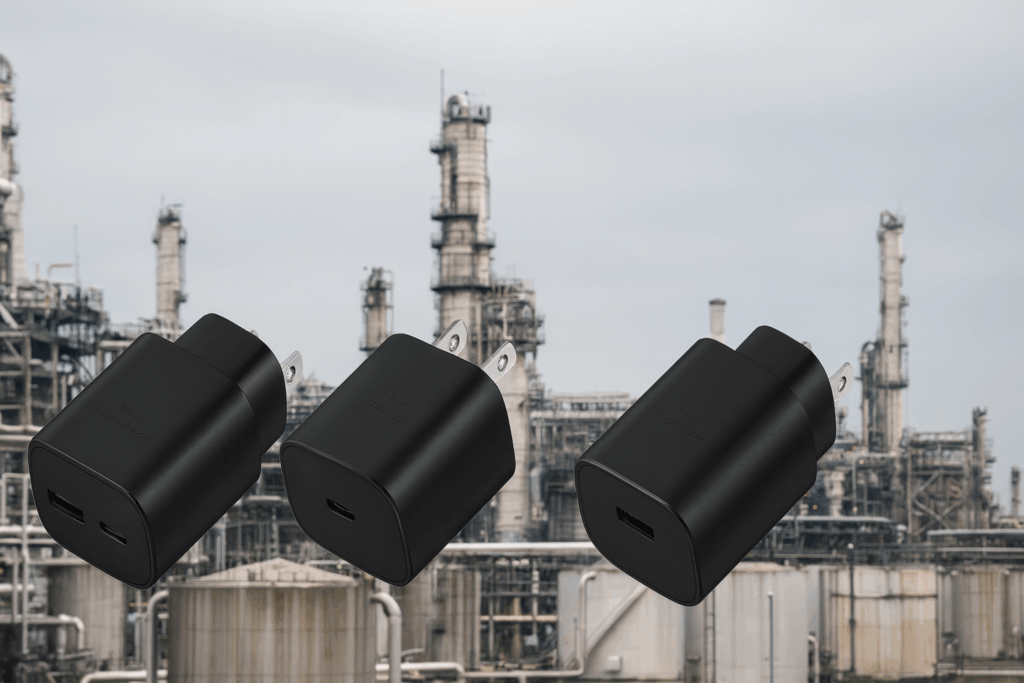
Intrinsically Safe USB Chargers Available at Intrinsically Safe Store
Below are compliant charging solutions currently listed at IntrinsicallySafeStore.com. Only internal links are included to maintain SEO compliance.
Important Note
Intrinsically Safe Store offers intrinsically safe charging cables designed specifically for Ex devices, while chargers themselves must be deployed according to site classification rules. Many IS-certified tablets and phones require approved charging stations to maintain certification compliance.
Best Practices for Using Intrinsically Safe USB Chargers in Hazardous Areas
1. Always Verify Certification
Ensure the charger carries markings appropriate for your zone or division classification.
2. Keep Chargers Within Their Rated Temperature
Never operate the charger outside its approved ambient temperature range.
3. Replace Damaged Cables Immediately
Compromised insulation or bent connectors can create ignition hazards.
4. Only Use Manufacturer-Approved Accessories
Using non-certified cables or power supplies can void intrinsic safety certification.
5. Avoid Charging in High-Gas Concentration Events
Even certified equipment should not be used during emergency leak conditions.
Need help selecting the right intrinsically safe charger?
Our hazardous-area experts can help you choose compliant charging solutions for your ATEX, IECEx, or Class I Division 1 environments.
FAQs About Intrinsically Safe USB Chargers
Can I use an intrinsically safe device with a non-IS charger?
Yes—but only outside the hazardous zone. Charging in the Ex area requires an IS-certified solution.
Do intrinsically safe chargers charge more slowly?
Not always. Many IS chargers support efficient charging while staying within safe energy limits.
Are IS chargers more expensive than standard USB chargers?
Yes, due to certification requirements, specialized components, and extensive testing.
Can I charge multiple devices at once in a hazardous area?
Only if the charger is specifically certified for multi-device charging in hazardous zones.
Do all intrinsically safe mobile devices require intrinsically safe chargers?
Yes, if charging occurs inside the hazardous location. Otherwise, they may be charged with non-IS accessories in a safe area.
Conclusion: Choosing the Right Intrinsically Safe USB Charger
Selecting the correct intrinsically safe usb charger ensures that your workers can reliably power their devices while maintaining regulatory compliance and safety in hazardous locations. Unlike standard chargers, IS chargers are engineered to limit electrical and thermal energy, preventing ignition in explosive atmospheres. They are essential for industries operating in ATEX, IECEx, or Class I Division 1 environments where safe power management is non-negotiable.
Whether you need certified charging cables, approved chargers, or intrinsically safe mobile devices themselves, Intrinsically Safe Store offers compliant solutions designed for the world’s harshest industrial conditions.