


Intrinsically Safe Knowledge Base
The Best Safety Equipment for Oil and Gas Industries
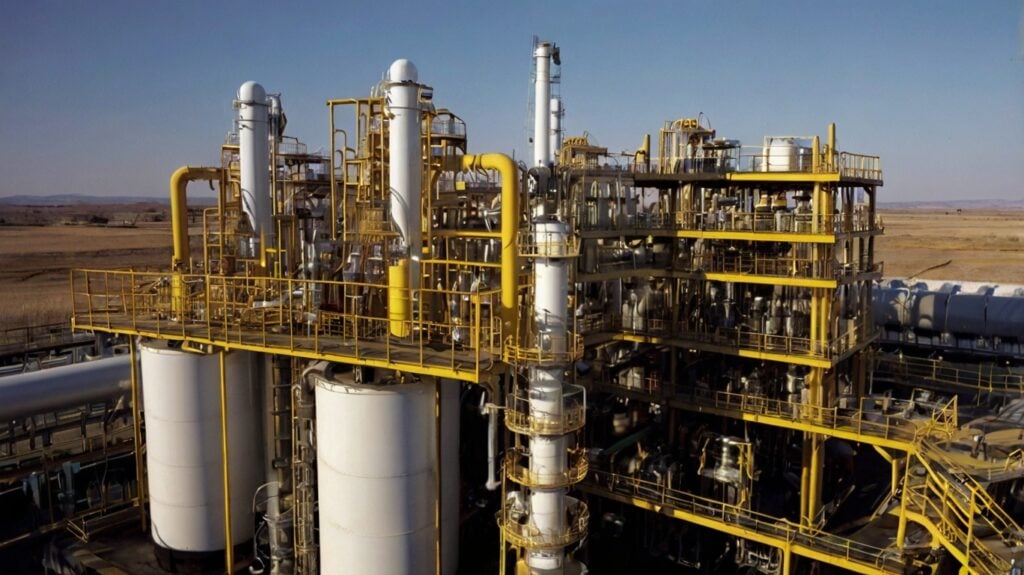
The oil and gas industry is a vital component of the global economy, providing the energy that fuels our daily lives. However, it is also one of the most hazardous sectors, with workers facing numerous risks, from chemical exposure to physical injuries. This makes the role of safety equipment crucial in safeguarding the well-being of those who work in this high-risk environment. This comprehensive guide serves as an invaluable resource for understanding the essential tools and gear that protect workers in the oil and gas industry. It is not merely a manual; it is a lifeline that ensures the safety and security of those who brave the challenges of this industry every day.
The oil and gas sector is characterized by its complex operations, which often involve high-pressure systems, flammable materials, and hazardous environments. These factors contribute to a heightened risk of accidents and incidents, making safety equipment not just a regulatory requirement but a vital component of daily operations. This guide emphasizes the importance of a safety-first culture, which is essential for the successful implementation of any safety measures. By fostering an environment where safety is prioritized, companies can ensure that their workforce is not only aware of the potential hazards but also equipped to handle them effectively.
Understanding The Ultimate Guide to Safety Equipment for Oil and Gas
The oil and gas industry is a cornerstone of the global economy, providing the energy that powers our homes, industries, and transportation systems. However, it is also one of the most hazardous sectors, with workers facing a myriad of risks ranging from chemical exposure to physical injuries. This is where the importance of safety equipment becomes paramount. The Ultimate Guide to Safety Equipment for Oil and Gas serves as a comprehensive resource for understanding the essential tools and gear that protect workers in this high-risk environment. It is not just a manual; it is a lifeline that ensures the well-being of those who brave the challenges of this industry every day.
Safety equipment in the oil and gas sector is designed to mitigate the risks associated with various operations, whether onshore or offshore. The guide delves into the specifics of personal protective equipment (PPE), which is the first line of defense for workers. This includes hard hats, safety goggles, flame-resistant clothing, and steel-toed boots, each serving a critical function in safeguarding against specific hazards. For instance, flame-resistant clothing is crucial in preventing burns from flash fires, a common risk in oil and gas operations. The guide emphasizes the importance of selecting the right PPE based on the specific tasks and environments workers are exposed to, ensuring that protection is both effective and comfortable.
Beyond personal protective gear, the guide explores the role of advanced safety technologies that have revolutionized the industry. Gas detection systems, for example, are vital in identifying leaks of hazardous gases such as hydrogen sulfide and methane, which can be deadly if inhaled. These systems are often integrated with real-time monitoring capabilities, allowing for immediate response to potential threats. The guide also highlights the significance of communication devices, which are essential for maintaining contact between team members, especially in remote or offshore locations. These devices are often equipped with features like noise cancellation and long-range capabilities, ensuring clear communication even in the most challenging conditions.
The Ultimate Guide to Safety Equipment for Oil and Gas also addresses the importance of training and maintenance. It is not enough to simply have the right equipment; workers must be trained in its proper use and maintenance to ensure its effectiveness. The guide provides insights into best practices for training programs, emphasizing the need for regular drills and updates to keep pace with technological advancements and regulatory changes. Maintenance is equally critical, as equipment that is not regularly inspected and serviced can fail when it is needed most. The guide offers detailed checklists and schedules for maintaining various types of safety equipment, ensuring that they remain in optimal condition.
In addition to equipment and training, the guide underscores the role of a safety culture within organizations. It advocates for a proactive approach to safety, where potential hazards are identified and addressed before they result in incidents. This involves fostering an environment where safety is prioritized at all levels, from management to frontline workers. The guide provides strategies for building such a culture, including leadership commitment, employee involvement, and continuous improvement processes.
The Ultimate Guide to Safety Equipment for Oil and Gas is an indispensable resource for anyone involved in the industry. It not only provides detailed information on the tools and technologies that protect workers but also offers insights into the broader safety strategies that can prevent accidents and save lives. By understanding and implementing the guidance within this comprehensive resource, companies can ensure that their operations are not only productive but also safe and sustainable.
Who Should Read The Ultimate Guide to Safety Equipment for Oil and Gas?
The Ultimate Guide to Safety Equipment for Oil and Gas is an indispensable resource for a diverse audience within the oil and gas industry. This guide is particularly crucial for safety managers and officers who are directly responsible for ensuring the safety and well-being of workers in this high-risk environment. These professionals are tasked with the critical role of developing, implementing, and monitoring safety protocols and procedures. By delving into this guide, they can gain a comprehensive understanding of the latest safety equipment technologies and best practices, which can significantly enhance their ability to protect their teams from potential hazards. The guide serves as a valuable tool for them to stay updated on industry standards and regulations, ensuring compliance and fostering a culture of safety within their organizations.
Moreover, operations managers and supervisors who oversee daily activities on oil rigs and in refineries will find this guide to be an essential asset. Their role often involves making quick decisions that can have significant safety implications. By familiarizing themselves with the guide, they can make informed choices about the safety equipment that best suits their specific operational needs. This knowledge empowers them to implement effective safety measures that minimize risks and prevent accidents, thereby maintaining smooth and efficient operations. The guide provides them with insights into the latest innovations in safety equipment, enabling them to select the most appropriate tools and technologies to safeguard their workforce.
Engineers and technical staff working in the oil and gas sector also stand to benefit greatly from this guide. Their work often involves designing and maintaining complex systems and machinery, where safety is of paramount importance. By understanding the intricacies of safety equipment, they can incorporate safety considerations into their designs and maintenance plans, ensuring that all systems operate safely and efficiently. The guide offers them a detailed overview of the various types of safety equipment available, along with their applications and limitations, allowing them to make informed decisions that enhance the safety and reliability of their projects.
Additionally, procurement specialists responsible for sourcing and purchasing safety equipment will find this guide to be an invaluable resource. Their role requires them to evaluate and select products that meet the highest safety standards while also being cost-effective. The guide provides them with a thorough understanding of the different safety equipment options available in the market, along with insights into their features and benefits. This knowledge enables them to make informed purchasing decisions that align with their organization’s safety objectives and budget constraints.
Finally, the guide is also beneficial for training and development professionals who are responsible for educating employees about safety practices and equipment. By leveraging the information contained in the guide, they can develop comprehensive training programs that equip workers with the knowledge and skills needed to operate safely in the oil and gas industry. The guide serves as a foundational resource for creating engaging and informative training materials that emphasize the importance of safety and the proper use of safety equipment.
In essence, The Ultimate Guide to Safety Equipment for Oil and Gas is a vital resource for anyone involved in the oil and gas industry who is committed to enhancing safety and protecting the lives of workers. Whether you are a safety manager, operations supervisor, engineer, procurement specialist, or training professional, this guide provides the insights and information needed to make informed decisions that prioritize safety and well-being in this challenging and dynamic field.
The Main Benefits of The Ultimate Guide to Safety Equipment for Oil and Gas
One of the primary benefits of this guide is its comprehensive nature, which ensures that it covers a wide array of safety equipment necessary for various operations within the industry. This breadth of information is crucial because the oil and gas sector encompasses a multitude of activities, each with its own unique set of risks and safety requirements. From drilling and extraction to transportation and refining, the guide provides detailed insights into the specific equipment needed to mitigate risks at every stage of the process. This level of detail not only helps in selecting the right equipment but also in understanding the rationale behind each choice, thereby fostering a culture of safety and awareness among workers.
Another significant advantage of the guide is its focus on the latest technological advancements in safety equipment. The oil and gas industry is constantly evolving, with new technologies emerging to address the ever-present challenges of safety and efficiency. The guide keeps professionals abreast of these developments, offering insights into cutting-edge equipment that can enhance safety measures. For instance, it might highlight the latest in personal protective equipment (PPE) that offers better protection against chemical exposure or advanced monitoring systems that provide real-time data on environmental conditions. By staying updated with these innovations, companies can not only improve their safety protocols but also gain a competitive edge by adopting more efficient and effective safety solutions.
Furthermore, the guide emphasizes the importance of compliance with industry standards and regulations. The oil and gas industry is heavily regulated, with stringent safety standards that must be adhered to in order to avoid legal repercussions and ensure the well-being of employees. The guide provides a thorough overview of these regulations, helping companies to navigate the complex legal landscape and ensure that their safety practices are in line with the latest requirements. This is particularly beneficial for companies operating in multiple jurisdictions, where regulations may vary significantly. By providing clear and concise information on compliance, the guide helps to reduce the risk of costly fines and legal issues, while also promoting a safer working environment.
In addition to its practical applications, the guide also serves as an educational tool, fostering a deeper understanding of safety principles among industry professionals. By delving into the science and rationale behind safety equipment, it encourages a more informed approach to safety management. This educational aspect is crucial in cultivating a proactive safety culture, where employees are not only aware of the equipment they use but also understand its importance and functionality. Such knowledge empowers workers to make informed decisions in the field, potentially preventing accidents and saving lives.
Overall, The Ultimate Guide to Safety Equipment for Oil and Gas is an invaluable asset for anyone involved in the industry. Its comprehensive coverage, focus on technological advancements, emphasis on compliance, and educational value collectively contribute to enhancing safety standards and practices. By equipping professionals with the knowledge and tools they need to navigate the complexities of the oil and gas sector, the guide plays a pivotal role in safeguarding both human lives and the environment.
Getting Started with The Ultimate Guide to Safety Equipment for Oil and Gas
Embarking on the journey to understand and implement safety equipment in the oil and gas industry is a crucial step towards ensuring the well-being of workers and the environment. To effectively get started with this guide, it is important to first appreciate the unique challenges and hazards inherent in the oil and gas industry. This understanding will lay the foundation for recognizing the critical role that safety equipment plays in mitigating risks and enhancing operational safety.
The oil and gas industry is characterized by its complex operations, which often involve high-pressure systems, flammable materials, and hazardous environments. These factors contribute to a heightened risk of accidents and incidents, making safety equipment not just a regulatory requirement but a vital component of daily operations. The guide begins by emphasizing the importance of a safety-first culture, which is essential for the successful implementation of any safety measures. This culture is cultivated through continuous education, training, and a commitment to safety at all organizational levels. By fostering an environment where safety is prioritized, companies can ensure that their workforce is not only aware of the potential hazards but also equipped to handle them effectively.
Once the importance of a safety-first culture is established, the guide delves into the various types of safety equipment that are indispensable in the oil and gas industry. Personal protective equipment (PPE) is a primary focus, as it serves as the first line of defense against potential hazards. The guide provides detailed information on the selection, use, and maintenance of PPE, including helmets, gloves, goggles, and protective clothing. Each piece of equipment is designed to protect workers from specific risks, and understanding their proper use is crucial for maximizing their effectiveness. The guide also highlights the importance of regular inspections and maintenance of PPE to ensure that it remains in optimal condition and provides the necessary protection.
In addition to PPE, the guide covers other critical safety equipment such as gas detection systems, fire suppression systems, and emergency response tools. Gas detection systems are essential for identifying and mitigating the presence of hazardous gases, which can pose significant risks to both personnel and the environment. The guide provides insights into the different types of gas detection systems available, their applications, and best practices for their use. Fire suppression systems are another key focus, as they play a vital role in preventing and controlling fires, which are a common hazard in the oil and gas industry. The guide outlines the various types of fire suppression systems, their installation, and maintenance requirements, as well as the importance of regular drills and training to ensure that personnel are prepared to respond effectively in the event of a fire.
Emergency response tools and procedures are also covered in detail, as they are critical for minimizing the impact of accidents and incidents. The guide emphasizes the importance of having a well-defined emergency response plan, which includes clear communication protocols, evacuation procedures, and the availability of necessary equipment. By providing comprehensive information on these aspects, the guide equips companies with the knowledge and tools needed to enhance their safety measures and protect their workforce and assets.
In summary, getting started with The Ultimate Guide to Safety Equipment for Oil and Gas involves understanding the unique challenges of the industry, fostering a safety-first culture, and gaining in-depth knowledge of the essential safety equipment and practices. By following the guidance provided in the guide, companies can significantly improve their safety performance and ensure a safer working environment for their employees.
Timing Your Investment in Safety Equipment for Oil and Gas
Understanding the optimal timing for investing in safety equipment within the oil and gas industry is crucial for ensuring both the safety of personnel and the efficiency of operations. The oil and gas sector is inherently fraught with risks, from volatile substances to high-pressure environments, making the need for robust safety measures non-negotiable. However, the question of when to invest in or upgrade safety equipment is often as critical as the equipment itself. This decision can significantly impact not only the safety of the workforce but also the financial health and operational success of a company.
The best time to invest in safety equipment is often during the planning and budgeting phase of a project. This proactive approach allows for the integration of safety measures into the overall project design, ensuring that safety is not an afterthought but a foundational element. By considering safety equipment needs early, companies can allocate appropriate resources and avoid the pitfalls of last-minute purchases, which can lead to suboptimal choices and inflated costs. Moreover, early investment in safety equipment can facilitate smoother project execution, as it minimizes the risk of delays caused by safety-related incidents.
Another critical juncture for investing in safety equipment is during periods of technological advancement. The oil and gas industry is continually evolving, with new technologies emerging that can enhance safety and efficiency. Staying abreast of these developments and investing in cutting-edge safety equipment can provide a competitive advantage. For instance, the adoption of advanced personal protective equipment (PPE) with enhanced durability and comfort can improve worker compliance and reduce the likelihood of accidents. Similarly, investing in state-of-the-art monitoring systems can provide real-time data on environmental conditions, enabling quicker responses to potential hazards.
Regulatory changes also present a pivotal moment for investment in safety equipment. The oil and gas industry is subject to stringent regulations that are frequently updated to reflect new safety standards and practices. Companies must remain vigilant and responsive to these changes to maintain compliance and avoid costly penalties. Investing in safety equipment that meets or exceeds regulatory requirements not only ensures compliance but also demonstrates a commitment to safety that can enhance a company’s reputation and stakeholder trust.
Furthermore, the aftermath of an incident or near-miss can serve as a wake-up call for companies to reassess their safety equipment needs. While it is unfortunate that such events occur, they provide valuable insights into potential vulnerabilities within existing safety protocols. Conducting thorough investigations and audits following an incident can reveal gaps in safety measures, prompting timely investments in necessary equipment upgrades or replacements. This reactive approach, while not ideal, can be instrumental in preventing future incidents and fostering a culture of continuous improvement in safety practices.
Lastly, economic cycles within the oil and gas industry can influence the timing of safety equipment investments. During periods of economic downturn, companies may be tempted to cut costs, including those related to safety. However, this short-sighted approach can have dire consequences. Instead, downturns can be an opportune time to invest in safety equipment, as suppliers may offer more competitive pricing and favorable terms. Additionally, maintaining a strong safety record during challenging economic times can position a company for success when the market rebounds, as it underscores a commitment to operational excellence and worker welfare.
In summary, the timing of investments in safety equipment for the oil and gas industry is a multifaceted decision that requires careful consideration of project timelines, technological advancements, regulatory changes, incident analyses, and economic conditions. By strategically timing these investments, companies can enhance safety, ensure compliance, and ultimately achieve greater operational success.
Navigating the Marketplace for Safety Equipment in the Oil and Gas Industry
When it comes to sourcing safety equipment for the oil and gas industry, the stakes are incredibly high. The nature of the work in this sector is fraught with potential hazards, from explosive gases to high-pressure systems, making the need for reliable safety gear not just a regulatory requirement but a moral imperative. The Ultimate Guide to Safety Equipment for Oil and Gas provides a comprehensive overview of what is needed, but knowing where to procure these essential items is equally crucial. The marketplace for safety equipment is vast and varied, offering a plethora of options that can sometimes be overwhelming. However, understanding the landscape can help you make informed decisions that ensure the safety of your workforce and the efficiency of your operations.
One of the primary avenues for acquiring safety equipment is through specialized suppliers who focus exclusively on the oil and gas industry. These suppliers have a deep understanding of the unique challenges and requirements of the sector, offering products that are specifically designed to withstand the harsh conditions often encountered in oil and gas operations. They provide a range of equipment, from personal protective gear like flame-resistant clothing and hard hats to more complex systems such as gas detection devices and emergency shutdown systems. By working with these specialized suppliers, companies can benefit from their expertise and ensure that the equipment they purchase meets industry standards and regulations.
In addition to specialized suppliers, many companies turn to large industrial supply chains that offer a broad spectrum of safety equipment. These suppliers often have the advantage of scale, providing competitive pricing and a wide selection of products. They can be a convenient option for companies looking to streamline their procurement processes, as they often offer online platforms that make it easy to browse and order equipment. However, it is important to ensure that the products sourced from these suppliers are suitable for the specific needs of the oil and gas industry, as not all industrial safety equipment is created equal.
Another valuable resource for sourcing safety equipment is trade shows and industry conferences. These events provide an opportunity to see the latest innovations in safety technology and to meet directly with manufacturers and suppliers. Attending these events can offer insights into emerging trends and new products that could enhance safety protocols within your organization. Moreover, they provide a platform for networking with other industry professionals, which can lead to valuable partnerships and collaborations.
Online marketplaces have also become increasingly popular for purchasing safety equipment. Platforms like Amazon and Alibaba offer a wide range of products, often at competitive prices. However, caution is advised when using these platforms, as the quality and authenticity of the products can vary significantly. It is essential to conduct thorough research and read reviews to ensure that the equipment meets the necessary safety standards and is suitable for use in the oil and gas industry.
Finally, building strong relationships with manufacturers can be a strategic move for companies looking to ensure a steady supply of high-quality safety equipment. By working directly with manufacturers, companies can often negotiate better pricing and gain access to customized solutions that are tailored to their specific needs. This approach can also provide a level of assurance regarding the quality and reliability of the equipment, as manufacturers are typically more invested in maintaining their reputation and customer satisfaction.
In summary, the marketplace for safety equipment in the oil and gas industry is diverse, offering numerous options for companies seeking to protect their workforce and operations. By understanding the different avenues available and carefully evaluating the options, companies can make informed decisions that align with their safety objectives and operational requirements. Whether through specialized suppliers, large industrial chains, trade shows, online marketplaces, or direct manufacturer relationships, the key is to prioritize quality, compliance, and suitability for the unique challenges of the oil and gas sector.
Frequently Asked Questions About The Ultimate Guide to Safety Equipment for Oil and Gas
The oil and gas industry is one of the most hazardous sectors, necessitating stringent safety measures to protect workers from potential risks. Understanding the essential safety equipment and its proper use is crucial for anyone involved in this field. Below are some frequently asked questions that provide insights into the critical aspects of safety equipment in the oil and gas industry.
What are the most essential pieces of safety equipment in the oil and gas industry?
In the oil and gas sector, personal protective equipment (PPE) is paramount. The most essential pieces include flame-resistant clothing, hard hats, safety goggles, gloves, and steel-toed boots. Flame-resistant clothing is crucial because it protects workers from flash fires and explosions, which are common hazards in this industry. Hard hats protect against head injuries from falling objects or accidental bumps, while safety goggles shield the eyes from chemical splashes and debris. Gloves are necessary to protect hands from cuts, burns, and chemical exposure, and steel-toed boots provide foot protection from heavy objects and slippery surfaces.
How does safety equipment contribute to reducing accidents in the oil and gas industry?
Safety equipment plays a vital role in minimizing accidents by providing a physical barrier between workers and potential hazards. For instance, flame-resistant clothing can prevent severe burns in the event of a fire, while safety harnesses can prevent falls from heights, which are a leading cause of fatalities in the industry. Additionally, the use of gas detectors can alert workers to the presence of toxic gases, allowing them to evacuate or take corrective action before exposure occurs. By equipping workers with the right tools and training them on their proper use, the likelihood of accidents and injuries can be significantly reduced.
What are the regulations governing safety equipment in the oil and gas industry?
The oil and gas industry is subject to stringent regulations to ensure worker safety. In the United States, the Occupational Safety and Health Administration (OSHA) sets forth guidelines and standards for safety equipment. These regulations mandate the use of specific PPE based on the identified hazards in the workplace. Additionally, the American National Standards Institute (ANSI) provides standards for the design and performance of safety equipment. Compliance with these regulations is not only a legal requirement but also a critical component of a company’s safety culture, helping to protect workers and reduce liability.
How often should safety equipment be inspected and maintained?
Regular inspection and maintenance of safety equipment are crucial to ensure its effectiveness. The frequency of inspections depends on the type of equipment and the conditions in which it is used. For example, PPE such as gloves and goggles should be inspected before each use for signs of wear and tear. More complex equipment, like gas detectors and breathing apparatus, may require monthly or quarterly inspections by trained personnel. Maintenance schedules should be established based on manufacturer recommendations and industry best practices. Proper documentation of inspections and maintenance activities is essential to ensure compliance with safety regulations and to provide a record in the event of an incident.
What role does training play in the effective use of safety equipment?
Training is a critical component of any safety program in the oil and gas industry. Workers must be trained not only on the proper use of safety equipment but also on recognizing potential hazards and responding appropriately. Effective training programs should include hands-on demonstrations, regular refresher courses, and assessments to ensure comprehension. By fostering a culture of safety through education, companies can empower their employees to take proactive measures in protecting themselves and their colleagues, ultimately reducing the risk of accidents and enhancing overall workplace safety.

In conclusion, the oil and gas industry is fraught with inherent risks that necessitate a robust approach to safety. The comprehensive guide to safety equipment serves as an indispensable resource for anyone involved in this sector, providing detailed information on the tools and technologies that protect workers. By understanding and implementing the guidance within this resource, companies can ensure that their operations are not only productive but also safe and sustainable. The guide underscores the importance of fostering a proactive safety culture, where potential hazards are identified and addressed before they result in incidents. This involves leadership commitment, employee involvement, and continuous improvement processes. Ultimately, by prioritizing safety and investing in the right equipment and training, companies can protect their most valuable asset—their people—while also enhancing operational efficiency and compliance with industry standards.