Intrinsically Safe Knowledge Base
Intrinsically Safe Cable: How They Work & When to Use

In hazardous environments such as oil refineries, chemical plants, and underground mines, electrical safety is a top priority. One key component ensuring safe operations is the Intrinsically Safe (IS) cable. These cables are designed to carry low-energy signals that eliminate the risk of igniting explosive atmospheres, making them crucial for industries operating in classified hazardous zones.
This article will cover:
- What makes an Intrinsically Safe cable different
- The industries that require IS cables
- Benefits of using IS cables
- How to choose the right IS cable
What Is an Intrinsically Safe Cable?
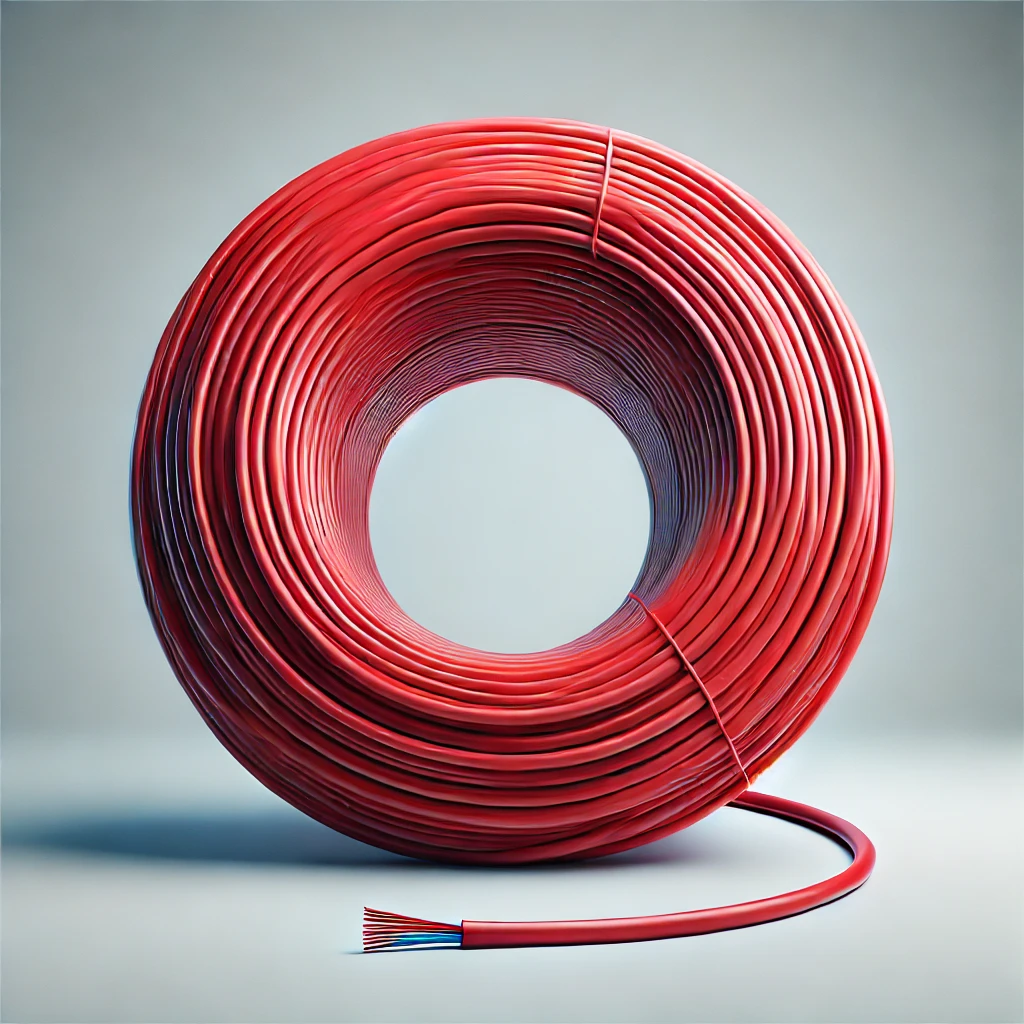
An Intrinsically Safe (IS) cable is a specialized type of low-energy, shielded wiring designed for hazardous areas. Unlike traditional cables that may carry high electrical currents, IS cables limit energy transfer to a level that cannot ignite flammable gases, vapors, or dust.
Key Features of IS Cables:
- Energy limitation to prevent sparking or overheating
- Shielded design to reduce electrical interference
- Durability to withstand harsh conditions
- Certified safety compliance with industry regulations
Why Are Intrinsically Safe Cables Important?
Preventing Explosions in Hazardous Areas
Hazardous industries use intrinsically safe wiring to eliminate ignition risks. Unlike traditional cables, IS cables carry extremely low voltage and current levels, ensuring that even in a fault condition, they will not generate a spark or heat capable of igniting flammable substances.
Compliance with Safety Standards
Governments and regulatory bodies mandate the use of Intrinsically Safe wiring in hazardous locations. IS cables are certified under global safety standards such as:
| Certification | Region | Purpose |
|---|---|---|
| ATEX (Europe) | EU | Ensures safe use in explosive environments |
| IECEx (Global) | International | Standardized safety for electrical equipment |
| NEC 500 (USA) | North America | Defines hazardous locations and IS requirements |
Cost Savings and Easy Maintenance
- Lower installation costs compared to explosion-proof wiring
- Reduced maintenance expenses due to fewer repairs
- No need for bulky enclosures, making them suitable for mobile devices and wearables
Where Are Intrinsically Safe Cables Used?
Oil and Gas Industry
- Used for sensors, monitoring systems, and communication devices in refineries and offshore rigs
- Essential in environments with high concentrations of flammable gases
Chemical and Pharmaceutical Plants
- Used for process control, gas detection systems, and explosion-proof lighting
- Required to prevent ignition in areas where chemicals release flammable vapors
Mining Industry
- Used for underground lighting, communication devices, and safety monitoring systems
- Required in mines where methane and combustible dust are present
Manufacturing and Food Processing
- Used for dust collection systems, automated machinery, and temperature sensors
- Required in industries dealing with combustible dust, such as grain mills and textile factories
How to Choose the Right Intrinsically Safe Cable
Check the Certification
Always select IS cables certified for your region, including ATEX, IECEx, or NEC 500 compliance.
Consider the Operating Environment
Ensure the cable is resistant to corrosion, high temperatures, and mechanical stress.
Verify Signal Integrity
IS cables should have low capacitance and shielding to prevent electrical interference.
Choose the Right Type
- Shielded twisted pair (STP) for reducing electrical noise
- Multi-conductor cables for complex monitoring systems
- Armored cables for added protection in extreme environments
Conclusion
Using an intrinsically safe cable is not just a recommendation—it is a necessity for ensuring safety in hazardous environments. These cables prevent sparks, overheating, and ignition, making them the best solution for classified industrial zones.
At Intrinsically Safe Store, certified IS cables are available for industries worldwide. Whether for gas plants, mines, or factories, the right safety solution is available.
Explore Intrinsically Safe Cables Today
FAQs on Intrinsically Safe Cables
Can I use regular electrical cables in hazardous environments?
No. Standard cables do not limit energy transfer and can spark, leading to explosions in hazardous zones.
What is the difference between Intrinsically Safe and Explosion Proof cables?
- Intrinsically Safe Cables limit energy to prevent ignition
- Explosion Proof Cables are enclosed in heavy-duty casings to contain sparks
Are IS cables expensive?
No. IS cables reduce overall costs by eliminating the need for heavy enclosures and simplifying maintenance.
How do I know if a cable is certified for hazardous areas?
Look for ATEX, IECEx, or NEC 500 markings on the cable.
Final Thought
Investing in Intrinsically Safe Cables protects workplaces, reduces risks, and ensures compliance with industry regulations. Making safety a top priority starts today.
For assistance in selecting the right IS cable, contact a safety expert.