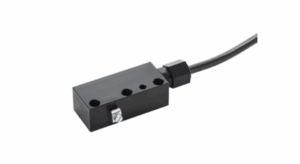
- Class 2 Division 1 heaters are designed for environments where combustible dust is present under normal operating conditions.
- These heaters comply with NFPA, NEC, and OSHA regulations to ensure operational safety.
- They use specialized enclosures and temperature-limiting mechanisms to prevent dust ignition.
- Common applications include grain processing, chemical plants, pharmaceuticals, and manufacturing facilities.
- Selecting the right heater requires evaluating factors like wattage, mounting options, and temperature control.
Introduction to Class 2 Division 1 Heaters
In hazardous industrial settings, ensuring safe and effective heating solutions is crucial to maintaining productivity while mitigating explosion risks. Class 2 Division 1 heaters are specifically designed for use in environments where combustible dust is present and could ignite under normal conditions. These heaters follow stringent National Electric Code (NEC) and OSHA safety standards to ensure reliable operation.
This article will provide a detailed look at Class 2 Division 1 heaters, their certifications, applications, and best practices for installation and maintenance.
Understanding Class 2 Division 1 Hazardous Locations
Before diving into heater specifications, it’s essential to understand what Class 2 Division 1 means in hazardous area classifications.
What is a Class 2 Division 1 Area?
The National Electrical Code (NEC) Article 500 classifies hazardous locations based on the presence of flammable materials. Class 2 is specifically for locations where combustible dust can create an explosive atmosphere.
- Class 2: Areas with combustible dust particles in the air.
- Division 1: The dust is present under normal operating conditions, making ignition a constant risk.
Examples of Class 2 Division 1 Environments
- Grain mills and elevators – where fine dust from grains can create explosive atmospheres.
- Chemical processing plants – handling powdered chemicals with high flammability risks.
- Pharmaceutical facilities – dealing with fine organic or chemical dusts.
- Woodworking and paper mills – generating sawdust and paper dust in high volumes.
- Textile mills – producing flammable fibers.
In these settings, heating elements must not create sparks, excessive heat, or electrical faults that could ignite the surrounding atmosphere.
How Class 2 Division 1 Heaters Work
Unlike conventional heaters, Class 2 Division 1 heaters are engineered to operate safely in combustible dust environments. These units feature intrinsically safe designs, explosion-proof enclosures, and thermal limiters to prevent excessive temperatures.
Key Safety Features
- Explosion-Proof Housing
- The heaters are enclosed in rugged, sealed enclosures to contain any internal ignition sources.
- Materials such as stainless steel and aluminum are commonly used to withstand harsh conditions.
- Temperature Control Mechanisms
- Built-in thermostats and temperature sensors prevent overheating.
- Thermal cutoffs ensure that the heater never exceeds safe operating temperatures.
- Sealed Heating Elements
- The heating elements are designed to prevent contact with dust particles, eliminating the risk of ignition.
- Some units use silicone rubber or finned designs to enhance heat dissipation while minimizing hot spots.
- Corrosion Resistance
- Many Class 2 Division 1 heaters are built to withstand chemicals, moisture, and harsh industrial environments.
Types of Class 2 Division 1 Heaters
Different applications require different heating solutions. Here are the main types of heaters available for Class 2 Division 1 hazardous locations:
1. Convection Heaters
- Operate without moving parts, reducing maintenance needs.
- Ideal for space heating in industrial warehouses.
- Slow, even heat distribution.
2. Infrared Heaters
- Use radiant heat instead of convection, preventing dust agitation.
- Often used in paint booths, drying applications, and outdoor areas.
3. Fan-Forced Heaters
- Include explosion-proof fans to circulate warm air.
- Suitable for large industrial spaces requiring faster heat dispersion.
4. Enclosure Heaters
- Maintain optimal temperatures inside control panels and cabinets.
- Prevent condensation that can cause electrical failures.
5. Duct Heaters
- Installed inside air handling systems to preheat or maintain airflow temperatures.
- Useful in manufacturing processes and chemical facilities.
Choosing the Right Class 2 Division 1 Heater
Selecting the best Class 2 Division 1 heater requires considering the following:
1. Wattage Requirements
- Determine the heating load based on the space size and insulation.
- Higher wattage is required for large spaces and colder environments.
2. Mounting and Installation
- Wall-mounted: Saves floor space and provides directional heating.
- Ceiling-mounted: Useful for evenly heating large areas.
- Portable heaters: Best for temporary workspaces or construction sites.
3. Control and Safety Features
- Look for thermostat compatibility to regulate temperature automatically.
- Overheat protection is a must for hazardous locations.
4. Compliance with Certifications
Ensure the heater has appropriate certifications such as:
- NEC 500, 502 compliant (National Electric Code for hazardous locations).
- UL (Underwriters Laboratories) Listed for Class 2 Division 1 use.
- CSA (Canadian Standards Association) certified for explosion-proof environments.
- ATEX & IECEx ratings for international compliance.
Installation and Maintenance Best Practices
Proper Installation for Maximum Safety
- Follow NEC and OSHA guidelines for installation in hazardous areas.
- Keep proper clearances from flammable materials.
- Use sealed electrical connections to prevent dust accumulation.
- Install in areas with good airflow to prevent localized overheating.
Routine Maintenance Checklist
- Inspect heating elements for signs of wear or damage.
- Check temperature controls and calibration regularly.
- Ensure enclosures remain sealed to prevent dust intrusion.
- Clean dust buildup around heater vents and surfaces.
- Test thermal cutoffs and limit switches for proper operation.
Industry Applications for Class 2 Division 1 Heaters
1. Agriculture & Grain Processing
- Prevents freezing of stored grains.
- Maintains optimal temperatures in silos and processing plants.
2. Pharmaceutical & Chemical Manufacturing
- Controls temperature for sensitive chemical reactions.
- Ensures compliance with strict safety regulations.
3. Food Processing
- Used in drying and dehydration applications.
- Prevents condensation buildup in food storage areas.
4. Oil & Gas Industry
- Keeps pipelines and storage tanks at optimal temperatures.
- Prevents freezing in offshore rigs and remote locations.
The Dust Explosion Triangle
Did you know that combustible dust explosions require three key elements, similar to the fire triangle?
- Fuel – Fine dust particles suspended in air.
- Oxygen – Present in the surrounding atmosphere.
- Ignition Source – High temperatures or electrical sparks.
By using Class 2 Division 1 heaters, industries can effectively eliminate the ignition source and prevent dust explosions.
Conclusion
Class 2 Division 1 heaters are an essential safety solution for industries where combustible dust is a hazard. These specialized heaters mitigate ignition risks while maintaining critical temperatures for various industrial processes.
Choosing the right heater with proper certifications, safety features, and installation practices ensures a safe and compliant work environment.
Need a Certified Class 2 Division 1 Heater?
At Intrinsically Safe Store, we provide trusted, explosion-proof heating solutions that meet the highest safety standards. Browse our selection today and find the right heater for your hazardous location needs!
Frequently Asked Questions (FAQs)
1. Can Class 2 Division 1 heaters be used in all hazardous locations?
No, they are specifically designed for areas where combustible dust is present. If your environment contains flammable gases or vapors, a Class 1 Division 1 heater is required.
2. How do these heaters prevent explosions?
They use sealed enclosures, temperature sensors, and non-sparking components to eliminate potential ignition sources.
3. What is the difference between Class 2 Division 1 and Division 2 heaters?
- Division 1: Dust is present under normal conditions.
- Division 2: Dust is only present during abnormal conditions.
4. Can I install a regular heater in a Class 2 Division 1 area?
No, only certified explosion-proof heaters should be used in hazardous locations.
5. Where can I buy Class 2 Division 1 heaters?
Visit Intrinsically Safe Store for a wide selection of certified heaters for hazardous locations.